
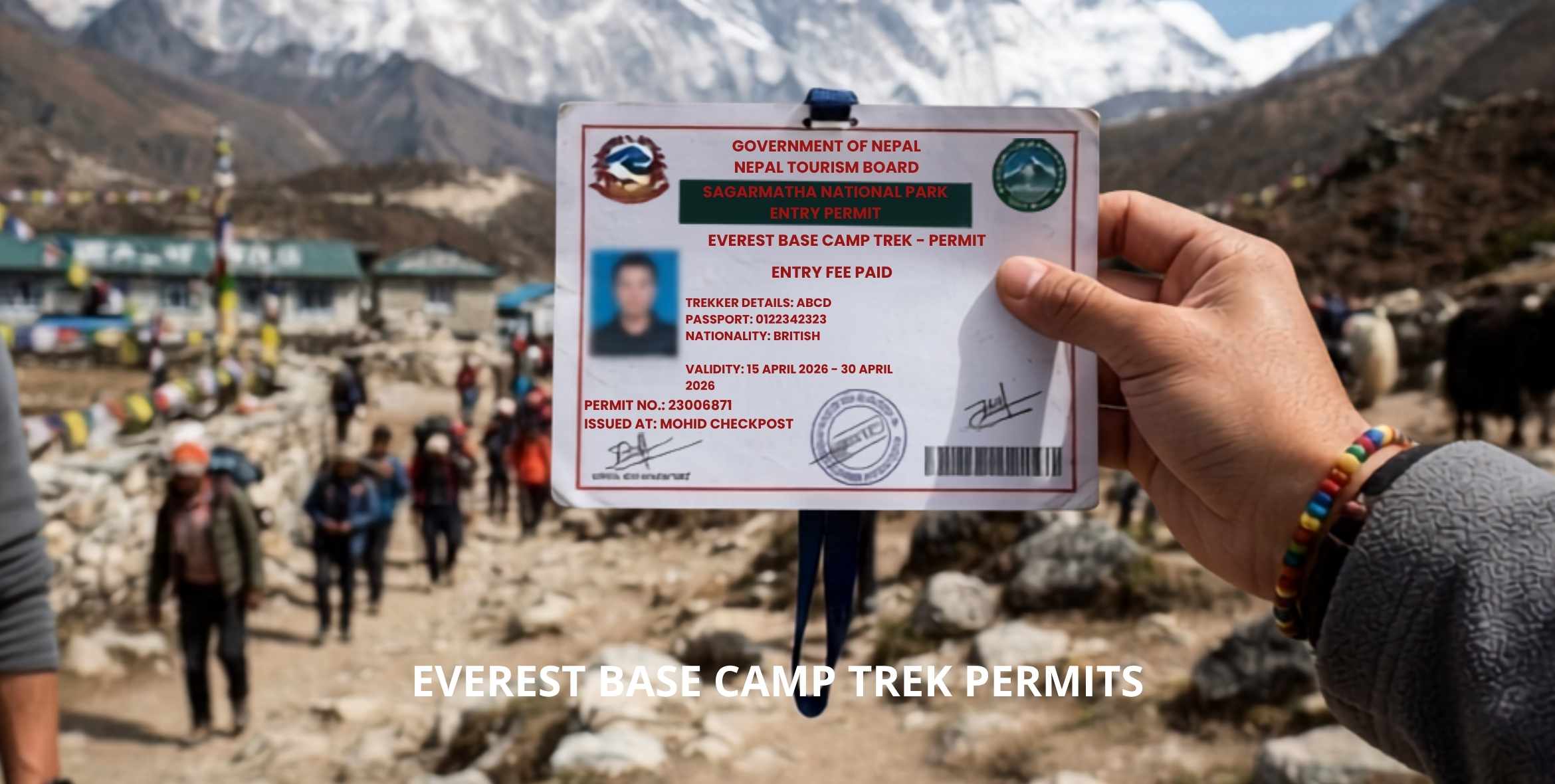
You need two permits for Everest Base Camp. The Sagarmatha National Park Entry Permit and the Khumbu Pasang Lhamu Rural Municipality Entry Permit. You do not need a TIMS card anymore. Together, the two permits cost around NPR 5,000 per person for foreigners, plus VAT. You get one in Kathmandu and the other in Lukla or Monjo.
I have been sorting out permits for trekkers heading to the Everest Base Camp Trek for years now, and the same email lands in my inbox every trekking season. Someone reads one blog that says they need three permits, then reads another that says two, then a third that mentions a card that got scrapped years ago. So let’s clear this up properly, one time, with nothing left out.
Getting your Everest Base Camp trek permit sorted right, at the correct place, saves you a full afternoon on the trail. Get it wrong and you’re standing at a checkpost in Monjo while your porter waits with your bag and your flight window to acclimatize keeps shrinking.
Which Permits Do You Actually Need For EBC Trek
The first is the Sagarmatha National Park Entry Permit. This gets you into the park itself, the protected zone that holds Everest, Ama Dablam, Lhotse, and the whole upper Khumbu. Sagarmatha National Park is a UNESCO World Heritage Site, and the permit fee goes toward keeping the trail system, the ranger posts, and the fragile alpine environment intact.
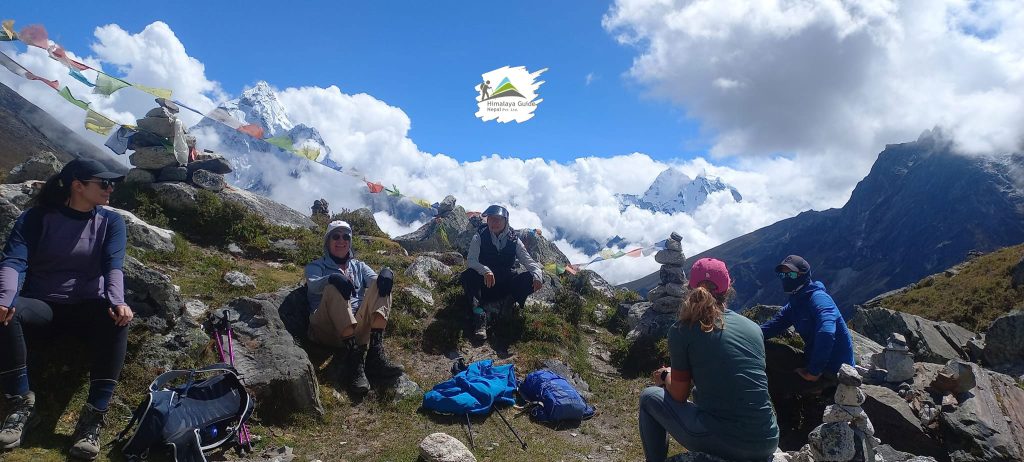
The second is the Khumbu Pasang Lhamu Rural Municipality Entry Permit. This one funds the local government in the Khumbu region directly. Trail maintenance, toilets at the high camps, rescue coordination, and community projects in villages like Namche and Khumjung all draw from this fee.
You do not need a TIMS card. I’ll explain why some sites still say you do in the next section, because that mix-up causes more confusion on this route than anything else I get asked about.
Why Some Sites Still Say You Need a TIMS Card For Everest Base Camp Trek
The TIMS card used to be required across all of Nepal’s trekking regions, Everest included. Then, in 2018, the Khumbu Pasang Lhamu Rural Municipality introduced its own local permit specifically for this region. That new local permit started replacing the TIMS card’s function in Khumbu, piece by piece, over the following years.
By 2023, after a wider decentralization of how trekking areas are managed across Nepal, the TIMS card was fully dropped for the Everest Base Camp route. The Khumbu permit took over completely. It has stayed that way since. So if you’re trekking somewhere like Annapurna or Langtang, TIMS still applies there. But not here. Not for any route through the Khumbu.
Some blogs that rank for Everest Base Camp trek permit were written before that change took hold, or they got published once and never updated after. A few even list TIMS as one of three mandatory permits, right next to the two you actually need, which tells you the writer copied an older list without checking it against the current rule. That’s outdated information sitting on a live page, and it’s exactly the kind of thing that makes a first time trekker nervous a few weeks before a big trip.
We’ve processed permit paperwork for trekkers coming through Monjo and Lukla for years, long enough to watch this rule change happen in real time and to see the confusion it left behind in older articles. When a client asks us about TIMS now, we tell them straight. Skip it. Save the extra fee. You won’t be asked for it anywhere on this route, not at Lukla, not at Monjo, not at any checkpost further up the valley.
Everest Trek Permit Cost Breakdown
| Permit | Foreigner | SAARC National | Nepali |
|---|---|---|---|
| Sagarmatha National Park Entry | NPR 3,000 | NPR 1,500 | NPR 100 |
| Khumbu Pasang Lhamu Rural Municipality | NPR 2,000 | NPR 2,000 | NPR 100 |
| VAT | 13% added on park permit | 13% added | Included |
Children under 10 do not pay the park entry fee for everest trek permit.
Sagarmatha National Park Permit Cost
Foreigners pay NPR 3,000 per person, plus 13% VAT on top for a Sagarmatha National Park permit in the Everest. Round it up mentally to about NPR 3,400 once VAT lands, so you’re not short a few hundred rupees standing at the counter with a line behind you.
Khumbu Pasang Lhamu Permit Cost
This one runs NPR 2,000 per person for trekkers. Bring exact or close to exact cash if you can manage it. Change is not always easy to get at Monjo, especially during peak season in October or April when the counter has a queue out the door and staff are moving fast through dozens of trekkers an hour.
One thing worth saying directly, because I’ve watched people learn it the hard way. You cannot pay either permit fee in US dollars. Nepali Rupees only, and Nepali Rupees are the only currency accepted anywhere along this route once you’re past Lukla, permits included. Plan your cash before you fly out of Kathmandu, not after you land in the mountains.
Where to Get Your EBC Permits?
You have three options here, and they are not interchangeable, so it helps to know which Everest trek permit belongs to which counter before you show up expecting to buy both in one place.
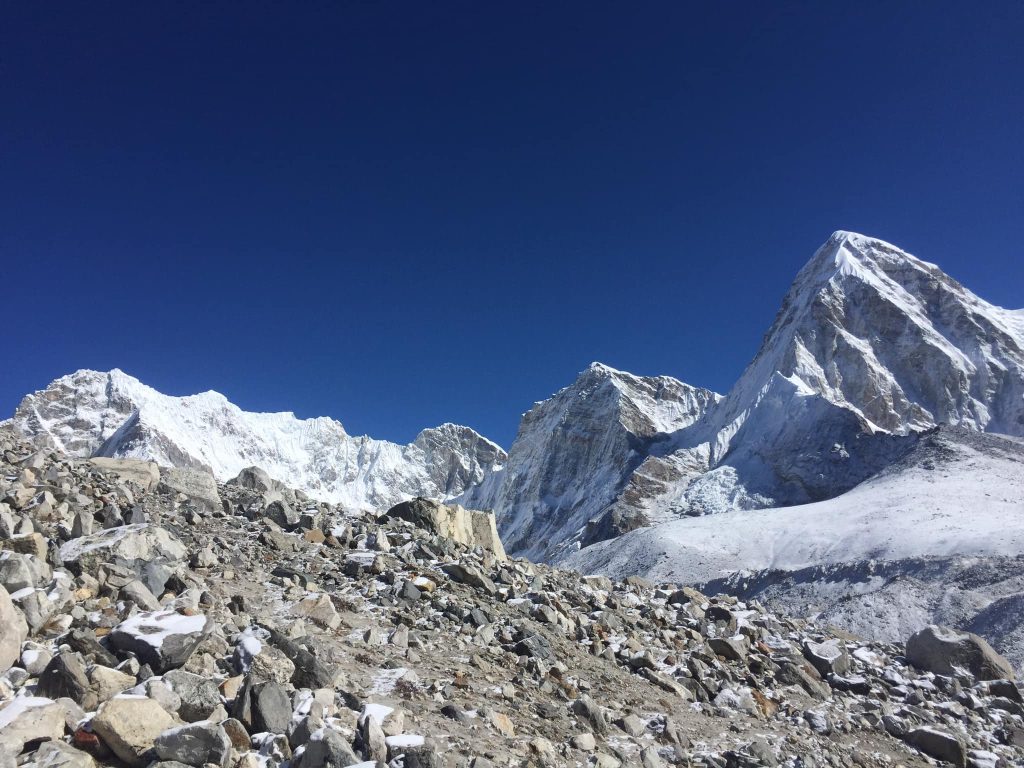
The Sagarmatha National Park Entry Permit can be bought in Kathmandu at the Nepal Tourism Board office on Exhibition Road, or at the park’s own counter in Monjo once you’re already on the trail. Getting it in Kathmandu means one less stop on your first trekking day, which matters if you’re trying to reach Namche before dark.
The Khumbu Pasang Lhamu Permit is different, and this is where most of the confusion online comes from. It is only issued in Lukla or at Monjo. There is no Kathmandu office that sells this one, no matter what you might assume when walking into the tourism board building with your passport in hand.
Most trekkers going through a trekking agency never touch either counter personally. We collect the passport copies and photos in advance and handle both Everest trek permits before your group reaches Lukla, so you walk straight through the checkpost instead of standing in a queue with your pack still on your back after a bumpy flight.
Everest Region Checkposts You’ll Pass During EBC Trek
Your Everest base camp trek permits get checked more than once on this route, and knowing where saves you from fumbling for paperwork mid-trail. Six checkposts sit along the standard route: Lukla, Tok Tok, Monjo, Top Dadha, Phunkithanga, and Pangboche.
At Lukla, officials check the Khumbu Pasang Lhamu permit right after you land, before you’ve even had your first cup of tea at the airstrip teahouse. At Monjo, the Sagarmatha National Park permit gets logged as you pass into the park boundary, and this is the stop where both permits usually get a proper look together. The remaining checkposts, Tok Tok, Top Dadha, Phunkithanga, and Pangboche, are mostly spot checks, there to confirm you haven’t lost your paperwork somewhere between villages.
Miss a stamp at any of these and you may be sent back down the trail to sort it out. Keep both Everest Base Camp trek permits in an easy-to-reach jacket pocket, not buried at the bottom of your duffel where your porter has already packed it away for the day.
Extra Permit for the Jiri and Classic Routes
If you’re walking in the old way, starting from Jiri or Salleri instead of flying straight to Lukla, you need one more document. The Gaurishankar Conservation Area Permit.
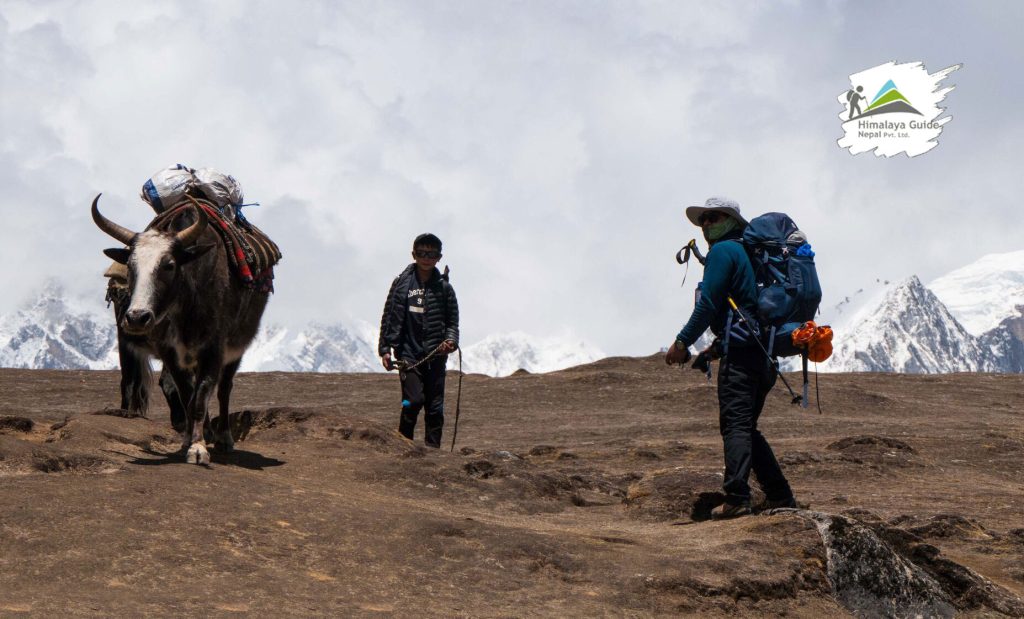
This Gaurishankar everest permit covers the stretch of trail before you reach the Khumbu region proper, through forest and farmland that sits outside Sagarmatha National Park’s boundary. It costs NPR 3,000 for foreigners and is only available in Kathmandu at the Nepal Tourism Board office, so pick it up before you leave the city.
Most trekkers flying direct to Lukla skip this gaurishankar everest permit entirely, since the classic Jiri approach has become a rarer choice now that the flight route is so much faster. But if the walk in route is part of your plan, for the extra days of village life and lower altitude walking it offers, budget the added cost and the added Kathmandu stop into your prep.
Documents You Need Before You Apply for Everest Base Camp Trek Permit
Each Everest Base Camp trek permit requires roughly the same core paperwork, so gather it once, and you’re set for both applications without doubling up on errands.
Your passport, valid for at least six months from your entry date into Nepal. Bring the original document itself, since photocopies alone won’t get you through either counter on their own, though having two or three copies as backup is smart.
Two to four passport-sized photos. Some counters ask for two, some want four, and it costs you nothing to carry extra in your daypack rather than scrambling for a print shop in Namche once you realize you’re short.
Basic trip details, ready to hand over without digging. Your intended route, an emergency contact name and number, and proof of travel insurance that covers high altitude trekking and helicopter evacuation.
Solo Trekking and Guide Rules in the Khumbu
Nepal introduced a rule in 2023 requiring a licensed guide for most trekking regions in the country. Khumbu works a bit differently, and this is a question I get often from Americans planning their first trip here.
As things stand for the Everest Base Camp trek, you are not required to hire a guide or porter to obtain your permits. That surprises a lot of people who read about the broader guide mandate somewhere else and assumed it covered every trekking route in Nepal, including this one.
Most first-time trekkers do hire a guide & porter, and for good reason that has nothing to do with the permit paperwork. A guide who has walked this trail dozens of times knows the trail better than anyone, so it is recommended.
One detail worth knowing if you do hire a licensed guide. Guides themselves do not need to buy a separate permit to accompany you through the checkpoints. Only your own permits get checked and logged as you pass through, so there’s no added fee on that front.
Frequently Asked Questions about Everest Base Camp Trek Permit
Do I still need a TIMS card for EBC?
Can I get all EBC permits at the trailhead?
Are Everest permits refundable if I turn back early?
Do children need a separate permit?
How much does the full EBC permit package cost in total?
Final Word on Your EBC Permits
Two permits, no TIMS card, and a short list of places where you can actually buy them. That’s the whole picture once you cut through what’s outdated on other pages still floating around online.
Get your documents ready before you fly to Lukla, and the whole process takes minutes at each counter, not hours. Send us your travel dates and passport details, and our team will have both permits sorted before you land in the Khumbu, so your first day on the trail starts on the trail and not standing at a counter counting out rupees.


