
If you plan a trek to Everest, the first big decision you face is which of the Everest Base Camps would suit you the most. There are many options, and each of them differs in length, difficulty, comfort, and access. Do you want the quickest, most straightforward path, a longer, quieter walk through traditional villages, or a tougher mountain challenge? Because even if the destination is the same, the route you pick shapes your whole experience in Khumbu, from your pace to the landscape and the local life you encounter.
That’s why we have put together some of our most popular Everest Base Camp routes, from the classic Lukla flight route to longer overland approaches and high-pass adventures. With this, you can understand each trek package, let you compare your options, and choose the trek that fits your pace, fitness, and expectations.
Classic Everest Base Camp Trek from Lukla
The Classic Everest Base Camp Trek is the most popular route for first-time trekkers in the Everest region. It typically takes 13 days and reaches a maximum altitude of 5,545 meters at Kala Patthar. The route is moderately challenging and requires a reasonable level of fitness. However, well-marked trails, a large number of fellow trekkers, and frequent teahouse stops make it accessible if you prepare enough. It begins with a short, scenic, and thrilling flight to Lukla, then follows the Dudh Koshi River through forests and Sherpa villages. You pass Phakding, Namche Bazaar, Tengboche, Dingboche, Lobuche, and lastly Gorakshep, gradually acclimatizing.
Key highlights of Classic EBC trek route:
- Namche Bazaar: Vibrant Sherpa hub with lively markets and cafés
- Tengboche Monastery: Peaceful monastery with sweeping mountain views
- Khumbu Glacier: Dramatic high‑altitude ice and rock scenery
- Everest Base Camp: Iconic campsite at the foot of the Khumbu Icefall
- Kala Patthar: Classic viewpoint for sunrise panoramas of Mount Everest, Lhotse, Nuptse, and Ama Dablam
Everest Base Camp Trek by Drive from Salleri (Lukla Flight Alternative)
For those who want to avoid the nerve‑wracking flight to Lukla and enjoy a slower, more gradual introduction to the Khumbu region, we also have an option for the Everest Base Camp Trek by Drive. This route is less crowded than the classic Lukla and usually takes 15-days. The journey begins with a long road trip from Kathmandu to Salleri and then to Thamdanda. After that, the trek officially begins in the quiet lower‑trail village of Paiya andmoves through remote villages such as Surkhe, Chaurikharka, and Chheplung. From here, you then gradually climb to join the main Everest route near Phakding to reach Everest Base Camp.
Hence, only the first 2-3 days differ from the standard EBC route. Instead of flying to Lukla, you drive for 2 days and trek through quieter, lower‑trail villages. The overall difficulty and main highlights remain the same as the classic EBC trail, but this approach adds a few unique experiences of its own.
Unique highlights of the Salleri route to EBC:
- Salleri: The main jeep town where many road-access EBC treks begin
- Thamdanda: Road‑end trailhead above Salleri
- Surke: Quiet junction village below Lukla on the lower trail
- Chaurikharka: Traditional Sherpa village with fields and monastery
- Cheplung: Small settlement where you join the main Lukla-Phakding trail
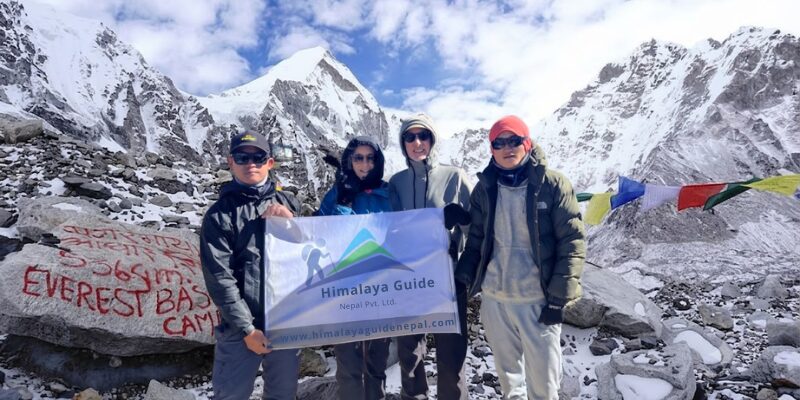
The Everest Base Camp trek is one of the most popular treks in Nepal. The trek is more frequently visited than other popular treks, such as the Annapurna Base Camp Trek or the Langtang Valley Trek, which are also well-known among trekkers worldwide. The trek is on the bucket list for many trekkers to reach the base of the world’s highest peak, Mount Everest. Everest Base Camp trek begins with a Kathmandu to Lukla flight & provides a challenging Himalayan & Sherpa village experience costing you $955. The paths twist and turn through beautiful Sherpa villages, high rhododendron forests, and alongside the Dudh Koshi River, offering glimpses of the local culture and the strong presence of the local people.

As the altitude gradually increases from Lukla, you will pass through Namche, Tengboche, and Dingboche. During this trek, trekkers need to acclimatize to the conditions of the Khumbu region. During these treks, trekkers will enjoy stunning views of mountains such as Everest, Ama Dablam, Nuptse, Lhotse, and Cho Oyu. The final section of your walk takes you to Gorak Shep, the last place before you reach Everest Base Camp, at an altitude of 5,364 meters. From Gorak Shep, you will walk to the highest point of the trek, at 5,644 metres, Kala Patthar. This is a rewarding trek, one that provides an immense sense of accomplishment and offers wonderful views of Mount Everest and the Khumbu Icefall up close, which will stay with you forever.
Everest Base Camp Trek CostThe Everest Base Camp Trek cost ranges from USD 1,055 to USD 1,510 per person for a standard package. The cost of the trek to EBC varies based on various factors like group size, trek duration, accommodation, transportation, services included, and customization of the trip. Also, the standard trek package covers most of the expenses required for the trek, including meals and accommodation, permits, guide service, domestic flight ticket, overland transportation, and necessary government taxes.
Everest Base Camp Trek Cost Breakdown:
| Category | Description | Estimated Cost (USD) | Factors Influencing Cost |
|---|---|---|---|
| Permits | Fees are required to trek in the Everest region. | $50 – $60 |
|
| Transportation | Costs to reach the trek starting point (usually Lukla) and return to Kathmandu. | $360 – $460 |
|
| Accommodation | Cost of staying in tea houses/lodges along the trekking route and hotels in Kathmandu. | $150 – $500+ |
|
| Food & Drinks | Expenses for meals (breakfast, lunch, dinner) and beverages during the trek. | $250 – $500+ |
|
| Guides | Fees for hiring a licensed trekking guide. | $500 – $1000+ |
|
| Trekking Gear | Costs for essential trekking equipment. | $100 – $500+ (if renting) / $300 – $2000+ (if buying) |
|
| Visa | Nepal entry visa fees. | $30 – $125 |
|
| Travel Insurance | Mandatory insurance that covers medical emergencies, high-altitude sickness, and emergency evacuation (including helicopter rescue). | $100 – $300+ | Cost depends on the duration of the trek and the coverage provided by the insurance policy. Ensure it specifically covers trekking at altitudes up to 6,000 meters. |
| Miscellaneous | Personal expenses such as hot showers, Wi-Fi, charging electronic devices, snacks, souvenirs, and tips for guides and porters. | $100 – $300+ |
|

Jiri to Everest Base Camp Trek (Old Classic Route)
The Jiri to Everest Base Camp Trek is the original, longer approach to EBC. It was the classic route used by Edmund Hillary and Tenzing Norgay on their 1953 Everest expedition. It takes about 21 days and is considerably more challenging than the standard Lukla route. Starting with a drive from Kathmandu to Jiri, you walk day by day through Deurali, Sete, Junbesi, Nunthala, Bupsa, and then Cheplung, before joining the familiar Everest trail via Monjo.
From there, the route follows the standard EBC trek and finally back down to Lukla for your flight out, turning the whole route into a continuous, old‑school Himalayan journey. You sleep low for the first week, and altitude gain is slow, but repeated climbs and descents in the lower, remote hills make this route difficult for many. Nonetheless, it still remains accessible if you are reasonably fit and comfortable walking 6-7 hours a day.
Unique highlights of the Jiri route:
- Hillary’s Path: Traditional trekking route via Jiri
- Off-the-Beaten-Path: Quiet, low-altitude, authentic Sherpa villages
- Local Teahouse Culture: Immersive, slow-paced local stays
- Safe Acclimatization: Gradual ascent to high altitude
- Iconic Finale: EBC, Kala Patthar, and a scenic Lukla flight
Everest Three Passes Trek
Everest Three Passes Trek is another popular route in the Everest region. It is also one of the most demanding treks in Nepal, ideal for trekkers with prior high-altitude trekking experience. It spans 18 days, starting with the classic EBC route with Kongma La Pass for the first half to visit EBC and Kala Patthar. Then, you trek into the Gokyo Valley via Dzonglha, Cho La pass, and Dragnag. Once in the valley, you follow the chain of turquoise Gokyo Lakes to the village of Gokyo, then hike up Gokyo Ri for sweeping views of Everest, Lhotse, Makalu, and Cho Oyu. From there, you cross Renjo La Pass to Lumde and Thame to rejoin the main trail toward Namche and Lukla.
Unique highlights on the Everest Three Passes Trek route:
- Three 5,300+ meter passes: Kongma La, Cho La, and Renjo La
- Full Everest loop: EBC, Kala Patthar, Khumbu Glacier, and Gokyo Valley
- Gokyo Lakes: The world’s highest freshwater lake system
- Gokyo Ri: 360° summit views of Everest and three other 8,000ers
- Chhukung: Quiet acclimatization base under Ama Dablam
- Thame: Historic Sherpa village on the old Tibet trade route
- Lungden: A high, remote village that stages the Renjo La pass
- Big-mountain trek: Long, steep, oxygen-thin days for seasoned trekkers
We also offer luxury lodge options and helicopter return packages for added comfort and flexibility. You can check our Everest Trek packages for more options.
Must‑Do Side Hikes on the Everest Base Camp Route
The Everest Base Camp trek is not just about standing at the base of the world’s highest mountain and seeing it up close from Kala Patthar. It is one of the most beautiful treks in the world. Side hikes bring the best of the journey. Here are five main hikes you should not miss:
- Namche to Everest View Hotel: This hike is a classic acclimatization loop that passes Syangboche Airstrip. The Everest View Hotel is situated at 3,880 meters and allows you wide views of Everest and Ama Dablam. You can also trek further behind the hotel up to the Everest View Ridge for even wider views.
- Everest View Hotel to Khumjung: Because the route to Khumjung follows the same path as the one to Everest View Hotel, most trekkers combine the two for a more fulfilling 1-day hike. Khumjung is a small village located at 3,790 meters, which houses a monastery widely known for holding a Yeti scalp.
- Dingboche to Nangkartshang Peak: The Nangkartshang Peak viewpoint, also known as Nagarjun Peak, is situated directly above Dingboche at roughly 5,000 meters. The hike is steep and takes about a half-day to reach the destination. Once you’re at the top, you can enjoy massive views of the south face of Ama Dablam, along with Makalu, and the Imja Valley.
- Dingboche to Chhukung: This hike is a gentle, steady walk through quieter Imja Valley along the river. Chhukung village is a dramatic amphitheater surrounded by several large glaciers and peaks of Lhotse, Ama Dablam, and Island Peak (Imja Tse).
- Dingboche/Pangboche to Ama Dablam Base Camp (approx. 4,600m): It is also a quieter detour through high pastures toward the base of Ama Dablam’s massive southwest face. It allows you to understand the perspective of climbing expeditions and the mountain’s immense scale, away from the busier main trail.
These side hikes fit easily into most EBC itineraries, strengthen acclimatization, and offer some of the most memorable viewpoints along the route.
How to Choose the Right Everest Base Camp Trek Route for You?
The proper way to choose the right route starts with these three questions:
• How many days can I realistically commit?
• What’s my current fitness level?
• How much comfort do I need to actually enjoy this?
Now match your answers to the route:
| Your Situation | Best Route | Why It Fits |
|---|---|---|
| About two weeks, want the classic experience | Standard EBC (Fly to Lukla) | The most time-efficient and popular way to reach EBC |
| Prefer to avoid the Lukla flight | Drive to Salleri (EBC by road) | Adds a few days but skips the small-plane flight and starts lower for gradual acclimatization |
| Very fit, have 3+ weeks, prefer traditional trekking | Start from Jiri | Longer, quieter approach through Solu before joining the main Khumbu trail |
| Comfort, sleep, and recovery are priorities | Luxury EBC itinerary | Upgraded lodges with optional helicopter segments for added ease |
Be realistic about your time and fitness, that’s all you need. No matter the route, you end up in the same high valley, at the same base camp, under the same Everest skyline. You’re just choosing the version you’ll actually enjoy from start to finish.
Decided on your route? Start planning your trek with us today and make the trek to Everest Base Camp a journey you’ll never forget.


