
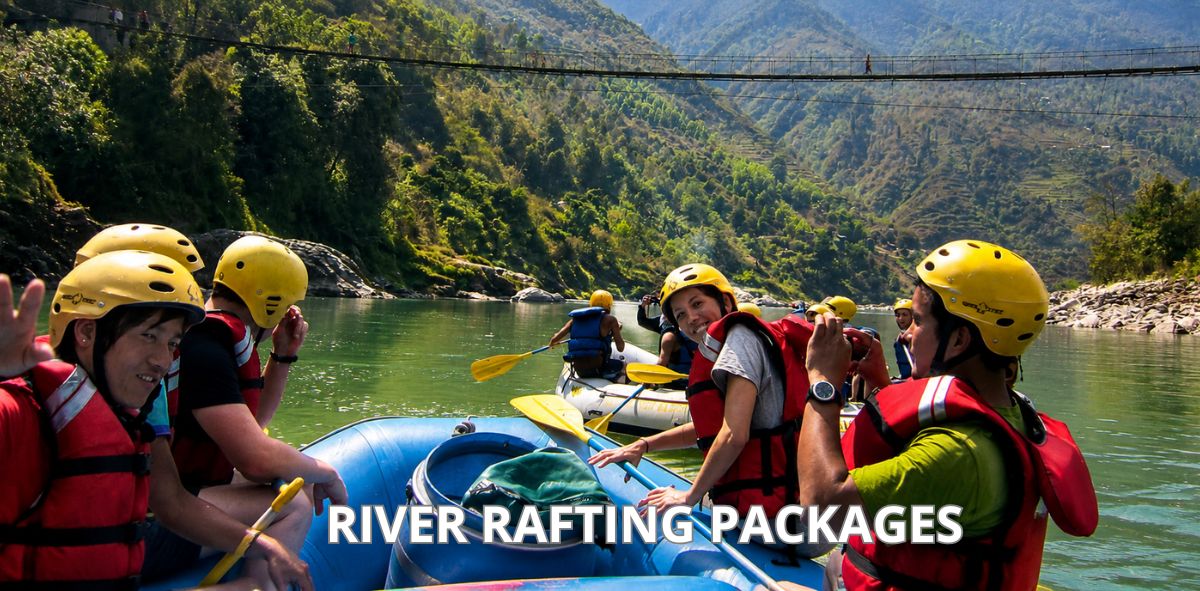

River Rafting Packages In Nepal
River rafting packages in Nepal take you off the trekking trail, onto some of the best white water rivers in the world, dropping straight from Himalayan glacier. Down through steep gorge, all the way to warm flat water of the Terai. It’s different kind of trip than trekking, less about altitude, more about paddling hard and trusting your guide when the water get rough.
2 Days Trishuli River Rafting
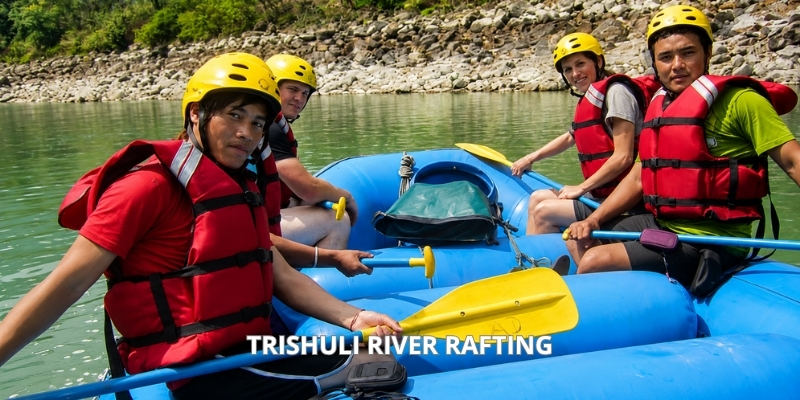
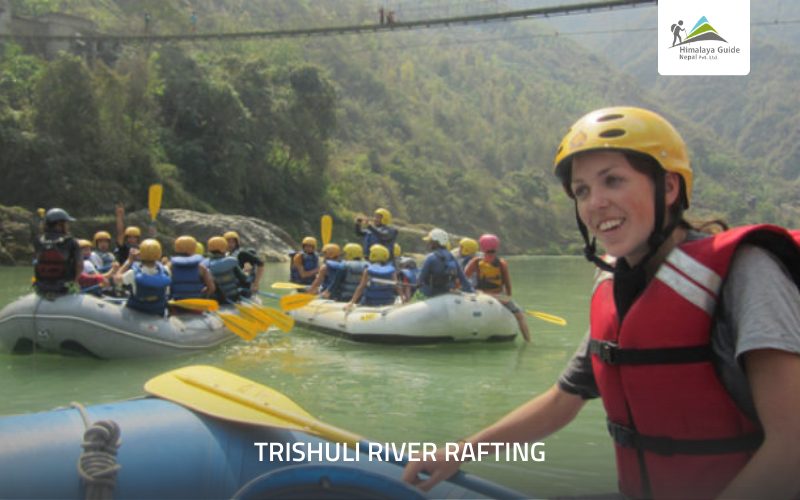
Trishuli River is Nepal’s most popular and historically first rafting river, a Grade 3+ run starting at Charaudi, roughly 3 to 3.5 hour from Kathmandu on road toward Pokhara or Chitwan. Rapids like Twin Rock, Upset, Surprise, S-Bend, and Pin Ball keep the two-day Trishuli River Rafting trip lively without tipping into expert-only territory, and route’s easy access make it natural add-on for anyone already heading toward Pokhara or Chitwan.
2 Days Bhote Koshi River Rafting
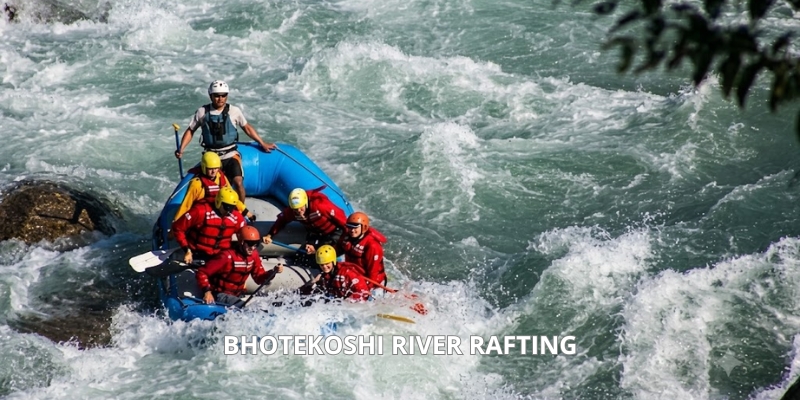
Bhote Koshi River is Nepal’s steepest commercially rafted river, genuinely demanding Grade 4-5 run dropping through narrow gorge near Tibetan border. A two-day Bhotekoshi River Rafting trip run from Khadichaur to Baseri on day one, then Baseri to Lamosangu Dam on day two, tackling rapid with names like Frog on the Blender and Midnight Express along the way. This is also where Nepal’s original bungee jump site sit, at The Last Resort, which make combining the two activity genuinely popular option for anyone already making the trip out from Kathmandu.
Why Nepal’s Rivers Are Ranked Among The World’s Best For Rafting
Nepal’s rivers drop from Himalayan glacier at over 8,000 metres down to flat Terai plain in remarkably short horizontal distance, which is exactly what generate such consistently powerful whitewater. Rafting in Nepal began in 1976, when an American named Al Read ran the Trishuli with small group on 5-metre raft, and country now count around sixteen commercially run rivers spread across its three major river system, the Koshi in east, Gandaki in middle, and Karnali in west. Warm water, long rafting season, and everything from gentle one-day float to eleven-day wilderness expedition all in one country, that’s rare combination anywhere in the world.
River Rafting Grades Explained (Grade 1 To Grade 6)
River grade describe difficulty on internationally recognized scale, and Nepal’s rivers span nearly the entire range.
- Grade 1-2, Easy: flatwater or gentle current with mild wave, suitable for complete beginner
- Grade 3, Moderate: stronger wave, swifter current, narrower channel, need active paddling but manageable for reasonably fit first-timer
- Grade 4-5, Difficult: powerful water, constricted channel, steep drop, and real chance of raft overturning, demand both physical strength and prior rafting experience
- Grade 6, Extreme: close to unrunnable, unpredictable current and dangerous drop, generally not commercially rafted at all
Trishuli sit comfortably at Grade 3+, approachable for first-time rafter with reasonable fitness level. Bhote Koshi run Grade 4-5, closer to Grade V end in its harder rapid, and suit rafter who either have prior experience or are comfortable with genuinely intense introduction to the sport.
Popular Rafting Rivers In Nepal
Beyond Trishuli and Bhote Koshi, several other river come up constantly in any serious look at rafting in Nepal, even though we don’t currently run dedicated package on them.
| River | Grade | Typical Duration | Known For |
|---|---|---|---|
| Trishuli | 3+ | 1-3 Days | Nepal’s most accessible and popular rafting river |
| Bhote Koshi | 4-5 | 1-2 Days | Nepal’s steepest commercially rafted river |
| Seti | 2-3 | 2 Days | Gentle, scenic, beginner-friendly |
| Kali Gandaki | 3-4 | 3-5 Days | Flows through one of the world’s deepest gorges |
| Marsyangdi | 4 | 4-6 Days | Technical, continuous rapids, strong current |
| Sun Koshi | 3-4 (5 in places) | 7-9 Days | Known as the “River of Gold,” 270km, remote villages |
| Karnali | 3-5 | 10-11 Days | Nepal’s longest river, wild and remote in the far west |
| Tamur | 4-5 | 10-11 Days | Often combined with a trek in eastern Nepal |
If you’re interested in one of the longer expedition river, worth asking us direct, since custom multi-day trip can sometime be arranged even outside our standard two package offering.
Best Time For River Rafting In Nepal
September through November and March through May are the two strongest window, both offering mild weather and good water level without the extreme of monsoon or deep winter. Autumn in particular follow the monsoon, so river run high and fast with excellent visibility. Spring bring warmer air temperature and still-strong water level from melting snow upstream. Winter, December through February, is technically raftable on lower-grade river like Trishuli, but cold water and cold morning make it less comfortable choice. Monsoon season, June through August, is best avoided entirely, since river level rise unpredictably and safety margin shrink on every graded river in the country.
What To Pack For A Nepal Rafting Trip
Packing change depend on season and trip length. For autumn or spring day trip, bring t-shirt, shorts or light cotton trousers, secure water shoes or sneakers, swimsuit, sun hat, and sunglasses with strap, plus full change of dry clothes and shoes for the drive back to Kathmandu. Add extra t-shirt, shorts, spare pair of dry shoes, and light wool sweater if your trip run two days or more.
Winter trip need warmer layer throughout: warm shirt, windproof jacket and trousers, and same secure footwear, with heavier layer, wool sweater, and spare dry shoes added for multi-day winter trip. Across any season, it’s worth bringing reading material for camp evening, any personal medication, camera or phone in waterproof case, binoculars, spare battery, memory card, small pocket knife, and flashlight or headlamp.


