The Gen Z movement, Nepal stabilized, and life returned to normal. All safe for your Travel in Nepal 2025.
Everest Base Camp Trek
Country
Nepal
Difficulty
Moderate
Best Season
Sep-Nov/March-May
Accommodation
Lodge
Region
Everest Trekking
Start / End Point
Lukla - Lukla
Max. Altitude
5,364
Group Size
2
Meals Included
B+L+D
Acclimatization
Namche Bazaar and Dingboche
Permits
National Park and Local Gov Fees
Recommended For
Suitable for beginners
Duration
13 Days
Activity
Nepal Trekking
Nature Of Trek
light
Activity Per Day
4-6
Transportation
Flight and Public Transport
Distance
Everest Base Camp Trek Brief
The Everest Base Camp trek is one of the most popular treks in Nepal. The trek is more frequently visited than other popular treks, such as the Annapurna Base Camp Trek or the Langtang Valley Trek, which are also well-known among trekkers worldwide. The trek is on the bucket list for many trekkers to reach the base of the world’s highest peak, Mount Everest. The amazing trek to Everest Base Camp (EBC) begins with a thrilling flight from Kathmandu to Lukla, where the paths twist and turn through beautiful Sherpa villages, high rhododendron forests, and alongside the Dudh Koshi River, offering glimpses of the local culture and the strong presence of the local people.
As the altitude gradually increases from Lukla, you will pass through Namche, Tengboche, and Dingboche. During this trek, trekkers need to acclimatize to the conditions of the Khumbu region. During these treks, trekkers will enjoy stunning views of mountains such as Everest, Ama Dablam, Nuptse, Lhotse, and Cho Oyu. The final section of your walk takes you to Gorak Shep, the last place before you reach Everest Base Camp, at an altitude of 5,364 meters. From Gorak Shep, you will walk to the highest point of the trek, at 5,644 metres, Kala Patthar. This is a rewarding trek, one that provides an immense sense of accomplishment and offers wonderful views of Mount Everest and the Khumbu Icefall up close, which will stay with you forever.
Everest Base Camp Trek Highlights
- Get closer to the highest mountain in the world Mt Everest.
- Board the Kathmandu Lukla flight to experience one of the best bird’s eye views of the Khumbu mountains.
- Get to experience the iconic Khumbu glacier and icefalls.
- Visit some of the popular Sherpa villages in Nepal, including Phakding, Namche, Tengboche, and Dingboche.
- Learn about Sherpa culture and traditions in the Sherpa Museum and Tengboche Monastery.
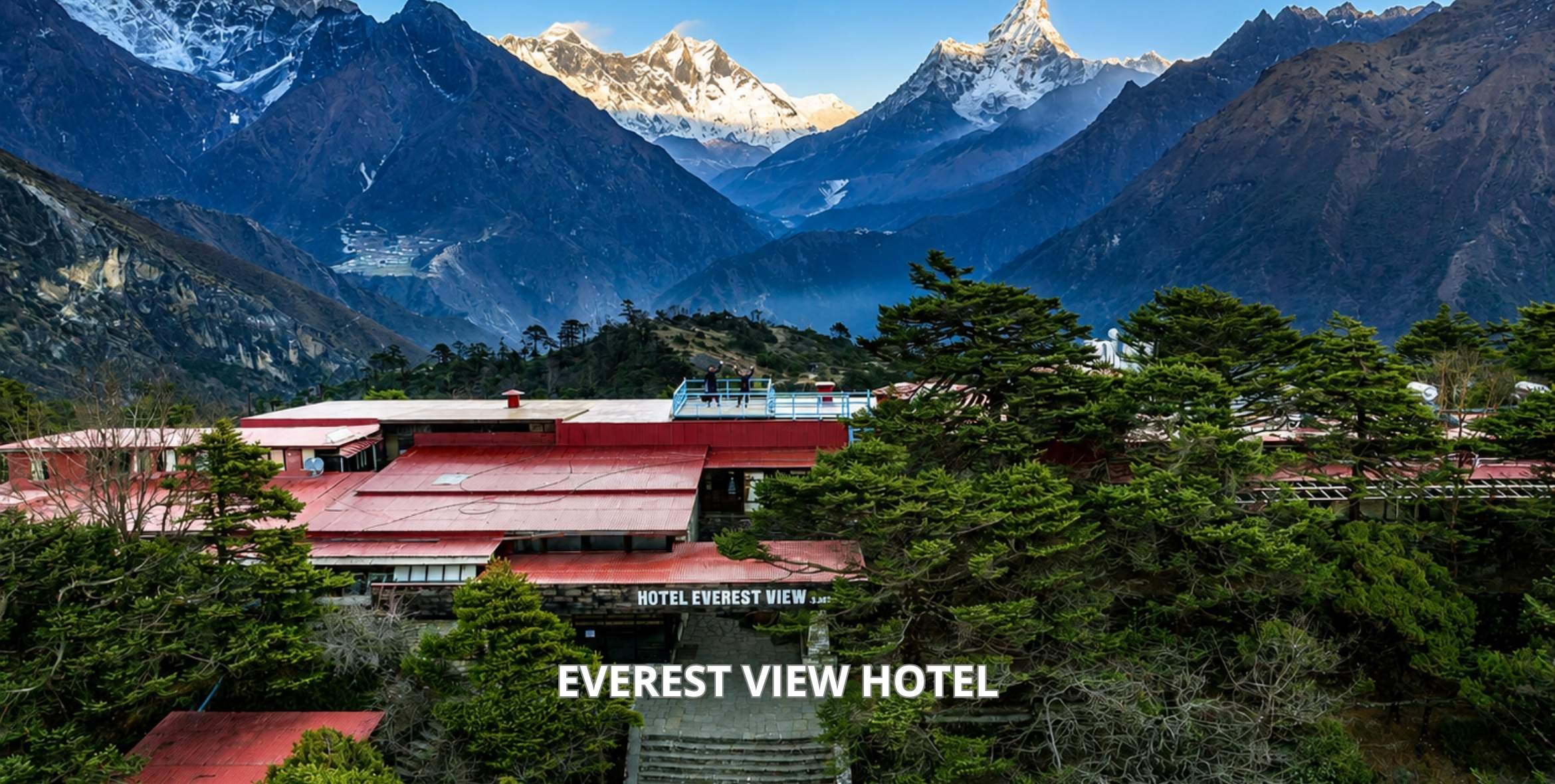
- Spend your acclimatization day by visiting Hotel Everest View and the Khumbu region.
- Visit Sagarmatha National Park and get the chance to see endangered species of plants and animals.
- Get stunning views of the mountains in the Everest region like Everest, Pumori, Thamerku, and Cho-Oyu.
Everest Base Camp Trek Outline Itinerary
| Route | End Elevation | Elevation Gain/Loss | Duration | Distance |
|---|---|---|---|---|
| Day 01 Arrival at Tribhuvan International Airport, Kathmandu (1,350 m) | ||||
| Day 02 Fly from Kathmandu (1,350 m) to Lukla (2,800 m), then trek to Phakding (2,652 m) via Chheplung. | -148 m (2,800 m to 2,652 m) | 3-4 hours | 7.5 to 8 km | |
| Day 03 Trek from Phakding (2,652 m) to Namche Bazaar (3,440 m) via Monjo and Jorsalle. | +788 m | Approximately 5-7 hours | Approximately 10-11 km | |
| Day 04 Acclimatization Day in Namche Bazaar (3,440 m) — side trip to Everest View Hotel | if trekkers trek to the Everest View Hotel | 3-5 hours | 5 to 6 km | |
| Day 05 Trek from Namche Bazaar (3,440 m) to Tengboche (3,867 m) via Phunke Tenga | Approximately +630 m (3,867 m - 3,250 m + some gains along the way) | 5 - 6 hours (estimated) | Approximately 10 km (estimated) | |
| Day 06 Trek from Tengboche (3,867 m) to Dingboche (4,360 m) via Somare | Approximately 190 m (3,440 m - 3,250 m) | 5 - 6 hours (estimated) | Approximately 10-11 km (estimated) | |
| Day 07 Acclimatization Day in Dingboche (4,360 m) — optional hike to Chukkhung | Approximately +640 m | 4 to 5 hours | 5 to 6 km | |
| Day 08 Trek from Dingboche (4,360 m) to Lobuche (4,910 m) via Dughla | Approximately -47 m (3,867 m - 3,820 m) | 5-6 hours (as mentioned in the text) | Approximately 8 km (as mentioned in the text) | |
| Day 09 Trek to Everest Base Camp and return to Gorak Shep (5,140 m) | Nagarjun Viewpoint +740m | 2-3 hours | 3-4 km | |
| Day 10 Early morning hike to Kala Patthar (5,555 m) and descend to Pheriche (4,240 m) | Approximately +550 meters (4,910 m - 4,360 m) | 7 - 9 hours | Approximately 12 - 15 km | |
| Day 11 Trek from Pheriche (4,240 m) to Namche Bazaar (3,440 m) via Pangboche, Debuche, and Tengboche | Minimal elevation loss | 6 hours | 15 km | |
| Day 12 Trek from Namche Bazaar (3,440 m) to Lukla (2,800 m) via Monjo and Phakding | Approximately +150-200m. Trek to EBC | 6-8 hours | 15 to 18 km | |
| Day 13 Fly from Lukla (2,800 m) to Kathmandu (1,350 m) | Approximately -150-200m. Trek from EBC to Gorak Shep |
13 Days Everest Base Camp Trek Itinerary
Arrival at Tribhuvan International Airport, Kathmandu (1,350 m)
Drive Distance
~6 km
Drive Duration
~0.5 hrs
Place
Kathmandu
Welcome to the Himalayas, Nepal! We pick you up from Tribhuvan International Airport and drop you at the hotel where you have booked. After resting for some hours, we come here to brief you about our Everest Base Camp Trek.
Fly from Kathmandu (1,350 m) to Lukla (2,800 m), then trek to Phakding (2,652 m) via Chheplung.
Trek Distance
7.5 to 8 km
Trek Duration
3-4 hours
Highest Altitude
-148 m (2,800 m to 2,652 m)
Place
Phakding
Meals
B+L+D
Accommodation
Khumbu Travelers Guest House or Same Category
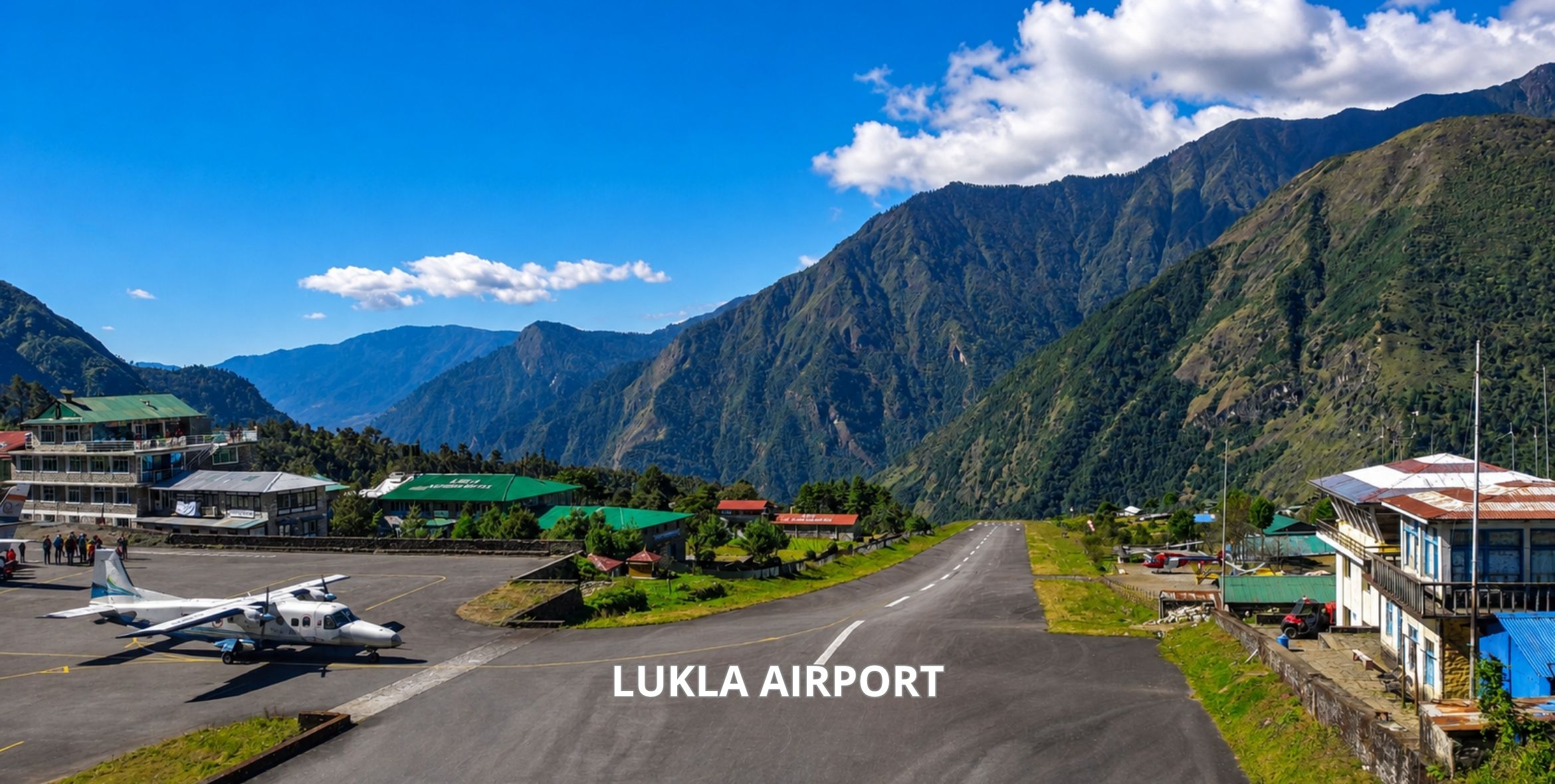
We fly for thirty minutes to Lukla, located at 2,800 meters. As soon as we land, we sort out our kit to facilitate the porter’s carrying of our luggage. Much of the trek involves stunning views of the surrounding mountains and lush countryside. As we trek, we might also meet local villagers and yaks, which really adds to the character of the place. At Phakding, we arrive at our lodge where we enjoy a warm meal and have the chance to share stories about our trek. We speculate about what the next few days will bring. The crispness in the night air and the sound of the nearby river add a wonderful atmosphere to our first mountain night. We start walking in the Khumbu valley and trek for three to four hours to Phakding, where we spend the night at a lodge.
Trek from Phakding (2,652 m) to Namche Bazaar (3,440 m) via Monjo and Jorsalle.
Trek Distance
Approximately 10-11 km
Trek Duration
Approximately 5-7 hours
Highest Altitude
+788 m
Place
Namche Bazaar
Meals
B+L+D
Accommodation
Hotel 8848/Hotel Kamal
After breakfast, we begin walking and continue uphill along the bank of the Dudh Kosi, crossing this majestic river on exciting suspension bridges laden with prayer flags, and reaching the village of Monju, the entrance gate to the Sagarmatha National Park. When entering the National Park boundary, we walk down a gradual path that leads us to the suspension bridge over the Bhote Koshi River, which spans the route to Jorsalle village. After Jorsalle, the trail again crosses the Bhote Koshi, and it climbs steeply with breathtaking views to the last village, Namche Bazaar, where we can also see Mt. Everest. Namche is a prosperous trading town and gateway to the Khumbu region.
Acclimatization Day in Namche Bazaar (3,440 m) — side trip to Everest View Hotel
Trek Distance
5 to 6 km
Trek Duration
3-5 hours
Flight Hours
Hotel 8848/Hotel Kamal
Highest Altitude
if trekkers trek to the Everest View Hotel
Place
Namche Bazaar
Meals
B+L+D
Accommodation
Lodge
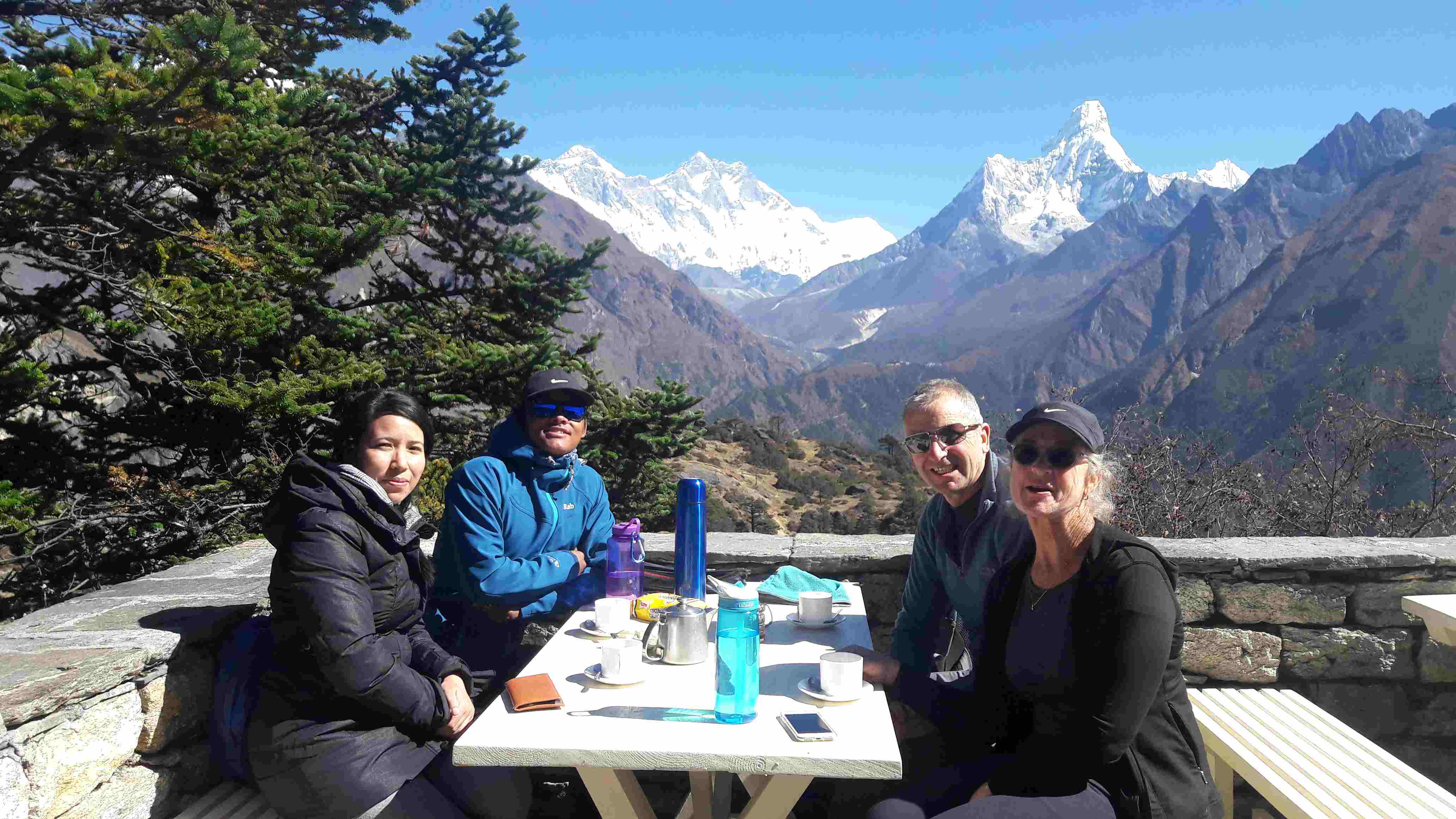
Namche Bazaar (3440m) is the unofficial capital of the Khumbu region in Nepal; Namche Bazaar is often used as an acclimatization point for trekkers heading to Everest Base Camp. Secondly, it is a great acclimatization town where you can acclimatize and experience something a little different, like the side hike to the Everest View Point Hotel to see some great views of Mt. Everest, Ama Dablam, and other peaks. Namche Bazaar has everything, from ATMs and trekking shops to internet cafes, restaurants, bakeries, a vibrant market on Fridays and Saturdays, and much more. You may also wish to visit the Sherpa Museum to learn about Sherpa culture and climbing before overnighting in Namche Bazaar.
Trek from Namche Bazaar (3,440 m) to Tengboche (3,867 m) via Phunke Tenga
Trek Distance
Approximately 10 km (estimated)
Trek Duration
5 - 6 hours (estimated)
Drive Duration
Tengboche
Highest Altitude
Approximately +630 m (3,867 m - 3,250 m + some gains along the way)
Place
Tengboche
Meals
B+L+D
Accommodation
Lodge
The Everest Base Camp Trek offers a pleasant walk through pine and rhododendron forests, leading to breathtaking views of Mt. Everest (8848 m), Lhotse (8516 m), and other majestic peaks. The trail features some ups and downs, offering opportunities to spot wildlife such as pheasants and musk deer. After descending to Kayangjuma, we reach Sansa, a junction for Gokyo Valley and Everest Base Camp. The trail continues through pine forests, crossing a prayer flag bridge over the Dudh Koshi River to Phunki Tanga for lunch. Post-lunch, we climb to the Tengboche Monastery, where we can participate in prayer time before staying overnight at the lodge.
Trek from Tengboche (3,867 m) to Dingboche (4,360 m) via Somare
Trek Distance
Approximately 10-11 km (estimated)
Trek Duration
5 - 6 hours (estimated)
Highest Altitude
Approximately 190 m (3,440 m - 3,250 m)
Place
Dingboche
Meals
B+L+D
Accommodation
Hotel Good luck
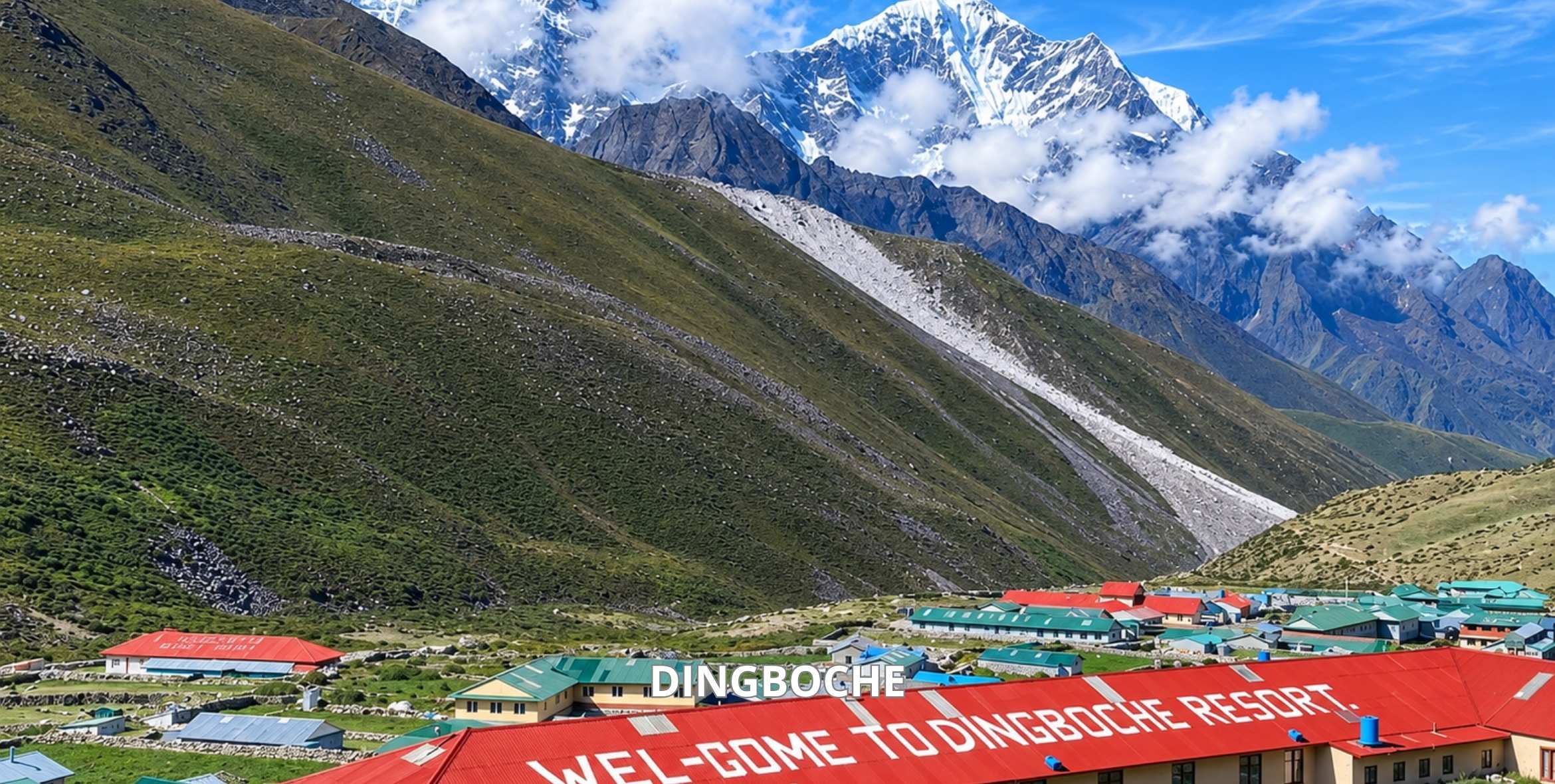
The trail descends to Debuche, winding through the Rhododendron Forest, crosses another exciting suspension bridge over the Imja Khola, and climbs up to Pangboche, featuring thousands of Chortens with stone carvings. Our uphill trek continues, taking us to the traditional Sherpa village of Dingboche with its fantastic views of Lhotse, Island Peak, and Ama Dablam. Dingboche is also the gateway to Chhukung and beyond, for the most challenging traverses towards the Makalu area and Hinko Valley via the Sherpani Col (6,100m) and Amphu Laptsa Pass (5,780m), with an overnight stay at a lodge.
Acclimatization Day in Dingboche (4,360 m) — optional hike to Chukkhung
Trek Distance
5 to 6 km
Trek Duration
4 to 5 hours
Highest Altitude
Approximately +640 m
Place
Dingboche
Meals
B+L+D
Accommodation
Hotel Good luck
On the seventh day of the EBC trek, trekkers will rest in Dingboche to prevent altitude sickness. You can spend the day relaxing, or you can hike to Chhukung, situated at 4,730 meters above sea level. This hike takes about 3-4 hours along the Imjatse Valley. In Chhukung, you can have lunch at one of the tea houses. You can also hike to the Nagarjun viewpoint for a stunning view of numerous high mountains, including Mt. Makalu (8,485 meters), Ama Dablam (6,856 meters), Island Peak (6,189 meters), Tawache (6,367 meters), Cholatse (6,345 meters), and other peaks. After enjoying the views, you can stroll back to Dingboche.
Trek from Dingboche (4,360 m) to Lobuche (4,910 m) via Dughla
Trek Distance
Approximately 8 km (as mentioned in the text)
Trek Duration
5-6 hours (as mentioned in the text)
Highest Altitude
Approximately -47 m (3,867 m - 3,820 m)
Place
Lobuche
Meals
B+L+D
Accommodation
Oxygen Altitude restaurant & Home
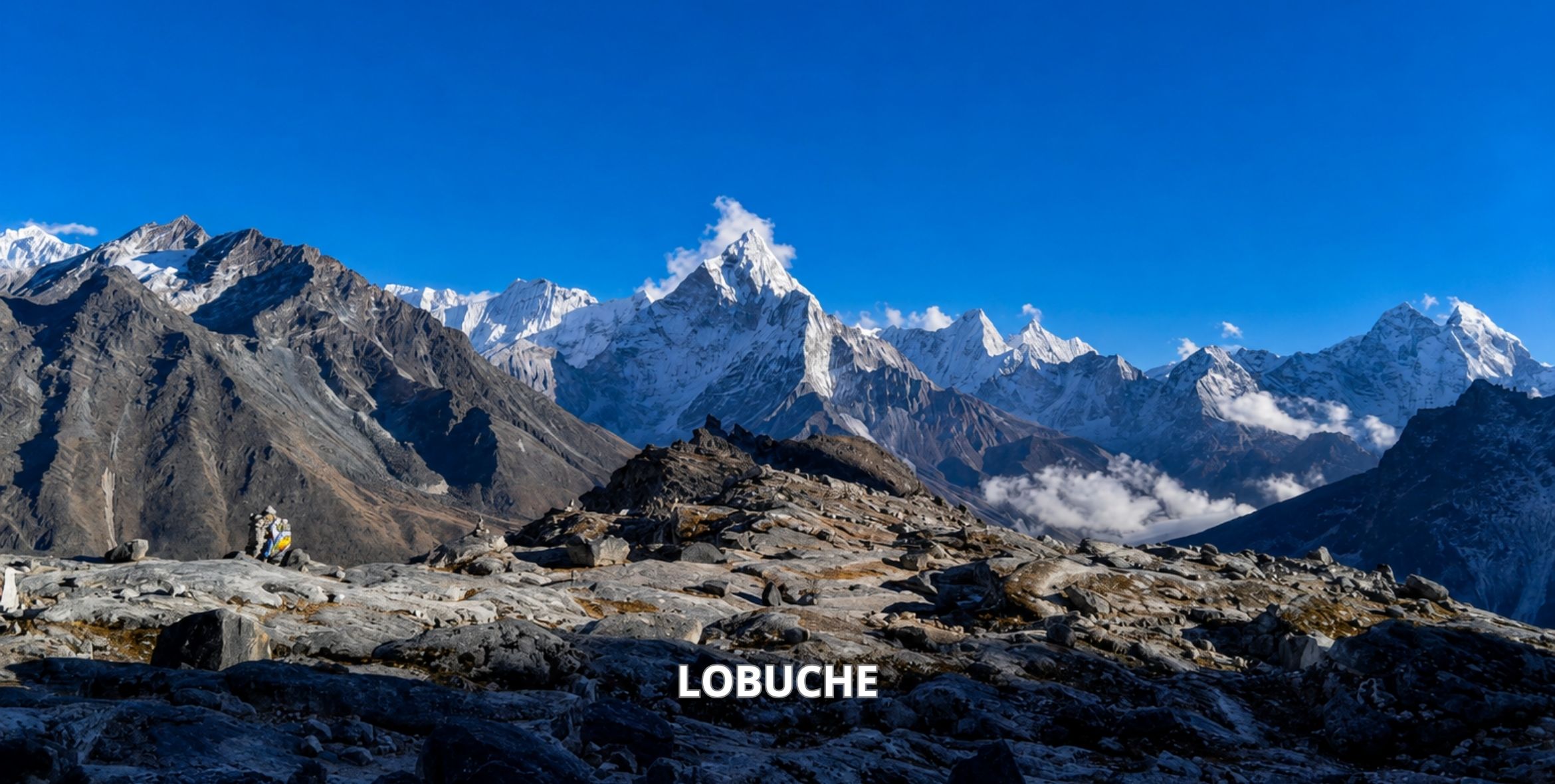
The trek from Dingboche (4,360 m) to Lobuche (4,910 m) via Dughla (4,620 m) is a challenging but rewarding day, typically taking around 5-6 hours and covering approximately 8 kilometers with a significant altitude gain of about 550 meters. The initial part of the trail offers relatively gentle uphill walking, passing through yak pastures with Ama Dablam providing a stunning backdrop. After a few hours, you’ll reach Dughla for a rest before embarking on a steep ascent to Dughla Pass (also known as Thukla Pass), a poignant site marked by memorials to climbers who have perished on Everest. Continuing from the pass, the trail gradually eases as you follow the lateral moraine of the Khumbu Glacier, with views of the Khumbu Icefall in the distance, before arriving at the small village of Lobuche nestled at the foot of Lobuche Peak.
Trek to Everest Base Camp and return to Gorak Shep (5,140 m)
Trek Distance
3-4 km
Trek Duration
2-3 hours
Highest Altitude
Nagarjun Viewpoint +740m
Place
Gorak Shep
Meals
B+L+D
Accommodation
Buddha Lodge or Same category
Day nine is a special day because you will walk to Everest Base Camp. This is the ultimate destination for many trekkers. After breakfast at Lobuche, you’ll make your way to Lobuche Gorakshep, a 3-4 hour journey. After getting to Gorakshep, you can rest and have your lunch before heading to Everest Base Camp. Leaving your backpack at Gorakshep’s lodging point, you’ll continue your walk towards your day’s destination.
The trek from Gorak Shep to Everest Base Camp takes you over rocky terrain and through glacial moraine, with stunning views of Khumbu Icefall and Himalayan peaks. Everest will be hidden from your sight. However, you will take in the atmosphere and capture great pictures at Base Camp. Eventually, you will return to Gorak Shep and have dinner, feeling satisfied with yourself after a long day of trekking and the achievement of returning to Base Camp.
Early morning hike to Kala Patthar (5,555 m) and descend to Pheriche (4,240 m)
Trek Distance
Approximately 12 - 15 km
Trek Duration
7 - 9 hours
Highest Altitude
Approximately +550 meters (4,910 m - 4,360 m)
Place
Pheriche
Meals
B+L+D
Accommodation
Everest Trekkers Home
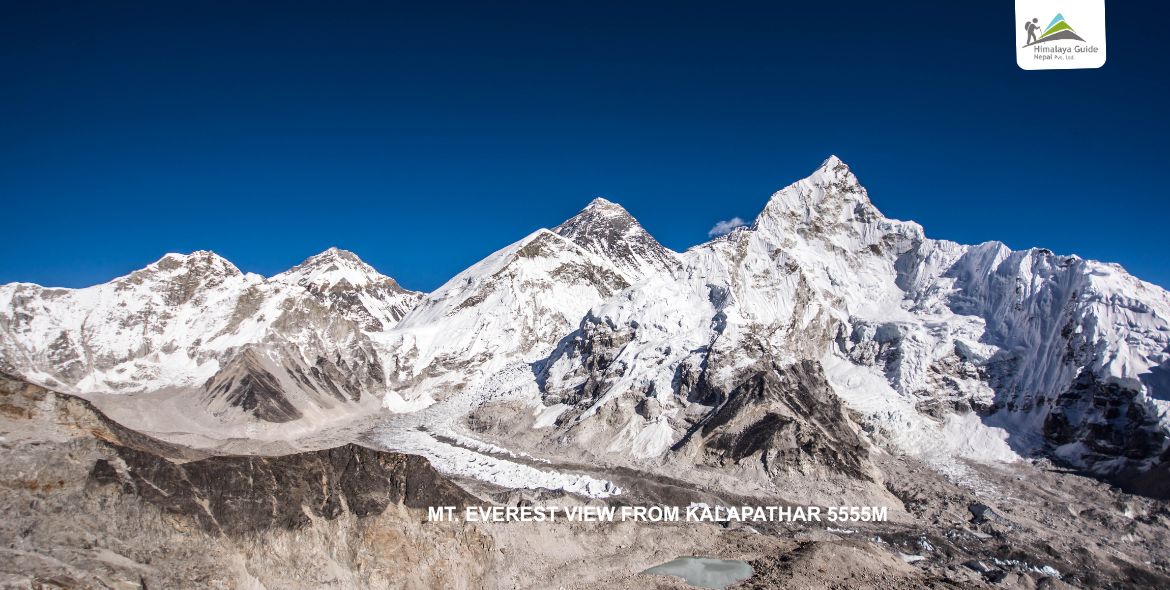
We will start our day with an early morning hike to Kala Patthar. This will provide us with great views of Everest and the surrounding peaks. We will leave at dawn to see the first light on Mt. Everest. Be prepared for cold weather; temperatures will range from -5°C to 10°C. From Gorekshep, it takes 2-3 hours to hike to the top of Kala Patthar. You will see familiar peaks, such as Lingtren, Khumbutse, and Changtse, to the east. Everest will stand out proudly between its western shoulder and Nuptse. Once we reach the top, we will take plenty of pictures before heading back to Gorekshep for breakfast. After we eat, we will start our return trek to Pheriche, passing through Lobuche and Thugla.
Trek from Pheriche (4,240 m) to Namche Bazaar (3,440 m) via Pangboche, Debuche, and Tengboche
Trek Distance
15 km
Trek Duration
6 hours
Highest Altitude
Minimal elevation loss
Place
Namche Bazaar
Meals
B+L+D
Accommodation
Hotel 8848/Hotel Kamal
Day 11 of your trek involves a significant descent from the higher altitude of Pheriche (4,371 m) to the bustling Sherpa capital of Namche Bazaar (3,440 m). This approximately 15 km journey, typically taking around 6 hours, involves passing through several charming villages. You’ll first reach Pangboche (3,985 m), known for its ancient monastery and stunning views of Ama Dablam. The trail then descends further to Debuche (3,820 m), offering a quieter atmosphere and beautiful rhododendron forests. A final ascent leads you to Tengboche (3,860 m), home to the most important Buddhist monastery in the Khumbu region, with panoramic mountain vistas, before the final downhill trek to the vibrant hub of Namche Bazaar.
Trek from Namche Bazaar (3,440 m) to Lukla (2,800 m) via Monjo and Phakding
Trek Distance
15 to 18 km
Trek Duration
6-8 hours
Highest Altitude
Approximately +150-200m. Trek to EBC
Meals
B+L+D
Accommodation
Comfort Inn, Lukla
This is the last day of trekking back to Lukla, along everything all of us have come to recognize as the Dudh Kosi River. We will go steeply down from Namche for a few hours and then gradually walk along the river. We will stop along the way for lunch and then make our final ascent to the Lukla airstrip. After we arrive, we will have a chance to be together at leisure in the sunshine, reflecting on the experience we have shared hiking and camping through colossal mountains – experiences that may have also helped you discover a little bit more each of us as individuals This is it, this is the last day before we leave the mountains (other than maybe crossing a few passes while in Sikkim!). Later, we will all celebrate our successful trek together with our Sherpa guides and Nepali support crew.
Fly from Lukla (2,800 m) to Kathmandu (1,350 m)
Highest Altitude
Approximately -150-200m. Trek from EBC to Gorak Shep
Place
Kathmandu
Meals
B
Accommodation
Guest own
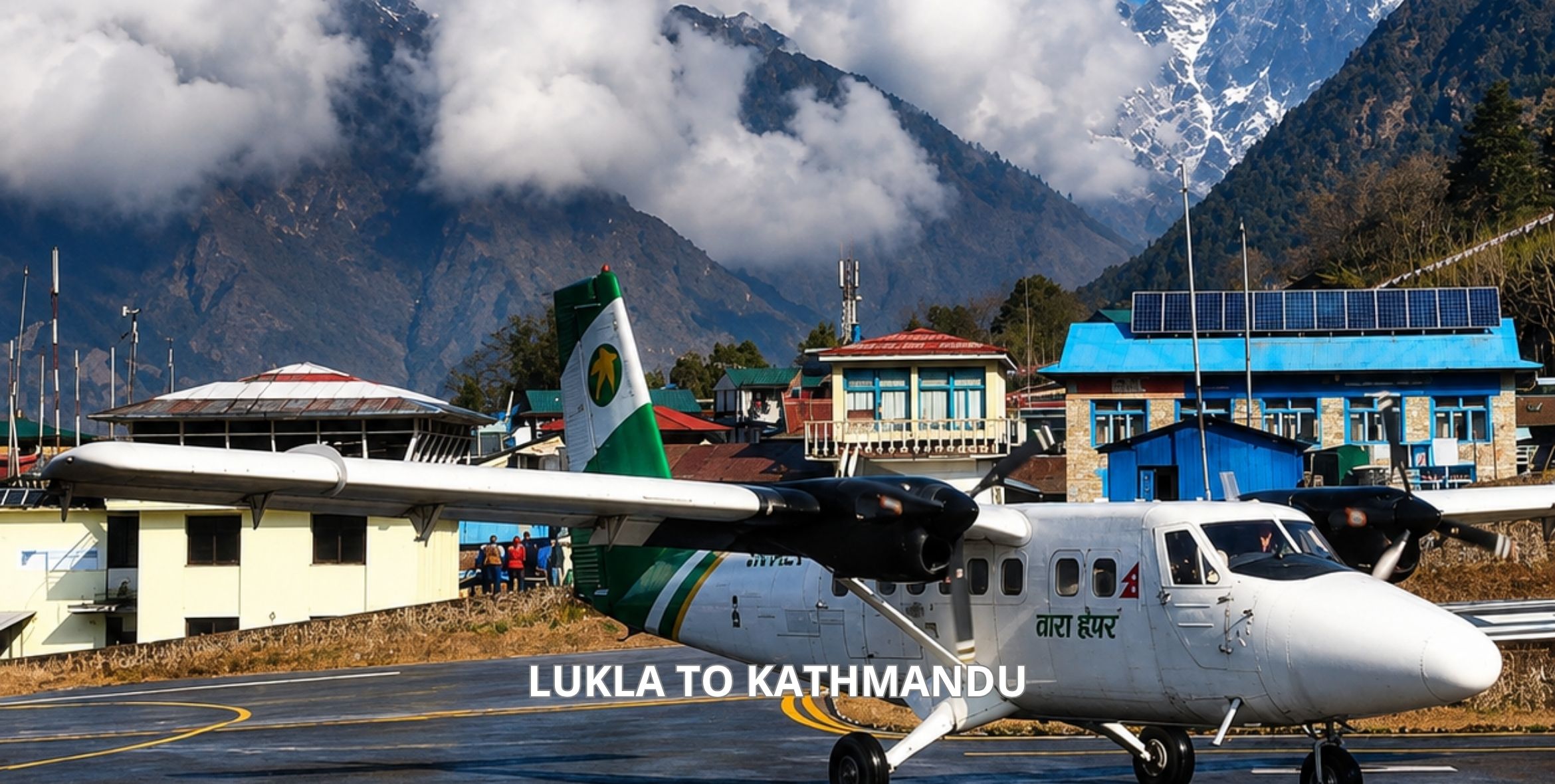
On day twelve, you will board a flight from Lukla’s mountain airstrip back to Kathmandu. After days of trekking tough trails and enjoying stunning views of the Himalayas, this flight provides a quick and comfortable return to city life. As the plane flies over the valleys and ridges you just trekked, you will reflect on your amazing journey and the memories of reaching the Everest Base Camp.
Inclusion/Exclusion in Everest Base Camp Trek
Cost Includes
- International airport pick-up and drop-off service
- 2 nights’ standard accommodation in Kathmandu on a BB plan in twin sharing basis.
- Hotel to Airport by taxi.
- Kathmandu to Lukla to Kathmandu by Flight (High season flight from Manthali to Lukla).
- Both ways, Airport Tax.
- Three meals a day (Breakfast, Lunch, and Dinner along the trek).
- Lodge accommodation on the way (a simple one).
- License holder guide (Including his salary, equipment, flight fare, insurance, Lodging, and Food)
- Equipment: Down Jacket, Sleeping Bags.
- Legal documents (National Park permit and Local Government Fees).
- All Gov Taxes.
- Trekking and city map.
- Duffle bag if needed.
- First aid medical box.
- Some fresh and dry fruits along the trek.
- A token of love from the company.
- Farewell lunch or dinner.
Cost Excludes
- Extra night accommodation and food in Kathmandu.
- Travel insurance is required for the trek and travel period.
- Porters
- Hot, Hard, and soft table drinks, such as Coke, Mineral Water, and beer.
- Personal expenses (laundry, bar bill, telephone, extra helper, battery charge for the shower, and boiled water).
- Guide tips.
Everest Base Camp Trek Map
Departure
13 Days
Trip Days
1 Dec, 2025
Start Monday
13 Dec, 2025
End Saturday
0
Pax Booked
20
Group Size
USD 1,125
Price
Booking Open
Status
Prefer a more personal journey? Our private packages offer flexible dates, custom itineraries, and dedicated support—perfect for those seeking a tailored travel experience.
Image Gallery
What to Pack for Everest Base Camp Trek?
Upper Body
- Full-sleeve trekking shirts
- Hardshell jacket with a hood
- Light down jacket
- Thermal or fleece base layer top
- Insulated Down Jacket (provided by us at request
- Short Sleeve Trekking shirts
- Soft-shell jacket/fleece jacket
- 2 Sports Bra
- 5 pairs of underwear
- Porter
Lower Body
- Hardshell pants (Non-insulated and waterproof)
- Warm trekking trousers
- Insulated down pants (optional)
- Thermal or fleece base layer bottom
- Trekking trousers/pants
Gears
- Thin Layer Clothes
- Large plastic bags
- Padlock (Optional)
- Camera with charger or spare batteries
- Sandals or sneakers
- Down Sleeping Bag
- Personal snacks and energy bars
- Trekking poles
- Laundry bag
- One-litre capacity water bottle
- Daypack 30-35 litres
- Waterproof Duffel bag
Tips for Packing for the EBC trek
- Pack clothing in layers (base, mid, and outer) to adapt to changing temperatures throughout the day.
- Ensure your hiking boots are well broken-in to prevent blisters, and bring extra socks.
- Include a down jacket, thermal underwear, a warm hat, and gloves for cold evenings and high altitudes.
- Be mindful of weight, as you’ll likely be carrying your own daypack. Only bring essentials.
- Pack high SPF sunscreen, sunglasses, and a wide-brimmed hat, even on cloudy days.
- Bring a reusable water bottle or hydration pack, and consider using water purification tablets or a filter for added convenience.
- Carry a basic first-aid kit with blister treatment, pain relievers, and any personal medications.
- A reliable headlamp with extra batteries is crucial for navigating teahouses at night and early morning starts.
- Pack high-energy snacks, such as nuts, energy bars, and dried fruit, to keep you going between meals.
- Use a sturdy duffel bag for your main luggage, as porters will be carrying it.
Everest Base Camp Trail
The Everest Base Camp trek commences with a thrilling flight to Lukla. From this point, the trek begins in the serene village of Phakding, where they spend the night. The subsequent day involves a trek to Namche, the bustling gateway to Everest. During the hike, trekkers often engage in conversations with the welcoming local people encountered along the trail. Notably, the Everest Base Camp route offers them exciting glimpses into the local culture.
Furthermore, a significant aspect of the Everest Base Camp Trek is reaching Base Camp itself. The elevation of Everest Base Camp is 5364 m (17598.43 ft), and it is encircled by numerous towering peaks within the majestic Himalayan ranges. Should the trip occur in the spring, visitors are likely to witness expeditions preparing for their ascent of Everest. Conversely, the trekkers’ own demanding climb to Kala Patthar at 5545m presents a substantial challenge.
Major Attractions of Everest Base Camp Trek
Everest View Hotel and Khumjung Village
One of the major attractions of the EBC Trek is the Everest View Hotel (3,880m), the world’s highest luxury hotel. The location, accessibility, and spectacular view of Mount Everest make it one of the significant attractions of the Everest Base Camp Trek. Along with a view of Mount Everest, the location offers a 360-degree panorama of other prominent peaks in the Khumbu region, including Lhotse, Nuptse, and Ama Dablam.
Located near the Everest View Hotel, Khumjung village is another major highlight of the trek to EBC. The village lies at an elevation of 3,780m and is easily accessible from Namche Bazaar. The traditional Sherpa village, Khumjung Monastery, and Khumjung Hillary School are the major attractions of the Khumjung Valley, drawing travelers from around the world. Additionally, the village also provides a mesmerizing view of Mount Everest.
Nangkar Tshang View Point
Nangkar Tshang View Point, at an elevation of 5,325m, is another attraction along the trek to Everest Base Camp. Trekkers typically visit the viewpoint on the acclimatization day in Dingboche. Hence, it is also known as Dingboche View Point. It takes 2-3 hours to ascend to the viewpoint from Dingboche. However, the hike is rewarding, offering an astonishing view of the mountain peaks and glaciers. The view of Mt. Makalu, Lhotse, Cho Oyu, Island Peak, Ama Dablam, Kangtega, Thamserku, Taboche, and Cholatse, as well as the Imja Glacier, is spectacular from the Nangkar Tshang viewpoint.
Chhukum Valley
Chhukum Valley(4,730), also spelled as Chukhung Valley, is another stunning location in the Everest region. Trekkers hike to the valley on the day of the Dingboche acclimatization day. But, some prefer the Nangkar Tshang viewpoint instead. Thus, whether to explore Chhukum and experience its beauty depends on the trekker’s preference. The valley rewards you with a view of Island Peak (also known as Imja Tse), Ama Dablam, and Lhotse.
Everest Base Camp
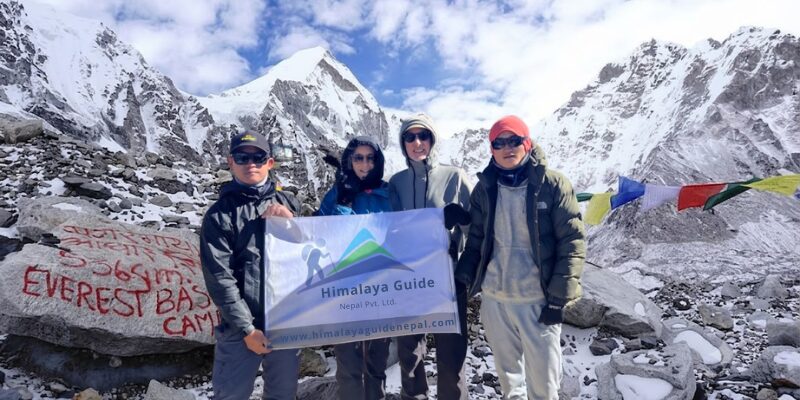
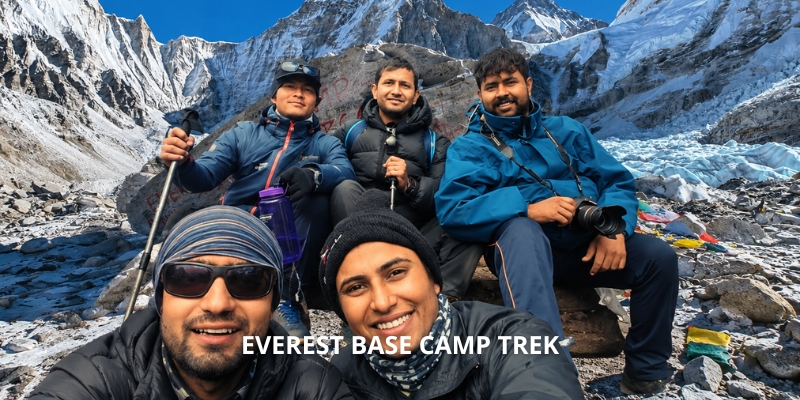
Undoubtedly, Everest Base Camp is the iconic and most significant attraction of the EBC Trek. At an impressive height of 5,364m, Everest Base Camp is a sought-after destination lying at the foot of the world’s highest peak, Mount Everest. Similarly, Mount Lhotse, Pumori, and the Khumbu Glacier surround the base camp, adding a visual feast for the eye.
Kalapatthar
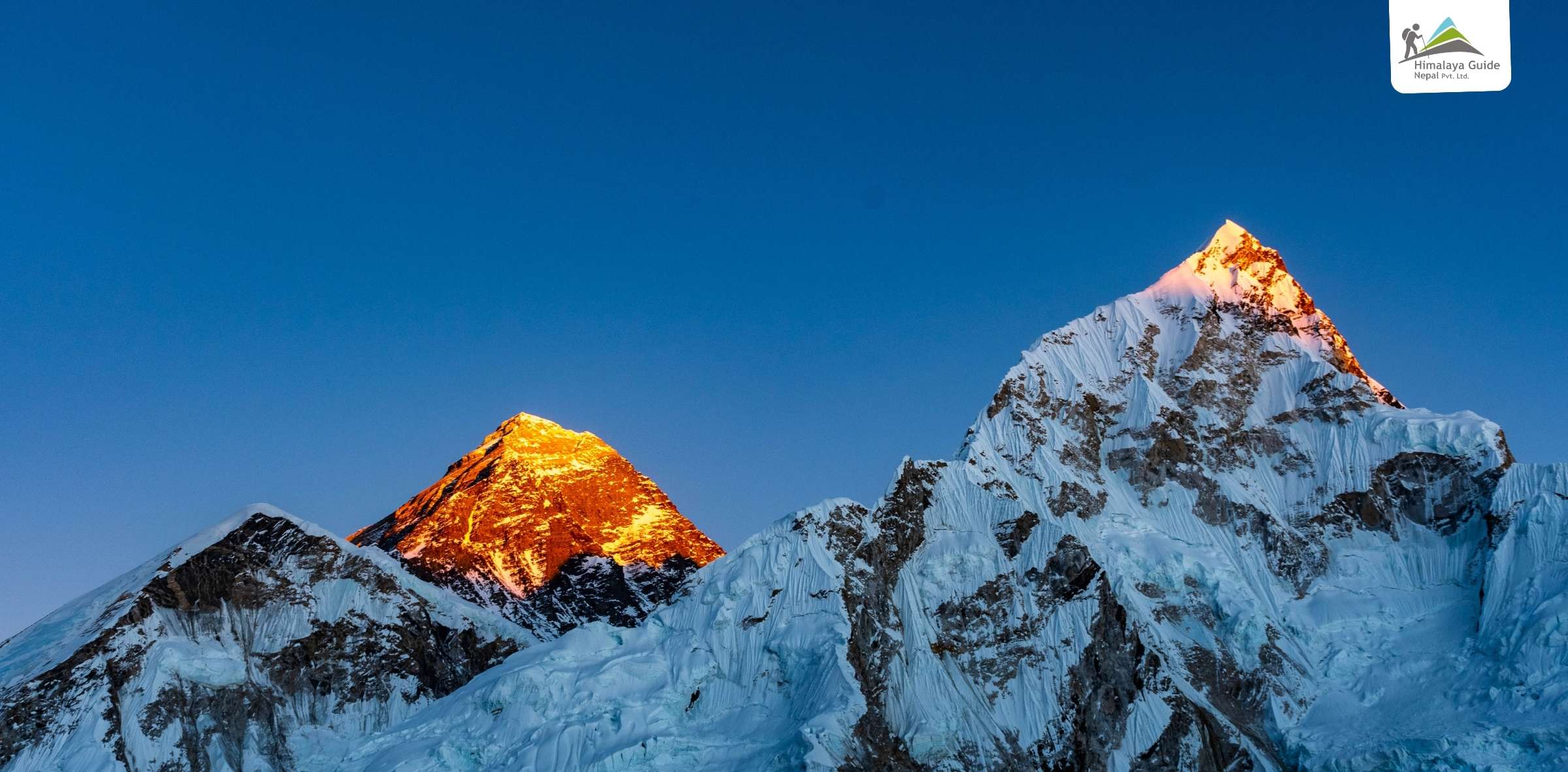
Kalapatthar is not only a major attraction but also the highest point of the Everest Base Camp trek. It is also a viewpoint lying at an elevation of 5,545m above sea level. The viewpoint is primarily famous for witnessing the sunrise over the majestic peak of Mount Everest. While the Everest Base Camp itself doesn’t provide a clear view of Mount Everest, Kalapatthar offers an unobstructed sight of the mountain, making it a prominent attraction of the trek.
Why is the Everest Base Camp Trek Suitable For You?
The Everest Base Camp Trek offers an experience like no other, combining physical challenges, cultural exploration, and views that cannot be surpassed in Asia, or anywhere on Earth, for that matter. The trek presents an opportunity for moderately fit, enthusiastic, and adventurous trekkers to immerse themselves in the experience afforded by the world’s highest mountain and the vibrant Sherpa culture. Here are five reasons why the Everest Base Camp Trek might be suitable for you:
Challenging but Rewarding
The EBC trek is difficult but does not entail technical mountaineering skills. People with good fitness and a willingness to hike six to eight hours each day can complete the daily distances. The benefits of the gradual ascent will help trekkers acclimatize. Provided they follow the plan, the likelihood of altitude sickness is decreased. This means the trek is accessible to many adventure seekers.
Unique Sherpa Culture
As you wander past the mountains, the trek offers a unique opportunity to explore the rich culture and traditions of the Sherpa people. You will walk through their villages, meet the local people, visit ancient monasteries, and explore a truly unique way of life that has adapted to the high altitudes. This adds an extra layer of depth to the trekking experience.
Well-developed Trek
The general trekking system in the Everest region is good. There are teahouses along the way that provide basic accommodation and meals. This allows for convenient trekking, as there is no need for camping, and it simplifies logistics overall. All of this makes it easier and more comfortable than treks in more remote regions.
Self Accomplishment
Arriving at Everest Base Camp, situated at an altitude of 5,364 meters (17,598 feet), is an achievement by itself. The level of physical and mental endurance required to complete the trek creates a profound sense of accomplishment and personal growth. This journey will undoubtedly stay with you for the rest of your life, both in memories and stories.
Mountainous Trek
The Everest Base Camp Trek is a once-in-a-lifetime adventure for all mountain lovers! The trek leads you to the base camp of the world’s highest mountain, Mount Everest (8,848m), with magnificent scenery and other gigantic Himalayan mountains in the background. There are numerous peaks along the way, and you’ll have the opportunity to see amazing peaks like Lhotse (8,516m), Nuptse (7,861m), Ama Dablam (6,812m), and Thamserku (6,623m), etc. Therefore, for mountain lovers around the world seeking an adventurous trekking itinerary, the EBC trek is an experience of a lifetime.
Major Checkpoints of Everest Base Camp Trek
The Everest Base Camp (EBC) trek is a challenging yet satisfying journey through the magnificent scenery of the Himalayas and Sherpa villages. During the trek, there will be many noteworthy stops to rest and acclimate yourself to the altitude. You will also have the opportunity to learn about the culture of the Khumbu. Each checkpoint indicates how far you have trekked and offers its own scenic views and diverse experiences.
Here are five major checkpoints you’ll encounter on the classic Everest Base Camp trek:
Lukla (2,860m / 9,383 ft):
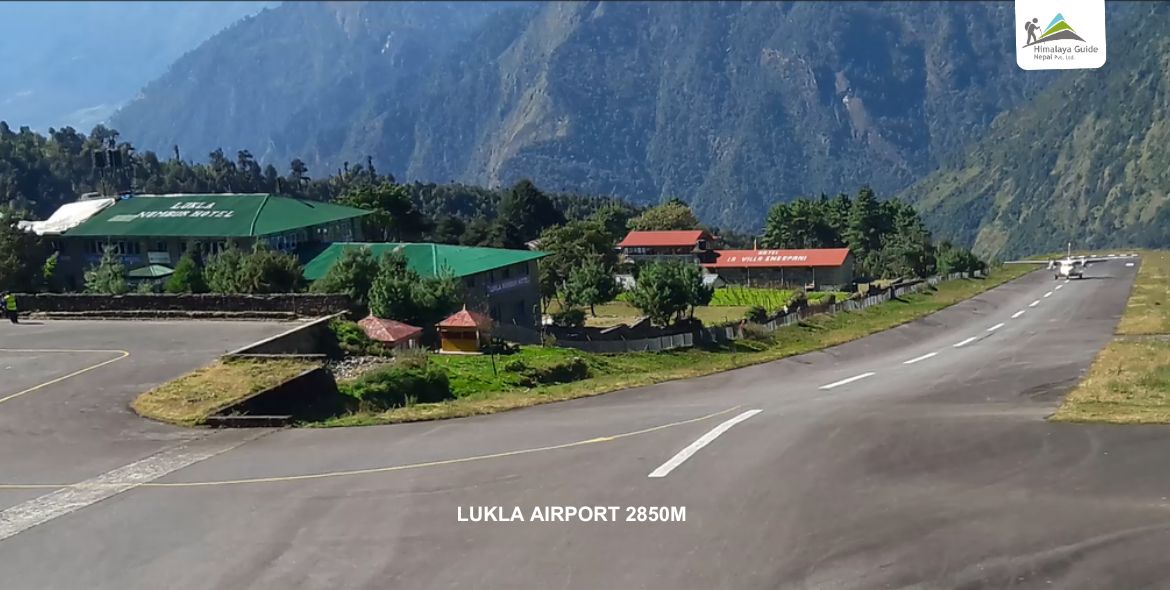
Often referred to as the gateway to the Everest region, Lukla is where your trek officially begins (or ends, depending on your itinerary). The thrilling flight into Tenzing-Hillary Airport is an experience in itself. Lukla is a bustling town with teahouses, shops, and the vibrant energy of trekkers preparing for their adventure. It’s a crucial point for organizing porters and guides and taking those initial, exciting steps into the Khumbu Valley.
Namche Bazaar (3,440m / 11,286 ft):
After a scenic trek along the Dudh Koshi River, crossing suspension bridges adorned with prayer flags, you’ll reach Namche Bazaar. This vibrant Sherpa town is the unofficial capital of the Khumbu region and a vital stop for acclimatization. Here, you’ll find a bustling market, numerous shops selling trekking gear and local handicrafts, monasteries, and stunning panoramic views of the surrounding snow-capped peaks, including Kongde Ri and Thamserku.
Tengboche
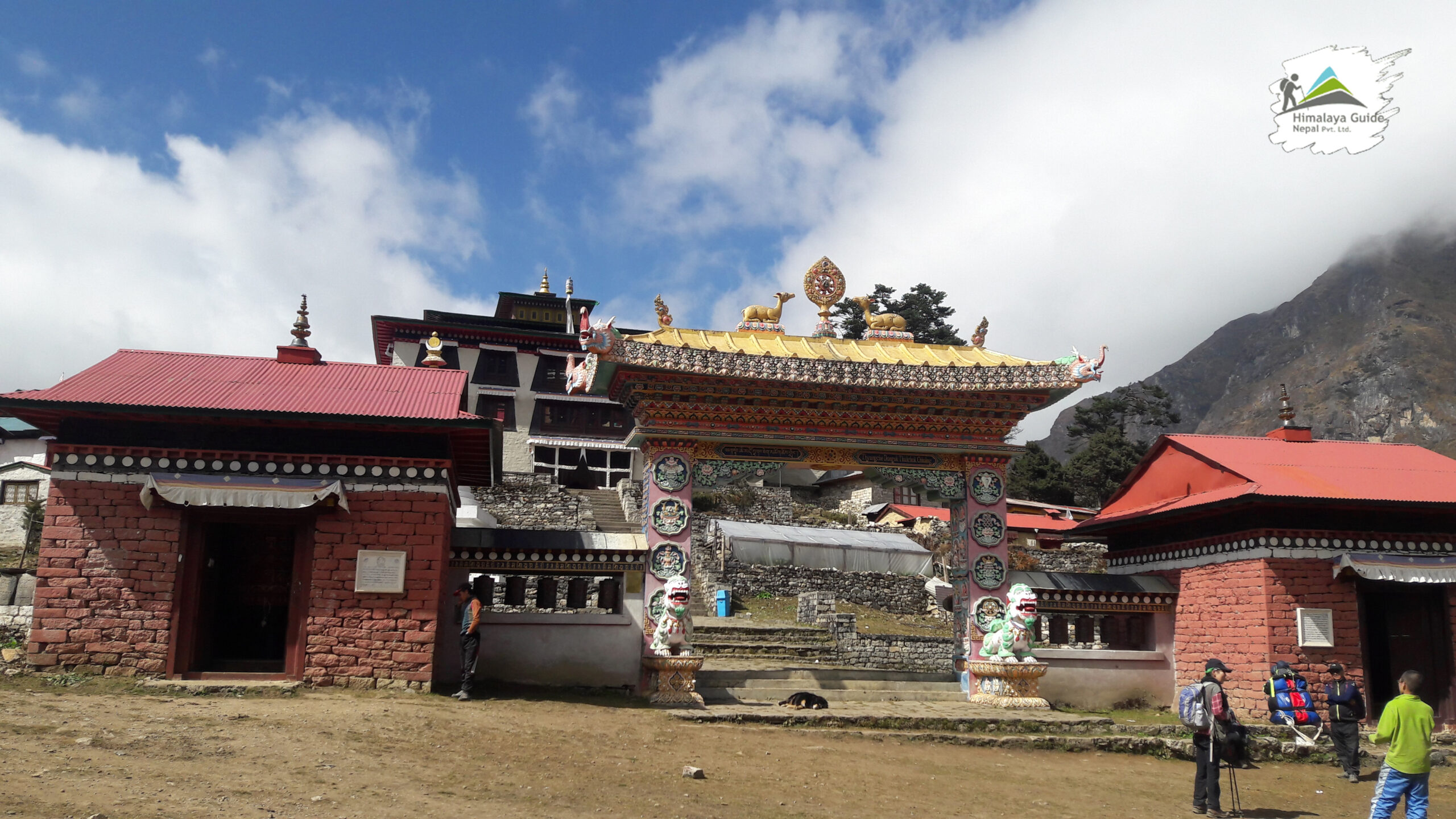
As you continue, the path leads you to Tengboche, where you will find the renowned Tengboche Monastery, the most famous and largest monastery in the Khumbu. There is surely a peaceful atmosphere here. The views from here are breathtaking, with a backdrop of Everest, Lhotse, Nuptse, and Ama Dablam.
Dingboche (4,410m / 14,469 ft)
As you ascend, acclimatization is crucial. Most itineraries include a rest day in Dingboche or Pheriche. Both villages have fabulous mountain views, and you can do short acclimatization hikes to higher elevations. Dingboche has many stone-walled fields, and Pheriche features a Himalayan Rescue Association clinic, reflecting an emphasis on safe trekking practices.
Gorakhshep
The final push takes you to Gorakshep, the last settlement before Everest Base Camp. From there, you’ll trek to the legendary Base Camp, where the scale and energy of the world’s highest mountain are awe-inspiring. Although the classic summit view isn’t visible from base camp, many trekkers hike to Kala Patthar (5,550m / 18,209 ft) for breathtaking panoramic views of Everest and the surrounding peaks.
Is altitude sickness a concern in the EBC trek?
Yes, altitude sickness is a significant concern on the Everest Base Camp (EBC) trek. The trek ascends to elevations well above 3,000 meters (9,840 feet), the altitude at which symptoms can begin to manifest. As trekkers gain altitude, the atmospheric pressure decreases, resulting in less available oxygen. The body needs time to acclimatize to this lower oxygen level, and if the ascent is too rapid, altitude sickness, also known as Acute Mountain Sickness (AMS), can occur. It’s perfectly normal for trekkers to experience some degree of mild altitude sickness during the EBC trek, with many experiencing symptoms around Namche Bazaar, located at approximately 3,440 meters.
The symptoms of altitude sickness can range from mild to severe and typically include headache, nausea, fatigue, dizziness, loss of appetite, and difficulty sleeping. In more serious cases, it can lead to High Altitude Pulmonary Edema (HAPE) or High Altitude Cerebral Edema (HACE), which are life-threatening conditions requiring immediate descent. Therefore, it is crucial for trekkers to ascend gradually, allowing for acclimatization days, staying well-hydrated, avoiding alcohol and strenuous activity at high altitudes, and listening to their bodies for any signs of altitude sickness. Many trekking itineraries incorporate acclimatization days in key locations like Namche Bazaar to help mitigate this risk.
What makes the EBC trek beginner-friendly?
The Everest Base Camp (EBC) trek is a dream for many people. While there may be some challenges, it is achievable for determined novice trekkers who are reasonably fit and willing to prepare adequately. The trails are very well marked and there are teahouses available along the way with food and lodging if needed. The gradual ascent will help with altitude acclimatization. Everything about this trek makes it highly achievable, and it is most certainly a memory that will last a lifetime.
- The main trails to EBC are well-maintained and clearly marked, minimizing the need for advanced navigation skills.
- The EBC route features many teahouses offering basic lodging and meals, which reduces the load for beginners.
- The trek’s significant altitude gain is spread over several days, allowing for gradual acclimatization to prevent altitude sickness.
- While some days may be longer, many involve hiking distances that are achievable for individuals with moderate fitness levels.
- The standard EBC trek does not require any technical climbing or mountaineering skills, as it sticks to hiking trails.
- The established tourism industry in the Khumbu region provides access to basic medical facilities and emergency support.
- Most itineraries incorporate acclimatization or rest days, allowing trekkers to adjust to the increasing altitude and recover.
Facilities During the Everest Base Camp Trek
During the Everest Base Camp trek, facilities are available in the various teahouses and lodges along the route, offering basic accommodations with twin beds and blankets, communal dining areas serving hearty meals such as dal bhat and other Nepali and Western dishes, and shared bathroom facilities, which become more basic at higher altitudes. While electricity for charging devices is generally available for a fee, hot showers often require an extra charge, and Wi-Fi access is available in many teahouses, especially in lower regions, typically at an additional cost.
Food
Once you venture into the Khumbu region, the culinary landscape transforms to cater to the needs of trekkers. While you won’t find gourmet restaurants, teahouses along the trail offer hearty and energy-rich meals. Expect staples like dal bhat (a combination of lentils, rice, and vegetable curry), noodle soups, momos (dumplings), and various pasta and potato dishes. As you ascend to higher altitudes, the variety of fresh ingredients decreases, and prices tend to increase. However, the focus remains on providing filling meals to fuel your trek.
Accommodation
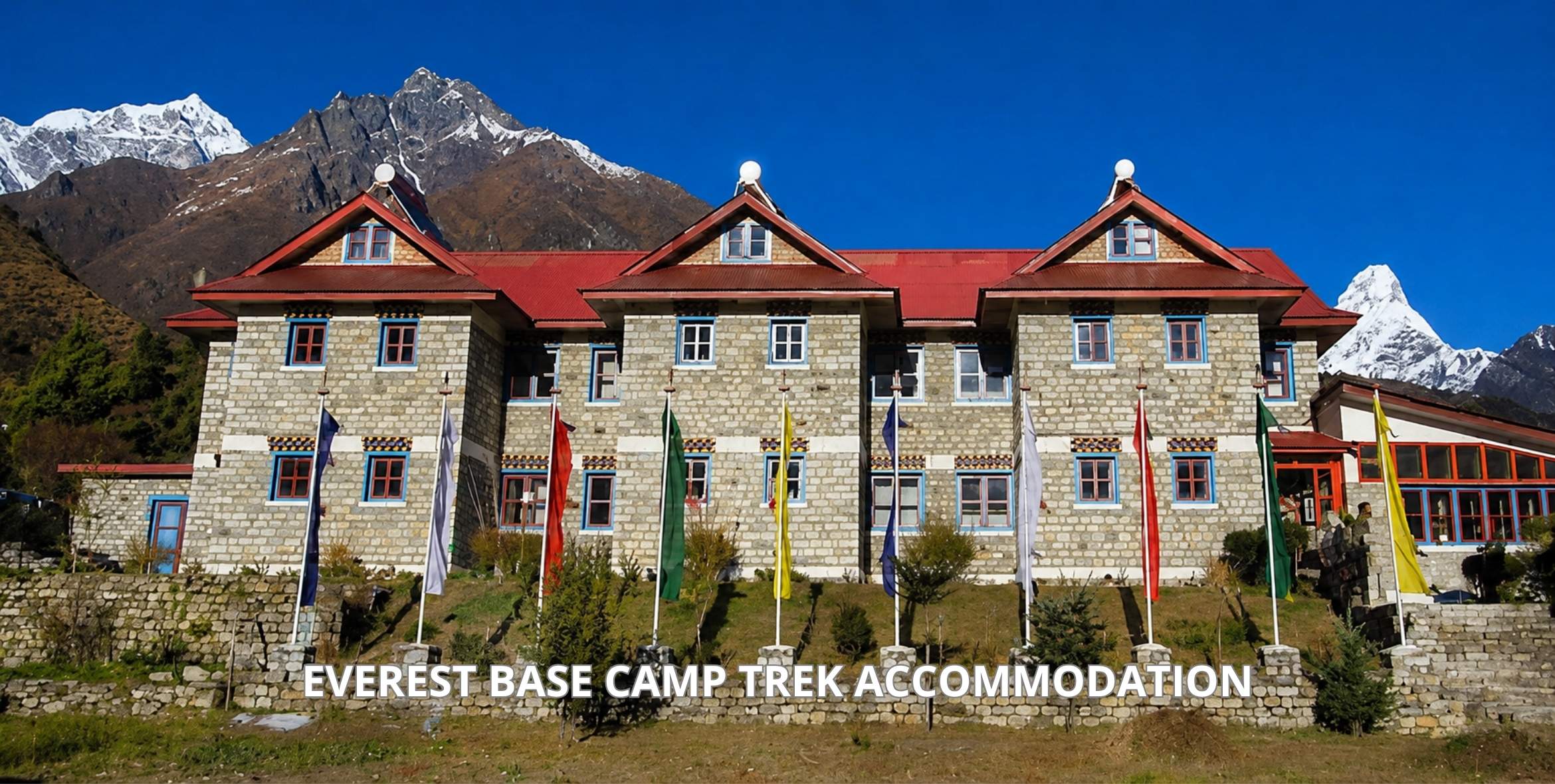
Accommodation during the Everest Base Camp trek primarily consists of basic but functional teahouses. These guesthouses offer simple rooms, usually with twin beds and shared blankets. While some may have attached bathrooms at lower altitudes, expect shared toilet facilities (often squat toilets) and limited showering options as you gain elevation. The teahouses provide shelter from the elements and a communal dining area where trekkers can socialize and warm up. Booking in advance, especially during peak season, is highly recommended to secure a bed.
Charging and Wifi
Access to charging and Wi-Fi becomes increasingly limited and expensive as you trek higher. Most teahouses in the Khumbu region offer charging facilities for electronic devices, although these are often available for a fee. The reliability of electricity can be inconsistent, and solar power is a common source. Wi-Fi is also available in many teahouses, typically through satellite internet, which can be slow and also comes at a cost. It’s wise to carry a portable power bank and manage your device usage to conserve battery life.
Drinking Water
Getting safe drinking water along the Everest Base Camp trail needs careful planning. Teahouses often offer tap water, which can be safe if it is boiled or filtered, but it is best not to drink it directly from the tap. Many trekkers opt for bottled water since it’s readily available, but this contributes to plastic waste. A better option is to bring water purification tablets or a filter. You can use these to treat water from taps, streams, or marked water stations. Many teahouses also sell boiled water for a fee, which is a safe choice.
Medical Facility
Medical facilities beyond Lukla are limited, primarily offering first aid and stabilization for evacuation. Larger villages, such as Namche Bazaar and Pheriche, have small health posts staffed by medical assistants or nurses, which address common trekking ailments. For serious emergencies, helicopter evacuation to Kathmandu is often needed. Comprehensive travel insurance, which includes medical evacuation coverage and a personal first-aid kit with essential medications, is vital.
Permits for Everest Base Camp Trek
If you’re planning to trek to Everest Base Camp (EBC), you’ll need to get some permits. These permits help keep trekkers safe, manage tourism in protected areas, and support local communities and conservation efforts. In 2025, you will need the Sagarmatha National Park Entry Permit and the Khumbu Pasang Lhamu Rural Municipality Entry Permit. If you choose to trek from Jiri, you might also need a permit for the Gaurishankar Conservation Area. Knowing what permits you need is an important first step in planning your amazing journey to the base of the highest peak in the world.
| Permit Name | Cost for Foreigners (excluding VAT) | Cost for SAARC Nationals (excluding VAT) | Where to Obtain | Notes |
|---|---|---|---|---|
| Sagarmatha National Park Entry Permit | NPR 3,000 | NPR 1,500 ($10.93) | Nepal Tourism Board (Kathmandu), or at the park entrance in Monjo | Mandatory for all trekkers entering the Sagarmatha National Park, where EBC is located. Children under 10 years are free. |
| Khumbu Pasang Lhamu Rural Municipality Permit | NPR 2,000 | NPR 2,000 ($20) | Upon arrival in Lukla or Monjo | Introduced by the local government to support community development and infrastructure in the Khumbu region. Replaced the TIMS card for this region. |
| Gaurishankar Conservation Area Permit | NPR 3,000 | NPR 1,000 | Nepal Tourism Board (Kathmandu), or at the entrance in Shivalaya (if trekking via Jiri) | Required only if you are trekking to EBC via the Jiri route. |
Everest Base Camp Trek Cost Breakdown
The Everest Base Camp Trek cost for Himalayan Guide is approximately $ 1,297 per person. However, the cost is dependent on several other factors, like group size. For example, for a group size of 10, the cost per person decreases to $930.
| Category | Description | Estimated Cost (USD) | Factors Influencing Cost |
|---|---|---|---|
| Permits | Fees are required to trek in the Everest region. | $50 – $60 |
|
| Transportation | Costs to reach the trek starting point (usually Lukla) and return to Kathmandu. | $360 – $460 |
|
| Accommodation | Cost of staying in tea houses/lodges along the trekking route and hotels in Kathmandu. | $150 – $500+ |
|
| Food & Drinks | Expenses for meals (breakfast, lunch, dinner) and beverages during the trek. | $250 – $500+ |
|
| Guides | Fees for hiring a licensed trekking guide. | $500 – $1000+ |
|
| Trekking Gear | Costs for essential trekking equipment. | $100 – $500+ (if renting) / $300 – $2000+ (if buying) |
|
| Visa | Nepal entry visa fees. | $30 – $125 |
|
| Travel Insurance | Mandatory insurance that covers medical emergencies, high-altitude sickness, and emergency evacuation (including helicopter rescue). | $100 – $300+ | Cost depends on the duration of the trek and the coverage provided by the insurance policy. Ensure it specifically covers trekking at altitudes up to 6,000 meters. |
| Miscellaneous | Personal expenses such as hot showers, Wi-Fi, charging electronic devices, snacks, souvenirs, and tips for guides and porters. | $100 – $300+ |
|
Comparing the EBC Trek with the Annapurna Base Camp Trek and the Manaslu Circuit Trek
The following shows the comparison between the EBC Trek, the Annapurna Base Camp Trek, and the Manaslu Circuit Trek:
| Feature | Everest Base Camp Trek | Annapurna Base Camp Trek | Manaslu Circuit Trek |
|---|---|---|---|
| Duration (Approx) | 12-14 days (can be shorter or longer with side trips) | 7-11 days | 14-18 days |
| Maximum Altitude (Approx) | 5,545m (Kala Patthar) | 4,130m | 5,106m (Larke La Pass) |
| Difficulty | Strenuous | Moderate to Challenging | Challenging |
| Scenery | Iconic views of Everest, Lhotse, Nuptse, Ama Dablam, barren at higher altitudes | Diverse landscapes, forests, rhododendron, and snow-capped peaks | Raw Himalayan beauty, diverse landscapes, Manaslu views |
| Cultural Immersion | Sherpa culture, monasteries influenced by tourism | Diverse ethnic villages (Gurung, Thakali, Magar) | Nubri and Tsum people with strong Tibetan cultural bonds |
| Crowds | Most popular and busiest, especially during peak seasons | Moderately crowded, increasing due to road construction | Less crowded, offering more solitude |
| Accommodation | Teahouses with varying facilities | Teahouses with varying facilities | Basic teahouses, more remote |
| Permits | Khumbu Pasang Lhamu Rural Municipality Permit and Sagarmatha National Park entry permit | TIMS and Annapurna Conservation Area Permit (ACAP) | Restricted Area Permit, MCAP, ACAP; registered guide mandatory |
| Accessibility | Fly to Lukla (scenic but can be unreliable), or trek via Jiri/Salleri | Drive to near Pokhara, the trek starts from various points | Scenic drive from Kathmandu to Machha Khola to start the trek |
| Cost (approximate) | $1,200 – $1,800+ (excluding international flights) | $1,000 – $1,500+ (excluding international flights) | $1,300 – $1,900+ (including higher permit fees, excluding international flights) |
| Physical Demand | High, long walking days at high altitude, steep ascents and descents | Moderate to high, stone staircases, undulating terrain | High, rugged terrain, long distances, high passes |
| Altitude Sickness Risk | High | Moderate | Moderate to High |
| Best Time to Trek | Spring (March-May), Autumn (September-November) | Spring (March-May), Autumn (September-November) | Spring (March-May), Autumn (September-November) |
| Off-the-beaten-path feel | Less so, well-trodden trail | Becoming less so in parts | High |
| Cost | $1,297 | $700 | $1,175 |
Procedure for Emergency Evacuation in EBC Trek
If you need to evacuate during your Everest Base Camp (EBC) trek due to an emergency, the first priority is the safety of the person affected. The trekking guide, who is trained in first aid and emergency care, will assess the situation and provide initial care. Depending on the severity of the situation and your location, the guide will call for help. This typically involves using satellite phones or radios to contact local agencies, trekking operators in Kathmandu, or emergency medical services.
The guide will share important details, such as the patient’s location (using GPS if possible), the nature of the emergency, and the type of assistance required. The response can range from getting porter support for someone who can walk with help to organizing a helicopter evacuation for more serious cases. Once contact is made, we coordinate the evacuation. For helicopter evacuations, we quickly obtain permits and clearances, working closely with the trekking agency in Kathmandu. Meanwhile, they also stabilize the patient and may move them to a more accessible location if necessary. Clear communication between the ground team and rescue team is crucial for a fast and safe transport to a medical facility in Kathmandu.
Importance of Travel Insurance
It is essential to have travel insurance that covers high-altitude trekking and emergencies requiring evacuation, including helicopter rescues, for an Everest Base Camp (EBC) trek. Evacuations from the Himalaya can be expensive, sometimes costing thousands. If you do not have adequate insurance, you will be liable for the high cost of an emergency evacuation. Travel insurance provides you with financial protection in unexpected situations, while ensuring that you get the medical care and evacuation quickly without having to worry about making large payments upfront. Travel insurance also provides peace of mind and can alleviate the financial burden of a medical emergency during your trek.
Everest Base Camp Trek FAQs
1. Are there shorter, less strenuous hikes available for acclimatization in the Everest Base Camp Trek beyond the acclimatization days in Namche and Dingboche?
2. What kind of local festivals trekkers will get to celebrate during the Everest Base Camp trek?
3. What specific sustainable practices are used by locals, and how can trekkers better contribute?
4. What are some less common but handy packing items for comfort or emergencies for the EBC trek?
5. What common misconceptions do first-timers have about the Everest Base Camp trek's terrain?
6. Beyond the physical challenge of the EBC trek, what are the mental/emotional aspects, and how to prepare?
7. For solo female travelers, what specific safety tips should be considered for the Everest Base Camp (EBC) trek?
8. What are the emergency procedures for medical issues or severe altitude sickness during the trek?
9. Are there any worthwhile side trips or alternative routes beyond EBC for different perspectives or experiences?
10. What are the typical daily routines and schedules like in the teahouses along the EBC trail?
Travellers Reviews