The Gen Z movement, Nepal stabilized, and life returned to normal. All safe for your Travel in Nepal 2025.
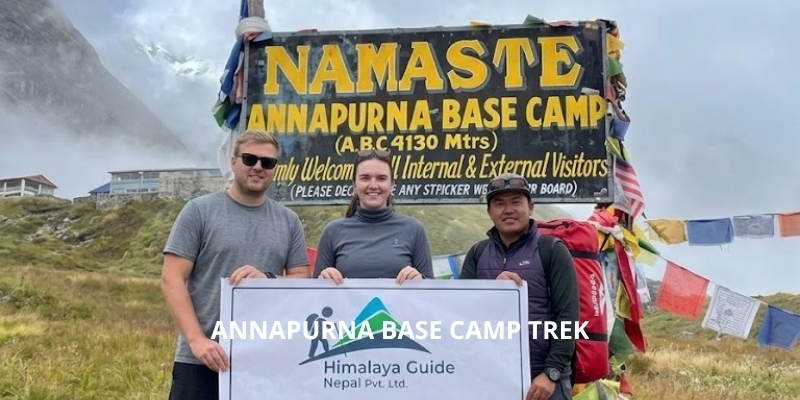
Annapurna Base Camp Trek
Country
Nepal
Difficulty
Moderate
Best Season
Sep-Nov/March-May
Accommodation
Lodges
Region
Annapurna Trekking
Start / End Point
Nayapul - Nayapul
Max. Altitude
4,130m
Group Size
1
Meals Included
B+L+D
Acclimatization
NO
Permits
ACAP Permit
Recommended For
Moderate to Challenging
Duration
13 Days
Activity
Best Price Guaranteed
Activity Per Day
4-5 Hours
Transportation
Deluxe Tourist Bus/Public Bus
Distance
Annapurna Base Camp Trek Brief
Annapurna I (8,091 meters) is the first ascended mountain in Nepal, and it is also the tenth highest mountain in the world. Annapurna Base Camp Trek is the journey that takes you to the foot of this very mountain. It lies in the Annapurna Region and is one of the most popular trekking destinations in the world. Since the Everest Base Camp Trek is difficult, many people opt for the ABC trek. What makes this trek unique is that you will experience the natural amphitheater located in the mountains.
Starting from Nayapul, the trek goes through multiple Gurung and Magar villages, adding a cultural angle to the trek. You will closely observe the local culture as you experience their hospitality. Besides, since this trek lies inside the Annapurna Conservation Area, you will get to witness a variety of birds and rhododendrons. It is a moderate trek, but it can also become challenging if you are not properly prepared. That said, it is one such trek that seamlessly blends culture, nature, and adventure, a feat that few treks can offer.
Highlights of Annapurna Base Camp Trek
- Witness panoramic views of the Annapurna Massif, including Annapurna I (8,091 m), the tenth-highest mountain in the world, and Annapurna South (7,219 m). Additionally, enjoy other mountains, such as Machhapuchhre and the Dhaulagiri Range.
- Reach Annapurna Base Camp at 4,130 meters and Machhapuchhre Base Camp, which are surrounded by other stunning mountains.
- Experience a breathtaking sunrise over Annapurna and Dhaulagiri ranges from Poon Hill.
- Enjoy one of the biggest rhododendron jungles in the world, where you can view beautiful colors in March and April.
- Stay at the traditional Gurung villages like Ghandruk and Chhomrong to experience their warm hospitality.
- Relax in the natural hot spring at Jhinu Danda after days of trekking.
- Explore Pokhara, Nepal’s tourism capital. You can boat at the Phewa Lake and experience the nightlife of Lakeside.
Annapurna Base Camp Trek Outline Itinerary
| Route | End Elevation | Elevation Gain/Loss | Duration | Distance |
|---|---|---|---|---|
| Day 01 Arrival at Tribhuvan International Airport (1,350 m) and transfer to the hotel | ||||
| Day 02 Drive from Kathmandu (1,350 m) to Pokhara (900 m) | -450 m | |||
| Day 03 Public jeep all way to Ulleri (1,950m) | 1100 m | |||
| Day 04 Trek from Tikhedunga (1,540 m) to Ghorepani (2,850 m) via Ulleri | +1,310 m | 5–7 hrs | ~12 km | |
| Day 05 Trek to Poon Hill (3,210 m) and Trek back to Tadapani (2,600 m) | +360 m (to Poon Hill) | 6–7 hrs | ~12 km | |
| Day 06 Trek from Tadapani (2,600 m) to Chhomrong (2,170 m) via Ghurjung | -610 m | 5–6 hrs | ~10 km | |
| Day 07 Trek from Chhomrong (2,170 m) to Dovan (2,600 m) | -430 m | 5–6 hrs | ~10 km | |
| Day 08 Trek from Dovan (2,600 m) to Deurali (2,920 m) via the Himalaya | +430 m | 4–5 hrs | ~8 km | |
| Day 09 Trek from Deurali (2,920 m) to Annapurna Base Camp (4,130 m) via Machhapuchhre Base Camp (3700 m) | +320 m | 5–6 hrs | ~9 km | |
| Day 10 Trek from ABC (4,130 m) to Bamboo (2,300 m) via MBC (3,700 m) | +1,210 m | 6–7 hrs | ~15 km | |
| Day 11 Trek from Bamboo (2,300 m) to Jhinu Danda (1,750 m) via Sinwa | -1,830 m | 5–6 hrs | ~9 km | |
| Day 12 Trek from Jhinudanda (1,400 m) to Siwai, then drive to Pokhara (850 m) | -550 m | 2–3 hrs | ~4 km | |
| Day 13 Drive to Kathmandu from Pokhara | -500 m |
Follow the ABC Trek Ups & Downs with our Itinerary
Arrival at Tribhuvan International Airport (1,350 m) and transfer to the hotel
Drive Distance
6.2KM
Drive Duration
25-30M
Accommodation
Kathmandu Garden Home
Upon your arrival at Tribhuvan International Airport, a staff member from Himalaya Guide Nepal will pick you up and drop you off at the Hotel you booked. Today, your guide will brief you about our trip to the Annapurna Base Camp Trek. If you haven’t purchased anything required for the trek, you can also go shopping.
Drive from Kathmandu (1,350 m) to Pokhara (900 m)
Drive Distance
~200 km
Drive Duration
8–9 hrs
Highest Altitude
-450 m
Place
Pokhara
Accommodation
Guest Own
You will wake early in the morning and prepare your backpack. We suggest you do your packing the night before to avoid last-minute hassle. After breakfast, your trekking guide will take you to the Busprak, from where you will head towards Pokhara on a tourist bus. If you are trekking in a group, you can also hire a jeep or travel by air, for which the package prices would change. After 7 to 8 hours of travelling by road, you will reach Pokhara, where you will rest for the day. At night, you can explore the Lakeside and the cafes there.
Public jeep all way to Ulleri (1,950m)
Drive Distance
~42 km
Drive Duration
3–4 hrs drive
Highest Altitude
1100 m
Place
Ulleri
Meals
B+L+D
Accommodation
Hotel Purnima
Early morning, you will have your breakfast and get ready to head towards Nayapul, the starting point of the Annapurna Base Camp Trek. It will take about 3 and a half to four hours to get there. Your final destination today will be Ulleri (1,950 m).
After driving 10 minutes from Nayapul, you will reach Birethanti, where you must verify your legal documents (ACAP and TIMS Card) to enter this area. After this stop, the trail slightly inclines, reaching Ulleri 1950m by following the right side of Burundi Khola, Passing Through the Villages of Sudame, Ramghai, and Hille. You will also cross the Gurung settlement and a beautiful field of rice and millet.
Trek from Tikhedunga (1,540 m) to Ghorepani (2,850 m) via Ulleri
Trek Distance
~12 km
Trek Duration
5–7 hrs
Highest Altitude
+1,310 m
Place
Ghorepani
Meals
B+L+D
Accommodation
Hotel Super View/ Hotel Snow Land
Today, the trekking trail slightly drops to a small riverbank. Then the trail ascends, with approximately 2 hours of uphill climbing to the Magar and Gurung settlements of Ulleri, a beautiful village nestled in the forest. You can enjoy a panoramic view of the magnificent Annapurna South, Fishtail, and other snow peaks. Today, you will also enjoy a walk through the largest Rhododendron forest, featuring beautiful colors, especially during the spring season. The route leads to Ghorepani via Nangethati, where you can spend the night at a lodge.
Trek to Poon Hill (3,210 m) and Trek back to Tadapani (2,600 m)
Trek Distance
~12 km
Trek Duration
6–7 hrs
Highest Altitude
+360 m (to Poon Hill)
Place
Tadapani
Meals
B+L+D
Accommodation
Hotel Grand View /Hotel Magnificent
Early in the morning you will climb up to Poon Hill (3,210 meters) to witness the sunrise reflecting over the Dhaulagiri, Tukuche Peak, Nilgiri, Annapurna South and Hiunchuli. Between those mountains, you can see Annapurna I and Fishtail too. Poon Hill means Poon(Magar) is a caste of local people and Hill is made by those Poon people that sway this tower called Poon Hill.
After taking in the view of the mountains, you will hike back to Ghorepani to have breakfast, and the trek will then begin to climb up to the Gurung Hill Deurali. Then, it goes down to Banthanti, where you will have your Lunch. After that, you will have to walk for about a few hours through the Rhododendron forest to reach Tadapani.
Trek from Tadapani (2,600 m) to Chhomrong (2,170 m) via Ghurjung
Trek Distance
~10 km
Trek Duration
5–6 hrs
Highest Altitude
-610 m
Place
Chhomrong
Meals
B+L+D
Accommodation
Panorama View Hotel
As usual, you will begin today’s trek after having breakfast. The trekking trail descends to Kimrung Khola, passing through a dense Rhododendron forest. You will pass through the Gurung village of Chuele, from where you can witness the views of Annapurna South, Annapurna IV, and Machhapuchhre (also known as Fishtail).
After the Kimrong Khola trail ascends slightly to Gurjung, it then crosses through a forest-like area to the Gurung village of Chhomrong, located at 2,170 meters, where you will spend the night at a lodge.
Trek from Chhomrong (2,170 m) to Dovan (2,600 m)
Trek Distance
~10 km
Trek Duration
5–6 hrs
Highest Altitude
-430 m
Place
Dovan/Bambo
Meals
B+L+D
Accommodation
Trekking Guest House
Today’s trek follows the trail down to the Chhomrong Khola, then climbs up to Sinuwa, crossing the Gurung settlement and Rhododendron forest to reach Kulsi Danda at 2470 meters. The Annapurna Base Camp Trek has now entered the upper Modi Khola valley.
After Sinuwa, there is no significant settlement; only a few lodges are located in the Bamboo. Walking for a few hours, you will arrive in Dovan at 2,600 m, which is your final destination for today.
Trek from Dovan (2,600 m) to Deurali (2,920 m) via the Himalaya
Trek Distance
~8 km
Trek Duration
4–5 hrs
Highest Altitude
+430 m
Place
Deurali
Meals
B+L+D
Accommodation
Shangri-La Hotel
Today, the trail passes through dense bamboo and Rhododendron forests, and the stretch of the trail passes several avalanche-prone areas to reach the Himalaya. You will walk through Hinko Cave, located between the Himalaya and Deurali, at an elevation of 2,920 meters, and arrive in time for lunch. Unlike another day, today’s trek is relatively shorter, taking about 4 to 5 hours to complete.
There is no official acclimatization day for the ABC trek, but you can use today as one and rest since you arrived early. Tomorrow will be a tougher trek as you will reach the base camp. Make sure to get a good night’s sleep tonight.
Trek from Deurali (2,920 m) to Annapurna Base Camp (4,130 m) via Machhapuchhre Base Camp (3700 m)
Trek Distance
~9 km
Trek Duration
5–6 hrs
Highest Altitude
+320 m
Place
Annapurna Base Camp
Meals
B+L+D
Accommodation
Hotel Paradise Garden Guest House/Annapurna Sanctuary Lodge
From the Himalaya, you will trek towards Deurali, which is the gateway to Annapurna Base Camp. As you did yesterday, you will encounter many avalanche-prone areas along the way. Machhapuchhre Base Camp is the next destination after Deurali. You can either end your day at Machhapuchhre Base Camp and head towards ABC tomorrow. However, if you wish to do so, you must mention it when preparing the itinerary. Otherwise, you can hike for about 3 hours to reach the Annapurna Base Camp.
Trek from ABC (4,130 m) to Bamboo (2,300 m) via MBC (3,700 m)
Trek Distance
~15 km
Trek Duration
6–7 hrs
Highest Altitude
+1,210 m
Place
Bamboo
Meals
B+L+D
Accommodation
Trekking Guest House
On the 9th day of the trek, you will wake up early in the morning to enjoy the sunrise on top of Mt. Annapurna I and other surrounding mountains. After breakfast, you will begin your trek and start descending towards Machhapuchhre Base Camp. Initially, you will descend to Bamboo, where you will spend a night at a lodge or a tea house.
Trek from Bamboo (2,300 m) to Jhinu Danda (1,750 m) via Sinwa
Trek Distance
~9 km
Trek Duration
5–6 hrs
Highest Altitude
-1,830 m
Place
Jhinudanda
Meals
B+L+D
Accommodation
Hotel Park Himalaya
Today, you will trek to Jhinu Danda. At first, you will descend towards Sinwa. Please note that you will need to ascend approximately 1,000 steps to reach the Upper Chhomrong, where you will have lunch. Instead of going towards Ghandruk, you will divert towards the Jhinu Danda, which is your final destination.
Jhinu is the best place for trekkers after a long day’s trek, as you can enjoy the hot spring lying down in a pool, which is just a 10-15 minute walk from Jhinu Danda.
Trek from Jhinudanda (1,400 m) to Siwai, then drive to Pokhara (850 m)
Trek Distance
~4 km
Trek Duration
2–3 hrs
Drive Distance
~42 km
Drive Duration
2–3 hrs
Highest Altitude
-550 m
Meals
B+L+D
Accommodation
Lodge
Today is the last day to walk for the Annapurna Base Camp Trek. You will start your hike from Jhinu Danda and head toward Siwai, from where you started this trek. It will take only about 2 to 3 hours to arrive at Siwai. From here, you can either take a Public bus to get to Pokhara. We recommend you start your trek early in the morning so that you have plenty of time to explore Pokhara.
Drive to Kathmandu from Pokhara
Drive Distance
~200 km
Drive Duration
6–8 hrs
Highest Altitude
-500 m
Meals
B
You can either end the trek at Pokhara and decide to explore the city. If such is the case, our guide will ensure you reach the nooks and corners of the city. You can either end the trek at Pokhara and decide to explore the city. If such is the case, our guide will ensure you reach the nooks and corners of the city. You can also participate in adventure sports like bungee jumping and paragliding. However, you can also return to Kathmandu by tourist bus or by taking a flight. At Kathmandu, we will provide you with a farewell. You will have dinner with our staff members.
Inclusion/Exclusion in Annapurna Base Camp Trek
Our Annapurna Base Camp Trek Package Includes
- International airport pick-up and drop-off services.
- Two ways to travel by deluxe tourist bus from Kathmandu to Pokhara and from Pokhara to Kathmandu.
- 2 nights standard hotel with BB Plan in twin sharing at Thamel.
- 2 nights standard hotel with BB Plan in twin sharing at Lakeside Pokhara.
- Pokhara is the last station from the hotel by car.
- Pokhara to Ulleri by public jeep.
- Siwai to Pokhara by public jeep.
- Three meals a day (Breakfast, Lunch, and Dinner, but city your own).
- Lodge accommodation on the trek is normal.
- An Experience guide (including his salary, equipment, insurance, transportation, lodging, and food)
- Equipment: Down Jacket, Sleeping Bag.
- Legal documents (ACAP permit and TIMS card).
- All Gov VAT.
- Trekking and city map.
- Duffle bag if needed.
- First aid medical box.
- Some fresh and dry fruits along the trek.
- A token of love from the company. Farewell lunch or dinner is a suitable time.
Our Annapurna Base Camp Trek Package Excludes
- Extra night accommodation in Kathmandu and Pokhara.
- Travel insurance in case.
- Porter service to organize on guest request.
- Cold drinks such as Coke, Mineral Water, Beer, etc.
- Personal expenses (laundry, telephone, extra helper, battery charge, hot shower, and boiled water).
- Tips for guides and porters.
Route Map
Departure
No departure dates available.
Prefer a more personal journey? Our private packages offer flexible dates, custom itineraries, and dedicated support—perfect for those seeking a tailored travel experience.
Image Gallery
Snaps of our Travelers Memories!
Annapurna Base Camp Trek Trip Information
Permits Required for Annapurna Base Camp Trek
You need to obtain two permits to trek to the Annapurna Base Camp Trek:
- Annapurna Base Camp Permit (ACAP): It is required as the Annapurna Region is a protected conservation area. The fee supports environmental conservation and local development within the area.
- Trekker’s Information Management System Card (TIMS Card): It is required for trekkers’ safety and management. It helps authorities track trekkers during emergency evacuations. It is essential for safe and organised trekking in Nepal.
The table below provides the prices for the permits and where to obtain them:
| Permit | Cost (Foreigners) | Cost (SAARC Nationals) | Where to Obtain |
|---|---|---|---|
| Annapurna Conservation Area Permit (ACAP) | NPR 3,000 (~USD 22) | NPR 1,000 (~USD 8) | Nepal Tourism Board (Kathmandu) or Park Entry Checkpoints |
| TIMS Card (Trekkers’ Information Management System) | NPR 2,000 Per person (~USD 15) | NPR 1,000 (~USD 8) | Nepal Tourism Board (Kathmandu) or Trekking Agencies Association of Nepal (TAAN) office |
Note: Nepalese have to pay NPR 100 for the Annapurna Conservation Area Permit. Children under 10 years old don’t require a fee to trek inside the conservation area.
Annapurna Base Camp Trek Cost
At Himalaya Guide Nepal, the Annapurna Base Camp Trek package for one person (1 pax) is USD 700. However, the price is not fixed, and there are discounts available. The more you travel with the group, the more money you save. For example, if you are trekking with a group of 5 people, the cost is USD 645; however, it is only USD 550 if you are trekking with a group of 10 people. The package includes the price of food, transportation, and accommodation during the trek, payment for the guides, and the cost of the permits.
However, the price also depends on your preferences. For example, a luxury ABC trek costs more than the regular package. The price also depends on the itinerary. If you wish to add extra days for side tours or acclimatization, you will need to pay an additional amount. That said, seasonal and festive discounts are available at Himalaya Guide Nepal.
ABC Trek Cost Breakdown
The ABC Trek package, accompanied by a Himalaya Guide, includes permits, accommodations, transportation, food, and guides (see below or above for more details on what it covers and excludes). However, the price depends on your preference. For example, our package includes travel to and from Pokhara by bus. If you decide to take a flight, you will incur an additional cost of $100 to $200, depending on the airfare. That said, here is the ABC trek cost breakdown:
- Food: The average daily price for a meal during the ABC trek ranges from $15 to $25. Prices are higher at higher altitudes. You will spend around USD 200 on food during the trek.
- Accommodation: The two accommodation options available during the ABC Trek are basic tea houses and lodges. They charge you around USD 5 to USD 10 per night. Depending on altitude, the price can be lower or higher. There are also options for high-end hotels. However, they are expensive.
- Transportation: This includes the prices for transportation from the airport to the hotel, from Kathmandu to Pokhara (USD 15 to USD 25 per person), to Nayapul (USD 25 to USD 40 per person on a private vehicle), and back to Kathmandu (USD 15 to USD 25 per person). Overall, the cost of transportation for the ABC trek will be approximately USD 70 to USD 130.
- Guide: An experienced guide charges around USD 25 to USD 35 per day. The package includes the guide’s salary. However, it doesn’t include the tips. Hiring a porter is optional.
- Permits: The price for two permits (ACAP and TIMS card) ranges from about USD 16 to USD 40, depending on your nationality.
ABC Cost Breakdown Table
The table below provides the approximate amount for the major expenses during the Annapurna Base Camp Trek.
| Factor | Cost |
|---|---|
| Permits & Fees | $16–$40 |
| Transportation | $70–$130 |
| Accommodation (12 nights) | $60–$100 |
| Meals (12 days) | $180–$220 |
| Guide (12 days × $25–$30) | $300–$360 |
| Total (Trekking Days) | $626–$850 |
Note: You can save money by traveling with the group, as you can share the cost of accommodation, guide, and transportation.
At Himalaya Guide Nepal, the Annapurna Base Camp Trek package for one person (1 pax) is USD 700. However, the price is not fixed, and there are discounts available. The more you travel with the group, the more money you save. For example, if you are trekking with a group of 5 people, the cost is USD 645; however, it is only USD 550 if you are trekking with a group of 10 people. The package includes the price of food, transportation, and accommodation during the trek, payment for the guides, and the cost of the permits.
However, the price also depends on your preferences. For example, a luxury ABC trek costs more than the regular package. The price also depends on the itinerary. If you wish to add extra days for side tours or acclimatization, you will need to pay an additional amount. That said, seasonal and festive discounts are available at Himalaya Guide Nepal.
ABC Trek Cost Breakdown
The ABC Trek package, accompanied by a Himalaya Guide, includes permits, accommodations, transportation, food, and guides (see below or above for more details on what it covers and excludes). However, the price depends on your preference. For example, our package includes travel to and from Pokhara by bus. If you decide to take a flight, you will incur an additional cost of $100 to $200, depending on the airfare. That said, here is the ABC trek cost breakdown:
- Food: The average daily price for a meal during the ABC trek ranges from $15 to $25. Prices are higher at higher altitudes. You will spend around USD 200 on food during the trek.
- Accommodation: The two accommodation options available during the ABC Trek are basic tea houses and lodges. They charge you around USD 5 to USD 10 per night. Depending on altitude, the price can be lower or higher. There are also options for high-end hotels. However, they are expensive.
- Transportation: This includes the prices for transportation from the airport to the hotel, from Kathmandu to Pokhara (USD 15 to USD 25 per person), to Nayapul (USD 25 to USD 40 per person on a private vehicle), and back to Kathmandu (USD 15 to USD 25 per person). Overall, the cost of transportation for the ABC trek will be approximately USD 70 to USD 130.
- Guide: An experienced guide charges around USD 25 to USD 35 per day. The package includes the guide’s salary. However, it doesn’t include the tips. Hiring a porter is optional.
- Permits: The price for two permits (ACAP and TIMS card) ranges from about USD 16 to USD 40, depending on your nationality.
ABC Cost Breakdown Table
The table below provides the approximate amount for the major expenses during the Annapurna Base Camp Trek.
| Factor | Cost |
|---|---|
| Permits & Fees | $16–$40 |
| Transportation | $70–$130 |
| Accommodation (12 nights) | $60–$100 |
| Meals (12 days) | $180–$220 |
| Guide (12 days × $25–$30) | $300–$360 |
| Total (Trekking Days) | $626–$850 |
Note: You can save money by traveling with the group, as you can share the cost of accommodation, guide, and transportation.
What should you Pack for the ABC Trek?
The trekking gear, clothing, and equipment vary according to the weather conditions. For ABC Trek, you need to customize your packing list based on the weather and temperature conditions at various locations along the route to the base camp. That said, here is the general packing list.
| Category | Items |
|---|---|
| Upper Body | Full/short-sleeve trekking shirts, thermal tops, fleece/soft-shell jacket, light down jacket, insulated down jacket (on request), hardshell jacket. |
| Lower Body | Trekking trousers, warm pants, thermal bottoms, hardshell pants, insulated down pants (optional), underwear (5), sports bras (2) |
| Footwear | Trekking boots, sandals/sneakers, trekking socks (3–4), warm socks (1–2), gaiters (optional) |
| Bags & Storage | Daypack (30–35L), waterproof duffel bag, plastic bags, laundry bag, padlock (optional) |
| Sleeping Gear | Down sleeping bag, sleeping bag liner (optional) |
| Toiletries | Sunscreen, lip balm, wipes, TP, toothbrush, toothpaste, hand sanitizer, moisturizer, menstrual products |
| First Aid | Medications, Diamox (consult doctor), blister care, pain relievers, band-aids, antiseptic, water purifiers |
| Trekking Gear | Trekking poles, water bottles (1L x2), sunglasses, hat/cap, beanie, gloves, buff, snacks, energy bars, camera, power bank |
| Documents | Passport, permits (ACAP, TIMS), insurance copy, Nepali rupees (cash), passport photos |
Why is the Annapurna Base Camp Trek Suitable For You?
Beginner Friendly
The primary reason why Annapurna Base Camp is suitable for you is because of its beginner-friendly nature, which means that you don’t need any prior trekking experience to do this trek. Yes, it is a moderate trek. But with a little preparation, even a beginner can complete it. The fact is, it is suitable for everyone, regardless of their experience. Moreover, the Annapurna Base Camp trek takes anywhere from 7 to 12 days to complete, depending on the chosen route. It simply means that this trek offers a customizable itinerary like no other to match the time you have.
Close-up Mountain Views
Annapurna Base Camp Trek is a Himalayan trek that offers spectacular views of multiple mountains along the route. Starting from Pokhara, you will witness mountains almost every day. The mountains that you can see in the ABC Trek are:
- Annapurna I – 8,091 m
- Machhapuchhre (Fishtail) – 6,993 m
- Annapurna South – 7,219 m
- Hiunchuli – 6,441 m
- Gangapurna – 7,455 m
- Annapurna III – 7,555 m
- Baraha Shikhar (Annapurna Fang) – 7,647 m
- Khangsar Kang (Roc Noir) – 7,485 m
Safe and Well Established Route
The ABC trail is well marked with numerous teahouses and lodges along the way. These accommodations are open throughout the year, regardless of season. They offer a warming meal and shelter to the trekkers on their way to ABC. It is also the safest and most organised trekking route in Nepal.
Possible Throughout the Year
Unlike some very high-altitude treks that involve passing through treacherous passes, the ABC trek is relatively easier and can be done throughout the year. The well-maintained trails make it easier for trekkers to walk even when it’s raining or snowing. Each season on ABC Trek offers a unique experience, allowing you to choose one that suits your preference.
How to get Annapurna Base Camp trek and back?
The Annapurna Base Camp Trek begins after a short drive from Pokhara to Nayapul, which serves as both the starting and ending point. From Nayapul, follow the trail to reach the ABC.
Nayapul → Tikhedhunga → Ulleri → Ghorepani → Poon Hill → Tadapani → Chhomrong → Bamboo → Dovan → Himalaya → Machhapuchhre Base Camp (MBC) → Annapurna Base Camp (ABC)
You will take the following route to get back to Nayapul:
ABC→ MBC → Deurali → Himalaya → Dovan → Bamboo → Sinuwa → Chhomrong → Jhinu Danda → Syauli Bazar → Nayapul
Who can take the Annapurna Base Camp Trek? (Short answer? EVERYONE!)
Annapurna Base Camp Trek (ABC Trek) is considered a moderate-level trek. It means that it is neither too challenging nor too easy. It involves some uphill and some downhill sections. Like any other trek, it involves the risk of altitude sickness, as it exceeds 2,500 meters.
A trekker planning to undertake the ABC Trek should have a good level of fitness. Yes! Experienced trekkers have an advantage over inexperienced ones. But that doesn’t mean the beginner trekkers cannot do this trek. However, we recommend that trekkers aged 60 years or older and those under 10 years old take extreme precautions. That said, let us break down ABC Trek based on the experience level of the trekkers:
ABC Trek for Beginner Trekkers
By beginner trekkers, we mean those trekkers who haven’t previously done or have done only one or two high-altitude Himalayan treks. Those who have not gone on multi-day hikes are also beginners. If you fall under this category, you have to focus on preparing your physical fitness. To prepare, start exercising at least a month before the trek commences. You should primarily focus on strengthening your legs and engaging in cardiovascular exercises to improve your overall health. Here is what you can expect during the Annapurna Base Camp Trek:
- The trail will feel challenging, especially in the sections with long ascents, such as the one from Ulleri to Ghorepani.
- If you are not physically fit, you will likely take more breaks and walk more slowly. You might be left behind compared to the experienced and physically fit trekkers.
- During the sections from Dovan to Base Camp (4,130 m), you might feel breathless or fatigued.
- You may need an acclimatization day to adjust to the lower oxygen levels found in higher regions.
- After completing the ABC Trek, you will no longer fall under the beginner category. This trek will surely boost your confidence.
ABC Trek for Intermediate Trekkers
By intermediate trekkers, we mean those trekkers who have done more, both higher altitude and lower altitude trekking. Trekkers under this category are aware of the nature of trekking and the physical fitness required. Despite this, they might not have the physical fitness required for the ABC Trek. If you fall under this category, here is what you can expect:
- You will likely maintain the regular pace and enjoy the trek rather than focusing on covering more distance in a single day.
- It will be easier for you to adapt to the teahouses as you will have been on similar treks.
- You will be more prepared mentally than the beginners. So you will have the mental edge.
- You can also handle unforeseen challenges with minimal stress.
ABC Trek for Experienced Trekkers
By experienced trekkers, we mean the seasoned hikers and trekkers who have been on multiple high-altitude treks. Experienced trekkers are physically fit because they regularly engage in trekking. They are used to long walking hours and the remoteness. If they are trekking regularly in Nepal, the chances of them already completing the ABC Trek are also high. If you fall under this category, here is what you can expect:
- You will know that, despite your experience, you are not safe from altitude sickness. So, you will focus on a steady pace.
- You will know what to pack and what to leave behind, depending on the season.
- You will likely complete the ABC Trek in fewer days.
- Since you have been to multiple remote treks, you might find the trails of the ABC Trek more crowded.
But How Difficult is the Annapurna Base Camp Trek to the Challenge Seekers?
As mentioned above, the Annapurna Base Camp Trek is a moderate trek, meaning it is neither too easy nor too hard. Even a beginner can complete the trek with proper preparation. However, there are a few difficulty factors that you shouldn’t neglect if you are trekking to ABC. These factors directly impact your overall trekking experience. The first thing you have to be concerned about is altitude sickness, as this trek goes beyond 2,500 meters. You may experience difficulty breathing, fatigue, headaches, and dizziness.
Dealing with Altitude Sickness During the Annapurna Base Camp Trek
Although the Annapurna Base Camp Trek is a moderately high-altitude trek with risks of altitude sickness, our itinerary does not include an acclimatization day. It is because the trek naturally gains altitude over several days. You will reach Poon Hill (3,210 m) on day four of the trek and on the same day you will descend to Tadapani (2,600 m). By doing this, you will follow the “Climb High, Sleep Low” principle, allowing your body to acclimate to the change. Besides, you will only trek for 6 to 8 hours, and the remaining hours, your body will acclimate on its own.
That said, the jump from Deurali (2,920 m) to ABC (4,130 m) on the eighth day of trekking can be tough. Gaining more than 1,200 meters of elevation during a Himalayan trek is indeed challenging. So, you might suffer from the symptoms of altitude sickness on this day. Here is what you can do to deal with it:
- If you are a complete beginner, consider adding an acclimatization or rest day at either Deurali or Machhapuchhre Base Camp, depending on your physical fitness level. If you are an intermediate or seasoned trekker, we believe you do not need an acclimatization day. However, if you need one, you can plan it while preparing the itinerary.
- Maintain a regular pace. Avoid running or walking at a fast pace when the path is easier, as this can lead to overexertion.
- Drink three to four liters of water daily, as it helps regulate your body temperature. Also, avoid alcohol.
- Descend if you witness any severe symptoms of Acute Mountain Sickness, like dizziness, headache, and fatigue.
- If you are prone to altitude issues, you can consider taking Diamox. However, it is advisable to consult a doctor beforehand.
Weather and Temperature for Annapurna Base Camp Trek
ABC Trek in Spring
During Spring, one of the peak trekking seasons, the average temperature ranges from about 15°C to 20°C at the lower elevations. Such a temperature is comfortable for walking. Moreover, the weather during spring is generally predictable, making packing easier. The skies are clear, and the humidity is low. The trails are adorned with blooming rhododendrons, adding a vibrant atmosphere to the trek. Even though rainfall occurs, it is minimal.
ABC Trek in Summer/Monsoon
Summer is also the monsoon season in Nepal. The temperature in lower elevations on the trails of ABC can get very high, often reaching even 32°C. However, the temperature drops as you ascend. The excessive rainfall also neutralises the heat. The rainfall makes the trail slippery and dangerous to walk on. Being caught in the rain and trekking in wet clothes is uncomfortable as well. However, the trails are lush and green, and the streams are at their fullest potential.
ABC Trek in Autumn
The temperature during autumn on the trail of ABC ranges from 10°C to 20°C during the day, dropping to -5°C at night at higher elevations. The skies are extremely clear, offering unobstructed views of the Machhapuchhre and Annapurna Massif. The trekking route is crowded during this time as it is the peak season. Throughout the trek, you will encounter trekkers from all over the world on the trails of ABC. So, you should book accommodations in advance if you are thinking about trekking to ABC in the autumn season.
ABC Trek in Winter
The ABC Trek difficulty increases during the winter as the rugged trekking trails leading to the base camp are covered in snow. The possibilities of slipping on ice and injuring oneself are also high. The temperature near the base camp is also extremely freezing, reaching as low as -15°C. However, those who pack their bags for the ABC Trek in winter will witness the best views of the Annapurna ranges, which will be covered in snow.
Season-wise Temperature Table (How Colder can the Cold get?)
The table below provides the approximate average temperature ranges for different checkpoints in various seasons along the route to ABC:
| Checkpoint | Spring (Mar–May) | Summer/Monsoon (Jun–Aug) | Autumn (Sep–Nov) | Winter (Dec–Feb) |
|---|---|---|---|---|
| Pokhara (900 m) | 15°C – 30°C | 20°C – 33°C | 13°C – 28°C | 5°C – 20°C |
| Tikhedhunga (1,540 m) | 10°C – 25°C | 15°C – 27°C | 8°C – 22°C | 2°C – 15°C |
| Ghorepani (2,850 m) | 5°C – 20°C | 10°C – 20°C | 4°C – 18°C | -5°C – 10°C |
| Tadapani (2,600 m) | 5°C – 18°C | 10°C – 20°C | 3°C – 17°C | -4°C – 9°C |
| Chhomrong (2,170 m) | 7°C – 20°C | 12°C – 22°C | 6°C – 19°C | 0°C – 12°C |
| Dovan (2,600 m) | 5°C – 17°C | 10°C – 20°C | 4°C – 16°C | -3°C – 8°C |
| Deurali (2,920 m) | 3°C – 15°C | 8°C – 18°C | 2°C – 14°C | -6°C – 6°C |
| MBC (3,700 m) | -2°C – 10°C | 5°C – 12°C | -3°C – 9°C | -10°C – 2°C |
| ABC (4,130 m) | -5°C – 10°C | 3°C – 12°C | -5°C – 9°C | -15°C – 0°C |
Major Checkpoints on the Annapurna Base Camp Trek (Rest, Travel, Go Shopping, Enjoy: Whatever you Like!)
Pokhara
Pokhara (900 m) is the gateway to the Annapurna Region. Any trekkers planning to go on a trek in the Annapurna region, including the Annapurna Base Camp Trek, should first arrive in Pokhara. Pokhara is the tourism capital of Nepal in the region. While in Pokhara, you can go boating on Phewa Lake. You can also explore the nightlife at the Lakesides. Since you won’t have much time to explore because of the tight itinerary, you can customise it and add an extra day to explore more of Pokhara, such as Mahendra and Bat caves, Davis Fall, Peace Stupa, Begnas Lake, and many more.
Poon Hill
Poon Hill (3,210 m) is one of the famous vantage point in the Annapurna Region. Poon Hill (3,210 m) is renowned for its breathtaking panoromic views of Dhaulagiri and Annapurna Range. Poon Hill also acts as the independent trek for a complete beginners. The trails to Poon Hill are surrounded by vibrant rhododendron forests, especially during the spring season. Since it is only an hour from Ghorepani, you must wake up early in the morning and hike up the hill. The golden rays of the sun hitting the mountains are rewarding and provide a fresh feel to the trek.
Jhinu Danda
Jhinu Danda (1,750 m) is a popular stop on the Annapurna Base Camp Trek. It is the point where trekkers rest for the day on the tenth day of the trek. We have made this a major stop because of the hot springs here. The natural hot springs are located down near the Modi Khola River. Bathing at Jhinu allows trekkers to soak in the warm water and ease their muscles.
Ghandruk
Ghandruk is a traditional Gurung village that provides breathtaking views of Annapurna South, Hiunchuli, and Machhapuchhre. Here you can experience the warm hospitality of the Gurung people. The village is rich in culture, with a local museum and stone-paved streets. The Gurung museum in the village offers a chance to peek into their lifestyle and culture. Here, you can try on their traditional dress and sample local foods.
Machhapuchhre Base Camp
Machhapuchhre Base Camp (3,700 m) is a stop before reaching the Annapurna Base Camp. It offers an amazing view of Mount Machhapuchhre, also known as the “Fishtail Mountain.” ABC is approximately 3 km from Machhapuchhre Base Camp and takes about 2 hours to walk. If you are a complete beginner, you can include this place in your itinerary as the acclimatisation before heading for the Annapurna Sanctuary.
Annapurna Base Camp
Annapurna Base Camp is the major highlight of the Annapurna Base Camp Trek. It lies in the Annapurna Sanctuary. It is surrounded by snow-covered peaks in every direction. This natural amphitheater is an inspiring place that leaves trekkers in awe. From here, you can witness the mountains like Annapurna South, Annapurna I (8,097 m), Gangapurna, Annapurna III, and Machhapuchhare.
Permits Required for Annapurna Base Camp Trek
You need to obtain two permits to trek to the Annapurna Base Camp Trek:
- Annapurna Base Camp Permit (ACAP): It is required as the Annapurna Region is a protected conservation area. The fee supports environmental conservation and local development within the area.
- Trekker’s Information Management System Card (TIMS Card): It is required for trekkers’ safety and management. It helps authorities track trekkers during emergency evacuations. It is essential for safe and organised trekking in Nepal.
The table below provides the prices for the permits and where to obtain them:
| Permit | Cost (Foreigners) | Cost (SAARC Nationals) | Where to Obtain |
|---|---|---|---|
| Annapurna Conservation Area Permit (ACAP) | NPR 3,000 (~USD 22) | NPR 1,000 (~USD 8) | Nepal Tourism Board (Kathmandu) or Park Entry Checkpoints |
| TIMS Card (Trekkers’ Information Management System) | NPR 2,000 Per person (~USD 15) | NPR 1,000 (~USD 8) | Nepal Tourism Board (Kathmandu) or Trekking Agencies Association of Nepal (TAAN) office |
Note: Nepalese have to pay NPR 100 for the Annapurna Conservation Area Permit. Children under 10 years old don’t require a fee to trek inside the conservation area.
Comparing Annapurna Base Camp Trek with Everest Base Camp Trek and Annapurna Circuit Trek
The Annapurna Base Camp Trek, Annapurna Circuit Trek, and Everest Base Camp Trek are among the most popular treks in Nepal. All treks are Himalayan high-altitude treks, and each provides the ultimate trekking experience. But what actually is the difference? Why should you choose the ABC trek over the EBC or the Annapurna Circuit Trek? Here is the comparison:
| Aspect | Annapurna Base Camp (ABC) | Annapurna Circuit Trek (ACT) | Everest Base Camp Trek (EBC) |
|---|---|---|---|
| Region | Annapurna Region (Central Nepal) | Annapurna Region (Central Nepal) | Everest (Khumbu) Region |
| Max Altitude | Annapurna Base Camp (4,130 m) | Thorogn La Pass (5,416 m) | Kala Patthar (5,565 m) |
| Duration | 12 days | 15 days | 12 days |
| Difficulty | Moderate | Challenging | Challenging |
| Altitude Sickness Risk | Moderate | High | High |
| Crowd Level | Crowded as it’s popular | Moderate to High | Very popular, often crowded |
| Accessibility | Accessible by both flight and road | Accessible by both flight and road | Flight to Lukla (or long trek from Jiri) |
| Cost (1 pax) | $700 | $965 | $1,297 |
| Culture | Gurung, Magar | Gurung, Thakali, Tibetan-influenced | Sherpa, Tibetan Buddhist |
| Highlights | Annapurna Sanctuary, Machapuchare, Annapurna Range, Hot springs | Thorong La Pass, Muktinath, Manang, Pisang | Everest Base Camp, Kala Patthar, Sherpa culture |
As you can see, among the three most popular treks, Annapurna Circuit is not only moderately challenging but also budget-friendly. The risk of altitude sickness is also relatively lower in the trek to Annapurna Base Camp. Besides, you can enjoy the hot springs and refresh yourself during the trek. It can be crowded during peak seasons, but unlike the other two treks, it is still doable even during the off-season. All these factors make the trek to ABC suitable for both beginners and avid trekkers.
So, if you want to trek in Nepal and seek a trek with a lower risk and an ultimate Himalayan experience, the Annapurna Base Camp Trek should be your top priority. Contact us to book or learn more about it.
Is ABC Trek Possible in Fewer Days?
YES! You can do the ABC Trek in fewer days. You can complete the entire trek in 6 to 8 days, depending on your starting point. The Annapurna Base Camp Trek package at Himalaya Guide Nepal follows a 12-day itinerary. It combines the Poon Hill Ghandruk Trek with the Annapurna Base Camp Trek. However, if you don’t have 12 days and still want to reach the base of Annapurna, you can do it in fewer days as well. You can customize the itinerary according to your schedule.
Not doing the side trip to Poon Hill will automatically decrease the trekking days. Instead, you can choose the shorter route to ABC. For example, you can drive to the Kimche bus park or the Samrung bus park and start the trek from there. Below is the shorter itinerary for the ABC Trek, with the starting point from Samrung:
| Day | Activity | Elevation | Trekking Hours |
|---|---|---|---|
| 1 | Arrival in Kathmandu | 1,350 m | – |
| 2 | Kathmandu to Pokhara (drive) | 850 m | (7–8 hours of drive) |
| 3 | Pokhara – Samrung (drive) to Sinuwa (trek) | 2,340 m | 4–5 hours (3 hours of drive) |
| 4 | Sinuwa to Himalaya via Bamboo | 2,920 m | 5–6 hours |
| 5 | Himalaya to ABC via Deurali and MBC | 4,130 m | 5–6 hours |
| 6 | ABC to Bamboo via Dovan | 2,350 m | 6–7 hours |
| 7 | Bamboo to Jhinu Danda via Chhomrong | 1,740 m | 5–6 hours |
| 8 | Jhinu Danda to Samrung (trek), then drive to Pokhara | 850 m | 2 hours (3–4 hours of drive) |
Note: Since the itinerary is shorter, the price for the Short ABC Trek is also less compared to the longer ABC Trek. The price range starts from USD 556 for one person. The price decreases if the group size is larger. For example, you can do the short ABC Trek at just USD 440 if the group consists of nine or ten people.
Questions Trekkers Mostly Ask for ABC Trek
How cold does it get at Annapurna Base Camp, especially at night?
Is there any risk of avalanches between Deurali and Machhapuchhre Base Camp?
How is the water source and refilling situation on the ABC trail?
Can I get a SIM card that works reliably during the trek?
What’s the typical food menu at higher altitudes like ABC and MBC?
Do teahouses at ABC or MBC have power outlets in rooms?
Are there side hikes or detours on the ABC Trek?
Do teahouses provide blankets, or should I carry extra insulation?
What’s the most scenic part of the ABC trek for sunrise or sunset views?
Can I bathe or swim in the hot springs at Jhinu Danda, and how hygienic are they?
Travellers Reviews
Ready to Start
Your Adventure?
Join thousands of happy travelers who
Choose Himalayan Guide Nepal Pvt.Ltd..