
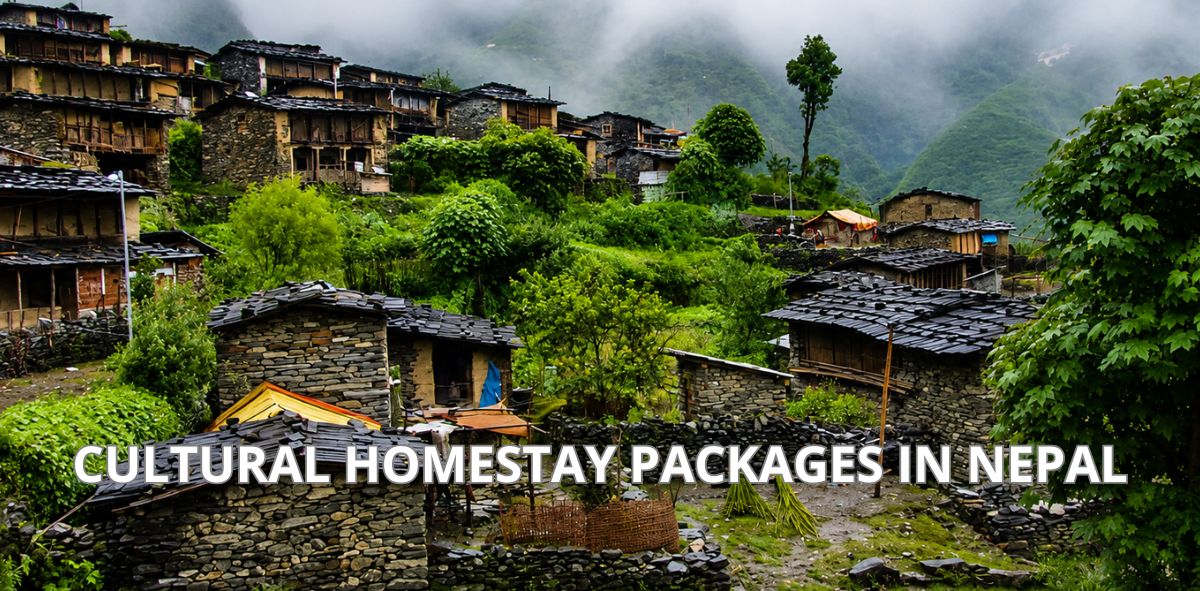


Cultural homestay packages put you inside someone’s actual home, cooking over their fire, sleeping under their roof, & walking their trails. Himalaya Guide Nepal currently runs two of these: a route through the Gorkha hills and a shorter loop through Gurung villages near Pokhara.
This guide covers both packages, why a homestay trip differs from a standard teahouse trek, what a typical day actually looks like, whether these trips cost more, and when to go.
Cultural Homestay Packages In Nepal For Authentic Himalayan Village Experiences
Lower Manaslu Trek At $650
Twelve days, and genuinely one of the quieter corners of the Manaslu region, mostly because the Lower Manaslu Trek route is newer and hasn’t caught on the way the main Manaslu Circuit has. You’ll pass Manakamana Temple, Gorkha Bazaar (King Prithvi Narayan Shah’s historic seat), then Sirandanda, Barpak, and Laprak before climbing to Dharchye Danda at 3,220 metres, a genuine 180-degree viewpoint over more than 20 peaks, Manaslu and Annapurna among them.
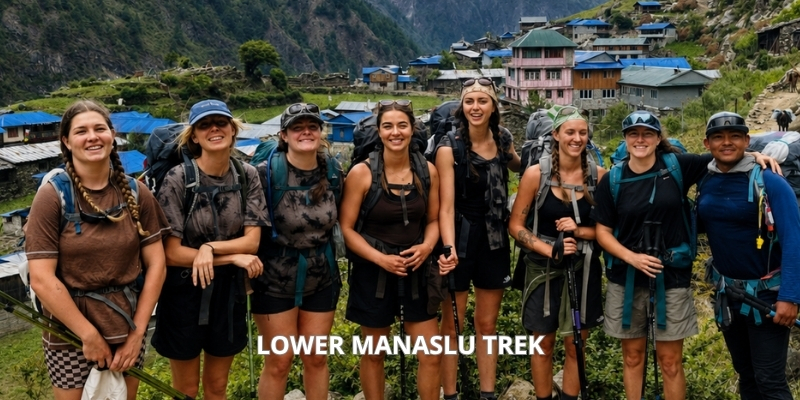
What stays with people more than the view, though, is Barpak and Laprak themselves. Both villages sat close to the epicenter of the 2015 earthquake, and walking through them today is as much about seeing recovery as it is about trekking. Accommodation mixes homestays, lodges, and one night of tent camping near the end at Gyampesal. Rated easy, priced from $650 solo down to $420 for groups of 11 or more.
Ghale Gaun Home Stay Trek At $620
Seven days, built entirely around Ghalegaun, a Gurung village about 12.5 kilometres northeast of Pokhara that gets called Nepal’s model tourism village, and it’s a fair label. Clean homestay rooms, proper bedding, a real cultural program most evenings, and Machhapuchhre, Annapurna, and Himalchuli visible right from the village.
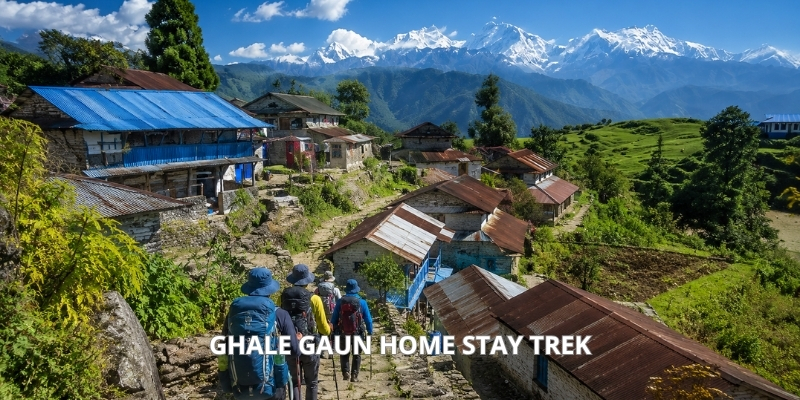
I’ve sent solo travelers and full families for Ghale Gaun Home Stay Trek, since the physical demand stays light, the highest point is only 1,600 metres at Baglungpani, while the cultural immersion happens fast. Most evenings include traditional Gurung dance, Serka, Rodhi, Sorathi, Ghatu, performed in handmade costume, alongside food like dhindo and yogurt made in the same kitchen you’re eating in. Rated easy, priced from $620 solo down to $450 for groups of 11 or more.
Why Choose A Cultural Homestay In Nepal?
A teahouse is run for trekkers, and there’s nothing wrong with that, it’s exactly what it’s built for. A homestay is someone’s actual home, opened up for a guest or two, and the food, the conversation, and the pace of the evening all reflect that. You’re not really weighing comfort levels here so much as choosing between two different kinds of trip: one built around scenery and distance, the other built around people.
Both routes also sit at lower altitude than most classic treks, so the physical side stays manageable while the cultural payoff stays high. That combination is rarer than it should be.
Lower Manaslu Trek Vs Ghale Gaun Home Stay Trek
| Factor | Lower Manaslu Trek | Ghale Gaun Home Stay Trek |
|---|---|---|
| Duration | 12 Days | 7 Days |
| Max Altitude | 3,220m (Dharchye Danda) | 1,600m (Baglungpani) |
| Difficulty | Easy | Easy |
| Region | Gorkha, Manaslu foothills | Lamjung, near Pokhara |
| Accommodation | Homestay, lodge, one night tent | Homestay and lodge |
| Group Size | 1 to 10 | 1 to 10 |
| Starting Price | $650 | $620 |
| Best For | History, earthquake recovery context, and mountain views together | A shorter, more concentrated cultural stay |
If Gorkha’s history and the Barpak-Laprak recovery story matter to you, take Lower Manaslu. If you want the deepest cultural immersion in the fewest days, Ghale Gaun does that more efficiently.
What To Expect During Your Homestay Experience?
Mornings start with tea, often made over the same wood or gas stove the family cooks on every day. Meals are whatever the household grows, dal bhat and seasonal vegetables mostly, sometimes fresh yogurt, not a fixed menu you’re choosing from. Bathrooms are simple and shared with the household rather than private.
Evenings are where the two trips genuinely differ. Ghale Gaun’s cultural program is close to a nightly fixture, real dancing in handmade costume, often with the whole village joining rather than a performance staged for guests. Lower Manaslu varies more by village: some nights bring something similar, others are just quiet family time you’ve been invited into.
There will be a language gap in most homes. This is where a guide earns their keep on a homestay trip more than on a well-marked trekking trail, since navigating a family’s routines and customs respectfully takes local knowledge you won’t walk in with on a first visit.
Cultural Homestay Treks Vs Standard Treks
The walking itself is often similar, same elevation gain, same rhythm of morning starts and afternoon arrivals. What changes is who’s putting you up for the night. A standard trek runs through teahouses built specifically for trekkers, with a menu and a room that looks roughly the same from village to village. A homestay puts you inside an actual home, adjusted to take a guest but still a home first, where food and sleeping arrangements follow the family’s routine rather than a standardized trekking industry.
Neither format beats the other outright. Teahouses offer more predictability and better cold-weather setup at higher altitude. Homestays offer a depth of connection that a business, by definition, generally can’t match.
Are Cultural Homestay Treks In Nepal Expensive?
Not especially, and in some cases they’re cheaper than a comparable standard trek. Lower Manaslu starts at $650 for 12 days, Ghale Gaun at $620 for 7, both dropping with group size. A 13-day Annapurna Base Camp Trek starts around $670, and a 16-day Annapurna Circuit around $985, so there’s no real premium attached to the cultural element here. If anything, homestay nights tend to cost less than lodge stays, since the payment goes to a family directly rather than a small hospitality business carrying its own overhead.
Best Time To Plan Your Cultural Homestay In Nepal
Both routes point to the same two windows: September through November, and March through May. Spring brings rhododendron blooms along both trails, particularly on Ghale Gaun’s forest sections and the lower stretch of Lower Manaslu. Autumn brings the clearest mountain views, which matters most for the Dharchye Danda viewpoint. Since neither trek climbs high enough for cold to be a major issue, both stay workable outside these windows too, monsoon aside, when trails turn to mud and village life moves indoors regardless of which trip you’ve booked.


