
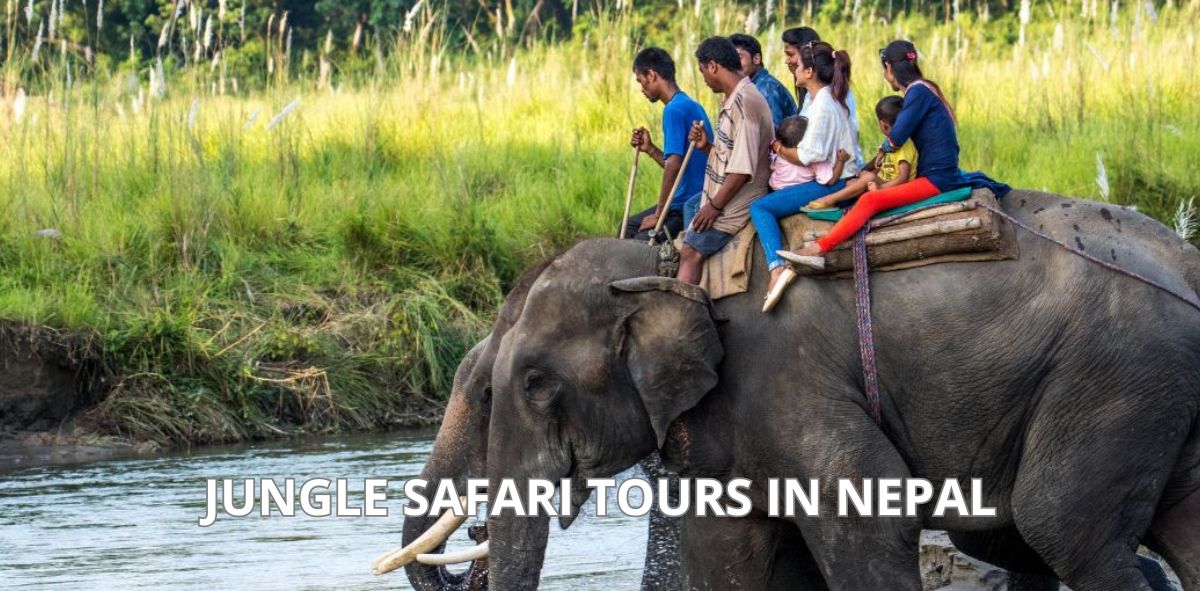


Jungle safari tours in Nepal take you out of the mountains completely, down into hot, flat Terai lowlands where rhino, tiger, and elephant actually live. It’s different kind of trip than trekking, less about altitude, more about patience and timing, waiting quiet in jeep or canoe for something wild to show itself.
Chitwan National Park Tour is our main jungle safari package, four days out of Kathmandu or Pokhara, built around jeep safari, canoe ride, and visit to elephant breeding center. Shorter 2-night, 3-day version also exist on our site, though honestly the two package overlap quite a bit right now, we’re reviewing with client whether one should get folded into other rather than confusing people with two nearly identical option.
Jungle Safari Tours In Nepal For 2026
Nepal set up its national park and reserve system back in 1973, with help from United Nations Development Program, after old Rana rulers’ hunting reserves got replaced by real conservation starting in 1961 with rhino reserve in Chitwan. Today country protect about 15,000 square kilometres across three conservation area, four wildlife reserve, and nine national park, roughly 18 percent of whole country.
Chitwan remain most visited and easiest to reach, 5 to 6 hour drive from Kathmandu or Pokhara. It became Nepal’s first national park in 1973 and earned UNESCO World Heritage status in 1984. Park cover 932 to 952 square kilometre (our own site vary slightly on exact figure), stretching from 100 metres in river basin up to 815 metres in Churia Hills, and it’s still considered one of Asia’s best safari destination for sheer biodiversity.
What To Expect From Jungle Safari Tours In Nepal
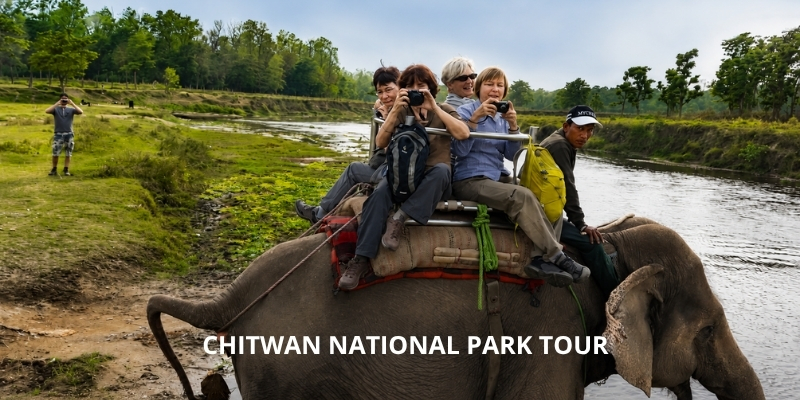
Typical Chitwan trip mix several activity across few days rather than one single safari drive. Expect jeep safari or jungle walk into core park area, canoe ride down Rapti River past basking crocodile, stop at elephant breeding center, and Tharu cultural evening with local stick dance, a performance that actually started as way to scare wild animal off the crop, not just entertainment for tourist.
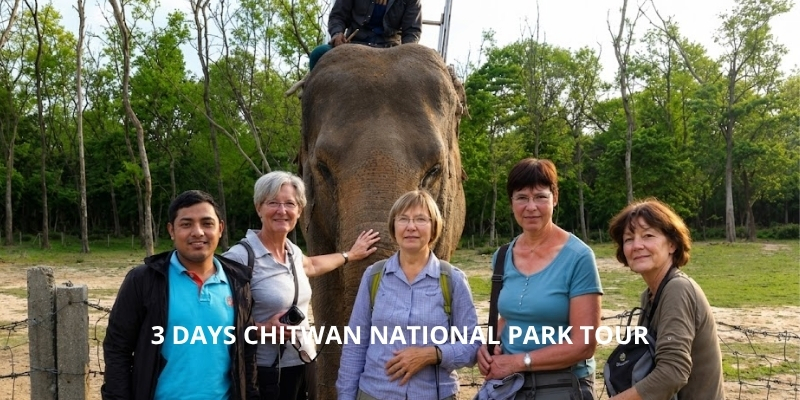
You need licensed nature guide for any activity inside park, this isn’t optional. Nepal’s Department of National Parks and Wildlife Conservation require it for every foreign visitor, whether you’re walking, on jeep, or in canoe. Given park hold genuinely dangerous animal, One-horned Rhino, Bengal Tiger, wild elephant, roaming free rather than behind fence, this rule exist for real safety reason, not bureaucracy. Park entry itself cost NPR 2,000 (about USD 14) per day for foreign visitor in 2026, NPR 1,000 for SAARC national, with separate fee for jeep safari, canoe ride, and breeding center running roughly NPR 500 to 5,000 depend on activity and group size.
Wildlife You Can See On A Nepal Jungle Safari
Chitwan’s most famous resident is greater one-horned rhinoceros, with over 700 roaming park’s grassland and riverine forest, good odds of seeing one grazing or bathing in Rapti River. Royal Bengal Tiger live here too, though tiger stay more hidden in dense sal forest and sighting take real luck. 2022 nationwide census counted 128 tiger inside Chitwan specifically.
Beyond two headline species, expect Asian elephant, sloth bear, gaur (wild bison), and several deer species, spotted deer, hog deer, larger sambar, often alongside rhesus macaque or gray langur monkey in canopy. River system add gharial crocodile (one with long thin snout) and marsh mugger crocodile, plus over 540 recorded bird species. Winter bring migratory bird all the way from Siberia, ruddy shelduck and bar-headed goose among them, while resident species include giant hornbill, peafowl, and several kingfisher.
Best Time For A Jungle Safari In Nepal
October through March is dry season and best window overall, clear sky, mild temperature between 10°C and 25°C, and ground dry enough for jeep safari to actually get around. January and February are particularly good, since local villager cut the tall elephant grass during these month, which meaningfully improve your odds of spotting rhino and tiger near watering hole.
April and May work too if you don’t mind more heat, temperature can climb past 35°C, but that heat actually push animal toward Rapti River to drink and cool off, and migratory bird stay active during this pre-monsoon window. June through September is one stretch to avoid, monsoon rain swell the river and make many jungle track impassable.
Comparing Chitwan Vs Bardiya Jungle Safari In Nepal
Bardia National Park sit far to west, and while Himalaya Guide Nepal don’t currently run dedicated Bardia package, it’s worth understanding difference since it come up constantly when people research jungle safari option in Nepal.
Chitwan hold slightly more tiger in raw number, 128 versus Bardia’s 125 per most recent national census, but Chitwan also get far more visitor, tens of thousand a year against just few thousand for Bardia. That crowd difference actually flip the practical odds: multiple current source researching this exact comparison note Bardia’s lower tourist number and more open terrain give genuinely better chance of actual tiger sighting, even with smaller population. Bardia is also considerably harder to reach, 12 to 18 hour overland drive from Kathmandu, or roughly 1 hour flight to Nepalgunj followed by 2 hour drive.
If tiger sighting odds and true remoteness matter most, Bardia is honest recommendation, even factoring in extra travel. If convenience, easier logistics, and rhino sighting matter more, Chitwan remain the practical choice, and it’s what we currently offer as set package.


