Experience one of the world’s most exciting high-altitude pass and the raw beauty of nature without the full three-week commitment.
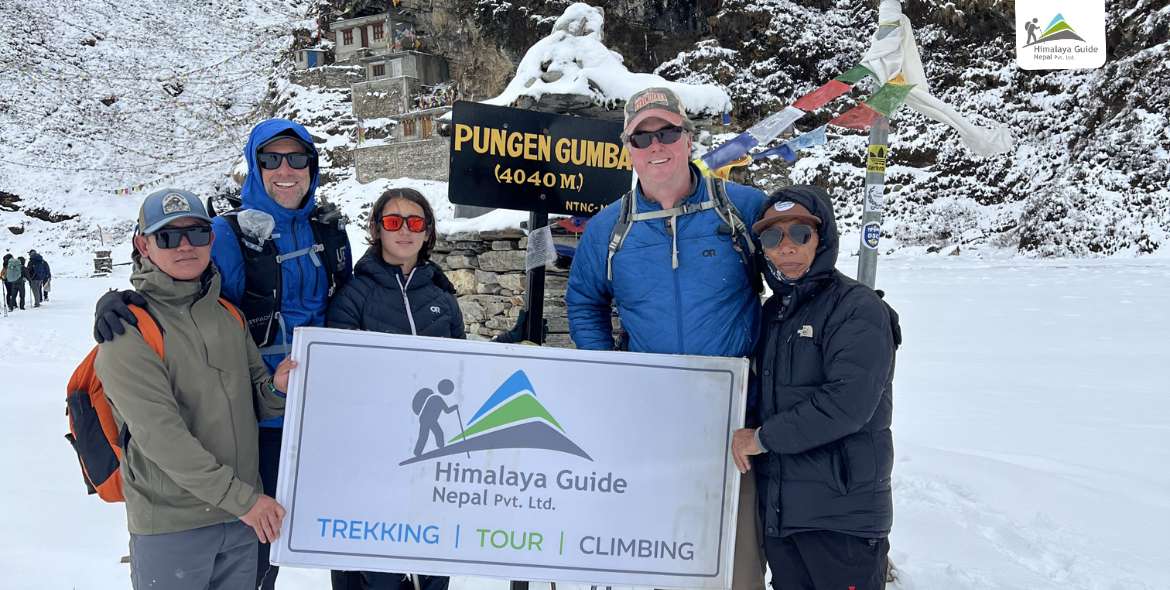
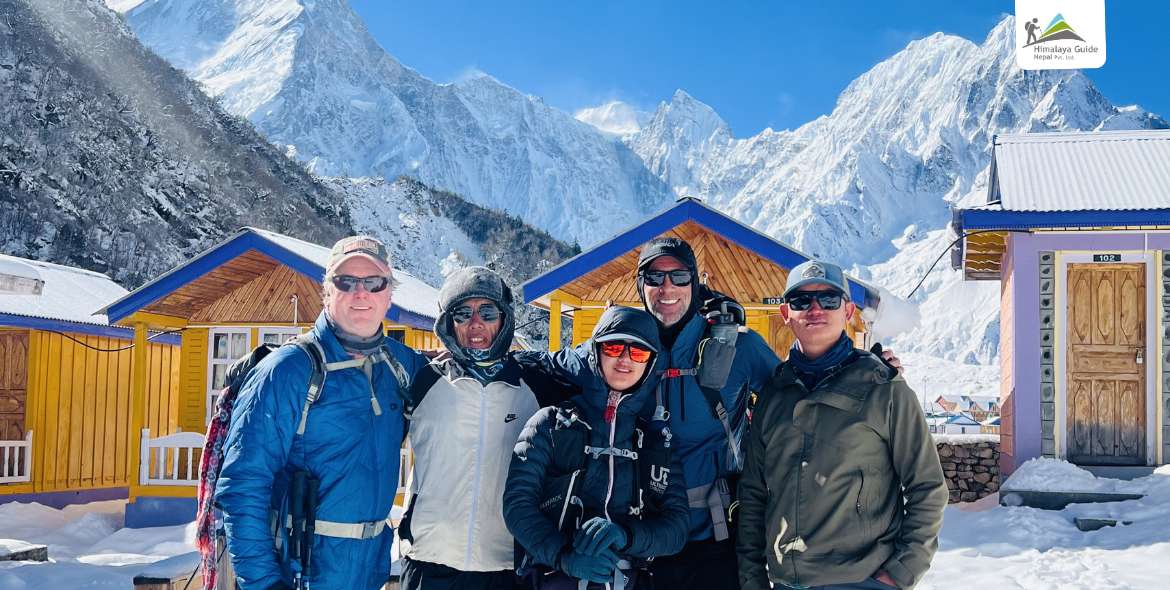
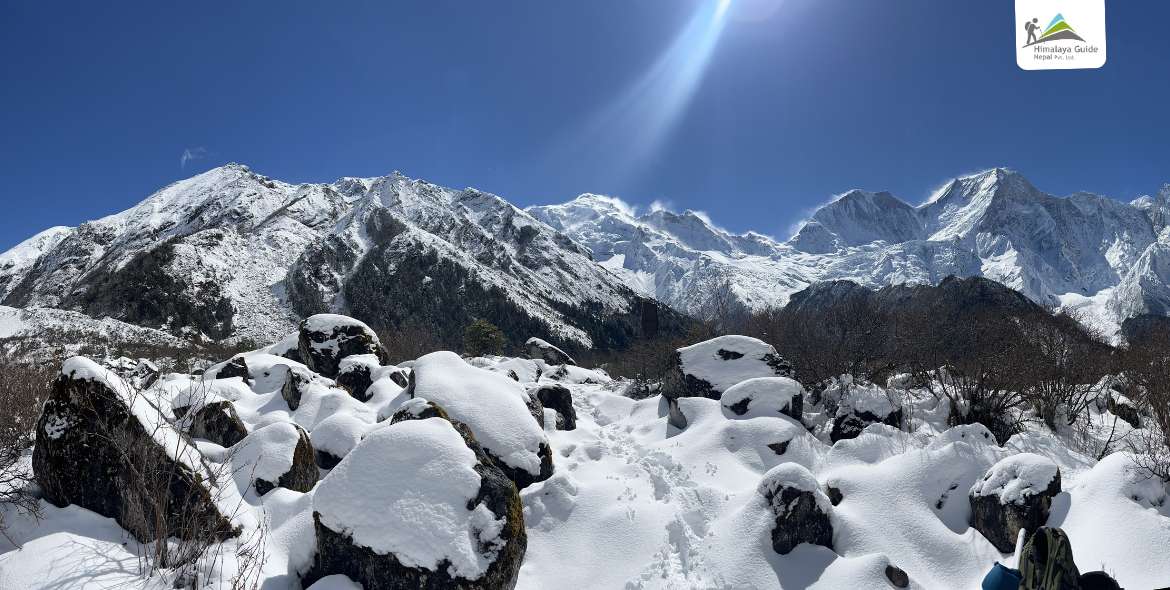
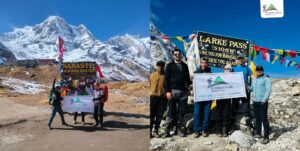
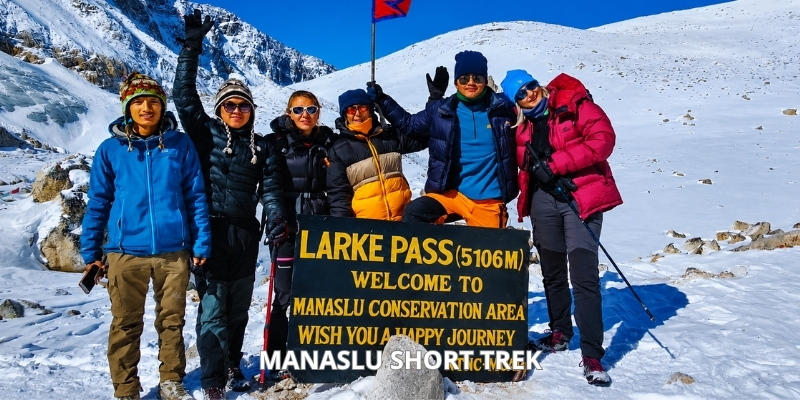
The Short Manaslu Circuit Trek shortens the classic 14-day route around Mt. Manaslu (8,163m), the world’s eighth-highest peak, into 11 days. Although short in duration, the experience is the same: following the Budhi Gandaki River, walking through Tibetan-influenced villages, witnessing numerous mountain peaks, and crossing the iconic Larkya La Pass (5,106 m).
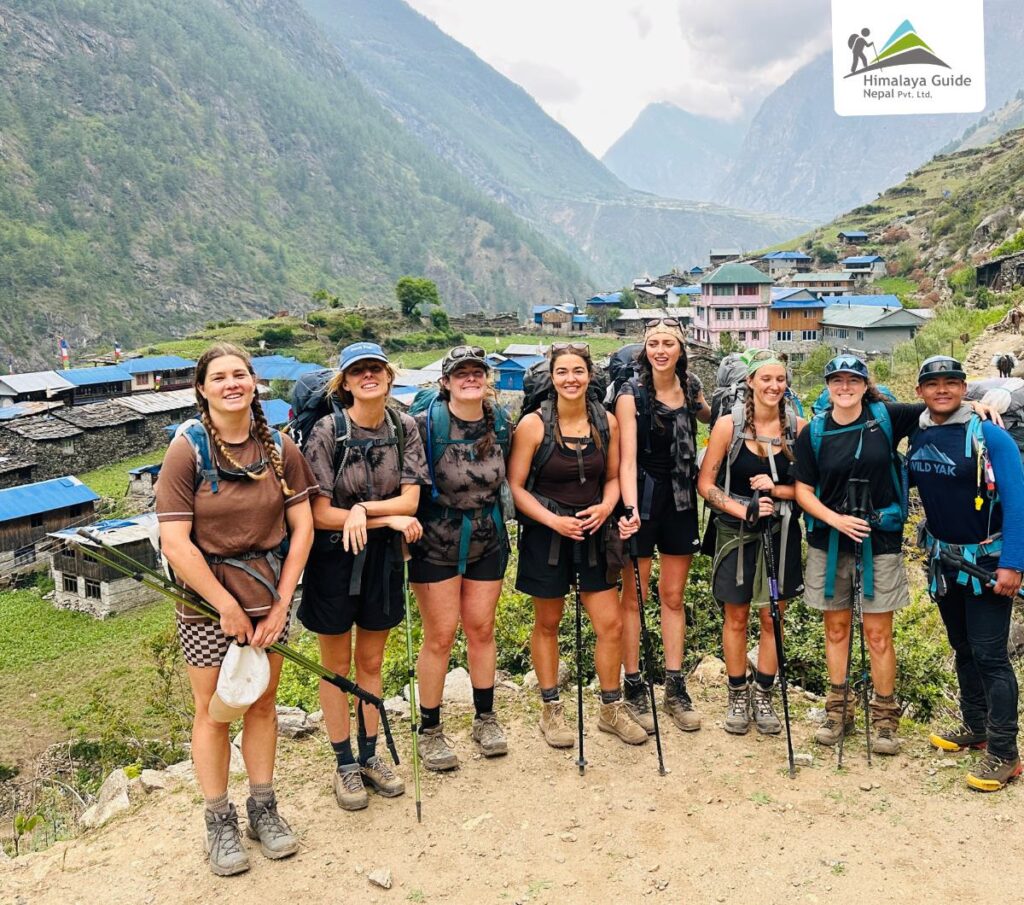
The short Manaslu trek is an 11-day moderate to difficult journey into the restricted heart of the Gorkha Himalayas, circling Mt. Manaslu (8,163 m). The experience is remote, quiet, and far less crowded than Everest or Annapurna, offering a focused version of the classic circuit. The adventure also offers a chance to see different flora and fauna within the Manaslu Conservation Area, adding to the beauty of the trek.
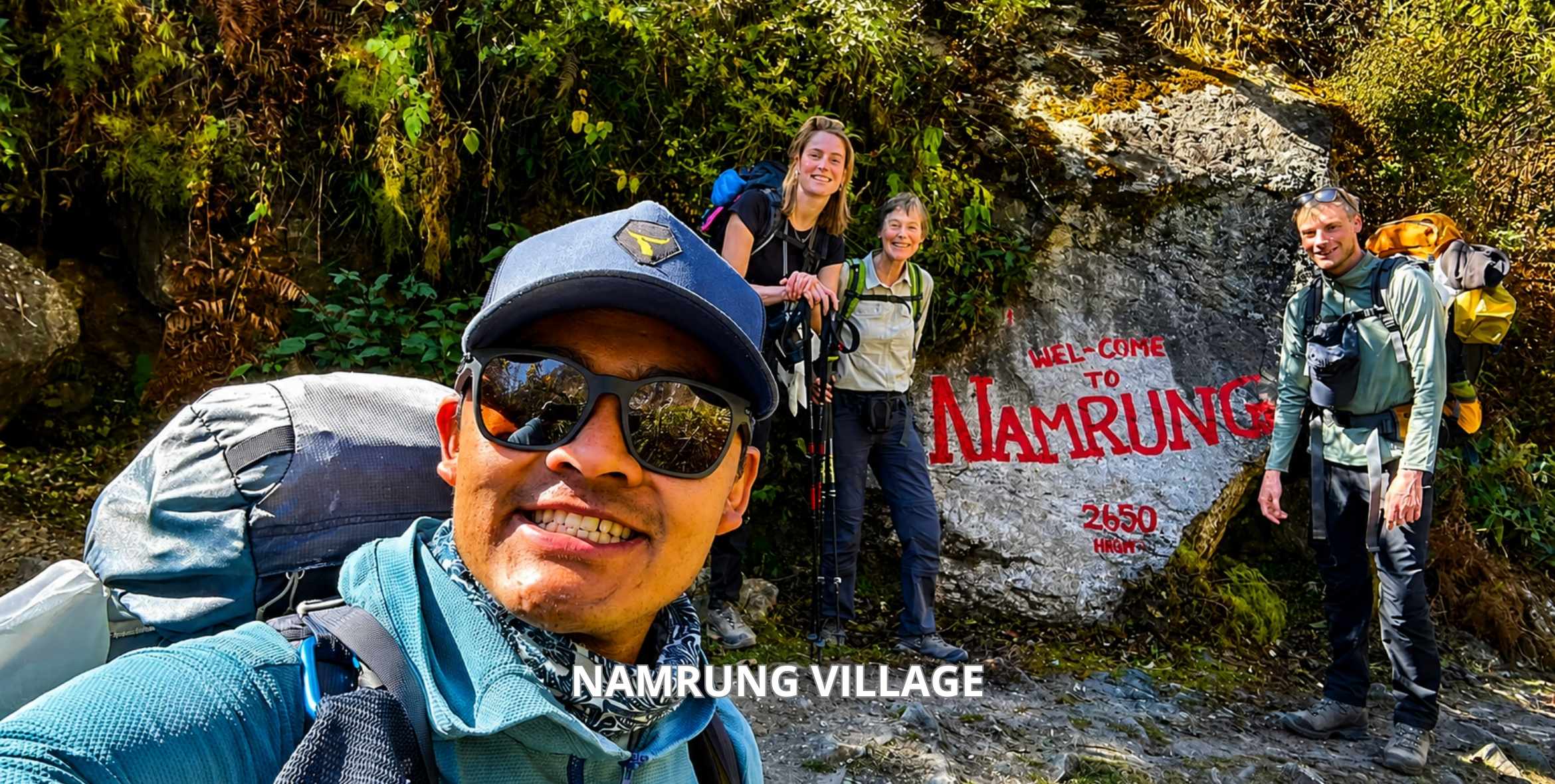
The journey begins with a bus transfer from Kathmandu to Machhakhola, where the trekking route starts after leaving the highway behind. From there, you move through the Budhi Gandaki valley, gradually gaining altitude through river gorges and traditional villages. Then, you’ll cross Larkya La Pass (5,106 m) and descend to Tilije, followed by a public jeep to Besisahar, and a final deluxe bus transfer back to Kathmandu.
Each experience on the Manaslu Short trek is the same as the standard Manaslu Circuit, but the only difference is you won’t have an acclimatization day, and you have to walk for longer hours. This makes the trek a better fit for trekkers who already have some high-altitude experience and have excellent physical fitness.
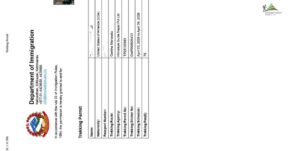
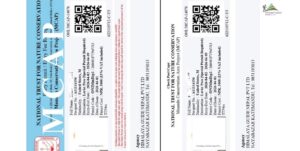
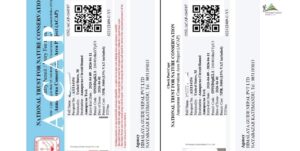
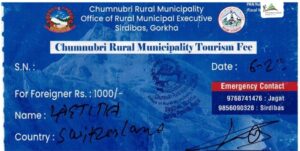
The best time to go for the Short Manaslu Trek is during autumn (September to November) and spring (March to May), when the weather is clear and the temperature is pleasant, which increases the chance of the trek’s success. Besides, the trek’s requirement for permit is same as for the classic one: the Manaslu Restricted Area Permit (MRAP), Manaslu Conservation Area Permit (MCAP), Annapurna Conservation Area Permit (ACAP), and the Chumnubri Rural Municipality Permit.