
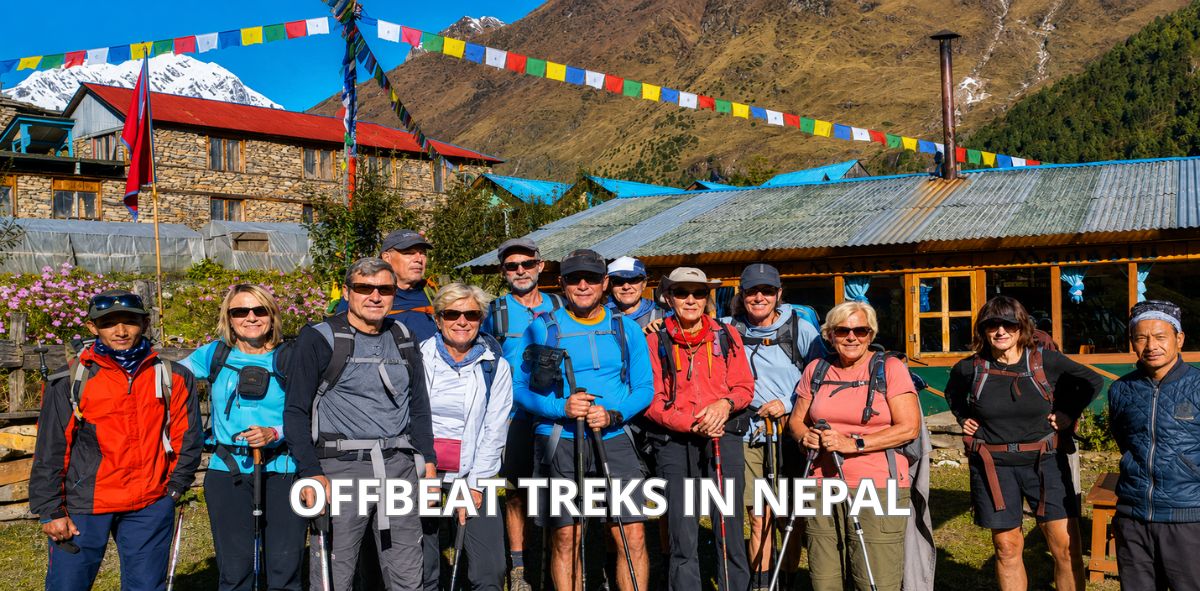


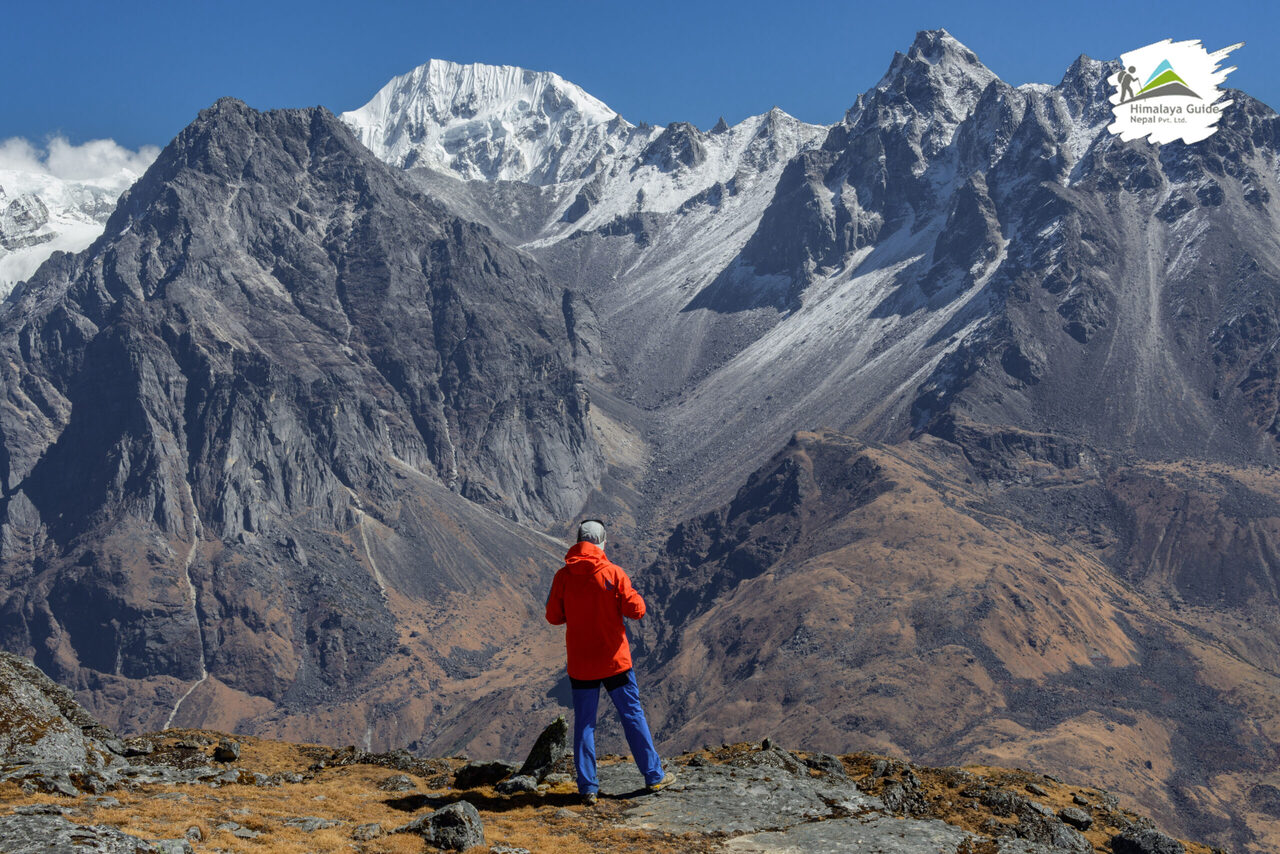
Offbeat treks in Nepal trade some comfort and infrastructure for real solitude, deeper culture, and trail where you might not see another trekker for day. Everest Base Camp and Annapurna Circuit earn their reputation honest, but they’re not only way to see Himalaya. Three route in particular show what that trade actually look like.
3 Offbeat Treks In Nepal
24 Days Kanchenjunga Circuit Trek
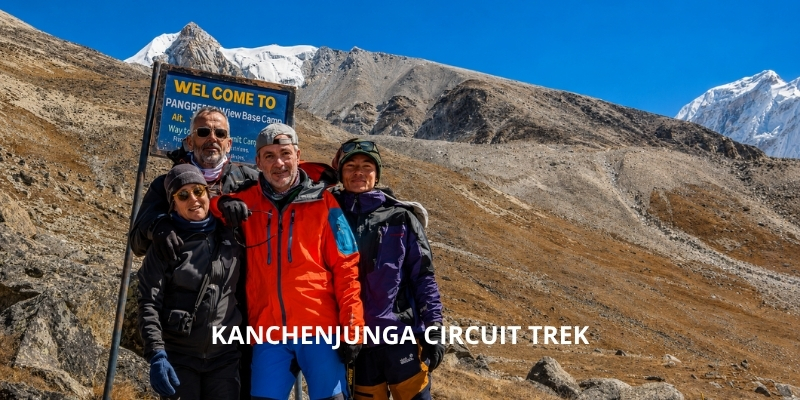
The first trek on offbeat treks in Nepal is Kanchenjunga Circuit Trek which actually run 20 days, circling Mount Kanchenjunga, the world’s third-highest peak at 8,586 metres, along Nepal’s remote eastern border with Sikkim. Opened to trekker in 1988 and still remarkably underused since, route starts from Taplejung to Khebang, reaching 5,143 metres at Pangpema, with acclimatization built in at Ghunsa. This one is explicitly marketed as “not beginner-friendly,” and trail passes through Limbu and Rai community, quite different from Sherpa and Gurung culture you find on Everest and Annapurna route. Price start $1,606 per person for group of 2 to 4, going down to $1,450 for group of 11 or more.
19 Days Guerrilla Trek
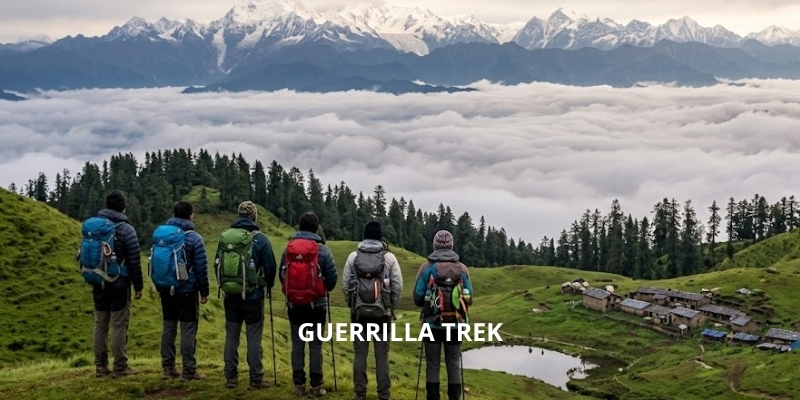
Guerrilla Trek follow paths once used by Maoist fighter during Nepal’s decade-long civil war, from 1996 to 2006, through Myagdi, Rukum, and Rolpa district. Rated moderate, reaching maximum altitude of 3,700 metres, route mix teahouse and camping accommodation and pass through Thakali, Tibetan, Chhetri, Brahmin, and Magar community, with autonomous administration once based in Banphikot, Rukum during conflict years. War ended with peace accord in 2006, and trail today function as genuine piece of Nepal’s modern history rather than active conflict zone.
15 Days Rolwaling Trek
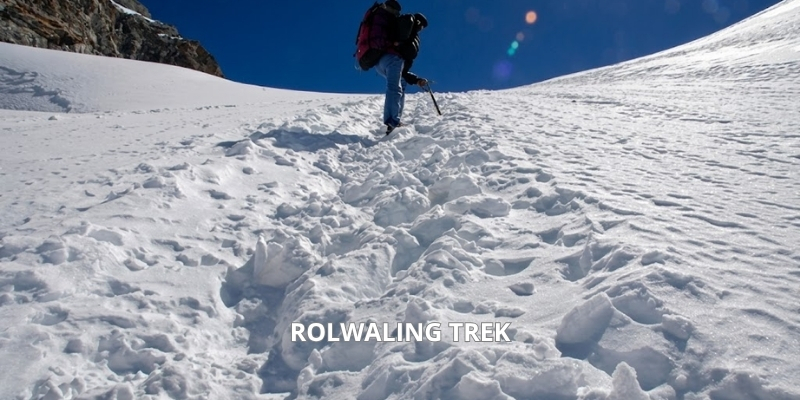
Rolwaling Tashi Lapcha Trek will take 15 days, crossing through Gauri Shankar Conservation Area and Sagarmatha National Park via demanding Tashi Lapcha Pass at roughly 5,750 metres. Rated moderate on the summary label but genuinely challenging in practice given technical pass crossing, route pass Tso Rolpa Lake at 4,550 metres and Rolwaling Glacier, with view of Mount Gauri Shankar (7,153m) and Dorje Lakpa along the way, before some itinerary continue on toward Everest region itself. Price start $2,485 per person solo, going down with group size.
What Makes A Trek Offbeat In Nepal?
Offbeat treks in Nepal generally mean low visitor number, limited or no teahouse infrastructure in upper section, permit system that restrict access rather than just charging fee, and cultural contact with community whose daily life hasn’t been substantially reshaped by tourism. It don’t necessarily mean harder terrain or higher altitude, some offbeat route sit well under 4,000 metres, but it does mean fewer creature comfort and more reliance on experienced guide who actually know the ground.
Offbeat Treks Vs. Everest And Annapurna Treks
Physical walking often isn’t wildly different. What change is everything around it, teahouse on offbeat route are sparse or nonexistent above certain altitude, permit cost more and take longer to arrange, and route-finding depend far more on your guide’s direct knowledge rather than well-marked, heavily trafficked trail. Everest and Annapurna both offer dependable infrastructure, established acclimatization schedule, and huge support network if something go wrong. Offbeat region ask you to trade some of that safety net for solitude and version of Nepal that hasn’t been substantially shaped by three decade of mass trekking tourism.
New Off Beat Routes To Try For 2026
Two route stand out as genuinely new rather than just under-marketed. Jugal Himal Trek center on viewpoint at 5,570 metres with direct sightline to Everest and Lhotse, route only made possible after Nepal Mountaineering Association opened the Jugal peaks for climbing in 2023. Trail remain rough and new by design, running 15 days through Sindhupalchok, region still recovering its tourism footing after 2015 earthquake hit it hard.
Lapchi Trek in Dolakha district is other standout, 13-day route following Tama Khosi River into Lapchi Kang range, considered second holiest Buddhist mountain after Kailash. It reach 4,900 metres at set of high alpine lake, visit four sacred Gompa connected to yogi Milarepa in single day, and finish with unusual stop at Upper Tama Koshi Hydropower Project, 456 MW facility most trekker drive straight past without realizing what’s inside.
What You Give Up On An Offbeat Trekking Route
Predictability, mostly. Teahouse can be basic, inconsistent, or entirely absent above certain point, which is why route like Kanchenjunga and part of Rolwaling and Lapchi require camping gear and support crew rather than relying on lodge-to-lodge trekking. Rescue and evacuation take longer to arrange in genuinely remote terrain. Group size on restricted route are often smaller by requirement, sometime with two-person minimum, and trip cost run higher per day than equivalent Everest or Annapurna itinerary, since permit, camping logistics, and specialized guiding all add expense that well-trodden route don’t carry.
Permits Required For Offbeat Trekking Regions In Nepal
Permit requirement vary sharply by region, but restricted-area route generally need Restricted Area Permit specific to that region, plus conservation area permit, plus in some case a TIMS card, all typically arranged through registered agency rather than something you sort out on your own at border. Kanchenjunga Circuit need Kanchenjunga Restricted Area Permit and Kanchenjunga Conservation Area Permit, plus possibly TIMS card. Jugal Himal need Langtang National Park entry permit plus TIMS. Lapchi need Gaurishankar Conservation Area permit plus TIMS. Guerrilla Trek’s own package list “all legal documents” without naming specific permit individually, since Rukum and Rolpa don’t sit inside formal conservation area the way most other offbeat region do. Restricted area permit cost across Nepal generally run in range of $100 to $500 per person depending on region and season.
Getting To The Trailhead For Remote Treks In Nepal
Access vary enormously by route. Kanchenjunga start with flight to Bhadrapur or Suketar followed by long drive or additional flight to Taplejung. Rolwaling and Lapchi both start with multi-hour drive east out of Kathmandu through Dolakha district. Jugal Himal start with drive to Melamchi, few hours northeast of capital. Guerrilla Trek require reaching Myagdi or Rukum district, generally by long domestic flight or multi-day drive from Kathmandu. None of these are quick weekend add-on, getting to trailhead is itself part of the commitment offbeat trek require.
Teahouses, Homestays, And Camping On Offbeat Trails
Expect genuine mix rather than one consistent standard. Jugal Himal run teahouse lodging for most of route with three night of camping past last lodge near base camp. Lapchi mix teahouse, homestay, and camping depend on the day, with camping required above Lapchi Village. Rolwaling combine lodge and tea house stay with tented section around pass crossing. Kanchenjunga Circuit lean much further toward camping, since teahouse infrastructure across much of route remain limited. Guerrilla Trek run genuine teahouse and camping mix through its more populated district.
Food And Trail Facilities On Offbeat Treks In Nepal
Meal typically run dal bhat and simple teahouse fare at lower elevation, shifting to whatever camping crew can carry and cook once you’re past last village during the offbeat treks in Nepal. Phone signal disappear entirely on some route, Jugal Himal’s own package note signal drop out for days once you leave the road. Electricity for charging device become unreliable or nonexistent in camping section, which is why power bank and spare battery matter more here than on standard teahouse trek. Facility generally get more basic the further route sit from a road, which is precisely the trade-off that make these trek offbeat in the first place.
Best Season For Offbeat Trekking In Nepal
September through November and March through May remain strongest time across nearly every offbeat treks in nepal, we covered. These two season that work best for Everest and Annapurna. Autumn bring clearest mountain visibility after monsoon clear, while spring bring rhododendron bloom at lower elevation and milder temperature. Kanchenjunga’s rhododendron forest in particular peak around April and May. Monsoon season, June through August, is worth avoiding across the board, and winter add serious cold and snow risk on any route crossing high pass, Rolwaling’s Tashi Lapcha and Jugal Himal’s viewpoint both included.
Offbeat Treks In Nepal Vs. Everest And Annapurna Region Treks
| Factor | Offbeat Treks | Everest & Annapurna |
|---|---|---|
| Crowds | Minimal, sometimes zero other trekkers for days | Busy, especially in peak season |
| Infrastructure | Basic to nonexistent above certain altitude | Well-developed teahouse network |
| Permits | Restricted area permits, higher cost, more paperwork | Standard national park or conservation permits |
| Guide dependency | High, route-finding often depends on guide knowledge | Lower, trail is well marked |
| Cost per day | Generally higher | Generally lower |
| Cultural contact | Deeper, less shaped by tourism | Present but more commercialized |
Talk to our local team if you weighing one of these offbeat route against more established trek. We help you figure out what each one actually ask of you, permit, fitness, and budget, before you commit.


