

Away in the far eastern Nepal lies the untouched peaks of the Kanchenjunga massif. The region offers a wild and dramatic geography, with Mt. Kanchenjunga, the third-highest mountain in the world, rising over remote valleys, rugged glaciers, and traditional villages that have changed little over the decades. It’s like a world that forgot to modernize. It lies in the Taplejung district and borders Sikkim and Tibet.
Thus, trekking in the Kanchenjunga region of Nepal is not your classic “tea-house highway” experience. It’s raw, remote, and way more personal. The trails feel older, the villages smaller, and the silence heavier in a good way. You meet Limbu, Sherpa, and Bhutia communities who’ve held onto their traditions for generations. You pass monasteries tucked into cliffs, wooden bridges hanging over whitewater rivers, forests that feel very old, and valleys shaped by glaciers that have been grinding through rock since forever.
It’s trekking stripped back to its original form, no crowds, no rush, no distractions. Just you, the land, and a mountain that doesn’t try to impress you… because it knows it already does.
Below is a list of attractions that you mustn’t miss during your Kanchenjunga trek:
Gyabla Village and Its Timeless Himalayan Culture
As soon as you leave the lower Kanchenjunga north valley on the Kanchenjung Base Camp Trek, Gyabla Village shows up. It’s a tiny village hidden between thick forests, waterfalls, and a tight river gorge. Life moves slowly here, and that’s the entire charm. You actually get to talk to people, sit by their homes, and see how the Limbu and Bhutia communities live.
One of the best stops is the Old Gumba in Faley. It’s believed to contain one of only three statues of a specific Rinpoche, the others being in Lhasa and Dharamsala. Trekkers usually stop by to soak in the calm and watch the prayer flags dance, but after getting there, you can see a lot more. You get to witness old, colorful Tibetan and Buddhist paintings (Thangkas), mani wheels, butter lamps (offering light), dorjes (ritual scepters), bells (drilbu), and musical instruments.

The trail from Gyabla to Ghunsa is all wooden bridges, green forests, and a river that follows you the whole way. Staying here isn’t just a “night break”. It helps your body acclimatize and mentally marks the point at which the trek starts to feel truly wild. More importantly, you may also be able to spot the elusive red panda on this trekking route.
Serene Waters of Dudh Kunda
Dudh Kunda, or Milk Lake, sits above Ghunsa and is one of the most visited acclimatization spots on the Kanchenjunga Base Camp Trek. Trekkers normally hike to this lake on their rest day at Ghunsa. The trail is gentle, and the altitude is just perfect for helping the body adjust. You walk through pine and birch forests, then you enter wide alpine meadows within the Kanchenjunga Conservation Area. Here, you can often spot birds such as the Himalayan monal and other small wildlife.
The lake itself feels calm and untouched. On quiet days, the surface reflects the surrounding hills and the sky in a clear, mirror-like view. You can usually see trekkers relaxing and taking photos after letting their breathing settle. The lake looks small on the map, but once you get there, the size won’t matter. You get a peaceful break before the harder climbs toward Khambachen, Lhonak, and the base camp.
Ghumante Pokhari Below Mighty Jannu
Sitting quietly above Khambachen, Ghumante Pokhari is a small glacial pond fed by the meltwater of Jannu Glacier. The climb takes about thirty minutes with a bridge crossing and a short uphill push. After that, the lake will suddenly appear. The place feels humble at first glance, yet once the water settles, it begins to reflect the mountains with a calm confidence that leaves trekkers speechless.
The best moments happen early in the morning or late in the afternoon, when the light softens, and the sky changes colours. The surface of Ghumante Pokhari becomes a natural mirror. You can see the entire skyline float on water. That said, midday sun and fog often ruin the reflection, so you have to make sure you choose a good trekking season to visit.
Phaktalung, the Sacred Vantage Point for Kirant Devotion

Perched at about 4200 meters, Phaktalung is a sacred site for the Kirant community. It is believed to be where Mahaguru Falgunanda meditated and practiced Tapasya, meaning meditation. Thus, the area naturally exudes a calm, spiritual atmosphere. Visitors immediately feel the cultural and religious significance of this high-altitude sanctuary.
The trek from Khambachen takes about 3 hours over straightforward alpine terrain. The higher you climb, the wider the views become, revealing Mount Khumbhakarna or Jannu in a way you cannot see from lower points. Its sharp ridgelines and towering ice walls dominate the skyline, making it one of the most striking perspectives in the Kanchenjunga region.
Hence, Phaktalung combines adventure with spirituality. Few visitors reach here, so the journey is peaceful and pristine. You get to soak in the silence, take in panoramic views of the Himalayas and alpine valleys, and immerse yourself in the culture, making it a memorable highlight of your trek to Kanchenjunga.

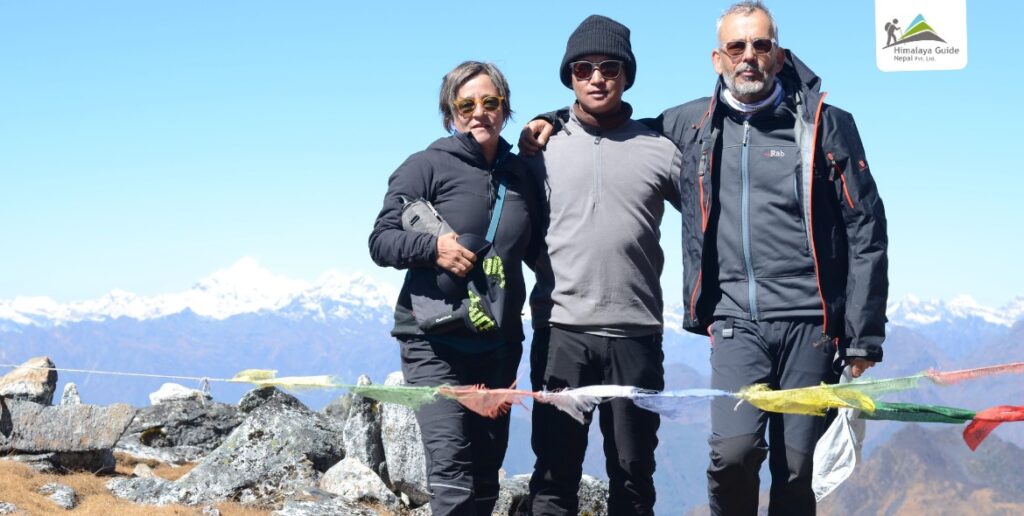
The Kanchenjunga Circuit is a least trekked area located on the eastern border of Nepal. The trails of this trek lead you to Mt. Kanchenjunga (8,586 m), the third-highest peak in the world. Although it was opened to trekkers in 1988, it remains underrated to this day. The two primary reasons might be its remoteness and its being a restricted trekking area. There are two base camps in the region, the North and South base camps. The Kanchenjunga Circuit covers both the Kanchenjunga North and South base camp treks simultaneously, circling the area. The rugged trail, remoteness, and opportunities for camping make this trek an ideal destination for adventure seekers. No matter which Kanchenjunga region package you choose, the major attraction of Kanchenjunga remains the mountain and unique trail it offers.
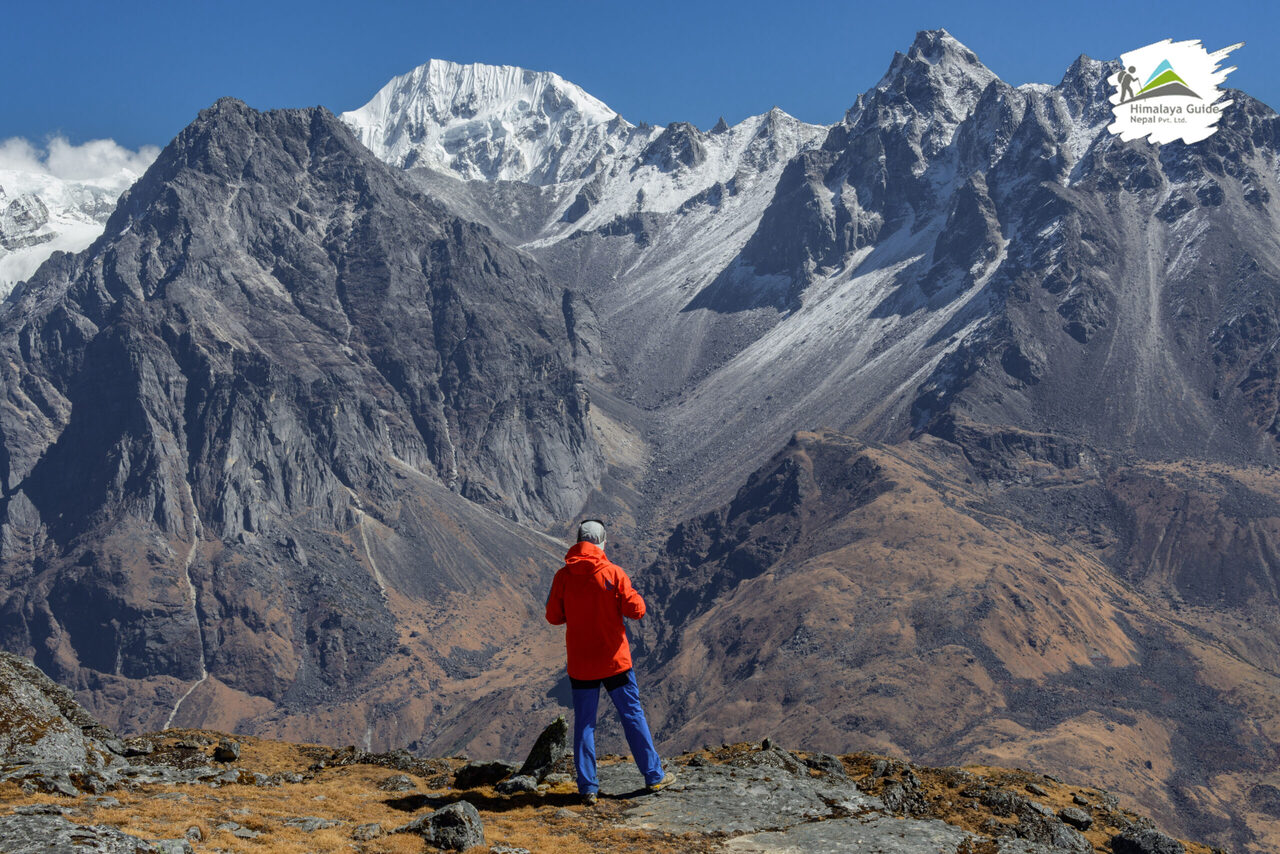
For the trek to Kanchenjunga Circuit, most groups fly to Badrapur from Kathmandu and then drive to Taplejung. The trekking start point is Taplejung, and the ending point is Khebang. Two separate routes head northeastward from Taplejung, one to the north base camp and the other to the south base camp. These routes can be combined into a circuit, making the Kanchenjunga Circuit Trek.
Initially, you will head towards the North Base Camp and return to cross the Sele La Pass (4,290 m) and reach the South Base Camp. You will return via the Tortong route to get to Khebung before driving to Bhadrapur. The Kanchenjunga Trek is one of the less crowded treks, making it suitable for those seeking solitude while trekking. Read along to know more about the Kanchenjunga Circuit Trek.
Sinionla Pass (4646m), Mirginla Pass (4645m), and Selele La Pass (4480m)

Sinion La, Mirgin La, and Selele La are high mountain passes between the Kachenjunga south base camp and the northern base camp. Each of them ranges from 4,400 to 4,650 meters and includes a long, steady, and demanding trek. Their ridgelines are exposed, so the strong wind can make the Kanchenjunga trek more challenging. More importantly, the thin air makes every step feel heavier than usual.
Our guide notes, “Many trekkers find this stretch difficult. It demands patience, focus, and stamina more than speed.”
However, once you reach the top, you feel all those challenges were worth it. From Selele La, the valleys below feel vast. You can see the sharp peaks as the glaciers glint far in the distance. Similarly, Mirgin La brings the mountain vistas closer, and by the time you reach the summit of Sinion La, the northern valleys unfold before you, opening an entirely new world.
As you descend to the northern side, the scenery shifts from glacial corridors to wide alpine valleys to eventually reach Lhonak and Pangpema Kanchenjunga North Base Camp. Every turn offers new, stunning views of jagged peaks and dramatic cliffs that make you stop and stare.
The trek through the passes section is widely considered the hardest on the entire Kanchenjunga Circuit Trek, but also the most rewarding. Standing on those ridges, with the whole region spread out beneath you, is an unforgettable moment.
Nupchu Pokhari
Nupchu Pokhari is another pond that stays tucked so deep into the cliffs. Only locals and seasoned guides know the exact path. Plus, the trail is rough and easy to get lost on, so you should never attempt it alone. The moment you reach the lake, the noise of the world disappears, and the surroundings feel untouched. The place has an ancient stillness that settles on you slowly.
The lake sits under dark ridges and reflects the mountains with an almost unreal clarity. You might also spot Himalayan tahr on the slopes or see signs of snow leopards that pass through these cliffs on peaceful sections. Keep in mind that it is remote and risky to try to visit here without proper guidance.
For those who follow precautions, Nupchu Pokhari becomes one of the most unforgettable stops of the entire circuit. Many say it is the moment when the trek feels truly wild.
Tseram & Ramche Campsite
Tseram and Ramche mark the gateway to the southern stretches of the Kanchenjunga region. These settlements sit in open valleys where the air grows thinner and the nights get colder. You can rest here to acclimatize and gather strength for trekking to the Kanchenjunga South Base via the Yalung Glacier. The terrain around Tseram gives an authentic taste of high-altitude wilderness and prepares both mind and body.

The walk from Tseram to Ramche takes you through a raw glacial corridor, a place of silence and rugged beauty. Every step brings you closer to the heart of the mountains. The open spaces, rocky paths, and occasional patches of snow remind you how remote and wild this region really is.
Finally, you reach Ramche, a high-altitude camp situated at the foot of the Yalung Glacier. Here, the sky feels enormous, and the stars shine brightly. From here, you take the final push to Oktang, also known as Kanchenjunga South Base Camp, to witness one of the most breathtaking views of the Kanchenjunga and other peaks.
Plan your trip to Kanchenjunga with Himalaya Guide Nepal and enjoy the majestic views of the respective massif without missing any of the top attractions of the Kanchenjunga region.


