

Most trekkers treat Kathmandu as just a first stop before the mountains. You arrive, adjust to the time zone, organize gear, and focus on the mountains ahead. But if you slow down and take a Kathmandu sightseeing tour, you see that the city is not a pause before the journey. Home to 4 UNESCO World Heritage sites, the capital is the foundation of most trekking journeys. In the old squares, you walk on stones shaped by centuries of kings, traders, and craftsmen. In neighborhood courtyards, you hear bells ring and see daily rituals that continue without performance or explanation. You do not just observe culture here. You move through it. That experience changes how you see everything that follows.
You understand this more deeply when you stand among pilgrims at Boudhanath, watch cremation rites unfold at Pashupatinath Temple, or climb the steps to Swayambhunath at sunrise. Here, you see how faith, nature, and daily life connect and begin to understand why the mountains are not just landscapes but sacred spaces. By the time you leave Kathmandu, you are not simply traveling to higher ground. You are carrying context with you, and that makes the trail feel deeper and more personal.
Kathmandu Valley Tour
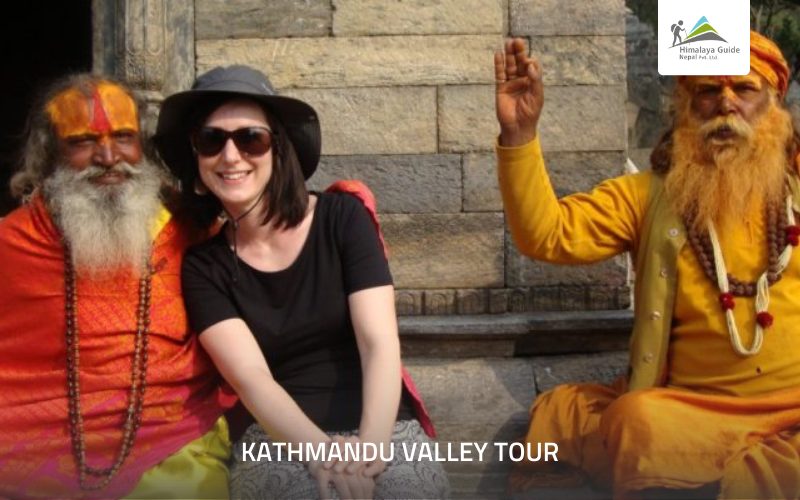
The Kathmandu Valley Tour is the classic first experience in Nepal. It takes you through the main cultural highlights of the valley, mainly Kathmandu Durbar Square, Swayambhunath (Monkey Temple), Patan Durbar Square, Pashupatinath Temple, and Boudhanath. We reserve one full day to help you visit and learn about Nepali royal palaces, Buddhist stupas, Hindu temples, and the streets where daily life meets centuries-old architecture. If you want to experience a lot of culture effortlessly, this tour is a perfect add-on before or after a trek.
The Kathmandu tour itinerary focuses on culture. You’ll see carved windows, palace courtyards, and hidden shrines, and watch how local traditions continue in the public squares. You’ll notice Hindu and Buddhist people sharing spaces, locals using temples for both prayer and socializing, and how the royal past shapes the city’s layout. The 3-day itinerary is designed to give a full cultural experience without rushing. It actually gives you time to enjoy the atmosphere, watch artisans at work, or stop at a cafe along the way.
Shivapuri National Park Hike
Then there’s the Shivapuri National Park Hike, which offers a completely different side of the Kathmandu Valley. This 20 KM round-trip route to the 2,732 M peak is popular as a quiet escape from busy city life. Located on a forested hill north of Kathmandu, the park provides a green backdrop to the valley, with trails that pass monasteries and offer wide views of the city and distant mountains. It works perfectly as a day tour, after exploring temples and palaces. More importantly, it provides a solid workout for your legs before or after a longer Himalayan trek.
The most common route starts at Budhanilkantha or Pani Muhan and passes through Nagi Gumba (a nunnery) and Baghdwar, the source of the Bagmati River. The trail follows forest roads and stone steps through oak and rhododendron woods, gradually leaving city noise behind. Along the way, you’ll hear birds, enjoy the quiet of the forest, and, on clear days, see Ganesh Himal, Langtang Lirung, and wide panoramas of the Kathmandu Valley. The hike is moderately challenging, with 6-8 hours of walking and a steady ascent that doesn’t require technical skills.
If you’re reasonably fit, enjoy longer walks, and want nature and quiet without committing to a multi-day trek, the Shivapuri hike is one of the best ways to start.
Major Location Highlights Of Sightseeing Tour in Kathmandu
On the Kathmandu city tour, you’re not just checking off famous sites. You’re experiencing the places that shape the capital’s character, history, and culture. From historic royal squares to hilltop stupas and riverside temples, each stop reveals a layer of history, faith, and local life. Below is a guide to the major locations you have to visit, highlighting their specialties so you understand their significance, not just their names.
Kathmandu Durbar Square
Kathmandu Durbar Square is the historic heart of the city and the former royal palace complex of the Malla and Shah kings. Recognized as a UNESCO World Heritage site, it is home to Hanuman Dhoka Palace, famous for its intricately carved wooden windows and balconies, and the residence of the living goddess Kumari, who is still revered by locals and occasionally appears on the palace balcony for blessings. It also features the Jagannath Temple, widely known for its erotic carvings, and the Kashi Vishwanath Temple, tucked into a quiet side courtyard.
You can see street vendors sell traditional handicrafts, clay figurines, prayer beads, and local snacks, adding color and lively atmosphere to the space. Take it slow and wander side alleys and hidden courtyards. Pause and admire the wood and stone carvings that tell stories from Nepalese mythology. After all, the charm lies in these details and the rhythm of daily life that continues here.

Pashupatinath Temple
Pashupatinath Temple is one of the most important Lord Shiva temples in the Hindu world, recognized as a World Heritage Site by UNESCO. It is a complex of over 500 shrines and structures that stretches along the sacred Bagmati River on Kathmandu’s eastern edge. It consists of a gold-roofed main temple with silver-plated doors and a four-faced Shiva lingam, guarded by a towering statue of Nandi, Shiva’s bull (Vahana, meaning divine vehicle or mount). You can witness sadhus in ash and saffron robes, smaller temples, and ritual platforms create a continuous flow of worship and activity around its sorroundings.
Along the river, you can see families perform traditional open-air cremation rites on stepped ghats, washing the body, placing marigolds, and immersing the ashes in the Bagmati, which flows into the Ganges. In the evening, the Bagmati Aarati fills the riverbank with ghee lamps, bells, and chanting, blending mourning, devotion, and celebration. Visitors typically watch from across the river or designated terraces, where a knowledgeable guide can provide context, allowing you to observe with respect and understanding.
Swayambhunath
Swayambhunath, also known as the Monkey Temple, is another UNESCO World Heritage Site. This monument is situated atop a hill west of Kathmandu, crowned with a white dome and four pairs of Buddha eyes watching over the valley. It consists of a steep stone staircase of about 365 steps, lined with small shrines, prayer wheels, and the occasional souvenir stall where you can pause and catch your breath. At the summit, the main stupa is surrounded by chaityas, monasteries, and statues.
It houses about 200-300 “holy” monkeys that roam the railings and trees, adding a playful, wild element to the sacred atmosphere. It is a religious center for both Buddhists and Hindus. You’ll always see them walk clockwise around the stupa, spinning prayer wheels clockwise and offering butter lamps, while some just enjoy panoramic views. The views are particularly striking at sunrise and sunset. The scenery of light sweeping across the valley and the mingling sounds of bells, chants, and monkeys create a unique, spiritual rhythm.
Boudhanath Stupa
Boudhanath Stupa is one of the great stupas recognized UNESCO World Heritage Site. Actually, it is one of the world’s largest spherical stupas, with a vast white dome topped by a golden spire rising from a circular plaza on Kathmandu’s northeastern side. It is the spiritual heart of Tibetan Buddhism in Nepal, surrounded by more than 50 monasteries (gompas), rooftop cafes, and shops selling prayer flags, malas, and butter lamps. Hundreds of prayer wheels inscribed with “Om Mani Padme Hum” circle the base, where locals and visitors can do the clockwise kora alongside monks, nuns, and pilgrims.
The atmosphere turns vivid as evening falls. Devotees light butter lamps, chant, and offer incense, turning the stupa into a glowing mandala of flame and shadow. Festivals such as Lhosar and Buddha Jayanti bring extra color and energy, but even on a quiet, normal day and night, Boudhanath, frequently called “Little Lhasa,” remains a serene, humming center of Tibetan culture and meditation.
Optional Extensions Near Kathmandu
If you have extra time beyond the main Kathmandu sightseeing loop, we can also add a few nearby options as extensions. Patan Durbar Square and the stone-carved Krishna Mandir lie just across the river in Lalitpur district. They offer a quieter “city of arts” experience, with stunning Newar architecture and museums. You can also visit Shivapuri Nagarjun National Park on the northern outskirts of Kathmandu, at the edge of the valley, for a full-day nature retreat to make the best of your sightseeing in Kathmandu.


