

Winter trekking in Nepal, from December through February, carries an unfair reputation, and most of it stems from assumptions. Travelers from Europe or North America picture winter the way they know it back home: grey skies, frozen roads, and biting cold. That instinct is understandable, but it does not apply here. In Nepal, winter means crisp mornings, warm sunny afternoons, and skies so clear you can trace every ridge and glacier on the horizon.
The reason is simple. The Great Himalayas stretch across the entire northern border and form a natural wall that blocks the cold air sweeping down from Central Asia. So, the valleys and trails remain mild, dry, and manageable. The higher elevations, however, are cold, and passes like Larkya or Thorong La often get snow and freezing temperatures. But anywhere below 3,500 M, the conditions are genuinely pleasant.
Thus, trekking in winter in Nepal is not a compromise but a chance to enjoy the Himalayas at their clearest, quietest, with lodges and trekking agencies offering generous discounts that make the whole experience surprisingly affordable. For the traveler willing to look past the assumption, it is simply the better way to experience it.
Here are our top 10 handpicked winter deals in Nepal that deliver the best of the season, quiet trails, clear skies, and prices that make the decision easy.
Ghandruk Poonhill Trek In Winter
For travelers searching for the best winter vacation deal without extreme cold-weather demands, the Ghandruk Poonhill Trek is the perfect starting point. Reaching a maximum elevation of 3,210 M at Poon Hill, temperatures here stay manageable even through January and February, cold but never punishing. This is one of the most accessible trekking packages in Nepal, ideal for first-timers and budget travelers looking to book a rewarding winter trip without overspending.
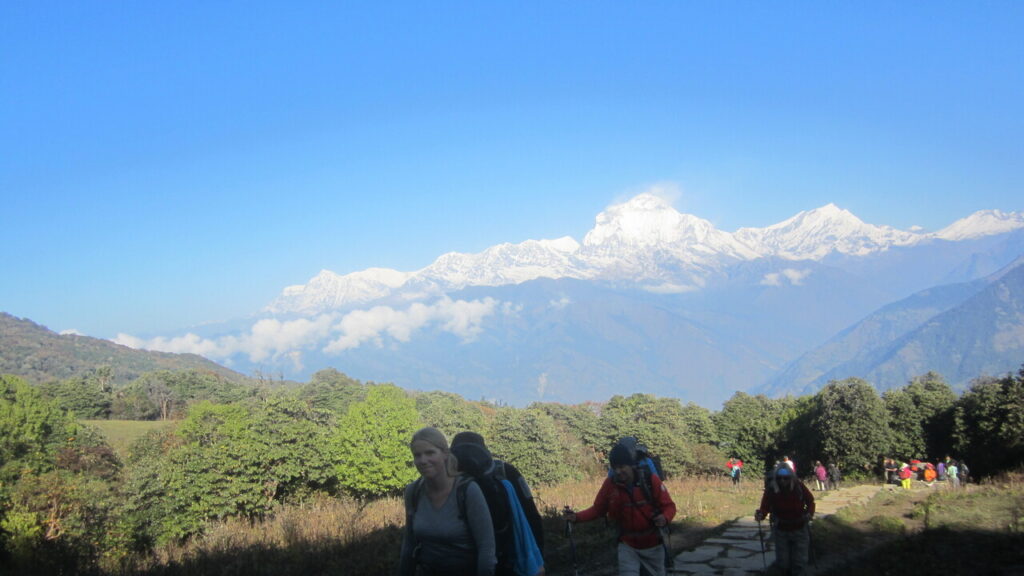
The best part of this winter deal is what greets you at Poon Hill each morning. In peak season, hundreds of trekkers crowd the sunrise viewpoint. But in winter, you practically own it. You can view the Dhaulagiri, Annapurna I, Machhapuchhre, and Annapurna South glow in sharp, haze-free light that no spring morning can replicate, with less chatter. The bare forest trails leading to Ghorepani carry their own stark, dramatic beauty in the cold months, and daily walking distances remain comfortable throughout.
Similarly, the Gurung village of Ghandruk adds deep cultural warmth to this travel package. The lodges often light a fire in their yards and hold cultural performances during festivals or events. These include the Ghandruk Tourism Festival in February, the Winter Solstice from December 21-22, and the Gurung New Year (Tamu Lhosar) in January or February, which becomes as much a part of the holiday as the views. Priced from USD 620 per person, with group discounts available, this 4-6 day trek is one of the best winter deals on this list.
Chisapani Nagarkot Hike In Winter
Not every winter vacation requires a flight to Pokhara. The Chisapani Nagarkot Hike begins right at the edge of Kathmandu. It winds through Shivapuri Nagarjun National Park and delivers a Himalayan panorama stretching from Everest to Annapurna, all in just 4 days at a very attractive price. For travelers looking to find the best deals on a short Nepal holiday, this package offers the best rates for big Himalayan views without permit complications or long travel days.
At a maximum altitude of 2,175 M, this is also one of the smartest winter travel choices, free of the risk of altitude sickness. You can enjoy crisp, dry mornings at Nagarkot, where the entire eastern horizon opens up in extraordinary clarity. On a clear January or February day, Everest, Langtang Lirung, Ganesh Himal, and Gaurishankar line up in one unbroken skyline that no other season can match consistently.
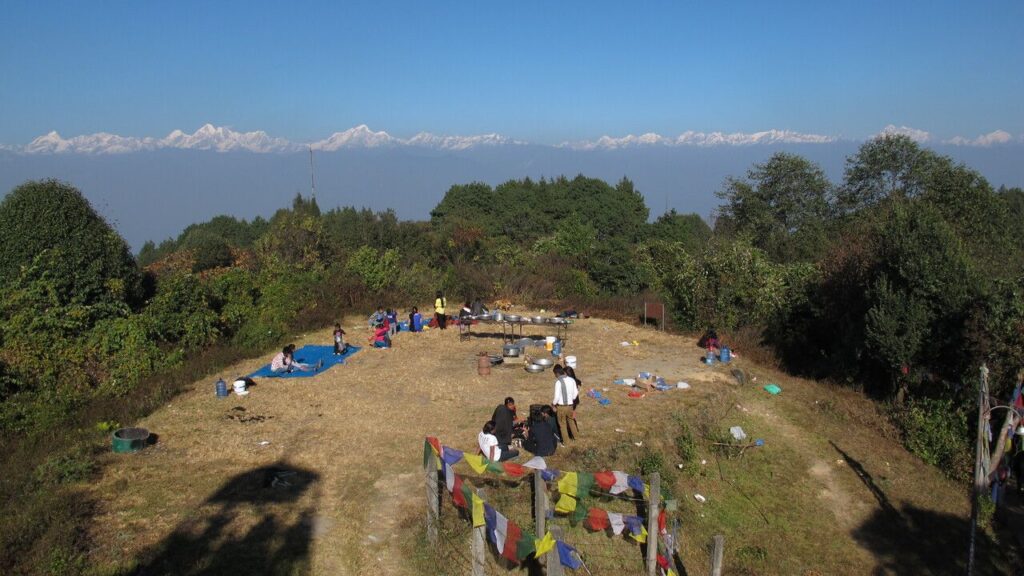
At the end, the hike takes you to the ancient Changu Narayan Temple, a UNESCO World Heritage Site that adds a meaningful cultural dimension to the overall vacation experience. Hotel and lodge stays along the route are comfortable, affordable, and often quiet in the off-season. So, this is one of the best choices for a Nepal winter trip here if time, budget, and ease of travel are all priorities.
Short Annapurna Base Camp Trek In Winter
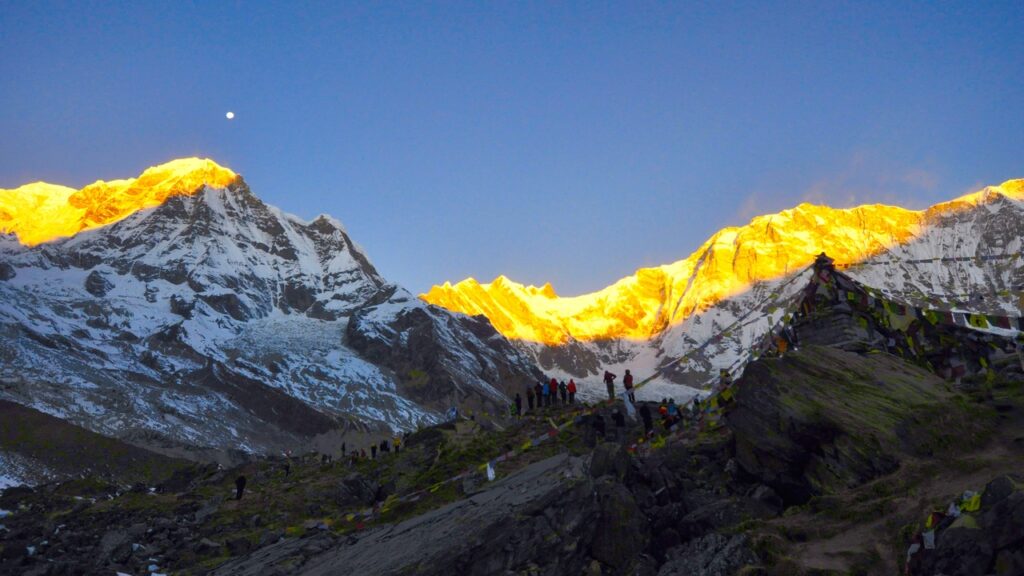
If you want a closer look at the Himalayas, the Short ABC trek in winter also offers a unique experience. Snow-dusted peaks encircle you inside the amphitheater, frozen waterfalls line the gorge below Machhapuchhre Base Camp, and the lodges along the route offer warm stays at off-season prices that peak-season trekkers never enjoy. This 8-day winter vacation package is among the best deals for anyone who wants a world-class Himalayan trek at a genuinely reduced daily rate.
The route heads straight into the sanctuary via the Modi Khola gorge, passing through Chhomrong, Bamboo, Deurali, and MBC before reaching ABC at 4,130 M. Each stop carries a distinct character in winter, snow-laden forests, steaming dal bhat at quiet teahouses, and nights under extraordinarily clear skies. You will not find better hotel and lodge availability at these prices during the busy travel months of October and November. In winter, you book easily, settle in comfortably, and move at your own pace.
After the descent, the natural hot springs at Jhinu Danda are a free bonus. It hits especially hard after days of cold-weather trekking, a hot soak you will talk about long after you return home. Priced from USD 556 per person with group rates down to USD 440, this trek is one of the strongest value packages on this list.
Mardi Himal Trek In Winter
The Mardi Himal Trek is Nepal’s best-kept Annapurna secret and one of the most rewarding winter deals for travelers. Opened to trekkers only in 2012, it offers you solitude, altitude, and a genuinely off-the-beaten-path vacation. It reaches a maximum elevation of 4,500 M at Mardi Himal Base Camp, a bit higher than the Short ABC Trek. However, only a small number of trekkers choose this trail even during the best travel months. Thus, in winter, the trail is nearly yours alone, with daily teahouse prices lower than any peak-season rate.
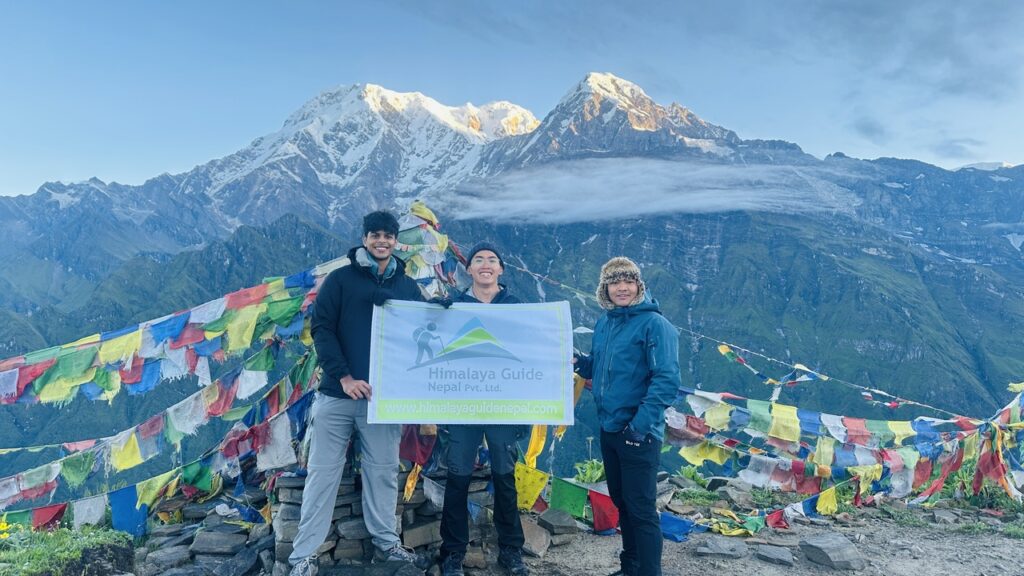
The route climbs a forested ridge with some of the closest views of Machhapuchhre you can get without a mountaineering permit. The temperatures at High Camp drop to around -8°C at night, so you need a solid layering system, but the reward at sunrise is worth every cold hour. The golden peaks of Machhapuchhre and Annapurna South behind it give the entire scene a clarity that spring and autumn simply cannot deliver.
Additionally, the teahouses along this trail are small and mostly family-run. So, you get intimate stays and genuine hospitality at very affordable nightly rates. For travelers who want to book a winter vacation package that goes beyond the standard Nepal holiday, Mardi Himal is the ideal choice. Priced from USD 625 per person, this deal rewards the curious traveler over the crowd-follower every single time.
Langtang Short Trek In Winter
The Langtang Short Trek is the best winter travel deal for anyone who wants high-altitude Himalayan atmosphere without the logistics of flying to Pokhara. Located north of Kathmandu in its own distinct mountain region, this winter vacation package takes you into a completely different skyline of Langtang Lirung, Dorje Lakpa, and Ganesh Himal, and a deeply different culture, at some of the best available prices on the Nepal winter market.
You can witness the strong Tibetan Buddhist roots as you trek through the Langtang Valley. The local Tamang people, known for friendliness and resilience, and the valley itself feel genuinely remote in winter. Kyanjin Gompa at 3,870 M carries a meditative stillness under winter snow, yak pastures lie quiet, monastery prayer flags snap in the cold wind, and the village moves at a pace that feels more like a retreat than a tourist holiday. Hotels and lodges remain more affordable and less crowded than during peak season.
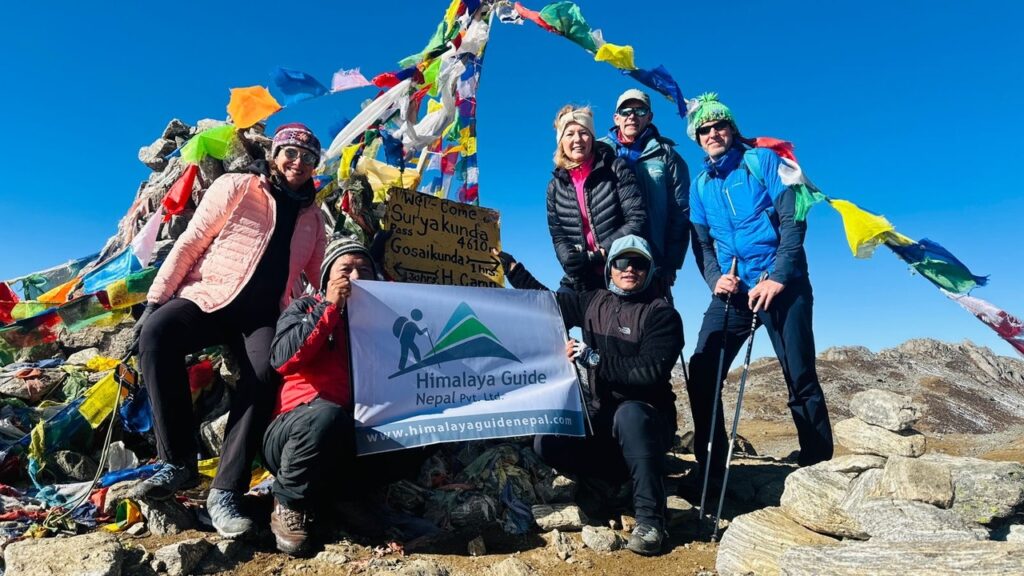
If you’re a first-timer or a returning visitor wanting a different regional experience, this trek delivers extraordinary value per day of travel. It is accessible, meaningful, and priced to save, exactly what a best winter deal should look like. Book your trip to Langtang in January or February, and you will have the valley almost entirely to yourself.
12 Days Tour In Nepal In Winter
The 12 Days Tour in Nepal is the only non-trekking package on this list, and in winter, it may actually be the most versatile deal of all. Designed for travelers who want to experience Nepal’s full range, cultural heritage, mountain scenery, and jungle wildlife, without committing to a single high-altitude trail, this winter vacation package covers everything at a price that makes excellent sense in the off-season.
The tour moves through Kathmandu’s UNESCO World Heritage Sites, Pokhara’s lakeside calm, and Chitwan’s wildlife-rich jungle. Winter is the single best season for Chitwan National Park. The dry conditions push rhinos, elephants, and birds toward water sources, making daily animal sightings more reliable than at any other time of year. There are no leeches, no rain in the jungle paths. You get comfortable hotels throughout the tour, with rates lower than during the busy spring and autumn travel seasons.
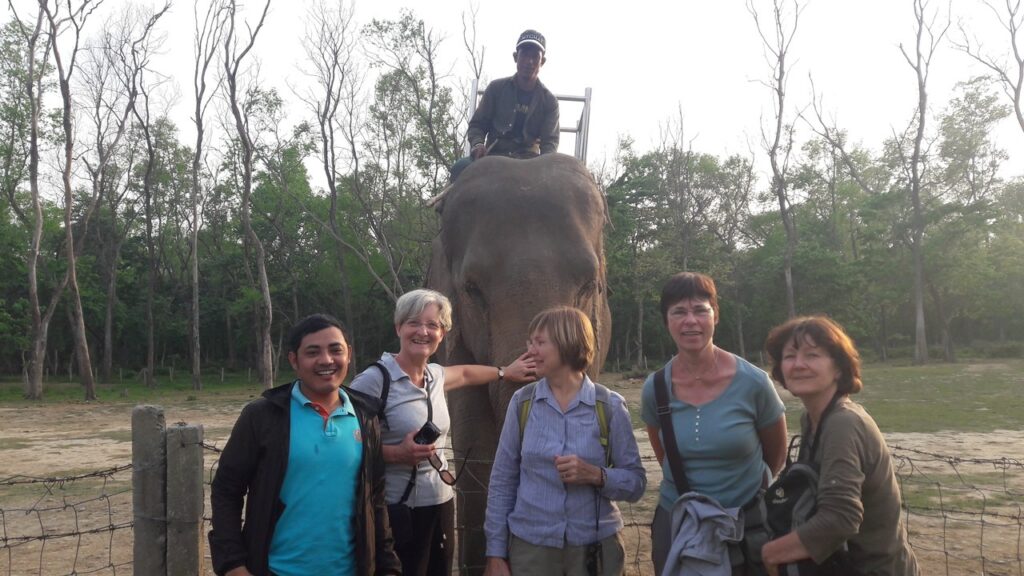
Similarly, you get to enjoy the Himalayan sunrise at Nagarkot, the sacred Buddhist circuit at Lumbini, and the serene reflection lakes of Pokhara, across the 12 days. Thus, this winter travel package offers the broadest range of experiences on this list. It suits mixed groups, couples, families, and first-time Nepal visitors who want to find the best deals without limiting their holiday to a single trail. By the end of the tour, you will return having seen the best the country has to offer.
Tsum Valley Trek In Winter
Tucked into the Manaslu region and designated a non-violent conservation zone, this 14-day Tsum Valley Trek winter vacation package takes you into one of the most protected and least-visited valleys in the Himalayas at a lower price. You get to explore the centuries-old way of life of the Tsumba people, with their deep Tibetan Buddhist heritage. You won’t find such a unique cultural encounter anywhere else in Nepal.
The trek reaches Mu Gompa at 3,700 M, passing ancient monasteries, Mani walls, and Milarepa’s legendary meditation cave. In winter, these trails see almost no foreign visitors. You get to experience sacred sites like Rachen Gompa nunnery in complete peace, walk through villages where local life moves at a quiet, unhurried pace, and stay in intimate and affordable lodges along the route. January and February are particularly rewarding months to visit. During this time, the cold sharpens the silence, and the mountains above the valley offer stunning clarity.
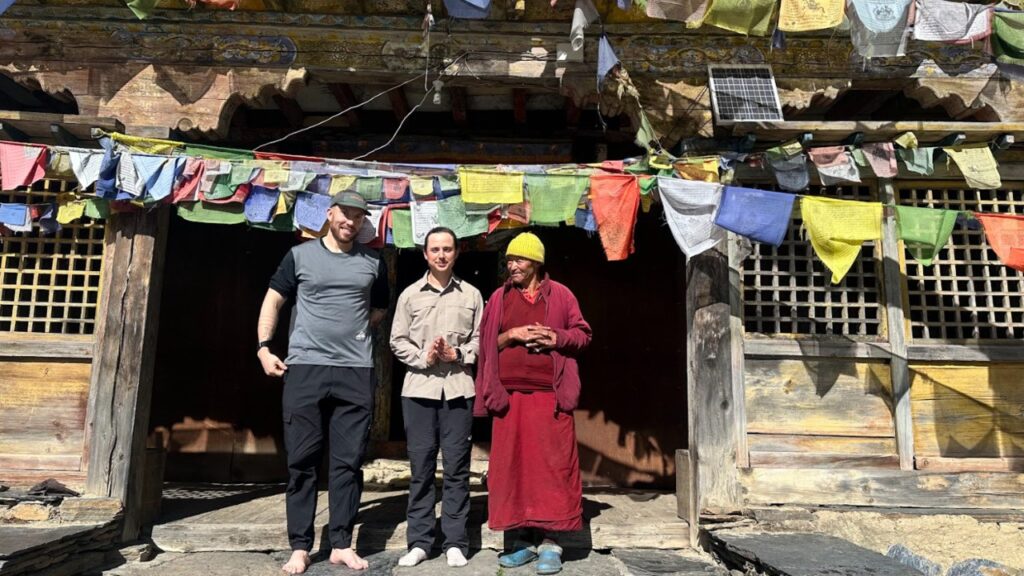
Permit prices, such as the Tsum Valley Restricted Area Permit and the Manaslu RAP, are discounted in winter while keeping crowds out and the valley protected. That restriction is also what makes this one of the most exclusive winter travel deals available in Nepal.
Annapurna Circuit Trek In Winter
If you want a longer trek within the Annapurna region, then the Annapurna Circuit Trek is also a great pick. The highlight is Thorong La Pass at 5,416 M, the highest point across all 10 deals on this list. Crossing it in winter, through wind-packed snow with an empty trail ahead, is a genuine achievement that is hard to match anywhere else.
What makes the circuit truly special, though, is its diversity. The trail begins by moving through subtropical forests in the south, then gradually rises into the drier, Tibetan-plateau region of the Mustang rain shadow in the north. Along the way, it passes through some of the most culturally rich stops in Nepal, the sacred pilgrimage site of Muktinath, the medieval village of Manang, and the apple orchards of Marpha, where trying the local brandy is an unofficial trail tradition. In winter, you get to experience all of this without the crowds, and on top of that, hotel and teahouse rates sit at their lowest of the entire year.
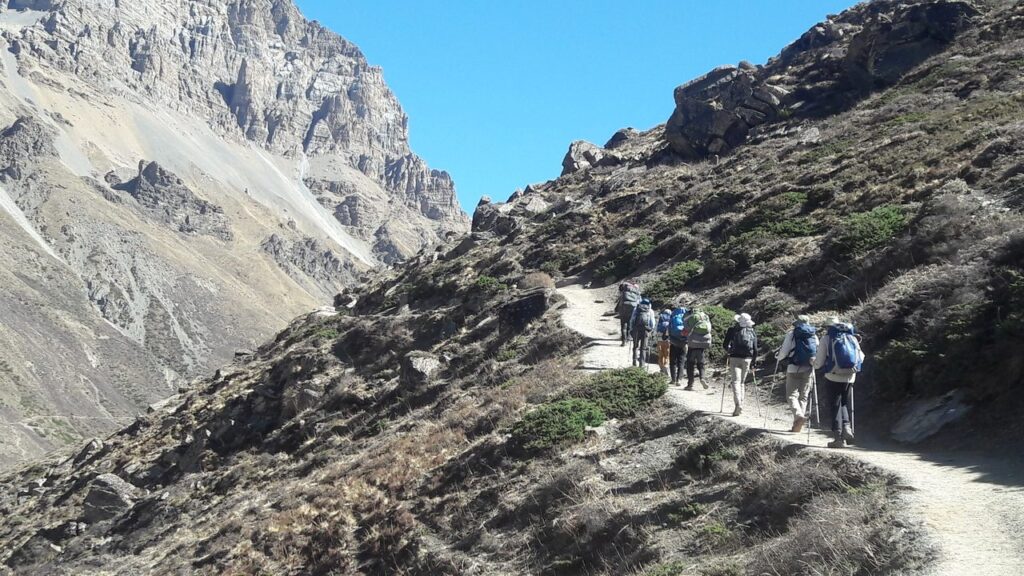
That said, a licensed guide is essential for a winter circuit. Weather conditions shift pretty quickly at high altitude, and pass conditions need to be verified before you attempt the crossing. For trekkers willing to prepare properly, the Annapurna Circuit in winter combines adventure, culture, and solitude in a way that few treks anywhere in the world can.
Ruby Valley Trek In Winter
The Ruby Valley Trek carries one of Nepal’s most intriguing names, and lives up to it completely. The Ganesh Himal region, where this trail runs, is home to actual ruby and gem deposits, and the landscapes feel just as precious. You walk through high ridgelines, deep forested valleys, and terraced farmland, passing through Tibetan-influenced villages where almost no tourists set foot, even in peak season. As a winter deal, the Ruby Valley offers something increasingly rare, like that of Mardi Himal or Tsum Valley.
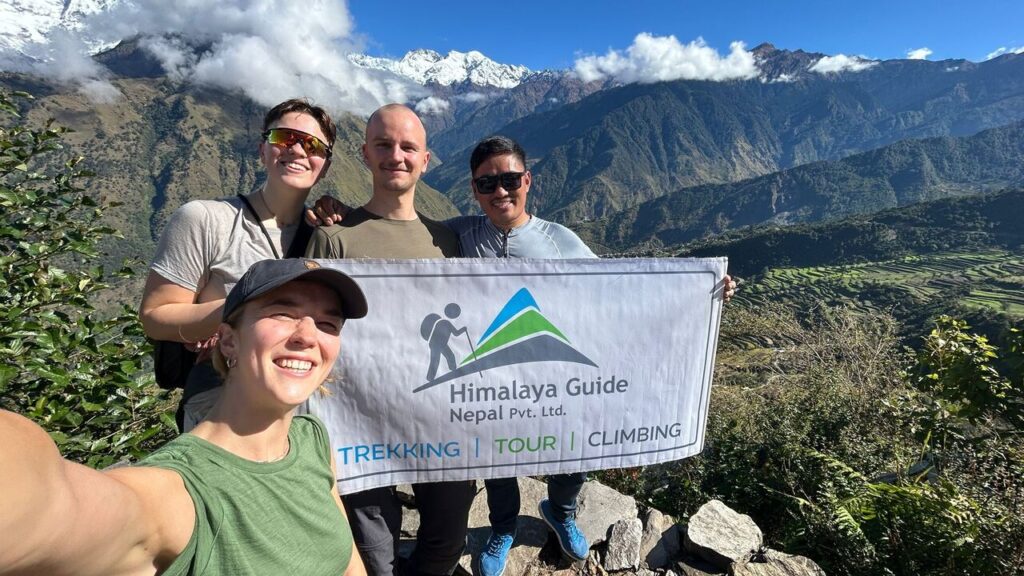
In winter, foot traffic drops to near zero. Ganesh Himal and Himalchuli rise against the cold sky with a clarity that feels almost unreal. You can interact with the local Tamang and Gurung communities without the interruptions that tourism brings in busier seasons. Hotel stays and trail lodging are priced at the lowest rates of the year, and the daily trail experience is intimate, quiet, and deeply rewarding.
Ruby Valley Trek is best for travelers who have already done the Annapurna and Everest regions. The trail’s diverse character, with dense forests, exposed ridges, and river valleys, makes every day feel distinctly different from the last. This is the kind of winter deal you describe to other trekkers and watch their expressions shift.
Awesome View Point Trek In Winter
Closing this list on the highest visual note, the Awesome View Point Trek delivers exactly what its name promises. The dry winter air in December and January strips away any haze at Poon Hill, and the panoramas from the trail’s signature viewpoints are among the most dramatic available at this altitude. For travelers who want the payoff of Himalayan grandeur without weeks of logistical buildup, this winter deal hits the sweet spot between effort and reward.
The trek suits most fitness levels, the daily stages are well-paced, the terrain is manageable, and no extreme preparation is needed. Similarly, lodges along the route are quite affordable, and the overall package price is among the best-value offers in Nepal’s winter travel calendar. The best time for the Awesome View Point Trek is January or February. During these times, lodges fill up quickly, so you need to book early to secure good lodges and winter deals.
How Long Is the Winter Season in Nepal?
Winter in Nepal generally runs from December to February. During this time, the Himalayas block the coldest Arctic winds, creating dry, stable weather and some of the clearest mountain views of the year. While higher passes remain freezing, the lower valleys stay sunny and manageable with proper gear. This a great time for a winter trek in lower valleys with the advantage of fewer crowds and lower prices.
However, the season has become less predictable in recent years. Some years see a delayed winter, with warm and humid conditions lasting into December due to a late monsoon. Then, sometimes, western disturbances can bring early snowfall from mid-November or extend cold conditions into March, sometimes blocking high passes like Thorong La. These shifts are becoming more common and can affect travel plans.
To solve this, treat the December to February window as a general guide rather than a fixed season. For the best balance of clear skies and quieter trails, late December and January are usually the most reliable. At the same time, keep a few extra days in your schedule to manage unexpected weather changes. In Nepal’s winter, a bit of flexibility goes a long way.
Pros of Trekking in Nepal During Winter
Winter trekking in Nepal is consistently underrated, and that underrating is precisely what makes it worth choosing. The season offers genuine advantages that no spring or autumn holiday can fully replicate, and understanding them is the best way to decide whether a winter vacation package is right for you.
- Save money on every part of your trip: Lodge rates drop significantly from their October-November peak. Similarly, trekking agencies offer real winter deals, and domestic flights are cheaper. For budget-conscious travelers, the savings alone can cover an extra night or an upgraded package.
- Empty trails, no crowds: Routes that see thousands of trekkers per week in autumn become quiet paths in winter. There are no queues at teahouses, no noise at campsites, and no crowded viewpoints. The solitude that trekking is supposed to deliver is most genuinely available in December and January, whether you are in the Annapurna region, the Langtang Valley, or the remote Tsum Valley.
- Sharpest mountain views of the year: With monsoon haze long gone, post-monsoon dust settled, the dry air produces unmatched visibility. Peaks that appear distant in other seasons seem close and vivid in winter light. Thus, it is perfect time for photographers and view-seekers to plan their trips around.
- Deeper, more authentic cultural experience: Teahouse owners are less rushed, and villages are less performative. Local life moves at a more authentic pace. In the Gurung villages around Ghandruk, the Tamang communities of Langtang, and the Buddhist settlements of the Tsum Valley, winter is when hospitality feels most real.
- Best season for jungle wildlife safaris: Chitwan and Bardia are at their absolute best in the dry season. Animals concentrate near water, the jungle is clear, and daily sightings of rhinos, elephants, and exotic birds are more reliable than at any other time. For travelers combining a mountain trek with a jungle stay, winter is the undisputed best season to do both.
Tips For Winter Trekking in Nepal
While winter trekking is rewarding, it does demand a bit more preparation than the peak seasons. A few simple steps before you go make a significant difference on the trail. Some of the tips for winter trekking in Nepal are:
- Layer intelligently: A thermal base layer, a mid-layer fleece, and a windproof outer shell are the foundation of any winter trekking wardrobe. Avoid relying on a single heavy jacket instead layer up clothes to adapt temperatures that can swing dramatically between morning trail starts and midday sun.
- Book accommodation in advance: Many teahouses above 3,000 M reduce capacity or close entirely in winter. Confirm hotel and lodge availability before you set off, especially on routes like Tsum Valley, Mardi Himal, and the upper Annapurna Circuit. Prices are subject to change, and availability can be tighter than travelers expect.
- Start trekking early every day: With sunset arriving by 5:30 PM, you should start day’s trek early by 7-8 AM. Late starts leave you finishing in the dark and reduce the safety margin considerably.
- Carry altitude medication if going above 3,500m: Consult a doctor about Diamox before your trip. Altitude sickness does not take a holiday in winter, and cold temperatures can hide early symptoms, making it even more important to monitor your condition carefully.
- Hire a licensed guide: Since 2023, guides are mandatory in most trekking regions in Nepal. In winter, this rule carries extra weight. As weather shifts fast at altitude, trail conditions change overnight, local knowledge is the most important safety asset.
- Verify pass conditions before departure: High passes, especially Thorong La, can be temporarily closed by heavy snowfall. Always confirm current conditions with your agency on the morning of any high-altitude crossing. This single step can save your trip.
- Protect your electronics from the cold: Below 0°C, battery life drains very fast. Keep your phone and camera inside an inner jacket pocket when not in use, and carry a backup power bank to stay charged across multiple cold days on the trail.
- Pack high-calorie snacks: Your body burns significantly more energy in cold weather. Carry energy bars, mixed nuts, dark chocolate, and dried fruit to keep your energy up between daily meals at the lodge.
- Get comprehensive travel insurance: Your policy must specifically cover high-altitude trekking and helicopter evacuation. This is non-negotiable for any winter vacation package above 3,000 M, and a condition many agencies will require before they confirm your booking.
- Respect local winter traditions: Some communities are in active festival or prayer periods during January and February. Ask permission before photographing religious ceremonies or monasteries, follow local guidance, and approach every cultural encounter with genuine respect rather than tourist curiosity.
Ready to book your winter Nepal adventure? Explore the deals above and book your next trip with Himalaya Guide Nepal to secure your spot before the season fills up.


