
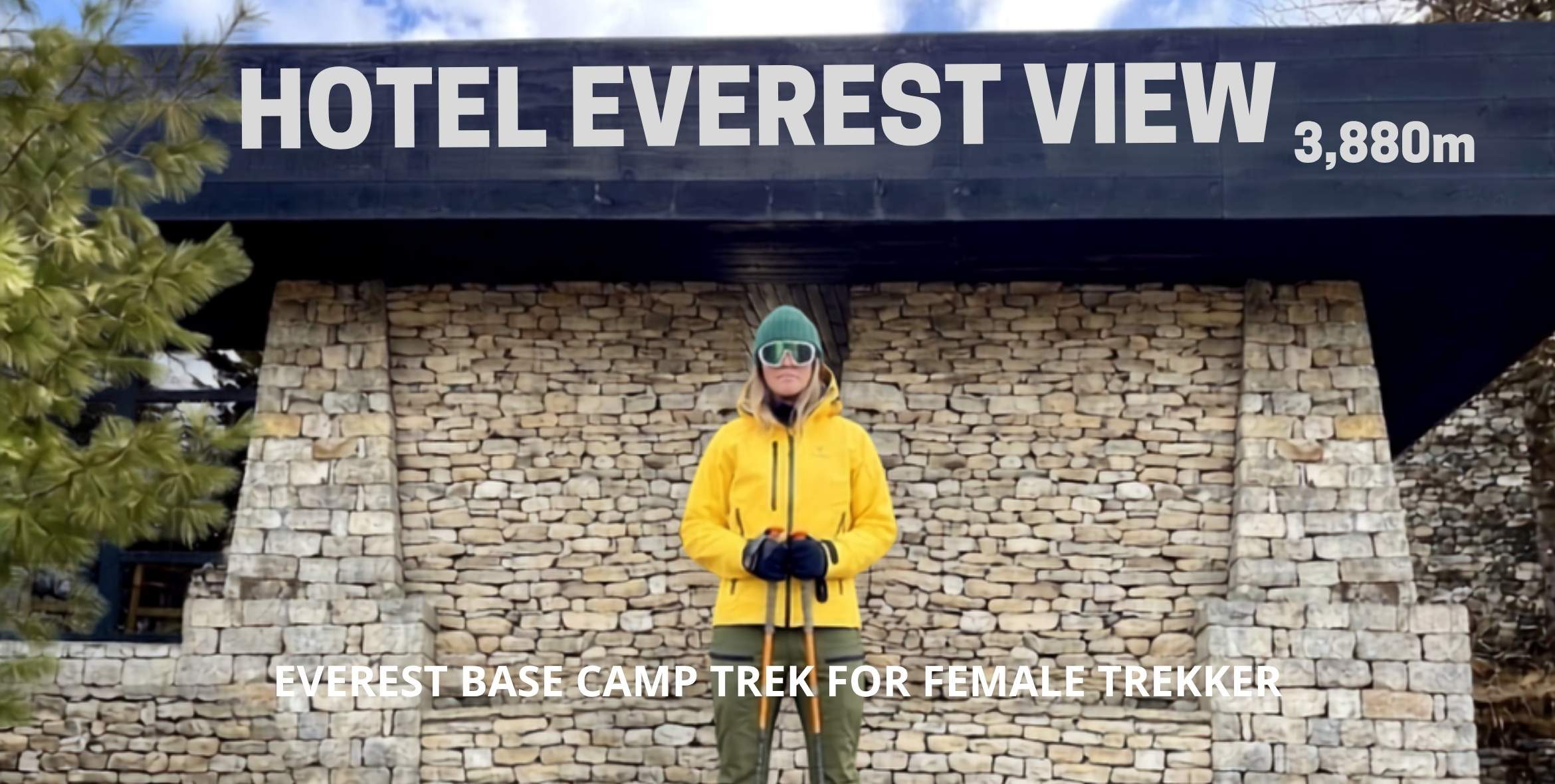
Yes, Everest Base Camp is safe for female trekkers. There is no gender-specific barrier on this trail. You do need a licensed guide by law, and that rule applies to every trekker, not just women. The one thing that actually decides how your trek goes is altitude, not your gender. Get that part right and the rest falls into place.
Is Everest Base Camp Safe for Female Trekkers
Short answer: Yes, it is safe for females on the Everest Base Camp trek. The Khumbu is one of the more respectful places you will trek through as a woman.
Sherpa culture treats guests with a level of care that surprises a lot of first timers. Teahouse owners look out for solo women the same way they look out for anyone walking in cold and tired. You will get offered tea before you even take your boots off.
Harassment on this trail is rare. That’s not us being soft on the topic, it’s what our guides see season after season. The trail is narrow, teahouses are shared spaces, and everyone passing through is watched by the same small community of lodge owners who know each other.
During peak season, from March to May and again from late September to November, the trail gets busy. You’ll pass dozens of other trekkers a day between Namche and Dingboche. That traffic is a safety factor in itself. You are rarely, if ever, walking somewhere truly isolated.
None of this means you switch your brain off. Keep your valuables close, lock your teahouse room at night, and trust your gut the same way you would anywhere else in the world. The mountains reward common sense. However, this is not gender specific and includes everyone not just female trekkers.
Want to talk through your trip with someone who has guided women through the Khumbu for years? Our team can walk you through a route and timeline that fits your fitness level and your comfort. Reach out and we’ll put together a plan.
Do You Need a Guide as a Female Trekker?
Since 2023, Nepal has required a licensed guide for foreign trekkers on the Everest Base Camp route, along with Annapurna, Langtang, Manaslu, and most other regulated regions. That rule is fully enforced now. Checkpoints at Monjo, just before Namche Bazaar, check for it directly. If you show up without a guide, you get turned back. The case is same for other everest region treks like the Everest Gokyo Ri Trekking route.
This applies to every trekker. Man, woman, experienced, first timer, it doesn’t matter. So if you were hoping to skip the guide requirement because you’re a strong hiker or you’ve trekked alone before, that option isn’t on the table anymore for this route.

Here’s what a lot of people misread though. Mandatory guide does not mean mandatory group. You can still trek at your own pace, stop when you want, and skip the big tour group entirely. You just walk with one licensed guide instead of walking completely alone.
What changes with a guide versus without one, since that option no longer exists here, comes down to what the guide adds. A licensed guide checks your oxygen levels at altitude, knows which teahouse has hot showers that day, and can get you help fast if something goes wrong.
Should You Hire a Female Guide For EBC Trek?
You don’t have to have a female guide for your Everest Base Camp trek just because you are a female trekker. A licensed guide is a licensed guide, and most male guides in the Khumbu treat every client with the same respect. But if having a woman lead you through this trek feels right to you during your female everest base camp trek.
A female guide can make certain conversations easier. Talking about your period at 4,000 meters, needing a private moment, adjusting your pace around your cycle, these come up more naturally with another woman walking beside you.
We’ve arranged female guides for trekkers for years now, and demand climbs every spring and autumn. During peak season, female guides book out fast, so if this matters to you, tell us early. Two to three months ahead gives us the best shot at matching you with someone experienced.
To request one, just tell your booking contact directly. Say you’d like a female guide and we’ll confirm availability before you pay a deposit. It’s a five minute conversation, not a complicated add-on.
What Female Trekkers Ask Us Most about Everest Base Camp Trek?
Is There an Age Limit for Female at Everest Base Camp?
No official age ceiling exists for Female trekkers at Everest Base Camp. We’ve guided women in their twenties and women well into their sixties.
What matters is fitness, not the number on your passport. A 55 year old who trains for three months will handle this trail better than a 25 year old who doesn’t train at all.
What Is the Realistic Success Rate of EBC Trek
Most trekkers who prepare properly and give themselves enough acclimatization days reach base camp. We won’t throw an exact percentage at you, because honestly, nobody on this topic can point to where their number actually comes from.
What we can tell you is this. Trekkers who skip acclimatization days to save time are the ones who turn back. The ones who build in rest days at Namche and Dingboche almost always make it.
Is the Everest Base Camp Trek Harder for Women?
No. Altitude does not check your gender before it affects you. A fit woman and a fit man handle the thin air at Lobuche about the same.
Difficulty on this trek comes from elevation gain, cold nights, and how well your body acclimatizes. None of that shifts based on whether you’re male or female. Train well, pace yourself, and you’re on equal footing with anyone else on the trail.
Managing Your Period on the Everest Base Camp Trail
For female Everest Base Camp trekkers, you should buy your supplies in Kathmandu before you fly to Lukla. Pads, tampons, or a menstrual cup, whatever you use at home- bring enough for the full trip plus extra. Once you’re past Namche, supplies get scarce and expensive, and you don’t want to be rationing.
Altitude can shift your cycle. Some women find their period comes early, runs heavier, or skips a month entirely under the physical stress of the climb. This is normal and not a sign anything is wrong.
Cold makes cramps worse for some women. Pack a small hot water bottle, or just fill a water bottle with hot water from the teahouse kitchen and tuck it against your stomach at night. Simple, and it works.
Talk to our guide if you need to adjust the pace on a heavy day, or if you need an extra bathroom stop built into the walking plan. A good guide has had this conversation before and won’t make it awkward. This is exactly the kind of detail we walk every female trekker through during trip prep, because a copied checklist won’t tell you any of it.
Toilet disposal at altitude means packing out what you use in a sealed bag until you reach a teahouse with proper facilities. Bring a few opaque bags for this. It’s a small thing that makes a real difference to your comfort.
Toilets, Privacy, and Teahouse Rooms During EBC Trek
Most teahouses offer shared rooms as the default, usually two single beds per room. If you want a private room, ask when you book and again when you check in. During peak season, private rooms go fast, so request one in advance through your agency rather than hoping for the best on arrival.
Toilets shift as you climb. Lower down, near Lukla and Namche, you’ll find western style sit-down toilets in most teahouses. Higher up, past Dingboche, squat toilets become more common, and some are outside the main building. You know yourself the best, so as a female trekker climbing in EBC trail always stay prepared and pack the necessary items beforehand.
Wet wipes and hand sanitizer do more work on this trek than almost anything else in your pack. Water for washing gets colder and scarcer the higher you go, and a lot of toilets don’t have running water at all above 4,000 meters. Pack more than you think you’ll need.
A long day on the trail ends the same way every time, a warm bowl of dal bhat and a hot cup of tea waiting at the teahouse. Whatever the toilet situation looked like that day, that part never changes.
What to Pack as a Female Trekker on EBC Trek
Female trekkers don’t need thirty items copied from a general packing list with “sports bra” added at the bottom. Here’s what actually matters.
- Layering system: base layer, fleece mid layer, down jacket, waterproof shell
- Two to three sports bras that dry fast overnight
- Quick dry underwear, enough for the trip without daily washing
- Menstrual supplies plus extra, packed before you leave Kathmandu
- Sun hat and sunglasses rated for high altitude glare
- Sunscreen, SPF 50 at minimum, the sun at 5,000 meters burns fast
- Wet wipes and hand sanitizer, more than you think you need
- Warm hat and gloves for teahouse mornings that hit freezing
- Sturdy, broken in hiking boots, never new ones
- Trekking poles to save your knees on the descent
- Headlamp for early starts and teahouse bathroom runs at night
- Lightweight sleeping bag liner for extra warmth and hygiene
- A small dry bag for electronics and documents
Keep your main pack under 15 kilograms if you’re hiring a porter, since that’s the standard weight limit most porters carry comfortably.
Fitness and Preparation For Female Trekker On Everest Base Camp Trek
Give yourself eight to twelve weeks of training before you fly to Lukla. That’s not a scare number, it’s just what gets your legs and lungs ready for six to seven hours of walking a day. As a female trekker know your physical fitness level and your past trekking or similar experience and share it with the booking team. They will set the pace and plan accordingly for your comfortable EBC journey.
Cardio matters more than gym strength here. Hill walking, stair climbing, and long hikes with a loaded pack build the exact fitness this trail demands. Two to three sessions a week, building up distance as you go, gets most people ready.
Altitude has nothing to do with gender or even general fitness level. A marathon runner can still get hit hard by AMS if they climb too fast. Pace and acclimatization days matter more than how fast you can run a 10k at sea level.
Book a check up with your doctor before you fly out, especially if you have any heart, lung, or blood pressure history. It’s a short appointment that can save you a much harder conversation at 4,000 meters.
Contraindications Worth Knowing Before You Go Solo To Everest Base Camp Trek
This isn’t here to scare you off. It’s here because a responsible operator tells you the truth before you book, not after something goes wrong on day six.
- A history of cardiovascular or respiratory conditions
- Joint or mobility issues that flare under repeated strain
- A history of panic attacks or anxiety disorders that altitude and isolation can intensify
- A prior episode of HAPE, HACE, or serious AMS on another trek
None of these mean you absolutely cannot trek. They mean you talk to your doctor first, and you tell your guide before you start walking, not after symptoms show up. Our guides plan differently for trekkers who flag a health history in advance, with slower ascent days and closer monitoring.
Have you ever wondered why some trekkers turn back at Dingboche while others with less experience push through fine? It almost always comes down to honesty about health history and willingness to slow down, not toughness.
Best Time for Female Trekkers to Plan Everest Base Camp Trek
| Season | Weather | Trail Traffic | Why It Matters |
|---|---|---|---|
| Spring (March to May) | Mild days, cold nights, rhododendrons in bloom | Busy, especially April | High traffic means more trekkers around you at all times, a real comfort factor |
| Autumn (September to November) | Clear skies, best mountain views, cold nights | Busiest season on the trail | Peak safety through numbers, book teahouses and guides early |
| Winter (December to February) | Very cold, some teahouses close | Quiet | Fewer people around, only recommended for experienced cold weather trekkers |
| Monsoon (June to August) | Wet, leech heavy lower trails, poor visibility | Quiet | Not recommended, landslide risk and flight delays out of Lukla climb sharply |
Spring and autumn are the windows we recommend for almost every trekker, and that goes double if trail traffic as a safety factor matters to you. Avoid the monsoon entirely. Winter works only if you’re already experienced with cold weather trekking and don’t mind fewer people on the trail.
Frequently Asked Questions by Female Everest Base Camp Traveller
Can I trek Everest Base Camp solo as a woman?
Do I need a female guide specifically?
Is harassment a real concern on EBC route?
Can I do the trek while on my period?
What’s the realistic cost for a female-focused EBC package?

