
Everest Base Camp trek difficulty is rated moderate to strenuous, covers 120-130 km over 12-14 days, & you’ll be walking 5 to 8 hours most days. The real challenge on the Everest Base Camp trek is altitude, not the terrain, and that distinction matters more than people expect going in. Most reasonably fit beginners complete the trek. The ones who struggle are usually the ones who move too fast and try to outpace their own body’s adjustment.
The Everest trail itself is well marked and involves no scrambling or rope work, but it climbs from 2,860 metres in Lukla all the way to 5,364 metres at Everest Base Camp, and higher still for trekkers who hike Kala Patthar viewpoint at roughly 5,545 metres.
This everest guide of difficulty will explain how the trek is hard, how to prepare for it properly, and what a typical day on the trail actually feels.
Factors Affecting Everest Base Camp Trek Difficulty
There are four things combined that make this everest base camp trek harder than its distance alone would suggest: altitude, daily physical exertion, basic accommodation, and trail conditions.
Altitude is the dominant factor by a wide margin for Everest Base Camp trek difficulty, but each of the other three adds its own strain across the two weeks, and they compound each other more than most people realize until they’re actually up there.
High Altitude Difficulty
Above roughly 3,000 metres, the air holds noticeably less oxygen than it does at sea level, and by the time you reach Kala Patthar, available oxygen has dropped to close to half of what your body is used to breathing. Every breath and every step takes more effort at that height, regardless of how fit you are or how many marathons you’ve run back home.
This is the piece of the Everest Base Camp trek difficulty that no amount of gym training fully prepares you for, since your lungs and your legs are working against something training simply can’t simulate.
Physical Requirement
Most days on the Everest Base Camp trek involve 5 to 8 hours of walking, covering 10 to 15 kilometres over uneven, often steep terrain that tests your knees on the way down as much as your lungs on the way up. None of it requires climbing skill, but the daily distance adds up in a way that sneaks up on people. A trekker who feels completely fine on day one can feel noticeably more tired by day six, even on a day involving less walking than usual, simply because the fatigue is cumulative rather than resetting overnight.
Accommodation Options
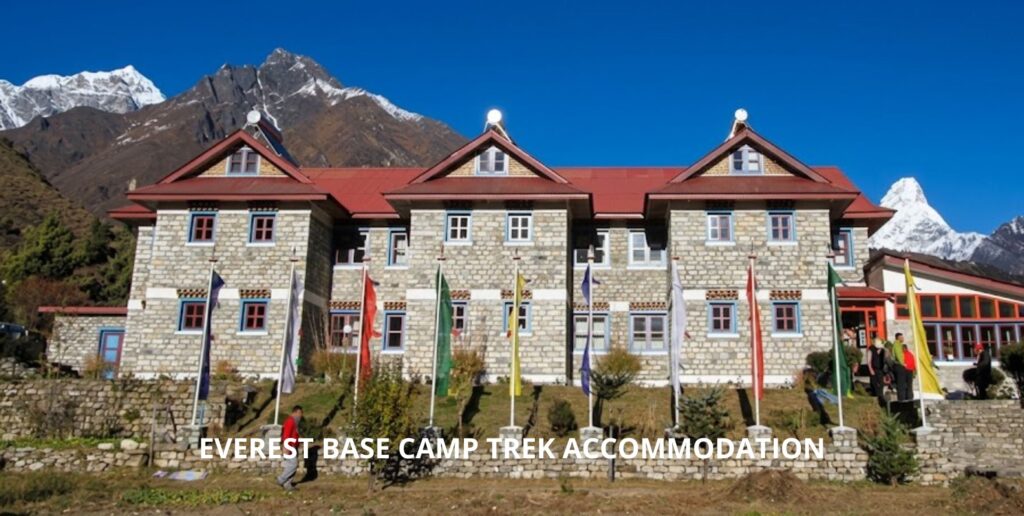
The Everest Base Camp Trek Accomodation along the route offer basic twin rooms with shared bathrooms, and heating is generally limited to the dining hall, which becomes the one genuinely warm space in the building once the sun goes down. Comfortable rest matters more than people assume for how the body handles altitude, and a cold, poorly slept night has a way of making the next day’s climb feel considerably harder than the raw numbers would suggest on paper.
Trail Condition & Weather
The trail crosses suspension bridges strung with prayer flags, rocky moraine near the higher pass sections, and exposed ridgelines where the weather can turn quickly and without much notice. Conditions above Dingboche can shift from clear blue skies to biting wind within the space of an hour, and experienced guides adjust pace and rest stops accordingly rather than sticking rigidly to a plan made the night before. Lower down, the path runs through pine and rhododendron forest along the Dudh Koshi River, which is gentler underfoot but still involves steady, sustained climbing, especially on the final approach into Namche Bazaar.
How to Prevent Altitude Sickness During Everest Base Camp Trek
Acute Mountain Sickness, known as AMS, is the single biggest risk on this trek, and it affects fit and unfit trekkers in roughly equal measure, which surprises a lot of people who assume fitness is the deciding factor. Fitness reduces how tired you feel on the trail day to day. It does very little, unfortunately, to change how your body responds to genuinely thinning air at altitude.
Common symptoms include headache, nausea, poor sleep, and a general fatigue that feels heavier than the day’s actual walking should cause. Most cases stay mild and pass with rest, hydration, and a slower pace over the following day or two. In rare cases, AMS can progress into something more serious, which is exactly why guides check on trekkers daily and know precisely when a descent is the right call rather than pushing through.
The single most effective prevention method remains gradual ascent. Climbing high during the day and sleeping at a lower altitude, combined with the itinerary’s built-in rest days, gives your body real time to produce more red blood cells and adjust to reduced oxygen levels. Staying well hydrated, avoiding alcohol above 3,000 metres, and walking at a genuinely slow pace all support the same underlying goal. Some trekkers also carry Diamox, a prescription medication that can ease acclimatization symptoms, though that’s a personal medical decision worth discussing with a doctor well before departure rather than something to figure out on the trail itself.
Do You Need Prior Trekking Experience for Everest Base Camp Trek?
No, and this is one of the more reassuring facts about everest base camp trek. Most people who reach Base Camp have never done a multi-day trek before in their life. What matters far more is a reasonable baseline of fitness and a genuine willingness to walk at a slower pace than feels natural, especially once you pass 3,500 metres and the air starts working against you.
Start training 6 weeks before departure if you can manage it. Three cardio sessions a week, whether that’s running, cycling, or swimming, build the stamina needed for consecutive long days on the trail. Add stair climbing or hill walking with a light daypack to prepare your legs specifically for the terrain, not just your lungs for the distance involved. A few practice hikes beforehand, even short ones, help you get used to walking for hours at a stretch without the novelty wearing you out early.
Trekking experience helps with confidence on the day, but pacing is the far bigger factor here. A very fit trekker who rushes the ascent is genuinely more likely to struggle with AMS than a moderately fit trekker who paces themselves properly and lets the itinerary’s rest days do the job they’re designed to do. If EBC treks sounds easier to your physical level then Everest gokyo ri trek option is also worth exploring
Lukla Flight and Weather Making it Difficult
One stress on this trip sits slightly outside trek difficulty itself is the flight into and out of Lukla. The runway is short, the approach is genuinely mountainous, and weather delays are common, especially during the shoulder months either side of peak season. Trekkers occasionally lose an extra day or two in Kathmandu or Lukla waiting for a flying window to open up. It’s worth building a buffer day into your travel schedule, so a weather delay doesn’t put your return flight home at risk.
The mental side of the trek matters just as much as the physical side, and it’s a part of the experience that rarely gets discussed upfront. Cumulative fatigue, cold nights, and reduced appetite at altitude can wear on morale even when the body itself is coping perfectly fine. Trekkers who go in expecting a steady, sometimes uncomfortable grind, rather than a nonstop scenic walk with a view around every corner, tend to handle the genuinely harder days noticeably better than those expecting an easier trip.
Day-to-Day Everest Base Camp Difficulty Breakdown
Difficulty builds gradually across the 13-day itinerary rather than hitting all at once on a single brutal day. The table below breaks the trek into three zones based on elevation, which maps closely onto how the Everest Base Camp trek difficulty actually goes futher as you go.
| Zone | Altitude Range | What Changes |
|---|---|---|
| Lower (Lukla to Namche) | 2,860m to 3,440m | Manageable trail and near-normal oxygen levels, though the final climb into Namche is genuinely steep |
| Middle (Namche to Dingboche) | 3,440m to 4,410m | Air noticeably thinner, and this is where the built-in acclimatization days matter most |
| Upper (Dingboche to Base Camp) | 4,410m to 5,364m | Cold, rocky terrain, oxygen roughly half of sea level, and the slowest, most demanding stretch of the trek |
A typical day starts around 6 am with breakfast, usually porridge, eggs, or toast with tea, followed by 5 to 8 hours of walking with a lunch stop at a teahouse somewhere along the way. Most trekkers reach the next village by mid to late afternoon, leaving time to rest before dinner and an early night, since energy runs low fast once the sun drops behind the ridgeline. Based on this operator’s own 13-day itinerary, the toughest single day is the early morning hike to Kala Patthar followed by the long descent to Pheriche, a 7 to 9 hour day covering 12 to 15 kilometres that starts well before dawn in the coldest hours and combines the trek’s highest point with its longest walking day in one stretch.
Why Acclimatization Day is Important During Everest Base Camp Trek
This is the single biggest factor in how hard the trek feels overall, more than fitness level and more than gear, and it’s arguably the most underrated piece of the whole Everest Base Camp trek difficulty blog. A well-built itinerary includes rest days at Namche Bazaar and Dingboche, and these aren’t days off in the way they sound. Trekkers still hike up to a higher viewpoint and back down to sleep, following the climb high, sleep low principle that gives the body real time to adjust before the next push upward.
Skipping these days, or compressing a shorter itinerary to save time, is one of the most common reasons trekkers turn back before reaching Base Camp at all. A 12 to 14 day itinerary with rest days built in at the right points is genuinely what determines whether someone finishes, more than almost any other single planning decision made before departure.
Major Acclimatization Stops for Everest Base Camp Trek
Namche Bazaar, at 3,440 metres, is the first rest day and includes an optional side hike to Everest View Hotel, which offers early altitude exposure without adding extra elevation gain the following day. Dingboche, at 4,410 metres, is the second rest day, with an optional hike to Chhukung or the Nangkar Tshang viewpoint. Both stops sit at natural points where the trail’s elevation gain and are good for acclimation hike.
Are Everest Base Camp Treks Always Crowded?
During peak season, March to May and September to November, the trail is genuinely busy, and this rarely makes it into a difficulty discussion even though it affects the overall experience directly and, some would argue, meaningfully. Narrow sections get shared with porters carrying heavy loads and yaks moving supplies between villages, and suspension bridges can back up noticeably during the busiest hours of the morning rush.
Teahouses fill quickly during these months, and trekkers without a pre-booked lodge can end up sharing a room or, in rare cases, sleeping in the dining hall until space opens up. This doesn’t make the trek more dangerous in any real sense, but it does add a layer of difficulty that trail statistics alone simply don’t capture. Booking ahead through a registered operator solves most of this before it ever becomes a problem, since lodges are reserved village by village well before the group actually arrives.
Preparation Tips For Everest Base Camp Trek
- Start cardio training 6 to 8 weeks before departure rather than the week before you fly
- Practice walking with a loaded daypack on hills or stairs to build the right kind of strength
- Drink more water than feels necessary, every single day on the trail, not just when you’re thirsty
- Walk slower than feels natural, especially above 3,500 metres where the air starts working against you
- Get travel insurance that covers high-altitude trekking and helicopter evacuation, no exceptions
- Break in your hiking boots well before departure, since new boots on day one are a common cause of blisters that make the whole trek harder than it needs to be
Gear preparation is one less thing to worry about on this particular route. A down sleeping bag and down jacket come included as part of the Himalaya Guide Nepal package, so there’s no need to source cold-weather gear separately before you fly out.
How Himalaya Guide Nepal Handles the Difficulty
Every trekker gets a licensed guide, whose salary, equipment, insurance, lodging, and food are all covered within the package cost from the start. A first aid medical box with an oximeter and thermometer travels with every group, and guides are trained to spot early signs of altitude sickness well before they become genuinely serious. Porters can be arranged for an additional cost if you’d rather not carry your own daypack for the full duration of the trek.
Everest Base Camp Trek Difficulty FAQs
How hard is the Everest Base Camp trek?
Do I need prior trekking experience for EBC Trek?
What is the biggest challenge, altitude or fitness?
How many hours do you walk per day for EBC Trek?
Is the everest base camp trek suitable for beginners?
What’s the hardest day of the everest trek?

