
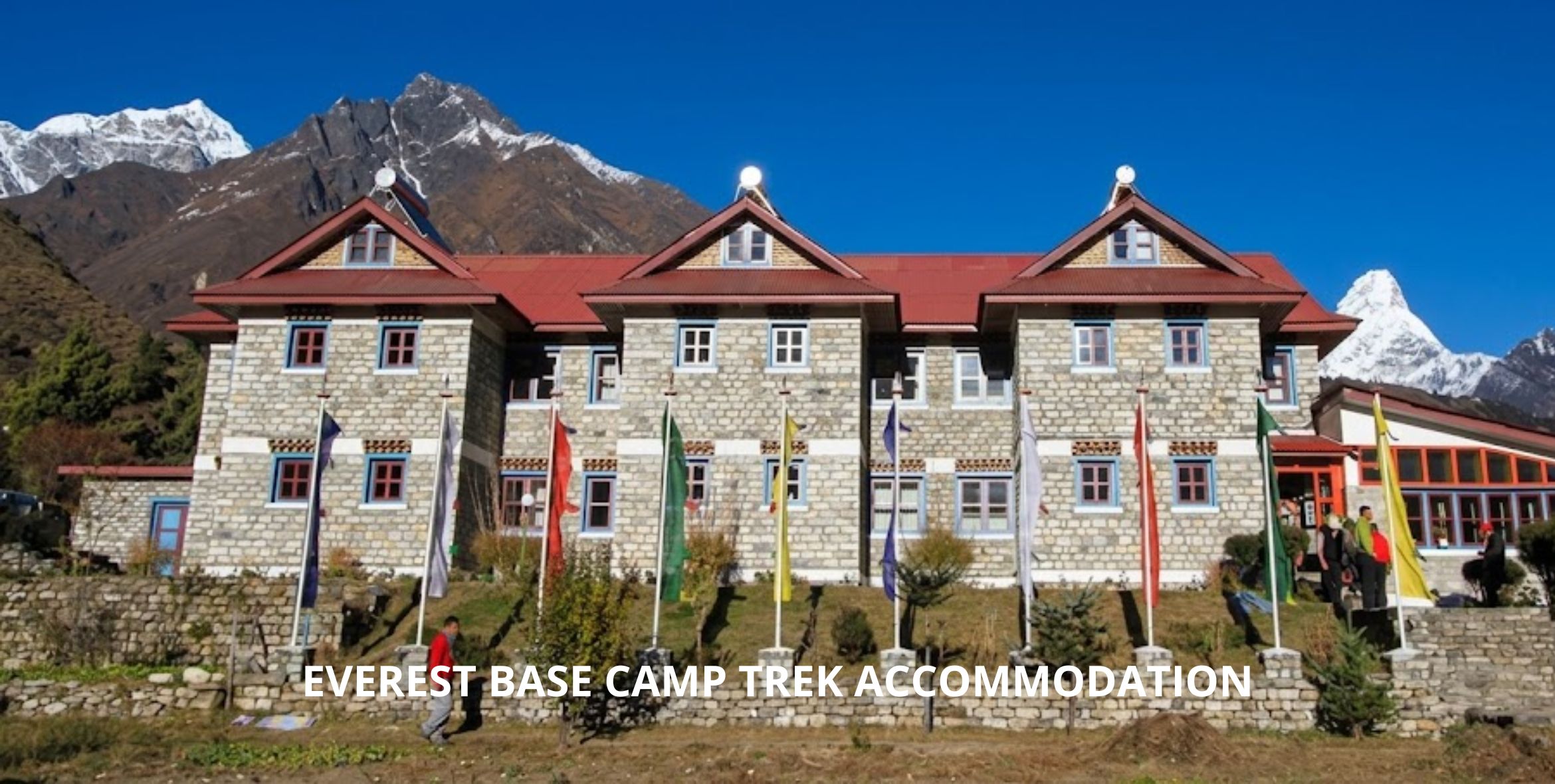
Everest Base Camp trek accommodation means teahouses, not hotels. A simple twin room, a mattress, a pillow, a blanket. You bring your own warm sleeping bag for the cold nights or we will manage them if needed. Rooms get more basic the higher you climb, and extras like hot showers and Wi-Fi cost more with every village you pass. With Himalaya Guide Nepal, your lodge is booked in advance for every night, so nobody is scrambling for a bed at 4,000 metres.
Accommodation on the Everest Base Camp trek runs through traditional teahouses rather than hotels. Rooms are plain, twin beds, shared bathrooms, barely any heating past Namche. And they get simpler the higher the trail climbs. Knowing what a teahouse actually offers, and what it costs, makes the whole trip easier to plan for.
It’s also one of the most common worries trekkers bring to us before departure. The route runs through high elevation and remote villages, so knowing what a room, a bathroom, and an evening routine actually look like up there helps set expectations that match reality.
This guide covers the room itself, the cost as the trail climbs, which villages have the best setup, and why the nightly rate is often lower than people expect.
Do Tea Houses Around EBC Have Proper Facilities And A Resting Environment?
A teahouse is not a hotel. Most are family homes with a few guest rooms bolted on, run by the same family for generations in some villages.
A standard Everest Base Camp trek accommodation room holds two single beds, a thin mattress, a pillow, a blanket. Wood walls, thin enough that you’ll hear your neighbour roll over at 2am. No heating in the bedroom at all.
The dining hall is the one warm room in the building. It runs on a stove, often burning yak dung above a certain altitude, which sounds worse than it actually smells. Everyone ends up there in the evening, because it’s the only place worth sitting once the sun drops behind the ridge. If you are planning for Everest Gokyo Ri trek or similar Everest region treks, due to route similarity accommodation will remain similar.
The blanket alone will not get you through a night above 4,000 metres. Temperatures inside the room genuinely fall below freezing, so a proper four-season sleeping bag isn’t optional gear, it’s the thing standing between you and a miserable night. On the Himalaya Guide Nepal package, a down sleeping bag and down jacket come included, so there’s no last-minute gear shopping in Thamel the night before your Lukla flight.
Bathrooms are shared almost everywhere, and they get rougher with altitude. Lower down, you might find an indoor squat toilet. By Dingboche or Gorak Shep, expect it outdoors, sometimes with a bucket of water instead of a flush. Not glamorous. But every trekker on the trail is living with the same setup, so it stops feeling like a hardship after the first night or two.
A warm meal and a host who remembers your name by day three make up for a lot of what the room lacks.
What To Pack For Teahouse Nights?
You don’t need to bring the whole room with you. A few small items still make a real difference. A headlamp for the walk to a shared bathroom at 2am. A spare pair of socks for once the boots come off. A power bank, because paying for every phone charge above Namche adds up fast.
The down bag and jacket in the Himalaya Guide Nepal package are built for four-season Khumbu conditions, not a mild spring trip somewhere warmer. You’ll notice the difference the first night in Phakding, well before the trail gets properly cold.
Everest Base Camp Trek with Lodges Name
Lukla (2,860m)
- Yeti Mountain Home – Lukla
- Buddha Lodge & Restaurant
- Nest Lukla
Phakding (2,610m)
- See You Lodge
- Yeti Mountain Home – Phakding
- Hotel Beer Garden
Namche Bazaar (3,440m)
- Yeti Mountain Home – Namche
- AD Friendship Lodge
- Alpine Home
Tengboche (3,860m)
- Tengboche Guest House
- Hotel Tashi Delek
- Himalayan Lodge
Dingboche (4,410m)
- Hotel Good Luck
- Snow Lion Lodge
- Hotel Valley View
Lobuche (4,940m)
- Alpine Home Tea House
- New EBC Lodge
- National Park Lodge
Gorak Shep (5,164m)
- Buddha Lodge (Gorak Shep Yeti Resort)
- Everest Inn
- Snowland Highest Inn
Everest Base Camp (5,364m)
- No permanent lodges here
- Trekkers day-hike from Gorak Shep
- Overnight camping only for climbing expedition teams
How Much Does A Room Cost As You Climb Higher On The EBC Trail?
The everest trek room is often the cheapest line item on the whole trek. Prices climb gradually with altitude, since everything up there, food included, has to be carried in on someone’s back or flown in by helicopter.
For independent trekkers, here’s roughly what a basic twin room runs per night at current trail rates:
| Trail Zone | Villages | Typical Room Rate (per night) |
|---|---|---|
| Lower zone | Lukla, Phakding | $5 to $10 |
| Middle zone | Namche Bazaar, Tengboche | $10 to $20 |
| Upper zone | Dingboche, Lobuche, Gorak Shep | $15 to $30 or more |
Treat these as a reference point, not a bill you’ll personally pay. On a guided Himalaya Guide Nepal Everest Base Camp package, accommodation is already included into the trip cost alongside meals and your guide’s fees, so there’s no cash changing hands at the front desk each night. Still, the numbers are worth knowing if you’re comparing operators or weighing extra independent nights, since pricing barely shifts between teahouses on the same stretch of trail.
Why the climb in price? Every sack of rice, gas canister, and roll of toilet paper above Namche arrives by porter or yak. There’s no road up there. That labour gets baked into what you pay, for both the food and the bed.
Namche, Dingboche, And Gorak Shep Accommodation Village By Village
Everest Base Camp Trek Accommodation quality shifts a lot between villages on this trail, because each one plays a different role in the trek. Elevation, population, and foot traffic all decide how many lodges a place has, and how developed those lodges actually are.

Lukla To Namche Bazaar
Lukla has the widest choice of lodges anywhere on the route, since nearly every group passes through on day one and again on the way out. Phakding, the first overnight stop, is smaller but comfortable, rooms sitting right along the Dudh Koshi River. Namche Bazaar is the biggest town on the trail by far. Bakeries, cafes, the best facilities you’ll find anywhere on the route, largely because Namche also runs as the main trading hub for the whole Khumbu region.
Tengboche To Dingboche
Tengboche sits beside its famous monastery, and while lodges here are fewer, the mountain views rank among the best on the trek. Dingboche is the acclimatization stop, so teahouses here lean basic and functional. Most guests are focused on resting and adjusting to the altitude, not sightseeing, so nobody minds much. This is the Tengboche to Dingboche route accommodation expectation.
Lobuche To Gorak Shep
Lobuche has limited rooms, and they fill fast in peak season. Booking ahead genuinely matters here. Gorak Shep, the last stop before Base Camp, has the most basic rooms and the smallest spaces on the whole trail. Most trekkers only spend a night or two here anyway, since the real goal sits a few hours further on.
A teahouse owner might hand you hot ginger tea before you’ve even asked, especially once they realise you’ve got a long day ahead. Small moments like that show up again and again on this trail, in nearly every village.
Why Your Room During The Everest Base Camp Trek Might Be Cheaper Than You Think
Teahouses on this trail make their money from food, not the room.
There’s an unspoken deal running the whole system: eat your dinner and breakfast where you sleep, and the room rate drops, sometimes close to free. It’s just how things work, and every teahouse owner along the route understands it the same way.
For a guided trekker, this is mostly useful trail trivia rather than anything you need to act on. Breakfast, lunch, and dinner are already included in the Himalaya Guide Nepal package, so the room-for-food convention is baked into your plan without any negotiation at the front desk. It does explain, though, why a everest base camp trek teahouse can rent out a bed for less than the price of a coffee back home.
Can You Upgrade To A Luxury Lodge During The EBC Trek If You Want
Yes, in a handful of villages. Lukla, Phakding, and Namche Bazaar carry boutique-style lodges with private rooms, attached bathrooms, and genuine hot showers, and occasionally you’ll find one in Dingboche or Tengboche too. These are not teahouse prices. Expect $150 to $400 or more a night, depending on the season and the village.
If it’s your first trek and comfort matters more than saving money, one or two upgraded nights, especially in Namche on your acclimatization day, can shift how you feel the next morning. Trekked before and comfortable with basic teahouse life? You might rather save that money for a scenic mountain flight or an extra day exploring Kathmandu instead.
Our local team checks trail conditions and lodge options every season. Ask us before you book if a boutique upgrade interests you, and we’ll tell you honestly what fits your route and dates.
Teahouse Or Boutique Lodge: Which Fits Your Trip
Budget over comfort? Stick with the standard teahouse route. It’s what most trekkers choose, and it’s already built into your package. Want a bit more comfort without overhauling the whole trip? A boutique night in Namche on your acclimatization day tends to give the best return, since you’re already resting there for a full day regardless.
Either way, same trail, same views, same sense of arrival at Base Camp. The lodge only changes how you sleep, not how far you walk to get there.
What Happens If Rooms Are Fully Booked?
Peak season runs March to May and September to November, and rooms can genuinely run short at the higher villages during those windows. Lobuche and Gorak Shep fill first, since both only carry a handful of lodges each.
Trekking independently and arriving late during those months? You might end up sharing a twin room with a stranger, or in rare cases, sleeping in the dining hall until a bed opens up. It’s not common. But it happens.
We’ve planned hundreds of Nepal treks, and this is exactly why the itinerary matters so much. On the Himalaya Guide Nepal package, your lodge is arranged in advance for every single night, from Phakding through to Gorak Shep. Nobody’s walking into a village hoping for the best. The bed is already waiting.
Can You Actually Sleep At Everest Base Camp?
There are no teahouses at 5,364 metres, so an overnight at Base Camp itself isn’t possible for standard trekkers. It’s a staging ground for climbing expeditions, not a village.
Trekkers overnight at Gorak Shep, the last proper settlement on the route, and visit Base Camp as a day trip before heading back down for the night. The one exception is climbing expedition teams, who camp at Base Camp itself under separate permits, sometimes for weeks during spring climbing season.
Most trekkers walk out from Gorak Shep early morning, spend an hour or two at Base Camp taking in the Khumbu Icefall up close, then head back to a warm dining hall and a hot meal at Gorak Shep that same evening.
Everest Base Camp Trek Accommodation FAQs
How much does accommodation cost on the EBC trek?
Are private rooms available on the trail?
Do I need to bring my own sleeping bag?
Is Wi-Fi available at teahouses along the route?
Are hot showers included in the package?
Can I sleep at Everest Base Camp itself?
What happens if a teahouse is fully booked?
How does a standard teahouse compare to a luxury lodge?

