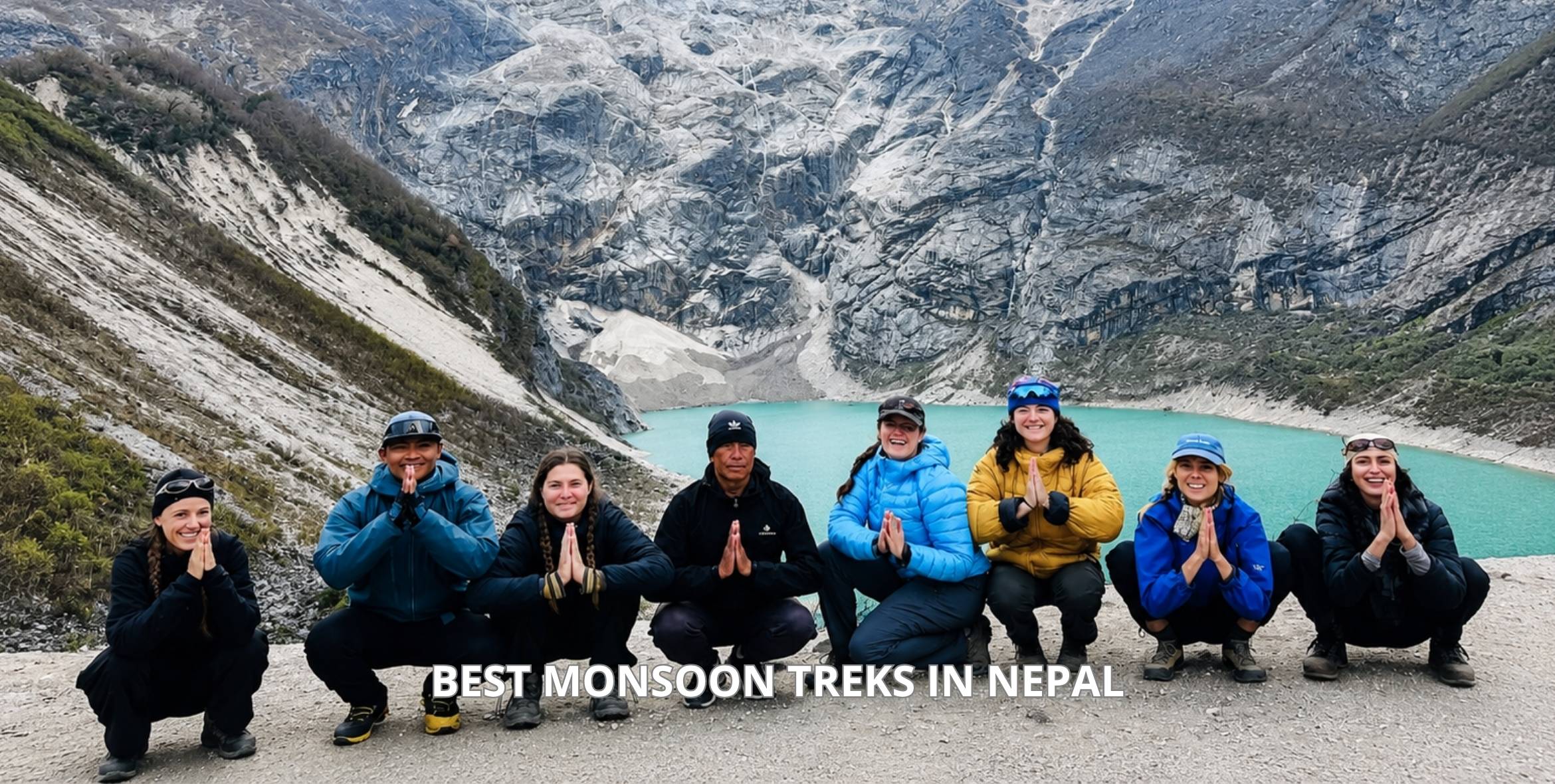
3 Treks In Nepal that Can Still Be Done In Monsoon
You know, some sections in Nepal let you experience the beauty of the country, while other parts face wet and muddy sections. The monsoon season in Nepal runs from June to August. For many trekking routes, including well-known ones, it is the least preferred time to trek. Heavy rainfall, muddy routes, leeches, obstructed mountain views, and landslides are why the monsoon is known as the off-season.
But Nepal has a unique feature: some areas lie behind the Himalayan mountains in a rain-shadow region. The mountains block much of the monsoon rain, leaving these areas with very little rain and drier than other parts of Nepal. So you can still trek in Nepal during monsoon, but only at specific destinations.
This page specifically features 3 treks in Nepal that can be done in monsoon and are safe in every way:
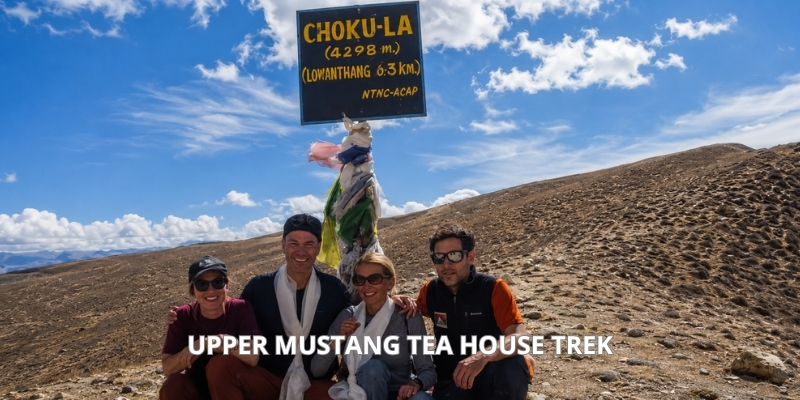
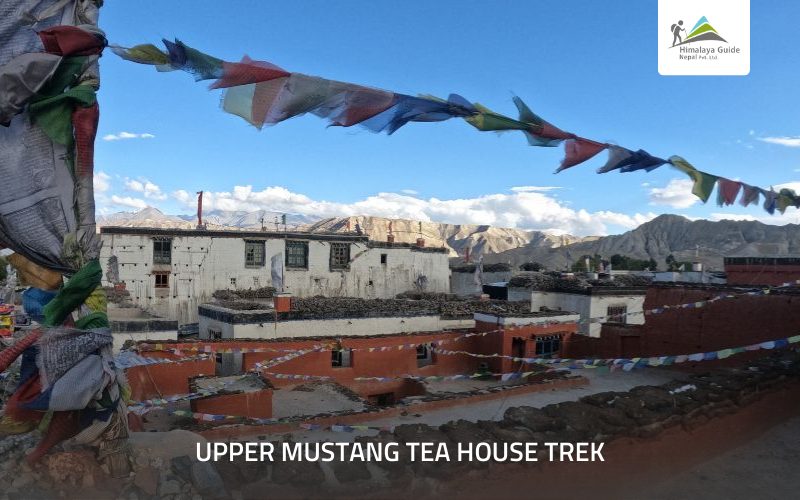
The Upper Mustang Tea House Trek takes you through one of the most remote and restricted regions of Nepal, called Upper Mustang. It is tucked behind the Himalayas in a rain-shadow area near the Tibetan border. This area is dry, with towering cliffs, and unique Tibetan-influenced villages with whitewashed homes and firewood-stacked roofs. It stands out as one of the few treks that can be done even during the monsoon season (June to September).
At the heart of Upper Mustang lies Lo Manthang, the walled capital founded by King Ame Pal in 1380 AD. This ancient kingdom, once known as the “Upper Lo” was an independent Tibetan-influenced state until Nepal revoked its autonomy in 2008. There are many ancient monasteries, hidden sky caves, and Tibetan Buddhist heritages across the region. Hence, both international and national trekkers love to visit the Upper Mustang region to explore its rich history and natural beauty.
One great thing about this trek is that you stay in small tea houses run by local families. You walk from one tea house to the next along the trail, staying overnight at these simple lodges. These tea houses are simple but comfortable, offering food, a place to sleep, and sometimes hot showers. Staying here lets you meet local people and learn about their way of life.
The trek starts just above Kagbeni village and takes you through beautiful landscapes and traditional villages like Chele, Syangbochen, Ghami, Lo-Manthang, Ghar Gompa, etc. If you want a quiet, unique trek full of culture, the Upper Mustang Tea House Trek is a perfect choice.
The Annapurna Circuit has become one of the most popular treks in Nepal since its inception in 1977 A.D. As the name suggests, this trek is located in the Annapurna Region, inside the Annapurna Conservation Area. The trail circles the Annapurna massif, meaning you can witness the views of the Annapurna mountains from multiple angles. The trek begins in the lush valley and leads to the arid landscape of Manang, culminating in the ascent to Thorong La Pass (5,416 meters), the highest point of the trek. Along the route, you will encounter traditional villages inhabited by the Gurung, Lama, Thakali, and Magar communities.
It used to take more than 20 days to complete the entire trek. However, the development of the road in the lower section has reduced the trek to 15 days or more. Despite the changes, the core of the treks, which are Manang, Muktinath, and Throng La Pass, are not affected, and you can still get the ultimate Himalayan trekking experience from this trek. After reaching Thorong Pass, you will descend to the Muktinath Temple, a sacred place for both Hindus and Buddhists. Besides, there are other popular side treks like Tilicho Lake Trek, which you can combine with Annapurna Circuit Trek to make it more challenging and rewarding.
Tired of mainstream Annapurna Base Camp and Everest Base Camp treks? Go for the Nar Phu Valley Trek in the remote Manang district. This valley was off-limits until 2002 due to border security concerns, as it lies very close to the Tibetan border. It remains a restricted area in Nepal, so you need to obtain a special permit and a licensed guide to trek here. As a result, it is relatively less crowded than other treks in the Annapurna region. Surrounded by peaks like Himlung Himal, Kang Garu, and Ratna Chuli, the valley offers an underrated trek.
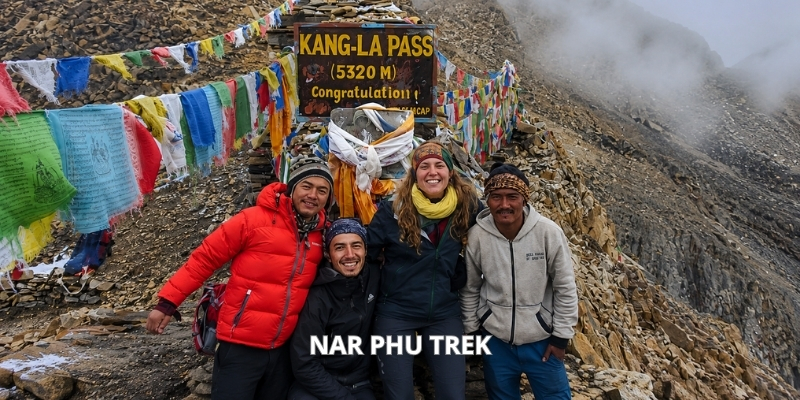
Its trek route branches off the main Annapurna Circuit at Koto and follows the right bank of the Marshyangdi River. Along the way, you pass medieval villages, ancient chortens, and experience authentic Tibetan-influenced culture in the Nar and Phu regions. And the main highlight is crossing Kang La Pass at 5,306 m, which affords panoramic views of the Annapurna Himalayan ranges and Himlung. You can opt to continue north to Manang for Tilicho Lake and Thorong La before descending, if you want a longer and challenging expedition.
The Manaslu Circuit Trek is a two-week-long adventure in Nepal’s Himalayas that goes around the eighth-highest mountain peak in the world, Mount Manaslu. Opened to trekkers in 1992, the route is less crowded than the other well-known Everest and Annapurna treks. Still, the Manaslu trek is gaining popularity yearly for its raw beauty, peaceful trails, and personal experience with the Himalayas.
The journey to the Manaslu Circuit is a moderate-to-strenuous trek that starts with a drive to Machhakhola and ends in Besisahar, taking in the exciting Larkya La Pass (5,106 m) also called Larke Bhanjyang . Although the trek doesn’t involve any technical climbing skills, it does require a good fitness level, and having previous trekking experience is helpful. This is because the trek takes you through varied terrain, long trekking days, challenging passes, and continuous elevation gain.
The trek to the Manaslu Circuit is stunning because it takes place within Manaslu Conservation Area, a protected mountain region with 11 distinct forest types ranging from lowland sal and pine forests to high alpine meadows and glaciers. Likewise, the protected area is home to 33 species of mammals and shelters over 110 bird species and 2000 species of flowering plants. Besides, it’s home to about 9,000 residents, primarily of Gurung, Tamang, Tsumba, and Nubri-Tibetan ethnic groups. Thus, the trek lets you experience Buddhist culture and its traditions throughout the adventure.
One unique aspect of the Manaslu treks is that it borders Tibet. Therefore, trekking in this region requires a restricted area permit, along with the MCAP (Manaslu Conservation Area Permit), ACAP (Annapurna Conservation Area Permit), and Chumnubri Rural Municipality Entry Permit. Also, trekking in the region requires you to be accompanied by a licensed guide through a registered trekking agency.
The best trekking time for the Manaslu Circuit is March-May (spring) and September-November (autumn), when skies are clear, and Larkya La is most reliably open and safe to cross. The major highlights of the trek involve walking along the Budhi Gandaki River gorge while enjoying views of Mount Manaslu, Ganesh Himal, Himlung Himal, and Annapurna II. Manaslu Circuit trek is a 14-day moderate trek starting with a drive to Machha Khola, highlighting Larkya La Pass (5,106 m) at just $746.
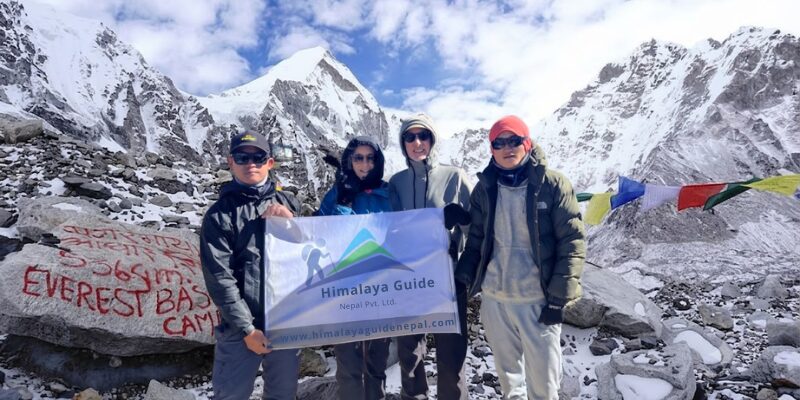
The Everest Base Camp trek is one of the most popular treks in Nepal. The trek is more frequently visited than other popular treks, such as the Annapurna Base Camp Trek or the Langtang Valley Trek, which are also well-known among trekkers worldwide. The trek is on the bucket list for many trekkers to reach the base of the world’s highest peak, Mount Everest. Everest Base Camp trek begins with a Kathmandu to Lukla flight & provides a challenging Himalayan & Sherpa village experience costing you $955. The paths twist and turn through beautiful Sherpa villages, high rhododendron forests, and alongside the Dudh Koshi River, offering glimpses of the local culture and the strong presence of the local people.
As the altitude gradually increases from Lukla, you will pass through Namche, Tengboche, and Dingboche. During this trek, trekkers need to acclimatize to the conditions of the Khumbu region. During these treks, trekkers will enjoy stunning views of mountains such as Everest, Ama Dablam, Nuptse, Lhotse, and Cho Oyu. The final section of your walk takes you to Gorak Shep, the last place before you reach Everest Base Camp, at an altitude of 5,364 meters. From Gorak Shep, you will walk to the highest point of the trek, at 5,644 metres, Kala Patthar. This is a rewarding trek, one that provides an immense sense of accomplishment and offers wonderful views of Mount Everest and the Khumbu Icefall up close, which will stay with you forever.
Everest Base Camp Trek Cost
The Everest Base Camp Trek cost ranges from USD 1,055 to USD 1,510 per person for a standard package. The cost of the trek to EBC varies based on various factors like group size, trek duration, accommodation, transportation, services included, and customization of the trip. Also, the standard trek package covers most of the expenses required for the trek, including meals and accommodation, permits, guide service, domestic flight ticket, overland transportation, and necessary government taxes.
Everest Base Camp Trek Cost Breakdown:
Category
Description
Estimated Cost (USD)
Factors Influencing Cost
Permits
Fees are required to trek in the Everest region.
$50 – $60
Sagarmatha National Park Entry Permit: Approx. $30 (can vary slightly).
Khumbu Pasang Lhamu Rural Municipality Permit: Approx. $20 (can be obtained en route).
Previously, a TIMS card was required, but for the Everest region, the local permit often suffices.
Transportation
Costs to reach the trek starting point (usually Lukla) and return to Kathmandu.
$360 – $460
Flights to/from Lukla: Round-trip airfare is the most common option. Prices can vary based on the season and booking time. One-way flights are around $180 – $230.
Alternative Land Transportation: Options like jeeps or buses to Jiri or Salleri are cheaper but add several days to the trek.
Accommodation
Cost of staying in tea houses/lodges along the trekking route and hotels in Kathmandu.
$150 – $500+
Kathmandu Hotel: Prices range from budget-friendly ($10-$30/night) to mid-range ($30-$80/night) and luxury options ($100+/night). Most trek packages include 2 nights.
Tea Houses/Lodges on Trek: $5-$10 per night at lower altitudes, increasing to $15-$30+ at higher altitudes for basic rooms. Luxury lodges are available in some areas at significantly higher costs ($100+ per night).
Food & Drinks
Expenses for meals (breakfast, lunch, dinner) and beverages during the trek.
$250 – $500+
Meals on Trek: $20-$45 per day, depending on altitude and food choices. Prices increase at higher altitudes due to transportation costs.
Drinks: Bottled water ($1-$5 per liter), tea/coffee ($1-$5 per cup), and other beverages add to the cost. Water purification tablets or filters are a cost-effective alternative.
Guides
Fees for hiring a licensed trekking guide.
$500 – $1000+
Guide: $30-$50+ per day. Experienced, English-speaking guides cost more. Hiring a guide is now mandatory for most trekking routes in Nepal, including the Everest Base Camp (EBC) route, effective since April 2023.
Rental: Gear like sleeping bags, down jackets, and trekking poles can be rented in Kathmandu for $1-$2 per item per day.
Purchase: Buying high-quality gear is a significant upfront investment.
Visa
Nepal entry visa fees.
$30 – $125
15-day visa: $30 • 30-day visa: $50
90-day visa: $125 Visas are usually obtained upon arrival at Tribhuwan International Airport in Kathmandu.
Travel Insurance
Mandatory insurance that covers medical emergencies, high-altitude sickness, and emergency evacuation (including helicopter rescue).
$100 – $300+
Cost depends on the duration of the trek and the coverage provided by the insurance policy. Ensure it specifically covers trekking at altitudes up to 6,000 meters.
Miscellaneous
Personal expenses such as hot showers, Wi-Fi, charging electronic devices, snacks, souvenirs, and tips for guides and porters.
$100 – $300+
Hot Showers: $2-$5 per shower (availability varies by altitude).
Wi-Fi/Charging: $1-$5 per hour.
Tips: It is Customary to tip guides and porters (around 10-15% of their daily wage per day is a general guideline).
Snacks & Drinks: Energy bars, chocolates, etc., can be expensive at higher altitudes.
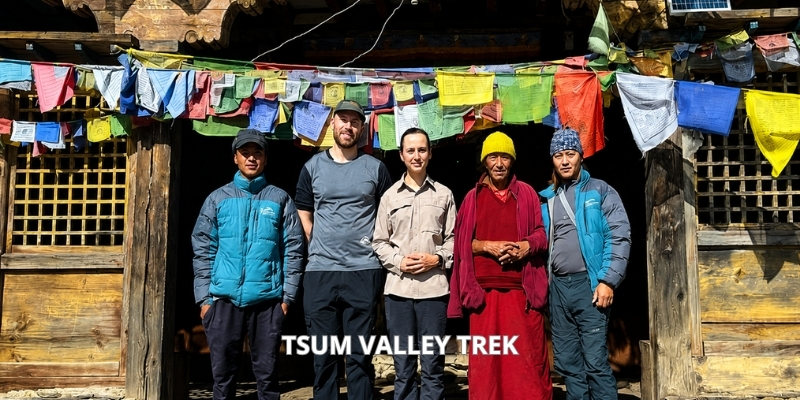
Tsum Valley Trek provides incredibly distant and traditional trekking. There is no authority to kill animals since the region has been designated a non-violent conservation area. Tsum Valley in Nepal is a must-see, with strong, amiable, and welcoming people who practice Buddhism.
Also, according to Buddhism’s ban on hunting. It is forbidden to interact with wildlife. Tsum is a translation of the Tibetan word “Tsombo.”
We can also agree that this amazing location has preserved its own culture. The Tsum Valley is a valley located between 2,000 and 3,500 meters above sea level. It is in the Gorkha region of western Nepal (6,600 to 11,500 ft).
The Manaslu Conservation Area Permit, founded in 1998, has control over the valley. There are 33 communities in the valley, and there are 529 homes and 1,810 people overall.
The Tsum Valley Trek passes through the vast and uncharted area of the “Tsumbas.” It is mostly inhabited by the Gurung ethnic group.
It ascends to the Budi Gandaki River and Manaslu route. The Tsum Valley Trek region has a lengthy Buddhist heritage. Because is popular that, Milarepa, a Buddhist sage. He meditated in a cave amid the Tsum mountains.
Therefore, among the various festivals celebrated in the area are Lhosar, Dhacyhang, Saka Dawa, and Fanning. Also, it has a lot of monasteries, stupas, chortens, and Mani (Prayer) walls. The longest is nearly 250 meters long. From the Philim, do the 1905-meter hike to Lhokpa on the right. The Tsum Valley Trek difficulty guide will help you prepare well for the journey.
View Trip Detail
Challenges of Trekking Nepal During Monsoon
June to August is the monsoon season for Nepal. Rainshadow regions like Upper Mustang, Nar Phu & Tsum Valley are best to trek during this time. No doubt, the monsoon isn’t without challenges, which is why it’s known as an off-season for trekking in Nepal. Below are some of the monsoon trekking challenges that make it a less preferred trekking season:
Heavy Rain and Cloudy Views
During the monsoon, many parts of Nepal experience frequent and heavy rainfall, especially at lower and middle altitudes. You may have to walk in wet conditions for several hours, and your entire outfit, including your shoes, can get damp. Likewise, clouds can cover the mountains for a long time and can obstruct Himalayan peaks. If this happens after reaching a viewpoint, it can be disappointing.
However, rainfall and cloud cover vary by location. Areas like Upper Mustang, Tsum Valley, and parts of Dolpo receive much less monsoon rain.
Muddy and Slippery Trails
As the monsoon receives continuous rain, it makes trek routes wet, muddy, and slippery. In forested sections, on steep slopes, and on pathways with loose ground, mud slips are a major issue. Mud can also dirty your shoes and clothes, so you’ll need waterproof gear.
Leeches
Leeches are another common problem in lower-altitude forest sections during monsoon season. They stick to your shoes, socks, or other parts of your skin, which can make you uncomfortable. To prevent them, wear long trousers, proper trekking socks, and sturdy shoes. Some trekkers also carry salt or leech socks to prevent them.
Landslide and Trail Damage
Heavy rain destabilizes mountain slopes, and when the ground becomes saturated, rocks and soil can move downhill, causing landslides. Similarly, landslides can damage trekking paths or make some sections temporarily unsafe.
Flight Delays and Cancellations
Flights, especially to the mountains, are highly weather-dependent, but monsoon weather is unpredictable, and continuous rainfall can cause delays of days or even cancellations. Flights to places such as Lukla can be delayed or canceled due to heavy rain, thick clouds, and poor visibility. This also affects the entire trekking schedule.
Best Time Within Monsoon to Trek (June vs July vs August)
As the monsoon/summer runs from June to August, weather and trekking conditions vary month to month. Even in the rain shadow area where monsoon trekking is possible, the timing of your trek can make a big difference. Here is a comparison of three months of monsoon which helps you to decide the best time within the season:
Factor
June
July
August
Monsoon Intensity
Beginning
Peak
Slowing reducing
Rain-Shadow Region Stability
Most stable of the three
Slightly less stable
Stable by the end of the month
Landscape
Late spring’s freshness
Dense but wet
Harvest colors in high-altitude valleys
Flight Reliability
Moderate
Lowest
Good and improving by late month
Crowd Level
Low
Lowest
Low
Mountain Views
Good in rain-shadow areas
Generally good in rain-shadow areas
Good
Flight/road reliability
Start becoming difficult
Weather-related disruptions
Still less reliable
Overall Recommendation for Rain-Shadow Treks
Very good
Good, but expect the least predictable weather
Very good
Flight and Transport Reliability During Monsoon Trek In Nepal
Flights and transport reliability during the monsoon are at their lowest in Nepal. Even if you choose rain-shadow trekking like the Nar Phu Trek, reaching the starting point can be difficult because much of the country receives heavy rainfall, and flights and transportation are less predictable. So, check weather conditions and stay updated on the area’s route/flight conditions before starting the journey.
Flight Reliability
Because thick clouds, rain, and poor visibility are common during the monsoon, they can cause sudden flight delays or cancellations, reducing flight reliability. Mountain airports like Tenzing-Hillary Airport and Jomsom Airport are highly weather-dependent, and monsoon weather is less predictable; flight reliability there is low. Thus, if you’re planning to travel by flight in the season, keep 2-3 extra buffer days in your itinerary.
Road Transport Reliability
Like flight, road travel is also affected by the monsoon rain. Heavy rain makes road conditions near mountains and hillsides muddy, increasing the risk of landslides and temporary road blockages. Routes like Prithvi Highway towards Pokhara and roads toward Syabrubesi and Besisahar can be temporarily closed during heavy rainfall. Even when roads stay open, buses and jeeps take longer because of muddy roads, road repairs, landslides, and heavy traffic.
What Trekkers Ask About Monsoon Trek In Nepal
Is it safe to trek in Nepal during monsoon?
es, it is safe to trek in Nepal during the monsoon (June to August), but only in specific rain-shadow regions which are not affected by the season’s heavy rainfall.
Do I need travel insurance specifically for monsoon trekking?
Yes, you need travel insurance for monsoon trekking because weather disruptions are common in the rainy season. Buy insurance that covers trekking at the highest altitude you’ll reach, medical emergencies, helicopter evacuation, trip delays, and cancellations due to unavoidable circumstances.
Is monsoon a good time to trek if I want to avoid crowds?
Yes, monsoon is a good time to trek if you want to avoid crowds. But if you also want to avoid weather-related challenges, it’s not a good time, as it brings unpredictable conditions.
Can I still see mountain views during monsoon treks?
Yes, you can still see mountain views during monsoon treks, but visibility isn’t guaranteed and may be limited most of the time. Clear views of the sky are generally in the early morning or right after rainfall, when the sky opens up.
Which regions to avoid during monsoon trek in Nepal?
It’s best to avoid every non-rain-shadow region for a monsoon trek in Nepal, including Everest, Annapurna, and Langtang, because heavy rains bring slippery trails, leeches, flight delays, and dangerous mudslides.
This site uses cookies to optimize your user experience. By using this site, you are consenting to our use of these cookies. Check out our Privacy Policy.
Chat with our travel expert
Please fill out the form below to initiate a chat on WhatsApp and resolve your queries quickly.