

Most trekkers assume a lower-altitude trek is easier. That’s not entirely true. One example is the Tsum Valley Trek in Nepal. Tucked inside the Manaslu region, the route tops out at Mu Gompa, just 3,700m. Nothing like Everest Base Camp. Nothing like Thorong La Pass. Yet the Tsum Valley trek difficulty is rated moderately challenging, and that rating is earned.
The challenge here is not one hard day to reach a summit. It is 12 consecutive days of steep ascents and descents, and repeating the same rugged Himalayan terrain: river crossings, forest ridgelines, and rocky sections. The trail likely wears down your body by Day 5 and your motivation by Day 8. More importantly, once you pass Lokpa Gorge, you enter a restricted valley with no roads, no signal, and no shortcut out. If something goes wrong, you walk back the same way, on the same trail, on tired legs.
Basically, the trek route doesn’t have a summit moment. No clean finish line. Just steady, repeated effort until you are out.
Key Factors That Make the Tsum Valley Trek Difficult
There are five things in particular that differentiate the Tsum Valley trail from easier routes in Nepal. Some trekkers struggle with one. Most deal with two or three at once. Try to understand each one before you leave Kathmandu to finish strong, and avoid being forced to turn back early.
High Altitude
Altitude is the number one challenge on this trek. The valley starts around 900m at the Machha Khola trailhead and climbs steadily toward Mu Gompa at approximately 3,700m. Above 3,000m, your body begins working harder to absorb oxygen, and Acute Mountain Sickness (AMS) becomes a genuine risk. You need to stay aware of symptoms, which include headache, nausea, dizziness, loss of appetite, and disrupted sleep. If ignored, altitude sickness can become life-threatening.
The remoteness of Tsum Valley adds a serious layer to this. There are no hospitals or reliable medical facilities beyond the lower villages like Jagat or Philim. And helicopter evacuation from upper Tsum can take hours or days, depending on the weather and your exact location. So, you need to keep a steady pace, pay attention to how you feel overnight, and never push to a higher camp if something feels off.
Long Walking Hours
Expect to walk 5 to 8 hours per day on most days of the trek. You cover around 120-125 km total trekking distance on this itinerary over 12 days on the trail. The path is rarely flat. You gain and lose elevation repeatedly, through river valleys, across suspension bridges, up rocky switchbacks, and along narrow cliff-edge paths. Some days involve long stretches between teahouses, meaning you cannot stop early without a problem.
Days 7-9 will hit you hardest as you push from Chhekampar toward the Nile and Mu Gompa. This climb, after a week of gradual ascents and descents over and over again, is what most trekkers do not expect. The legs are already tired, making that section feel as hard as it does.

Weather & Seasonal Risk
The best seasons to reduce difficulty level and enhance the trekking experience during the Manaslu Circuit Trek are spring (March to May) and autumn (September to November). These windows give you stable weather, clear mountain views, and manageable trail conditions.
In contrast, the monsoon season (June to August) is a different story. Trails turn muddy and slippery. Rivers swell, and landslide risk increases, especially on the lower sections between Machha Khola and Jagat. Similarly, winter (December to February) brings extreme cold, snowfall at higher elevations, and shorter daylight hours. Some teahouses close entirely. Most trekkers have no business being here in these months.
Note that afternoon weather in the Himalayas can change quickly, even in the peak seasons. Always start early, carry waterproof gear, and treat the forecast as a suggestion rather than a guarantee.
Trail Remoteness & Self-Reliance
Most treks in Nepal have a safety net of sorts, busy trails, teahouses every few hours, and other trekking groups nearby. But Tsum Valley does not work that way. Past Philim, mobile networks disappear. There are no hospitals, pharmacies, or rescue roads in the upper valley. If you need emergency evacuation, a helicopter is the only option, which depends entirely on weather conditions at the time.
You cannot rely on buying supplies you forgot to pack during this restricted area trek. You cannot call for help quickly. You cannot assume the teahouse in the next village will be open. Every decision, what you carry, how you feel, whether to push on or turn back, needs prior trekking experience. That level of self-reliance is a difficulty in itself, and one that does not show up on any elevation profile.
Out-and-Back Fatigue
The Tsum Valley trekking trail does not complete a loop, unlike most popular Nepal treks. You go in, reach Mu Gompa, and come back out the exact same way. That means every river crossing, every ridgeline, every long climb you did on the way in, you do again on the way out, on legs that have already been walking for seven or eight days.
It sounds manageable right now, but on the trail, it is a different story. The physical fatigue and mental toll are demanding. There is no new scenery to keep you moving, no fresh motivation from an unknown trail ahead. Just familiar ground that feels longer the second time. You need to prepare yourself for this isolation mentally, ahead of time. This matters as much as building it into your training. Trekkers who expect it handle it well. Trekkers who don’t are the ones who find Day 9, trek from Chule to Dumje, the hardest day of the Tsum Valley trek itinerary.
Level of Physical Fitness Required for the Tsum Valley Trek
The Tsum Valley trekking region of Nepal is not easy. But that doesn’t mean you need elite endurance. Just a moderate to good fitness level can sustain for twelve days straight. A marathon runner who has never hiked with a pack can struggle here, but a regular hiker who knows their body’s limits can do very well. So, you need to be ready for back-to-back long days on uneven trails at altitude, where oxygen levels drop significantly (closer to 13-14%), and recovery slows.
Here is a practical self-check to know if you can handle the difficulty of the Tsum Valley:
- Can you hike 5-6 hours on uneven terrain with a daypack and still feel functional at the end?
- Have you done at least one multi-day trek of 3 or more consecutive days?
- Do you have no serious heart, lung, or blood pressure conditions? If unsure, talk to a doctor before committing.
If the answer to any of these is no, that is not a reason to cancel. It is a signal to prepare properly. Tsum Valley does not demand speed. It demands consistency. If your pace drops sharply after a few days, the trek becomes harder than it needs to be.
Here’s a 4-week pre-trek training plan to make you ready for the Tsum Valley trek route:
| Week | Focus | What to Do |
|---|---|---|
| Week 1-2 | Base endurance | 30-45 min brisk walking or cycling daily |
| Week 2-3 | Endurance build | Hikes with 400-600m elevation gain, 2-3 times/week |
| Week 3-4 | Strength & stamina | Stair climbing with a light pack, 5-7 hour hikes |
Start at least 6-8 weeks before departure, not 2 weeks. Focus on: downhill strength for knees, stair endurance for repeated climbs, and steady pacing, not speed. Your legs will carry you up. Your knees will carry you down. Train both.
If you are an experienced trekker, physically fit, and want extended days for a more immersive, challenging trek, opt for the Manaslu Circuit Tsum Valley trek. This simple addition turns the trek into a full circuit, adds higher altitude and the Thorong La Pass, giving it a more demanding and complete finish.
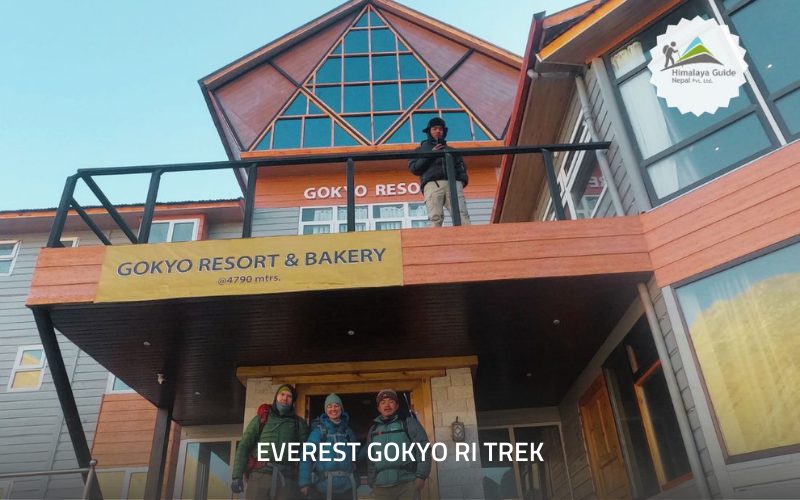
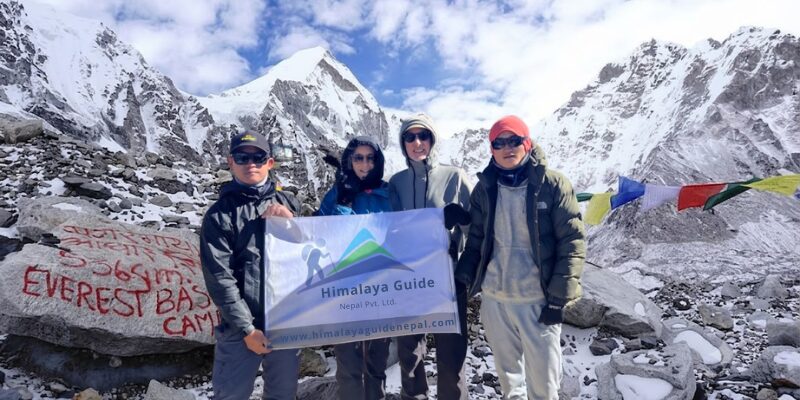
The Everest Base Camp trek is one of the most popular treks in Nepal. The trek is more frequently visited than other popular treks, such as the Annapurna Base Camp Trek or the Langtang Valley Trek, which are also well-known among trekkers worldwide. The trek is on the bucket list for many trekkers to reach the base of the world’s highest peak, Mount Everest. Everest Base Camp trek begins with a Kathmandu to Lukla flight & provides a challenging Himalayan & Sherpa village experience costing you $955. The paths twist and turn through beautiful Sherpa villages, high rhododendron forests, and alongside the Dudh Koshi River, offering glimpses of the local culture and the strong presence of the local people.

As the altitude gradually increases from Lukla, you will pass through Namche, Tengboche, and Dingboche. During this trek, trekkers need to acclimatize to the conditions of the Khumbu region. During these treks, trekkers will enjoy stunning views of mountains such as Everest, Ama Dablam, Nuptse, Lhotse, and Cho Oyu. The final section of your walk takes you to Gorak Shep, the last place before you reach Everest Base Camp, at an altitude of 5,364 meters. From Gorak Shep, you will walk to the highest point of the trek, at 5,644 metres, Kala Patthar. This is a rewarding trek, one that provides an immense sense of accomplishment and offers wonderful views of Mount Everest and the Khumbu Icefall up close, which will stay with you forever.
Everest Base Camp Trek CostThe Everest Base Camp Trek cost ranges from USD 1,055 to USD 1,510 per person for a standard package. The cost of the trek to EBC varies based on various factors like group size, trek duration, accommodation, transportation, services included, and customization of the trip. Also, the standard trek package covers most of the expenses required for the trek, including meals and accommodation, permits, guide service, domestic flight ticket, overland transportation, and necessary government taxes.
Everest Base Camp Trek Cost Breakdown:
| Category | Description | Estimated Cost (USD) | Factors Influencing Cost |
|---|---|---|---|
| Permits | Fees are required to trek in the Everest region. | $50 – $60 |
|
| Transportation | Costs to reach the trek starting point (usually Lukla) and return to Kathmandu. | $360 – $460 |
|
| Accommodation | Cost of staying in tea houses/lodges along the trekking route and hotels in Kathmandu. | $150 – $500+ |
|
| Food & Drinks | Expenses for meals (breakfast, lunch, dinner) and beverages during the trek. | $250 – $500+ |
|
| Guides | Fees for hiring a licensed trekking guide. | $500 – $1000+ |
|
| Trekking Gear | Costs for essential trekking equipment. | $100 – $500+ (if renting) / $300 – $2000+ (if buying) |
|
| Visa | Nepal entry visa fees. | $30 – $125 |
|
| Travel Insurance | Mandatory insurance that covers medical emergencies, high-altitude sickness, and emergency evacuation (including helicopter rescue). | $100 – $300+ | Cost depends on the duration of the trek and the coverage provided by the insurance policy. Ensure it specifically covers trekking at altitudes up to 6,000 meters. |
| Miscellaneous | Personal expenses such as hot showers, Wi-Fi, charging electronic devices, snacks, souvenirs, and tips for guides and porters. | $100 – $300+ |
|
Major Acclimatization Points for the Tsum Valley Trek
Tsum Valley does not gain altitude aggressively, but it climbs steadily. That makes it easy to underestimate. The risk builds quietly, then shows up all at once. Hence, acclimatization is not optional on this trek. It is what keeps you moving forward or forces you to turn back.
These are the points where slowing down matters most.
Jagat (1,340m)
The trek to Jagat feels easy. The altitude is low, and most trekkers still feel strong because the journey has just started. That’s exactly why people rush. You shouldn’t make this mistake. This is the last major village before the off-the-beaten-path trek section begins. From here, the trails get narrower, and you need to climb more consistently. Treat it as your final reset point. Eat properly, check your gear, and make sure you have essentials like warm layers, water purification, and basic medical supplies. Resupply becomes limited ahead.
Philim (1,570m)
Philim is the last point where you still have a reliable network and relatively easy walking conditions. Beyond this, the trail becomes more remote and begins a steady climb into higher altitude territory. This is where you should naturally slow your pace. Not because altitude is critical yet, but because the next stretch toward Chhekampar demands more endurance and recovery awareness. Focus on steady walking, proper hydration, and eating well to maintain energy for the days ahead. If you rush here, you carry that fatigue straight into the upper Tsum Valley.
Chumling (2,386m)

You first start feeling the altitude at Chumling. Breathing gets slightly heavier during climbs, and sleep may feel lighter or more restless. These are normal adjustment signals, not warning signs. This is the point where small mistakes like poor hydration, rushed pace, and skipped meals start to show up later in the day. So the focus should be consistency, not intensity.
If you wake up with a mild headache or feel unusually slow, reduce your pace the next day instead of pushing through. Early symptoms here are manageable. Ignoring them will create problems later.
Chhekampar (3,010m)
This is the most important acclimatization stop in the Tsum Valley region. As you reach above 3,000m, your body needs time to adapt before gaining more elevation. You can spend an additional rest day here and use a simple “climb high, sleep low” approach for safer acclimatization. If you don’t feel stable here, do not skip this additional day and go higher. The day’s sole purpose is to help you manage trek’s difficulty and your body’s adjustment without increasing risk.

Nile (3,361m) & Mu Gompa (3,700m)
In these high-altitude villages, everything slows down. Your body is working harder even when you’re resting, so discipline matters more than motivation. Walk slower than you feel you need to. Eat even if your appetite drops, and maintain consistent hydration throughout the trek. This is where fatigue and altitude stack together. Reaching Mu Gompa is the goal, but only if you arrive strong, not depleted.
Permits & Restricted Area Challenges In Trek To Tsum Valley
You need multiple permits to enter Tsum Valley, as it lies inside a restricted area of the Manaslu region. Independent trekking is not allowed here, so everything must be arranged through a registered agency and a licensed guide.
There are four required permits:
| Permit | Estimated Cost | Notes |
|---|---|---|
| Tsum Valley Special Permit | USD 40 (Sept-Nov) / USD 30 (Dec-Aug) | Mandatory for the first week. Covers Lokpa to Mu Gompa. |
| Manaslu Conservation Area Permit (MCAP) | NPR 3,000 (~USD 23) | Conservation fee for entering the region. |
| Local Entry Fee | NPR 1,000 (~USD 8) | Paid at the Chumnubri Rural Municipality checkpoint in Jagat. |
| TIMS Card / E-TIMS | NPR 2,000 (~USD 15) | Digital trekker registration, processed through your agency. |
You cannot obtain the restricted area permit independently or at the trailhead. It must be processed in advance through a licensed trekking company in Nepal. At Hillary Step, we handle permits for all of our trek packages. You just book and show up ready to trek.
Tsum Valley vs Manaslu Circuit Trek Difficulty
Both the Tsum Valley and the Manaslu Circuit Trek serve insane Himalayan views and deep Gorkha culture, but you can’t compare them in terms of difficulty. The Manaslu Circuit pushes your limits at high altitude, while Tsum Valley stays calmer, quieter, like a hidden world doing its own thing.
Let’s break it down properly so you can see the difference:
| Feature | Tsum Valley Trek | Manaslu Circuit Trek |
|---|---|---|
| Overall Difficulty | Moderate | Strenuous / Challenging |
| Maximum Altitude | 3,700m (Mu Gompa) | 5,106m (Larkya La Pass) |
| Duration | 12-15 days | 14-18 days |
| Physical Demand | Steady climbs, manageable pace | High stamina, especially for the long pass day |
| Terrain | River valleys, forests, stone steps | Alpine zones, glaciers, and rocky moraine |
| Altitude Risk | Lower, stays under 4,000m | Higher, multiple nights above 4,000m |
| Accommodation | Basic homestays and teahouses | More developed teahouses |
| Weather | More stable, cooler in the valley | Harsh winds and freezing temps up high |
Verdict: Go for Tsum Valley if you want something meaningful but not brutal. It offers you ancient monasteries, quiet trails, and a pace your body won’t fight you on. Pick Manaslu Circuit if you want to earn your views the hard way, long days, thin air, and that one massive pass that’ll either break you or make your story way cooler.
Tips for the Moderate to Strenuous Tsum Valley Trek Difficulty Level
Most trekkers don’t struggle because of one big mistake. They struggle because of small, repeated decisions that add up over days at altitude. Tsum Trek is less about pushing harder and more about managing pace, energy, and awareness from start to finish.
These are the key things that actually make the difference between finishing strong and falling behind during your trek in the Tsum Valley:
- Hire a licensed local guide. They manage navigation, safety, and real-time decisions in a restricted region with no reliable communication.
- Carry a pulse oximeter to monitor oxygen levels. A reading below ~80% is a warning to stop ascending.
- Start early every day (around 7 AM). This helps you avoid afternoon weather changes and secure better trail conditions.
- Drink 3-4 liters of water daily. Always purify it. Dehydration worsens fatigue and altitude symptoms quickly.
- Keep your pack light (8-10 kg ideal). Do not skip packing essentials such as warm layers, a first-aid kit, and personal medication.
- Share your full itinerary and emergency contact information before leaving Philim. The mobile signal disappears for the rest of the trek.
- Eat strategically. Eat especially dal bhat in the evenings since appetite drops at altitude, but energy demand increases.
- Walk at a slow and steady pace above 3,000m. Slow, steady movement works better than pushing speed and burning out early.
- Protect your feet early. Manage hotspots immediately and prevent blisters before they form, especially in the lower, humid sections.
- Prepare mentally for repetition on the return route. The same trail feels longer and more draining on the way back due to accumulated fatigue.
Ready to experience the remote Himalayan trek for yourself? Check out our Tsum Valley Trek Guide or contact us to discuss your fitness prep.


