Nepal is home to approximately 5,300 lakes, including 2,000 to 2,300 glacial lakes formed by melting Himalayan ice and snow. These lakes don’t sit at the same level; while some are in subtropical lowlands, others stay at high altitudes in the Himalayas. Many of the lakes are also remote and difficult to access. Many of these lakes have become popular trekking destinations, thanks to their spectacular mountain scenery and diverse landscapes.
Lake treks in Nepal take you beyond the standard mountain routes. They take you to places where you can explore pristine lakes surrounded by high-altitude peaks and a calm environment. No single lake trek suits every traveler, because some are accessible while others are challenging. If you want to experience the beauty of Nepal’s Himalayan lakes but are unsure which trek you can complete, choose a route that matches your experience and fitness level. You can choose the trek that fits your trekking experience, available time, fitness level, and preferred landscape.
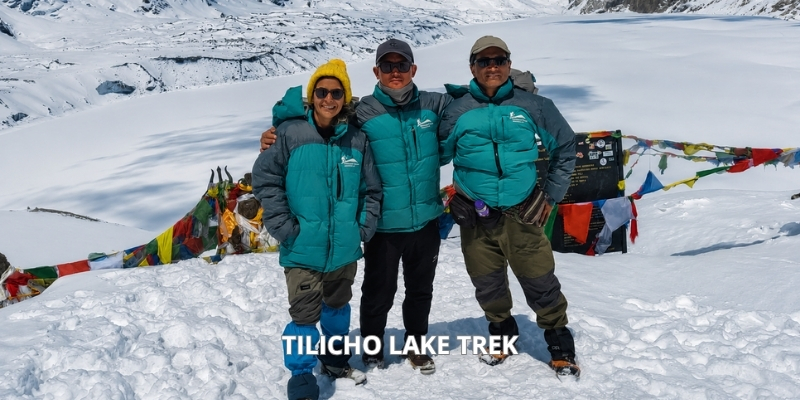
Tilicho Lake Trek is a beautiful side route in the Annapurna region of Nepal. It takes you to one of the highest lakes in the world, Tilicho, which sits at 4,919 meters. The lake is surrounded by towering peaks such as Nilgiri Himal, Tilicho Peak, and Himalchuli. It’s a quieter alternative to the main Annapurna Circuit, but it offers a similar atmosphere. Ideal for those seeking a different experience in the Annapurna region.
The trek begins from Besisahar, starting with lush hills and riverside trails. It’ll gradually change into alpine terrain: high meadows and rugged paths as you travel past Chame. After that come iconic stops like Manang, perched beneath soaring cliffs. Then, you will hike to see the sparkling waters of Tilicho Lake, surrounded by snowy peaks and silence. And it doesn’t end at that; you get to visit more famous places, Muktinath, a sacred site for both Hindus and Buddhists, and Ghorepani, known for its sweeping views from Poon Hill.
At Himalaya Guide Nepal, we don’t just lead treks. We offer you flexibility. You can shape the journey based on your pace and goals for the trek. We’ve guided both seasoned hikers and first-time trekkers to Tilicho, so we know what it takes to get there safely and smoothly. Grant us a chance to help you explore the unique regions of Annapurna with this Tilicho Lake Trek.
The Annapurna Tilicho Lake Trek is a long, high-altitude journey that combines the classic Annapurna Circuit with a special side trip to Tilicho Lake. The trek starts in the lower foothills around Bulbule and follows the Marsyangdi River past waterfalls and villages like Tal as it climbs into the Manang region. One of the biggest highlights is Tilicho Lake, located at 4,919 M, known as one of the highest alpine lakes in the world. The trail slowly rises to help trekkers adjust to the altitude, passing from green forests and river valleys into the dry, windy landscapes of the high Himalayas near Tilicho Peak.
The trek then crosses the famous Thorong La Passat5,416 M, where trekkers enjoy wide views of the Annapurna and Dhaulagiri mountain ranges. After the pass, the trail enters the Mustang region and visits the sacred pilgrimage site of Muktinath Temple. From there, the route continues down through the deep Kali Gandaki valley to the natural hot springs at Tatopani. The final part of the trek passes through traditional Gurung and Magar villages such as Shikha and Ghorepani and ends with a sunrise view from Poon Hill. This journey offers a complete experience of Nepal’s mountains, culture, and diverse landscapes.
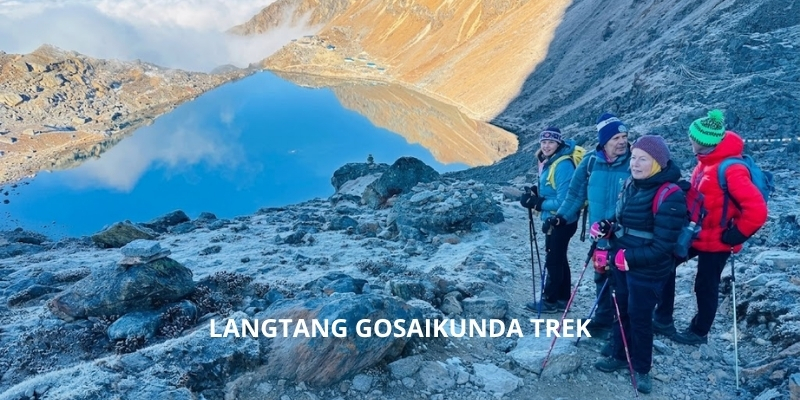
Langtang and Gosaikunda (also written as Gosainkunda) are two of the nearest places from Kathmandu for trekking. These two places are located within Langtang National Park, part of the Langtang region. Langtang Gosaikunda Trek is known for its Himalayan adventure despite being closest to the capital city of Nepal. Langtang Gosainkunda Trek covers a distance of 150 km, with 6 to 8 hrs walk each day, and offers a 14-day moderate to challenging trek itinerary.This trek takes you into Nepal’s less crowded mountain region. The journey begins from the village of Syabrubesi and takes you through the Tamang villages and lush forests.
The first half of the trek takes you to the “Valley of Glaciers,” Langtang Valley. Nepal’s one of the longest glaciers, Langtang Glacier, lies in this valley along with multiple other glaciers. During this trek, you will reach Kyanjin Ri (4,773 meters) or Tsergo Ri (5,033 meters). The second half of the trek covers the regions of Gosaikunda Lake. It takes you to the sacred lakes of Gosaikunda, which are popular among both Hindus and Buddhists. Leaving behind Langtang National Park, you will enter the Shivapuri National Park before the trek finishes.
Overall, you will experience the Himalayan trekking experience without going to the Everest or Annapurna Region. But you have to be fully prepared for the trek. You must know about the itinerary, permits, costs, food, accommodations, weather, and other factors. These are important to ensure safe trekking. This article is a comprehensive guide on the Langtang Gosaikunda Trek. Read along to add depth to your preparation.
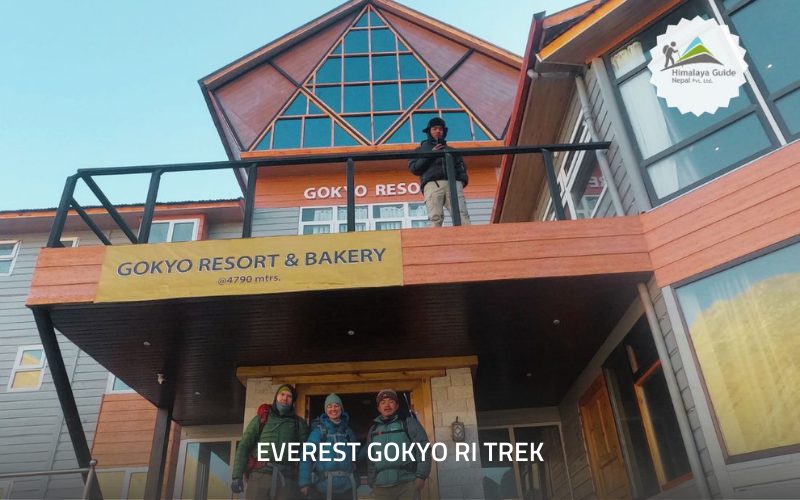
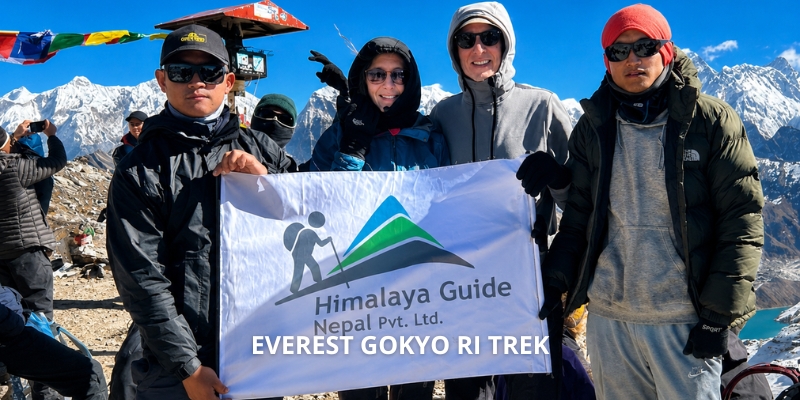
The Everest Gokyo Ri trek also known as Everest Gokyo Lake Trek, offers a chance to take a less-traveled path and enjoy a view of Mt. Everest from Gokyo Ri (5,360 m) rather than from Kalapathar. Rather than the crowded and commercial lodges of the EBC Trail, you can travel the quieter trail. Instead of exploring the same classical route that everyone takes, you can explore the other aspects of the Everest region without compromising the Himalayan trekking experience. Ascending the Gokyo Ri, you will witness four of the eight highest mountains in Nepal.
What sets the Everest Gokyo Lake Trek apart is not just its scenery but also serenity. You will cross the Ngozumpa Glacier, the longest glacier of Nepal. In this trek, you will explore the Gokyo Lake system. You will at least visit 5 of the Gokyo Lakes. While it can be physically demanding, the rewards are also greater. It is perfectly suitable for you if you want to connect with nature, without facing the difficulties of the Everest Three Passes Trek, and also want to avoid the noise of the EBC trail. Besides, in this trek, you will cross Renjo La Pass (5,360 m), one of the three high passes. So, it is the perfect trek for those seeking both adventure and self-contemplation.
Chola Pass Trek is for trekkers who want more than just Everest Base Camp Trek. It combines the classic EBC route with the quieter Gokyo Valley and throws in a high mountain pass crossing for good measure. You’ll follow the Dudh Koshi River, walk through Sherpa villages like Namche, climb up to the turquoise Gokyo Lakes, and take on the Chola Pass at over 5,300 meters. Then, you loop back into the main route toward Everest Base Camp and Kala Patthar.
So, this trek isn’t just about one destination. It’s a full circuit. You get the best of both routes: the peaceful side trails of Gokyo and the dramatic finish at Base Camp. Gokyo Ri offers insane views with fewer people on the way, and the Chola Pass keeps things interesting with real high-altitude challenges. Besides this pass section, most of the route follows a well-established trekking route. The itinerary also allows enough time to acclimatize properly, making the trek safer and more comfortable.
If you’re looking for a trek that avoids the usual EBC loop and gives you more variety, this one is it. The landscape changes from river valleys to alpine lakes to glaciers, making the walk wild and exciting throughout the trek. It is not the easiest, but it’s solid for anyone ready to go beyond a basic trekking experience in the Everest region.
The Everest Two Passes Trek is an incredible 15-day circuit that showcases the pristine beauty of the world’s tallest peaks while offering a true adventure challenge. Focusing on Cho La Pass (5,420 M) and Renjo La Pass (5,360 M), this route is a less crowded alternative to the Three Passes trek. You start on the Everest Base Camp trail to Thukla, then explore the hidden turquoise Gokyo Lakes and the massive Ngozumpa Glacier, where you can witness four of the world’s six highest mountains: Everest, Lhotse, Makalu, and Cho Oyu.
The trek also offers a close look at the rare wildlife and spiritual heritage of Sagarmatha National Park. Along protected forests, you may spot elusive species like Snow Leopards, Musk Deer, and Lophophorus. Similarly, ancient monasteries in Tengboche and Thame offer authentic Sherpa culture and hospitality. Staying in local lodges across the remote Gokyo Valley and crossing high-alpine passes creates the perfect mix of physical challenge and cultural discovery. All in all, this trek delivers the grandest views of the Everest region in a peaceful, unforgettable way.
View Trip Detail
Best Lake Treks in Nepal
Tilicho Lake Trek
Lake Elevation: 4,919 m
Region: Annapurna
Duration: 16 days
Difficulty: Moderate to Challenging
Tilicho Lake TrekHighlights: Trek through the diverse landscapes of the Annapurna region, passing through mountain villages, deep valleys, and high alpine terrain before reaching the spectacular Tilicho Lake. The increasing altitude and steep sections make acclimatization important.
Best For: Trekkers seeking a high-altitude lake adventure with dramatic Annapurna scenery.
Langtang Gosaikunda Trek
Lake Elevation: 4,380 m
Region: Langtang
Duration: 14 days
Difficulty: Moderate
Langtang Gosaikunda TrekHighlights: Combines the beautiful Langtang Valley with the sacred Gosaikunda Lake. The trail passes through Tamang villages, rhododendron forests, alpine landscapes, and the Lauribina Pass, with opportunities to enjoy panoramic Himalayan views.
Best For: Trekkers looking for a combination of sacred lakes, mountain scenery, cultural experiences, and forest trails.
Everest Gokyo Lakes Trek
Lake Elevation: Around 4,700–5,000 m
Region: Everest/Khumbu
Duration: 12 days
Difficulty: Challenging
Everest Gokyo Lake TrekHighlights: Explore the turquoise Gokyo Lakes in the Everest region and climb Gokyo Ri at 5,445 m for panoramic views of Everest, Lhotse, Makalu, and Cho Oyu. The high altitude and demanding climbs make this a more challenging lake trek.
Best For: Experienced trekkers who want high-altitude glacial lakes and spectacular Everest-region mountain views.
Damodar Kunda Trek
Lake Elevation: 4,890 m
Region: Upper Mustang
Duration: 20 days
Difficulty: Challenging
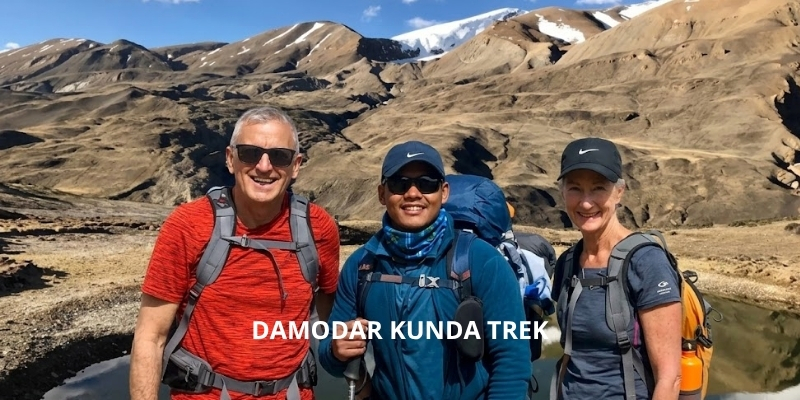
Damodar Kunda TrekHighlights: Reach the remote and sacred Damodar Kunda through the barren, rain-shadow landscapes of Upper Mustang. The journey combines high mountain passes, traditional Mustang settlements, Lo Manthang, and important pilgrimage sites.
Best For: Experienced trekkers interested in remote Himalayan landscapes, Tibetan-influenced culture, and sacred high-altitude lakes.
Which Lake Trek in Nepal Is Right for You?
As mentioned, Nepal offers something for every lake trekker, from those wanting a short Himalayan adventure to those seeking challenging high-altitude journeys. The right lake trek depends on your available time, trekking experience, fitness level, and interests.
For a Short and Beginner-friendly Lake Trek
If you want an amazing lake experience without spending too much time on the journey, Gosaikunda Trek and Panch Pokhari are suitable options. These routes take you through beautiful alpine lakes and mountain scenery in 5-7 days, with manageable challenges.
For a High-Altitude Lake Adventure
For trekkers seeking a high-altitude adventure, Tsho Rolpa Trek, Gokyo Lakes Trek, and Tilicho Lake are ideal options. These lake treks let trekkers explore glacial lakes surrounded by the Himalayas while challenging themselves. They also demand better preparation and acclimatization because of the higher elevations.
What People Ask About Lake Treks In Nepal
Which is the beginner-friendly lake trek in Nepal?
Gosaikunda Lake Trek is a beginner-friendly trek in Nepal, and many first-time trekkers have completed it. Although rated moderately challenging, it includes steep ascents and reaches above 4,000 meters; it’s manageable for beginners who follow proper acclimatization and listen to their bodies.
What is the highest lake accessible by trekking in Nepal?
Kajin Sara Lake is the highest lake accessible by trekking in Nepal, located at an elevation of 5,020 meters (16,411 feet) in the Manang District, followed by Tilicho Lake at 4,919 meters.
How many days do lake treks in Nepal take?
Lake treks in Nepal generally take 6 to 15 or more days, depending on the destination, side trips, and acclimatization needs. Treks in higher areas and remote locations like Gokyo and Tilicho take longer, while treks near Kathmandu are shorter.
What is the best season for lake trekking in Nepal?
The best seasons for lake trekking in Nepal are autumn (September to November) and spring (March to May). These seasons offer outstanding, crystal-clear lake views and moderate trekking temperatures.
Which lake trek has the best Himalayan views?
The Gokyo Lakes Trek is known for providing the best Himalayan views of any lake trek. It takes you up to Gokyo Ri, a prominent viewpoint in the Everest region, and offers views of four of the world’s 8,000-meter peaks, including Mount Everest.
Which lake trek is closest to Kathmandu?
The Gosaikunda Lake Trek is the closest major alpine lake trek to Kathmandu. It is accessible by a 6-7-hour drive from Kathmandu, followed by 4-5 days of walking. Likewise, Panch Pokhari in Sindhupalchowk district is another popular lake trek accessible from Kathmandu.
This site uses cookies to optimize your user experience. By using this site, you are consenting to our use of these cookies. Check out our Privacy Policy.
Chat with our travel expert
Please fill out the form below to initiate a chat on WhatsApp and resolve your queries quickly.