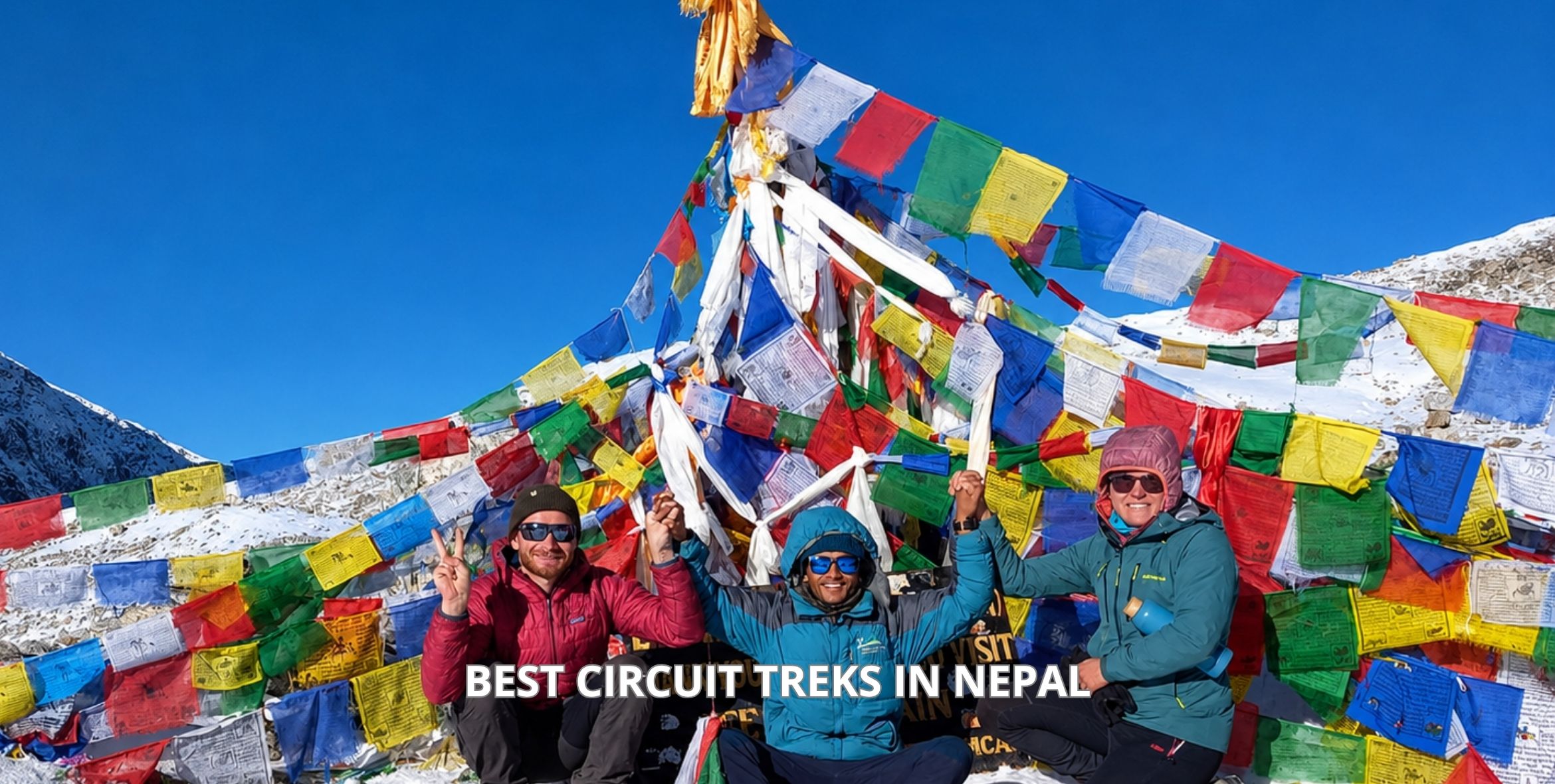
Among Nepal’s trekking destinations, Circuit treks are special. A circuit trek isn’t just walking to one destination and returning the same way. It’s unique: you start at one point and end at another, looping around a region. It starts at a landscape of green forests and valleys, then takes you to dry mountain peaks and ultimately to the high mountain passes.
Every Nepal circuit trek is different but all share one thing: variety. You experience landscapes, culture, altitude & challenge change on same journey. In one trek, you walk through traditional villages; another day, you’ll be crossing bridges over roaring rivers, and another day you’ll be crossing 5,000 meters+ mountain passes. So, instead of simply reaching a viewpoint and returning, the Circuit trek keeps you moving forward until you complete the full circuit.
Take a look at our best Circuit Treks in Nepal for 2026 below. Each package includes all the necessary information about the specific route and helps you choose the best available option.
Kanchenjunga Circuit Trek | 20 Days Itinerary At Just $1,450
4.8 (6 Reviews)
5,143m
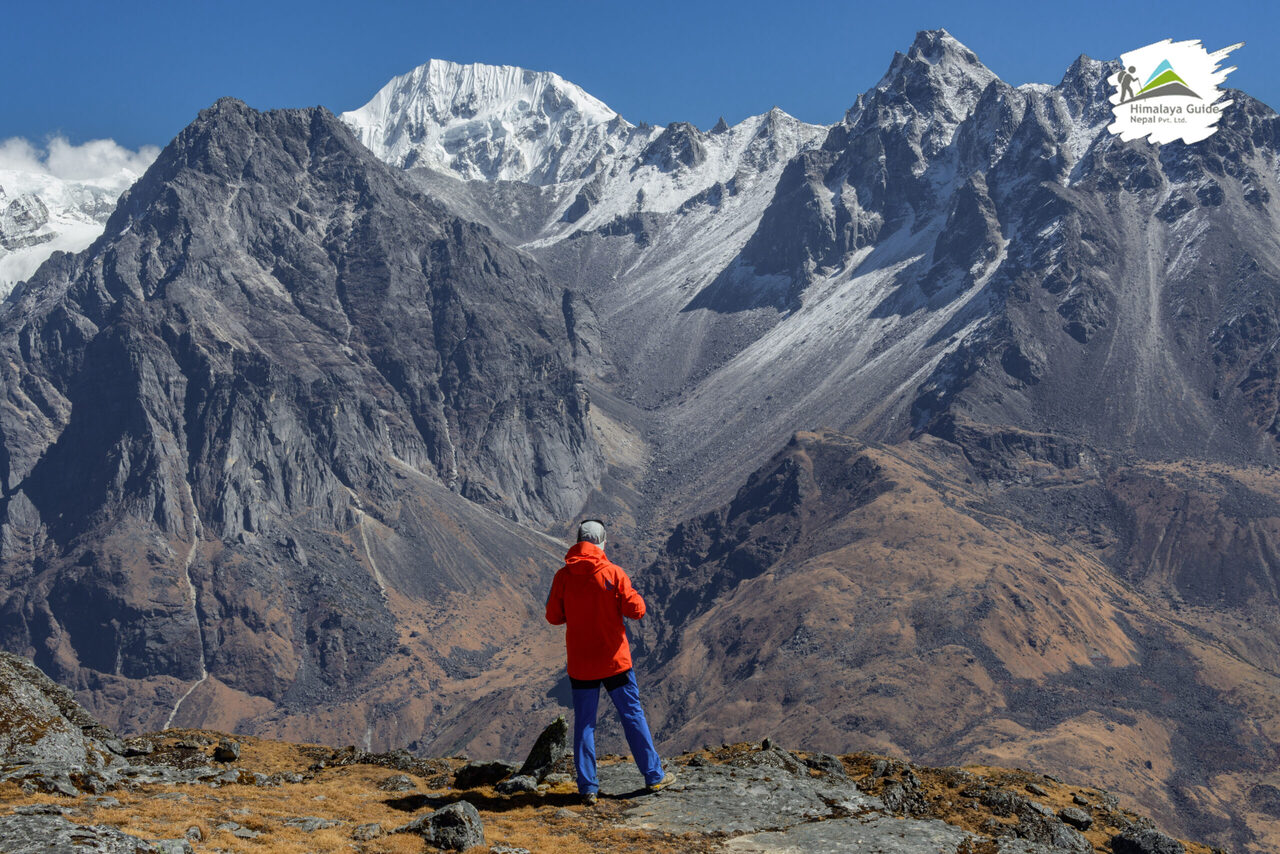
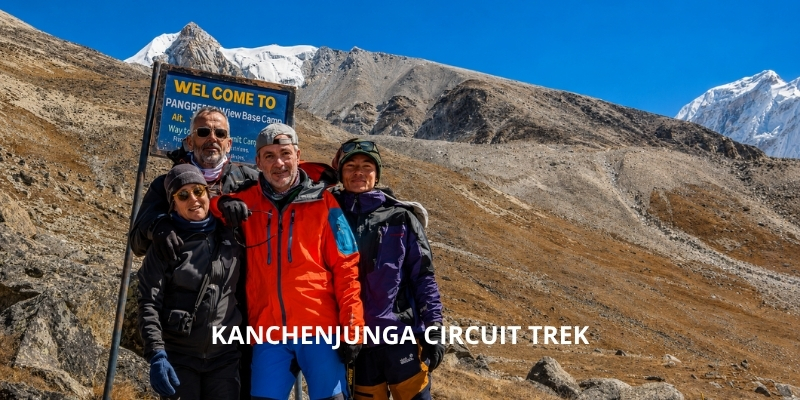
The Kanchenjunga Circuit is a least trekked area located on the eastern border of Nepal. The trails of this trek lead you to Mt. Kanchenjunga (8,586 m), the third-highest peak in the world. Although it was opened to trekkers in 1988, it remains underrated to this day. The two primary reasons might be its remoteness and its being a restricted trekking area. There are two base camps in the region, the North and South base camps. The Kanchenjunga Circuit covers both the Kanchenjunga North and South base camp treks simultaneously, circling the area. The rugged trail, remoteness, and opportunities for camping make this trek an ideal destination for adventure seekers. No matter which Kanchenjunga region package you choose, the major attraction of Kanchenjunga remains the mountain and unique trail it offers.
For the trek to Kanchenjunga Circuit, most groups fly to Badrapur from Kathmandu and then drive to Taplejung. The trekking start point is Taplejung, and the ending point is Khebang. Two separate routes head northeastward from Taplejung, one to the north base camp and the other to the south base camp. These routes can be combined into a circuit, making the Kanchenjunga Circuit Trek.
Initially, you will head towards the North Base Camp and return to cross the Sele La Pass (4,290 m) and reach the South Base Camp. You will return via the Tortong route to get to Khebung before driving to Bhadrapur. The Kanchenjunga Trek is one of the less crowded treks, making it suitable for those seeking solitude while trekking. Read along to know more about the Kanchenjunga Circuit Trek.
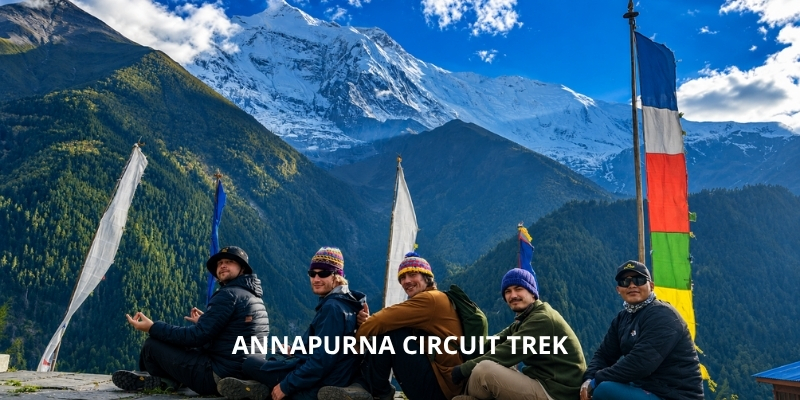
The Annapurna Circuit has become one of the most popular treks in Nepal since its inception in 1977 A.D. As the name suggests, this trek is located in the Annapurna Region, inside the Annapurna Conservation Area. The trail circles the Annapurna massif, meaning you can witness the views of the Annapurna mountains from multiple angles. The trek begins in the lush valley and leads to the arid landscape of Manang, culminating in the ascent to Thorong La Pass (5,416 meters), the highest point of the trek. Along the route, you will encounter traditional villages inhabited by the Gurung, Lama, Thakali, and Magar communities.
It used to take more than 20 days to complete the entire trek. However, the development of the road in the lower section has reduced the trek to 15 days or more. Despite the changes, the core of the treks, which are Manang, Muktinath, and Throng La Pass, are not affected, and you can still get the ultimate Himalayan trekking experience from this trek. After reaching Thorong Pass, you will descend to the Muktinath Temple, a sacred place for both Hindus and Buddhists. Besides, there are other popular side treks like Tilicho Lake Trek, which you can combine with Annapurna Circuit Trek to make it more challenging and rewarding.
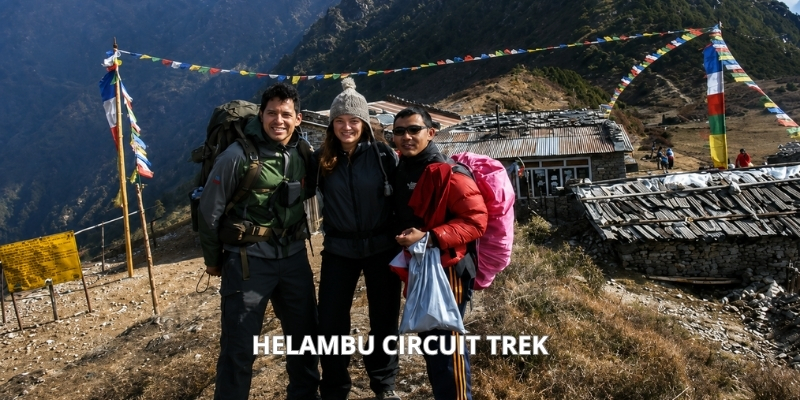
Around 80 kilometers from Kathmandu, in Nepal, is the highland area of Helambu. The Helambu area is the location of a 7-day trek offered by Himalaya Guide Nepal Pvt. Ltd. It is simple to reach the Helambu Circuit trek from Kathmandu.
Trekking the Helambu Circuit Trek takes a week. For hikers with short vacations, it is the ideal journey. Similarly, If you hike in this area, you’ll enter and pass through the Langtang National Park for this journey, we must present our trekking permits at the checkpoint at Magen Goth, 3280 meters.
The Himalayan Rescue Dog team is based in Sundarijal (1,390 m (4,560 ft), a small dam and hydropower facility in the northeastern portion of Kathmandu Valley, where the Helambu trek starts. The route starts at Shivapuri National Park near the end of the auto road, where the enormous water pipe emerges from the hills to the west of Sundarijal.
There is now a bus service from Boudhanath Kathmandu to Sundarijal. Likewise, you can choose to walk or hail a taxi. From Sundarijal to Pati Bhanjyang. However, jeep service is now available every day.
The majority of the journey is upstairs as you continue along its west side after crossing beneath the pipe. After 40 minutes, go left to pass a dam (1,585 m (5,200 ft)) of a water reservoir, Continue climbing after passing the watershed management road, which snakes around the slope, across the dam.
The lodge is not far from here. In an hour, you may ascend through a damp subtropical forest, through oak woodland, and reach Mulkharkha, a dispersed Tamang town with lodges and a view of the Kathmandu Valley behind you.
The region to the north of Mulkharkha has occasionally seen assaults, so don’t go there alone. To reach the Sherpa settlement of Melamchi Ghyang, one must continue along the overall ridge system, traveling north. On the east side of the river, Tarke Gyang is located opposite Melamchi Ghyang.
The other travels east falls to the Melamchi Khola and then climbs its east (left) bank. Similarly, the ridgeway ascends significantly higher than the other route (about 3,700 m (12,000 ft)), and in the late winter or early spring, there may be snow on its highest sections.
Between Khutumsang and Melamchi Ghyang, there are no permanent communities, but if you leave Kutumsang in the morning. You may go to Tharepati, where there are lodges. This section of the trail has some of the best mountain vistas. Consider spending the night high up in a seasonal lodge or hoping for views in Tharepati if it is overcast.
It is common in the late afternoon. Then, pray for clear skies the following morning. Additionally, Helambu is a Buddhist pilgrimage location and is well-known for its delicious apples and gorgeous Buddhist buildings. The founder of Vajrayana Buddhism in Tibet, Padmasambhava, is thought to have lived in Helambu.
However, We can instead begin in the Melamchi Khola valley, in Kiul or Thimphu. This Helambu Circuit Trek begins in Sundarijal, 1,350 meters above sea level, and continues through Chisapani, 2,300 meters, Golphu Bhanjyang, 3,640 meters, Tharepati, 2,530 meters, Tarke Gyang, 2,590 meters, Thimphu, 1,580 meters, and ends with a drive back to Kathmandu.
The Manaslu Circuit Trek is a two-week-long adventure in Nepal’s Himalayas that goes around the eighth-highest mountain peak in the world, Mount Manaslu. Opened to trekkers in 1992, the route is less crowded than the other well-known Everest and Annapurna treks. Still, the Manaslu trek is gaining popularity yearly for its raw beauty, peaceful trails, and personal experience with the Himalayas.
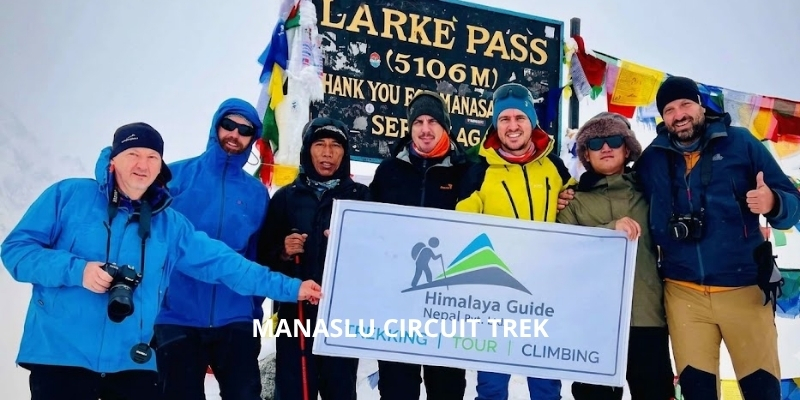
The journey to the Manaslu Circuit is a moderate-to-strenuous trek that starts with a drive to Machhakhola and ends in Besisahar, taking in the exciting Larkya La Pass (5,106 m) also called Larke Bhanjyang . Although the trek doesn’t involve any technical climbing skills, it does require a good fitness level, and having previous trekking experience is helpful. This is because the trek takes you through varied terrain, long trekking days, challenging passes, and continuous elevation gain.
The trek to the Manaslu Circuit is stunning because it takes place within Manaslu Conservation Area, a protected mountain region with 11 distinct forest types ranging from lowland sal and pine forests to high alpine meadows and glaciers. Likewise, the protected area is home to 33 species of mammals and shelters over 110 bird species and 2000 species of flowering plants. Besides, it’s home to about 9,000 residents, primarily of Gurung, Tamang, Tsumba, and Nubri-Tibetan ethnic groups. Thus, the trek lets you experience Buddhist culture and its traditions throughout the adventure.
One unique aspect of the Manaslu treks is that it borders Tibet. Therefore, trekking in this region requires a restricted area permit, along with the MCAP (Manaslu Conservation Area Permit), ACAP (Annapurna Conservation Area Permit), and Chumnubri Rural Municipality Entry Permit. Also, trekking in the region requires you to be accompanied by a licensed guide through a registered trekking agency.
The best trekking time for the Manaslu Circuit is March-May (spring) and September-November (autumn), when skies are clear, and Larkya La is most reliably open and safe to cross. The major highlights of the trek involve walking along the Budhi Gandaki River gorge while enjoying views of Mount Manaslu, Ganesh Himal, Himlung Himal, and Annapurna II. Manaslu Circuit trek is a 14-day moderate trek starting with a drive to Machha Khola, highlighting Larkya La Pass (5,106 m) at just $746.
The Manaslu Circuit with Serang Gompa Trek is a 15-day journey through the restricted trails of the Gorkha District and stands as a quieter alternative to Nepal’s commercial Himalayan routes. The route encircles Mount Manaslu (8,163 M), the world’s eighth-highest peak, and passes through a wide range of landscapes. At lower elevations, dense subtropical forests and waterfalls line the Budhi Gandaki River, while alpine terrain and glacial moraines dominate the approach to Larkya La Pass (5,160 M). The trail crosses Gurung and Tibetan-origin villages where architecture, customs, and daily life reflect long-preserved Himalayan traditions.
This itinerary gains its distinct character through its spiritual extension into Kyimolung Beyul, known as the “Hidden Valley of Happiness,” with a visit to the sacred Serang Gompa at 3,100 M. Blessed by Guru Rinpoche, the 500-year-old monastery remains an active center of Tibetan Buddhist practice in the Nubri region. The journey includes an overnight stay at the monastery, where trekkers observe rituals, practice meditation, and experience monastic life. This extension adds cultural depth and spiritual meaning to a demanding high-altitude trek.
View Trip Detail
How to Choose The Right Circuit Trek For You?
Choosing the right circuit trek for you is an important decision, as it’s more than a regular walk. A circuit trek takes you through different valleys, villages, landscapes, and mountain passes, which isn’t easy in a single adventure. So, do proper research on the Circuit Treks in Nepal that best suit your time, fitness, and comfort level.
Understand Each Pass
Every Circuit Trek in Nepal has a high mountain pass. Crossing these passes is the hardest yet most exciting part of the entire trek. So, when choosing the right circuit trek, first understand which passes fit you. Here are some of the famous circuit passes of Nepal:
Thorong La (5,416 meters): It is a famous pass on the Annapurna Circuit. It is also one of Nepal’s challenging passes, but many trekkers have completed it smoothly with the right preparation and good facilities along the route.
Larkya La Pass (5,106 meters): A major pass on the Manaslu Circuit Trek, which is quieter and more remote than other treks in Nepal. It is also a challenging, strenuous high-altitude pass that requires a good fitness level.
Sele La Pass (4,290–4,480 meters), Mirgin La Pass (4,665 meters), and Sinelapche La Pass (4,840 meters): These are the mountain passes on the Kanchenjunga Circuit route. Although lower in elevation than other passes, they are physically strenuous and technically challenging, requiring strong cardiovascular fitness.
Choose Your Type
Circuit Treks in Nepal come in different categories: some offer comfortable, well-equipped facilities, while others are remote. Depending on the type of adventure you seek, choose the right circuit trek for you. Based on the circuit trek introductions below, choose your preferred journey:
Annapurna Circuit: A good choice for first-time circuit trekkers, as the route has well-developed teahouses and road access in most sections.
Manaslu Circuit: One of Nepal’s lesser-traveled circuits, more remote and with fewer facilities. It is the best choice among trekkers who want to experience remote Himalayan Circuit treks.
Kanchenjunga Circuit: One of the remotest routes, with very few accommodation points, and camping may be required on some sections. This trek suits experienced, physically fit adventurers who want a remote, uncrowded, off-the-beaten-path experience.
Helambu Circuit Trek: One of the shortest circuit treks in Nepal, it suits beginners with a general fitness level. It loops around Tamang cultural heritage and is best for those who want to experience Nepal’s local Himalayan culture.
Your Time Availability
Circuit Treks in Nepal are generally longer than normal round trips because you need to complete a full loop. The trek usually takes 12-20+ days, so choose a journey that fits your available time. If you have 12-14 days, choose the Helambu Circuit Trek or Annapurna Circuit Trek.
Think About Culture and Natural Environment
Circuit Treks in Nepal are more than just mountain views; they’re about experiencing people, villages, nature, traditions, and the surrounding landscape as a whole. Different Circuit Treks in Nepal offer different experiences, so choose the one that matches your preferences.
Choose Annapurna Circuit Trek or Manaslu Circuit if you want to experience different communities including Gurung, Manangi, Nubri, and Tibetan-influenced villages. The journey also takes you through monasteries, chortens, prayer walls, and within the Annapurna Conservation Area.
Choose Dolpo or Kanchenjunga Circuit if you want peaceful trails, remote landscapes, and raw mountain scenery.
Do All Circuit Treks in Nepal Take Weeks?
No, not all Circuit Treks in Nepal take weeks, but most do. Unlike week-long base camp treks, Circuit treks cover a complete route valley by valley, village by village, and mountain pass by mountain pass, so they’re generally longer. So, when planning Circuit Treks in Nepal, plan a long vacation of at least two weeks to enjoy the journey safely.
However, the trek duration depends on the route you choose, road access, altitude, and how much of the original trail you want to complete. For example, you can complete a shorter version of the Annapurna Circuit in about 12-14 days by using road transport on some sections, while a full walk takes 16-18 days. Similarly, many remote circuit treks like Kanchenjunga circuit trek, Dhaulagiri, and Upper Dolpo can take more than 20 days because they have limited road access, involve long walking days, and require an extra day for acclimatization.
Circuit Treks Vs Base Camp Treks In Nepal
Both circuit treks and base camp treks in Nepal are well known for offering amazing mountain experiences. In general, a circuit trek is a loop, and a base camp trek is a journey to and from one main destination, particularly the foot of a specific peak. Both treks are amazing on their own, and neither is better than the other. So, the choice depends on what kind of activity you want and what you’re interested in.
Features
Circuit Treks
Base Camp Treks
Examples
Annapurna Circuit Trek, Manaslu Circuit Trek, Kanchenjunga Circuit Trek, and Helambu Circuit Trek, and so on.
Annapurna Base Camp Trek, Everest Base Trek, Mardi Himal Trek, and so on.
Route Type
Loop, crossing between the valleys
Out-and-back round trip
Highlight
Crossing high mountain passes
Standing at the foot of the mountain peak
Scenery
Variety: forest, farmland, high desert, and alpine, all in one trek
Suspension bridges, river, mountain peaks, and forests
Culture
Multiple villages and ethnic groups
Cultural immersion in one specific culture
Duration
12-20+ days
10-14 days
Best For
Trekkers who want a long and adventurous journey, a variety of cultural changes and landscape, and a high mountain pass crossing
Trekkers who want a shorter trip, lower elevation, and round trip
What Trekkers Ask About Best Circuit Treks In Nepal
What’s the difference between a circuit trek and a base camp trek?
A circuit trek is a Himalayan journey in a loop through different valleys, villages, and landscapes that starts and ends at two different locations without returning to the same pathways. On the other hand, a base camp trek is a journey to a specific mountain base camp, mainly focused on reaching and experiencing the destination, then returning the same way.
Which circuit trek is best for beginners?
Annapurna Circuit Trek is best for beginners, but only with proper preparation. It features well-developed teahouses, good trail infrastructure, and easier logistics than in other remote circuit treks of Nepal.
Can I do a circuit trek solo in 2026?
Yes, you can do a circuit trek solo in 2026, but it depends on which destination you’re choosing. If you choose circuit trekking in a restricted area, you can’t trek solo because of the restrictions. For example, you can trek the Annapurna Circuit Solo. Still, you can’t trek the Manaslu, Kanchenjunga, or Dolpo Circuit solo because they fall within restricted areas where trekking with a guide is mandatory.
Which circuit trek is least crowded?
The Upper Dolpo Circuit and Kanchenjunga Circuit are two of the least crowded circuit treks in Nepal because of their extreme remoteness, long durations, and expensive restricted-area permits.
Best Time For Circuit Treks In Nepal?
Spring (March to May) and autumn (September to November) are the best times for circuit treks in Nepal because they offer better conditions for crossing high mountain passes and more favorable weather.
Are permits and a guide required for circuit treks in Nepal?
Yes, permits are mandatory for circuit treks in Nepal. Guides depend on the specific trekking region; for restricted-area treks like the Manaslu and Kanchenjunga circuits, guides are mandatory, along with specific permits.
This site uses cookies to optimize your user experience. By using this site, you are consenting to our use of these cookies. Check out our Privacy Policy.
Chat with our travel expert
Please fill out the form below to initiate a chat on WhatsApp and resolve your queries quickly.