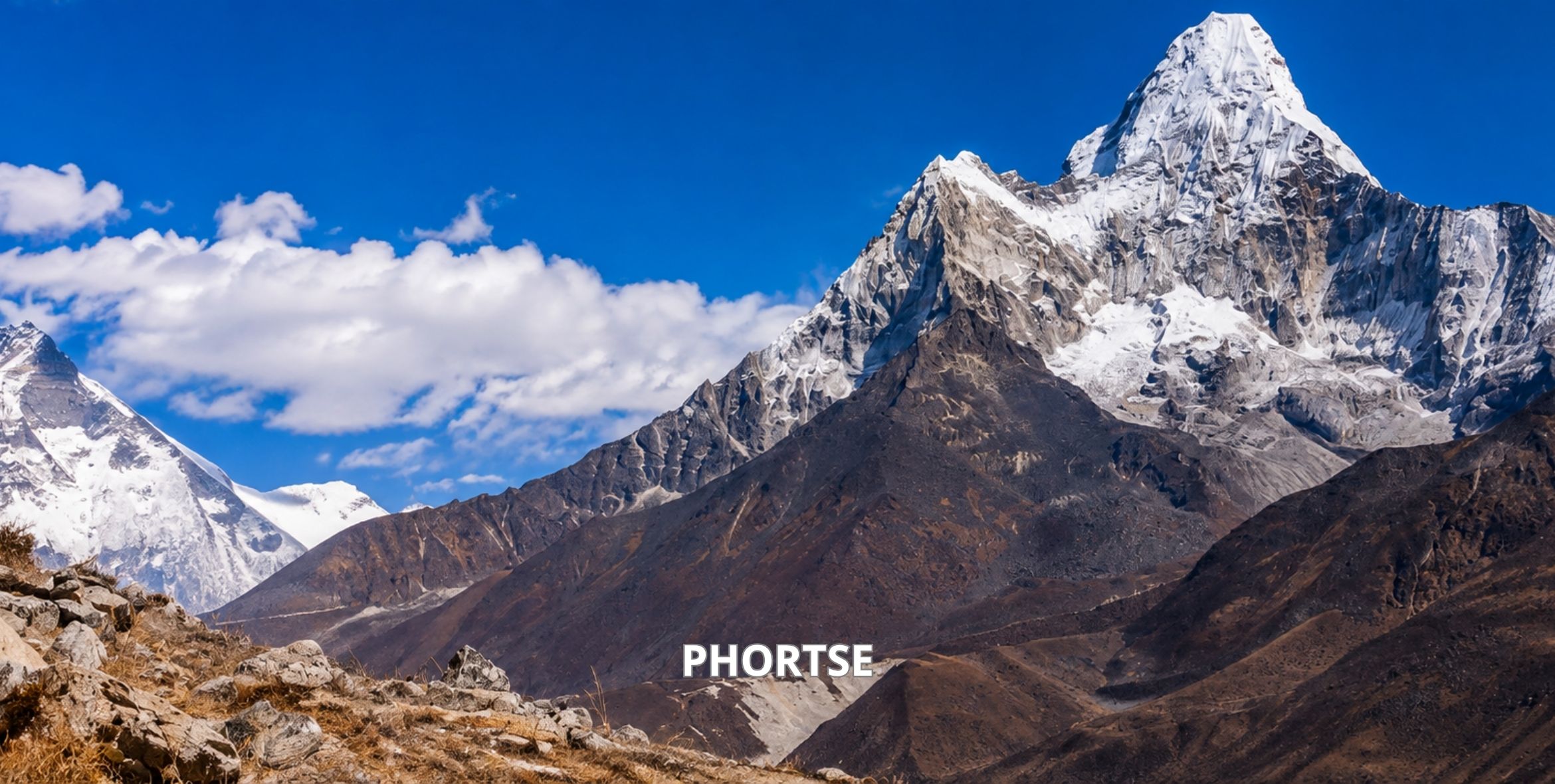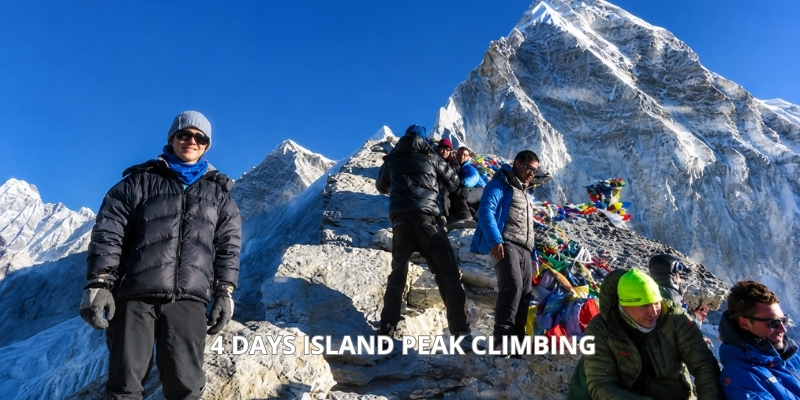
Island Peak climbing 4 days is a famous trekking peak situated in the world’s highest peak, the Mt. Everest region, and the entire Sagarmatha National Park, Solukhumbu, Nepal. The island peak’s first name was Imja Tse, but after 1953 AD, when the British Mount Everest climber group saw this peak as an island, it became an Island peak.
During the short peak climb, there are many options to do trekking and then back to climb the peak; those trips are: Everest Base Camp Trek, Chola Pass Trek, and Everest Three Pass Trek.
Highlights Of Island Peak Climbing 5 Days
- 4 Days are short and sweet Peak Climbing in Khumbu Valley.
- Providing a local climbing Sherpa guide.
- You will experience the Sherpa culture during your trip.
- You can do your trekking, then we will meet in Dingboche for climbing.
- Providing all climbing gear for Island Peak, Nepal.
- Breakfast, Lunch, and Dinner with hot drinks and biscuits.
- Very nice views of many mountains, glaciers, checksum, and Dingboche Valley.
- There are many trekking routes, so you can do any of them or directly climb the peak.
Best Time for Island Peak Climbing
The best times for climbing Island Peak are spring (March to May) and autumn (September to November).
These seasons offer:
- Best Weather: Clear skies and mild temperatures for better visibility and safety.
- Trail Conditions: Snow and ice levels are manageable, making the climb less challenging compared to winter.
- Breathtaking Views: Panoramic vistas of surrounding peaks like Everest, Lhotse, and Nuptse.
- Spring is ideal for witnessing blooming rhododendrons and greenery, while autumn offers crisp air and vibrant landscapes.
Island Peak Trek Preparation:
Physical Fitness:
- Build stamina with cardio workouts (running, cycling, swimming).
- Strengthen your core, legs, and endurance through weight training and hiking with a backpack.
Altitude Acclimatization:
- Acclimatize by spending extra days at higher altitudes.
- Practice gradual ascents and stay hydrated to prevent altitude sickness.
Technical Skills:
- Familiarize yourself with basic mountaineering techniques, such as rope handling, ice axe use, and crampon walking.
Consider taking a basic mountaineering course if you are a beginner.
Equipment and Gear:
- Pack essentials like mountaineering boots, crampons, harnesses, helmets, and an ice axe.
Ensure layers for extreme cold and wind protection, including a down jacket, thermal wear, gloves, and insulated pants.
Mental Preparation:
- Prepare for long trekking hours and challenging climbs.
Stay focused, motivated, and patient during adverse conditions.
Guided Trekking:
- Choose a reputable trekking company for expert guides, safety equipment, and support during the climb. like.. Himalaya Guide Nepal