
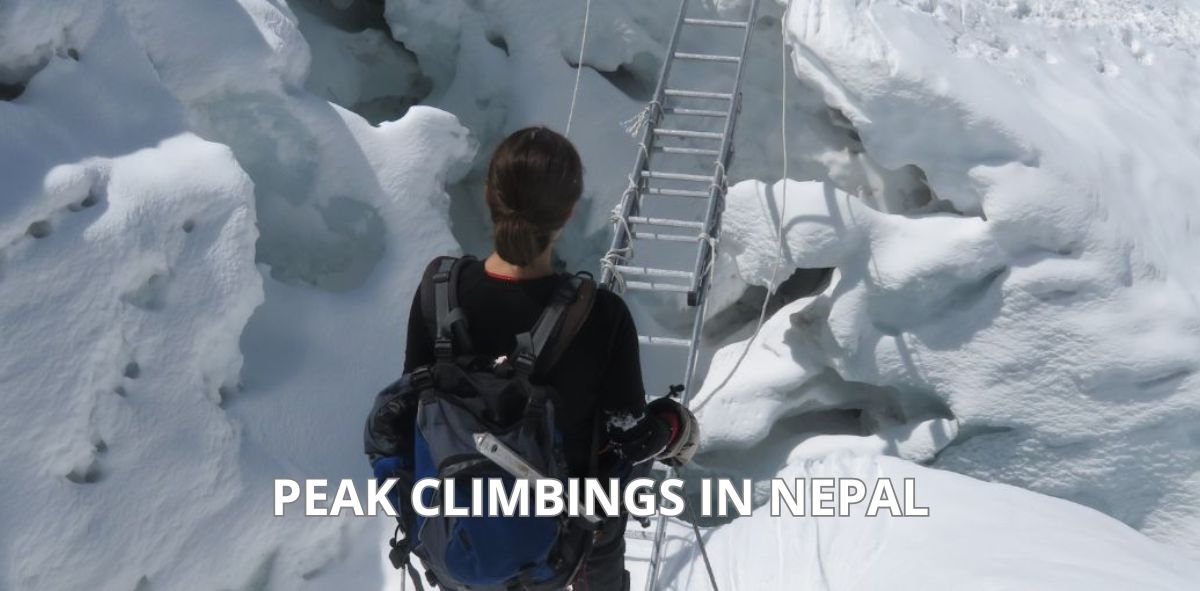




If you are looking for something than just a trek but not as intense as an 8,000 metre expedition Peak Climbing in Nepal is the way to go. There are a lot of options there. For 2026/27 three peaks stand out. These peaks are great because they are accessible. They still give you a real mountaineering experience.
This guide covers three trekking peaks checking out this season. It also covers what permits you need for each one, how climbing experience you actually need and when the best time to go is.. It explains how Peak Climbing is different from a standard trek since a lot of people get the two mixed up.
3 Peak Climbing Options In Nepal To Explore In 2026/27
Mera Peak Climbing Costs $2,195
Mera Peak is the trekking peak in Nepal and it sits in the Everest region. The climb takes 17 days from Kathmandu. It is rated strenuous. You will stop at Tangnag to acclimatize before the push to the top. Even though it is high up Mera Peak is not too difficult to climb since it is a glacier ascent. You will need to use crampons and an ice axe. You do not need much technical rock or ice climbing experience. That makes it a great option for beginners who’re fit and want to climb a 6,000 metre summit.
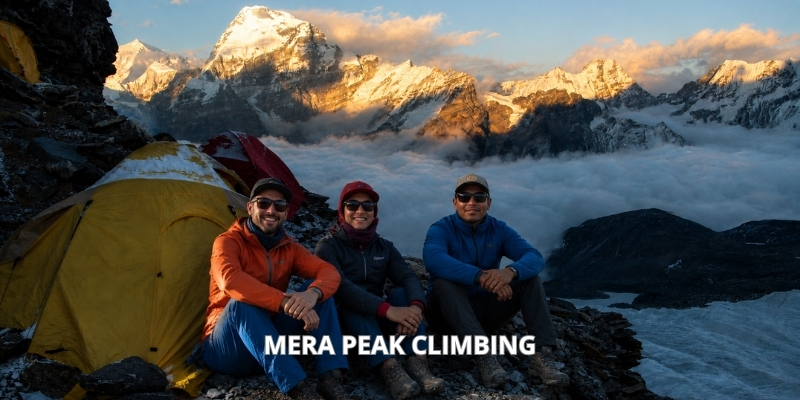
You will stay in tea houses at elevations and camp higher up. To climb Mera Peak you need three permits: the Mera Peak Climbing Permit, the Makalu Barun National Park Entry Permit and the Khumbu Pasang Lhamu Rural Municipality Permit. The price starts at $2,195 per person for groups of 2 to 4 dropping to $1,895 for groups of 11 or more.
Island Peak Climbing Costs $800
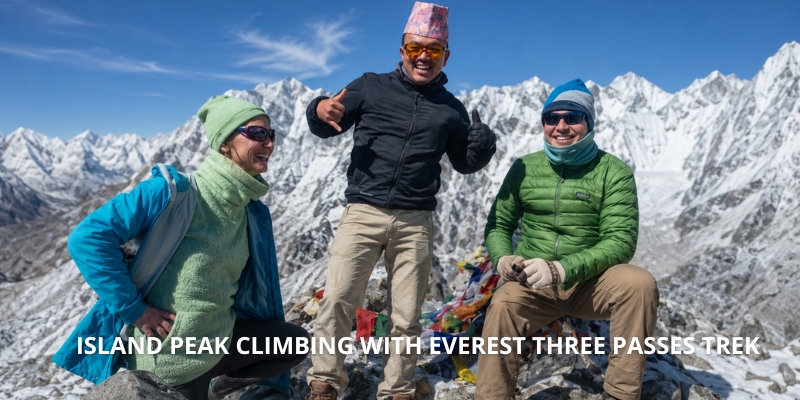
Island Peak is a technical climb than Mera Peak also located in the Everest region. The climb is just 4 days starting and ending in Dingboche. You will need ropes a jumar and abseiling technique to reach the top since the headwall near the summit is steep with rock, ice and crevasses. That is why Island Peak suits trekkers with some climbing experience better than complete beginners.
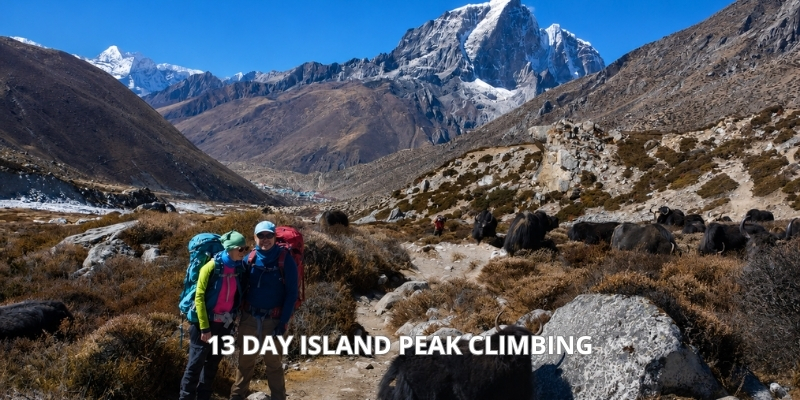
You will camp in tents the time and you will need the Island Peak Permit to climb. The price starts at $800 per person if you are going solo dropping to $650 for groups of 11 or more.
Paldor Peak Climbing Costs $2,821
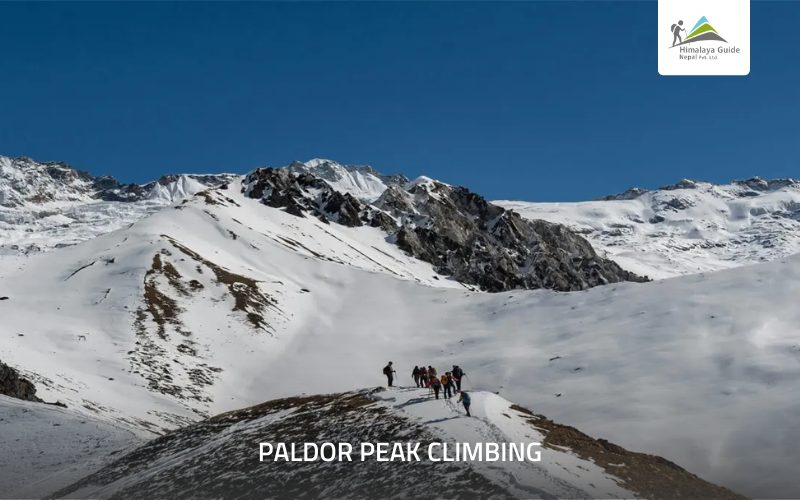
Paldor Peak sits in the Langtang region. It is a great option for climbers who want something between Mera Peak and Island Peak. The climb takes 14 days from Kathmandu. You will stay in lodges lower down and camp at elevations. You will need crampons, ice axes and basic rope technique to reach the top since the ridges near the summit are icy.
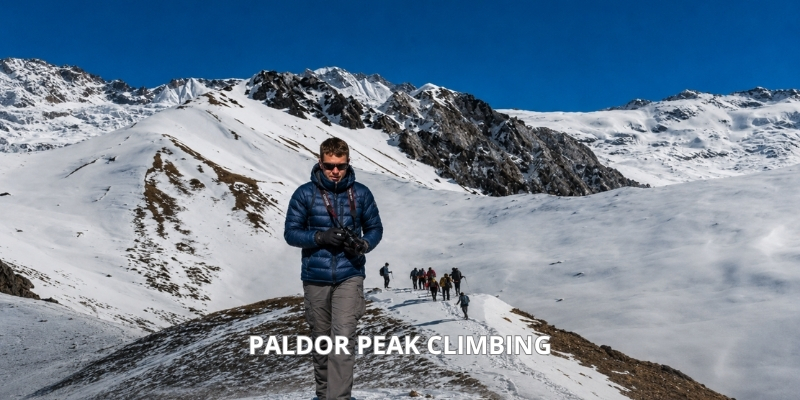
To climb Paldor Peak you need four permits: the Langtang National Park Entry Permit, the Paldor Peak Climbing Permit, a TIMS card and a Ruby Valley entrance fee. The price starts at $2,821 per person for groups of 2 to 4 dropping to $2,650 for groups of 11 or more.
What Permits Do You Need For Peak Climbing In Nepal?
To climb any trekking peak in Nepal you will need permits in three categories. First a Peak Climbing permit, issued through the Nepal Mountaineering Association. Second, a park or conservation area entry permit for the region you are climbing in. Third,. A TIMS card or a local municipality permit depending on the region. Some peaks add extras on top like the Ruby Valley entrance fee required for Paldor Peak.
Do You Need Climbing Experience To Do Peak Climbing In Nepal?
It depends on which peak you choose. Mera Peak works for beginners since the climb is not too technical. Island Peak suits trekkers who already have some climbing experience. Paldor Peak sits in between, suitable for trekkers and beginner climbers who have some experience with rope work and crampon use.
It is an idea to take a short mountaineering course before you go to learn rope handling, ice axe use and crampon walking. This makes a difference especially if you are a first-time climber.
What Are The Best Seasons For Peak Climbing In Nepal?
The best times to climb peaks in Nepal are spring from March to May and autumn from September to November. Both seasons bring weather and safer glacier conditions. Winter climbing is possible. It is colder and snow conditions get unpredictable. Monsoon season from June to August is not good for climbing due to visibility and unstable terrain.
Peak Climbing Vs Treks In Nepal
The main difference between Peak Climbing and treks in Nepal comes down to gear and technique. Treks call for fitness and steady pacing. Peak Climbing calls for gear, crampons, ice axes and ropes plus a climbing guide trained specifically for that terrain.
Permits differ too. Treks typically need a park or conservation area permit while Peak Climbing adds a separate climbing permit. Altitude usually runs higher on climbing routes well.. Cost runs higher too because of specialized guide fees, technical gear and the extra permits involved.
If you are deciding between a trek and a Peak Climbing talk to our team. We will help you choose the best option for your experience level. We will be honest with you. We will recommend the climb for you not just the most expensive one, on the list.


