
The Everest Base Camp trek costs USD 1,055 to 1,510 per person for a standard package covering permit, meals, a guide & ground transportation. The journey to Everest Base Camp is a bucket-list destination for many trekkers, but when they look up the cost, they are shocked for a moment. But here’s the interesting part: Once they go on a trek, they say it is worth every penny.
A standard package to Everest Base Camp covers essential expenses like permits, accommodation, meals, a licensed guide, a porter, and all ground transportation. Flights to and from Lukla are also included and make up a significant part of the overall trek cost.
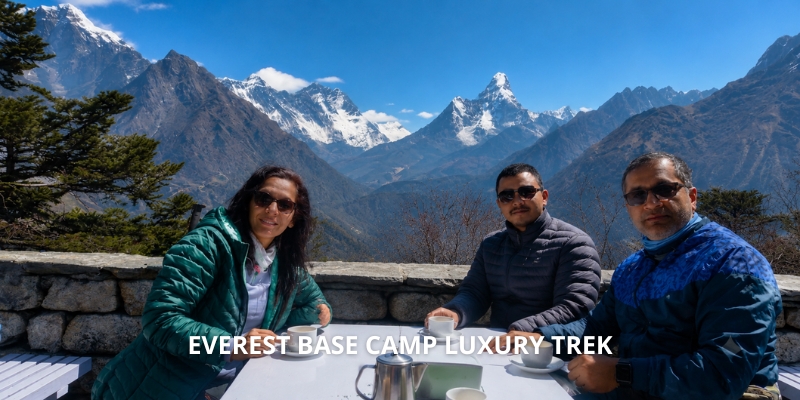
Choosing among budget, standard, or luxury EBC trekking options can also affect your Everest Base Camp Trek cost for 2026. If you’re a budget-conscious trekker, go for simple facilities and enjoy the Himalayas in its raw form. But if you want comfort, you may choose upgraded accommodation, private guides, helicopter return, or luxury lodges.
If you want to know more in detail about how much the Everest Base Camp Trek costs for 2026, go through this blog. The blog clearly explains what trekking packages include, what factors affect the trek’s cost, money-saving tips, and common questions our clients ask about cost.
Is Everest Base Camp Trek Cost Less for a Larger Group Size?
Yes, the Everest Base Camp Trek costs less in larger groups and more in smaller groups. This is because, in a group, you share the trek’s expenses with your fellow trekkers, reducing your overall cost. On the other hand, with small groups or solo trekking, you pay the trek expenses yourself.
Costs like guide services, transportation, and certain logistical arrangements are distributed across group members, which helps reduce individual costs. Some trekking agencies also offer lower rates for larger groups, making group departures a popular choice for budget-conscious trekkers on the Everest Base Camp Trek.
However, not every expense costs less with a larger group. Expenses such as trekking permits, meals, and domestic flights are charged per person. So, how much you save depends more on the agency, group size, itinerary, and services included in the package than on group size alone.
If keeping your Everest Base Camp Trek cost for 2026 budget is a priority, join a group trek. But if you don’t mind paying extra and want a private trek, go solo.
Does Season Affect EBC Trek Costs?
Yes, trekking season affects the Everest Base Camp Trek cost for 2026. This is because peak trekking time increases prices for flights, guides, and rooms due to high demand. Autumn (September to November) and spring (March to May) are peak seasons in Nepal and for the EBC Trek, when trek costs are high. On the other hand, winter (December to February) and monsoon/summer (June to August) are the off-season when the price of the Everest trek drops by 15% to 30%.
Spring and autumn are when the Everest trail is filled with trekkers from around the world for trekking and expedition purposes. The main reason trekkers and climbers choose these seasons is the stable weather and clear mountain views. Demand for accommodation, flights, guides, and other services also changes with the season.
The off-seasons bring the Everest Base Camp trek cost comparatively lower. Fewer trekkers visit the region during the off-seasons because of the challenging weather conditions, difficult trails, and unsafe trekking conditions. Fewer trekkers result in more flexibility in accommodation rates and better deals on certain trekking services. Lower demand also means lower costs for certain expenses. But it comes with challenges that not every trekker can handle.
Thus, choosing the ideal time is an important part of planning for the Everest Base Camp Trek cost for 2026. While you can save money in the off-season, it comes with challenges that don’t make the lower cost worth it. So, most trekkers prefer spring and autumn for a safer journey and a more reliable trekking experience.
Everest Base Camp Trek Cost Breakdown
To better understand Everest Base Camp Trek costs for 2026, it helps to know the cost breakdown. Several factors determine the total trek price, including transportation, food, accommodation, guide and porter services, and personal or miscellaneous expenses.
Kathmandu to Lukla Flight Cost
Flights between Kathmandu and Lukla are the biggest expense that makes the Everest Base Camp Trek quite expensive. Round-trip flights between Kathmandu and Lukla cost $350 to $450 USD per person. Costs can fluctuate depending on the season, airline, and availability. Your trekking itineraries include the flight cost in the package price. Additionally, flights to Lukla are often booked in peak season. We recommend booking your flight in advance if traveling solo, or booking the trek package earlier to secure your preferred schedule.
Food & Accommodation Cost
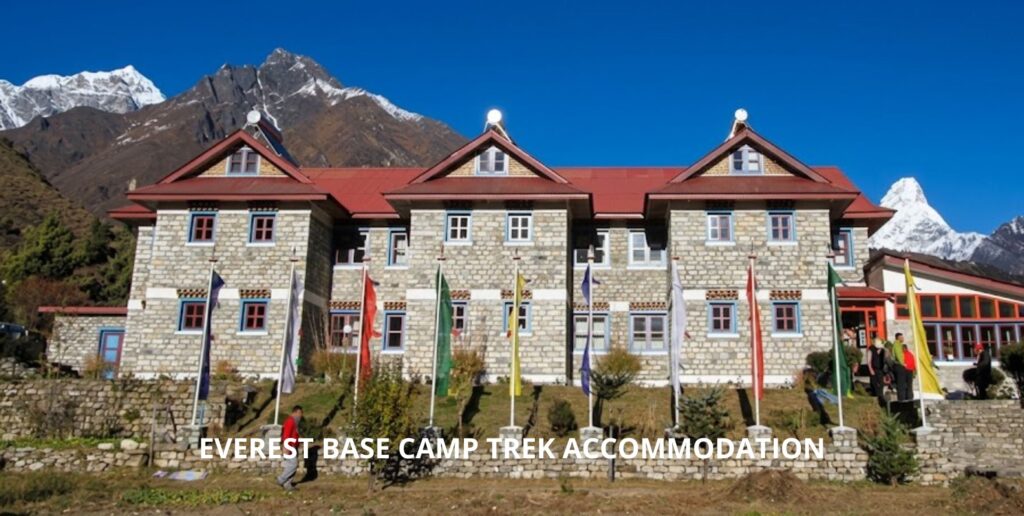
Food and accommodation are other factors that determine the cost of the Everest Base Camp Trek. Generally, teahouses are food and lodging points along the trek, with basic but comfortable rooms. Meals include local and Western options like dal bhat, noodles, pasta, Tibetan bread, and vegetables. Food and accommodation during EBC cost around USD 25-50 per day, with basic rooms costing USD 5-15 per night and meals around USD 5-10 per meal. Note that prices increase as you ascend because supplies are transported into remote areas.
Everest Base Camp Trek Permit Cost
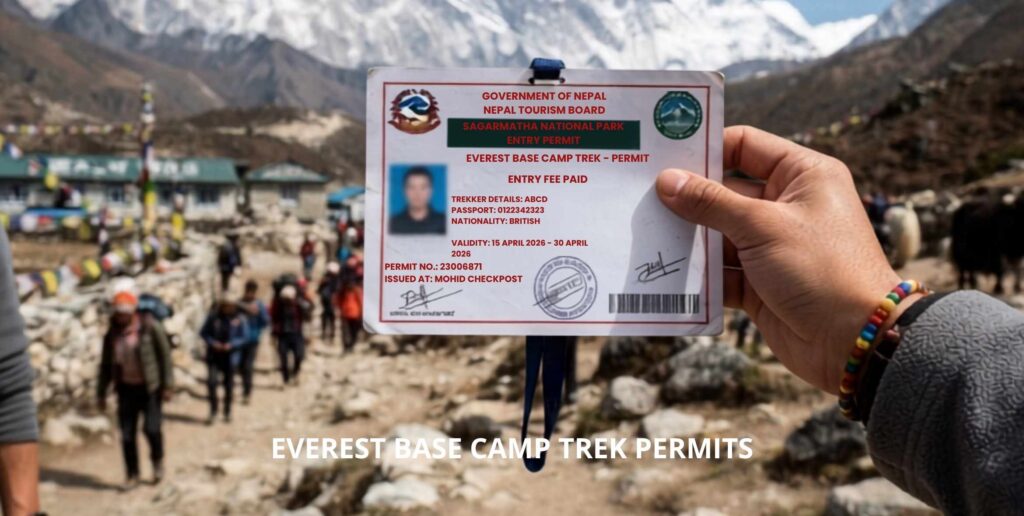
Trekking to Everest Base Camp requires permits, and they are another essential part of the cost breakdown. EBC Trek requires two different permits: Sagarmatha National Park Entry Permit and Khumbu Pasang Lhamu Rural Municipality Permit. The Sagarmatha National Park Entry Permit costs NPR 3,000 for foreign nationals and NPR 1,500 for SAARC citizens. Similarly, the Khumbu Pasang Lhamu Rural Municipality Permit costs NPR 2,000 for every national.
Guide & Porter Cost
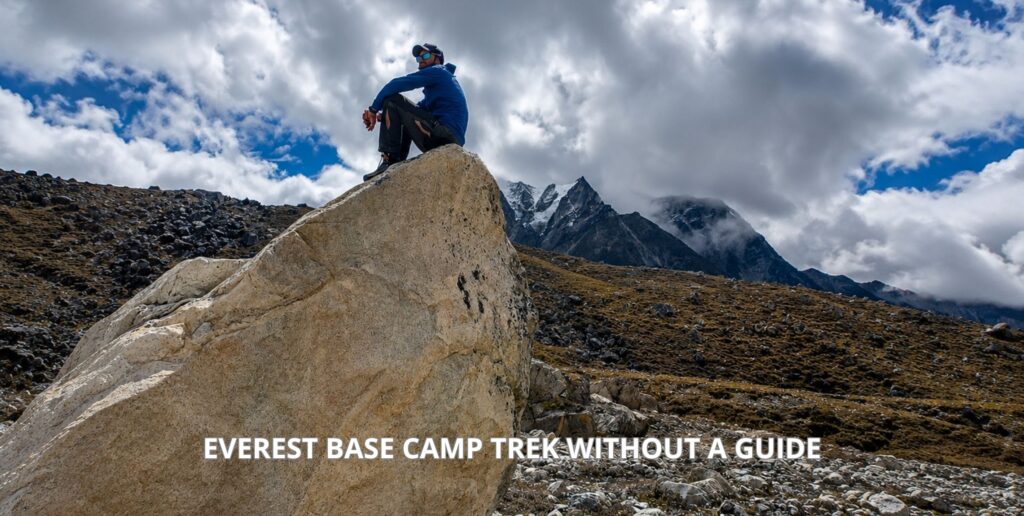
Unlike restricted areas where you must hire a guide, the Khumbu region lets you choose not to and save money. But if you’re a beginner and trekking for the first time, we recommend hiring one for your safety. Likewise, hiring a guide means you walk freely as they carry your backpack and let you trek lightly.
Hiring a licensed guide can cost around $25 to $40 USD per day, while a porter can cost $15 to $30 USD per day. Guide and porter costs also vary by group size, trekking duration, and experience.
Trekking Equipment Cost
Your trekking equipment is another expense to consider when calculating the Everest Base Camp Trek cost for 2026. Essential equipment includes trekking boots, warm layers, a down jacket, a sleeping bag, a backpack, trekking poles, gloves, sunglasses, and hygiene-related items. You can purchase or rent this equipment in Kathmandu if you don’t usually plan to trek. Trekking equipment can cost approximately $100-$300 USD or more, depending on quality and brand.
Extras and Miscellaneous Cost
Beyond major expenses, trekkers should budget extra for miscellaneous costs not included in trekking packages. These include travel insurance ($150 to $200 USD), $2 to $5 USD per use for hot showers, Wi-Fi, and charging electronics, $100 to $200 USD for tips for the guide and porter, and some for hot and cold drinks.
Guided Trek Vs Independent Trek Cost For Everest Base Camp
An independent Everest Base Camp trek for 2026 is cheaper than a standard guided trek package. For budget-conscious trekkers, an independent Everest trek can be cheaper if they are comfortable managing their journey and all logistics. But if you’re a beginner and want someone by your side to help you along the trek, go for a guided trek.
| Expense Category | Independent Trek (No Guide/Porter) | Guided Trek (With Agency) |
| Approx. total trek cost | $1,000-$1,200 USD | $1,050-$1,500 USD |
| Flights (Round-trip Kathmandu–Lukla) | $400-$500 USD (self-booked) | Included in package |
| Accommodation and Meals | $300 – $500 USD (paid daily) | Included in package (three times meal a day) |
| Permits and Local Fees | About $40 USD | Included in package |
| Guide and Porter Fees | $0 USD (Not hired) | Included (covers wages, food, insurance) |
Comparing Cost of Popular Everest Base Camp Trek Variants
We offer three main ways to reach Everest Base Camp, and here is how they compare on cost:
| Factor | Everest Base Camp Trek | EBC Trek by Drive | Jiri to Everest Base Camp Trek |
|---|---|---|---|
| Trek Duration | 13 days | 15 days | 21 days |
| Package Price (Per Person) | $1,055-$1,510 USD | $983-$1,443 USD | $1,195-$1,478 USD |
| How You Reach The Trail | Flight to Lukla | Jeep drive to Salleri and Thamdanda | Drive to Jiri, then walk |
| Lukla Flight Cost | Included, USD 350 to 450 round trip | Not needed outbound; return flight usually included | Not needed outbound; return flight usually included |
| Permits Required | Sagarmatha National Park, Khumbu Pasang Lhamu | Sagarmatha National Park, Khumbu Pasang Lhamu | Both of the above plus Gaurishankar Conservation Area |
| Extra Days of Food and Lodging | None | 2 extra days | 8 extra days |
| Best For | Trekkers with limited time | Trekkers who want to avoid the Lukla flight | Trekkers with time who want the original 1953 route |
So the Everest Base Camp Trek by Drive removes the outbound flight, but it adds two days on the trail. At USD 25 to 50 per day for food and accommodation, plus two more days of guide and porter wages, the savings are smaller than the flight price suggests.
The Jiri to Everest Base Camp Trek is the one that surprises people most. It skips the flight in, but it adds eight days, an extra permit for the Gaurishankar Conservation Area, and more than a week of additional food, lodging, and staff wages. In most cases, it costs more than the standard route, not less.
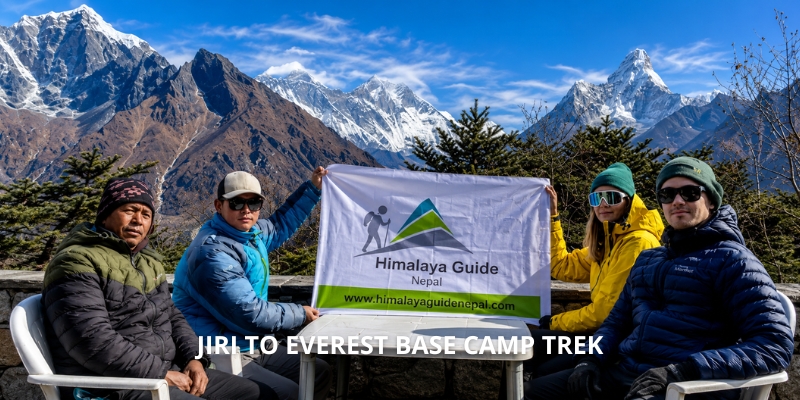
But cost is not the only reason to choose these routes. The drive option protects you from Lukla flight delays, which can cost you far more than the flight itself if you miss an international connection. And the Jiri EBC route gives you eight extra days of gradual acclimatization, which is a real advantage if you are worried about altitude.
Tips To Save Money for Your EBC Trek in 2026
You can lower your Everest Base Camp Trek cost without lowering the quality of your trek. These are the savings that actually work, based on where trekkers most often overspend.
- Book 4 to 6 months in advance: Lukla flight seats and teahouse rooms both get more expensive closer to the season. Early booking also protects your preferred dates.
- Rent your gear in Kathmandu instead of buying: A down jacket and a sleeping bag rent for around USD 1 to 3 per day each in Thamel. Buying both new can cost USD 300 or more for equipment you may never use again.
- Eat dal bhat: It is usually the cheapest hot meal on the menu; it comes with free refills at most teahouses, and it gives you more calories than a plate of pasta at the same price.
- Carry a water filter or purification tablets: Bottled water climbs from around USD 1 in Lukla to USD 4 or more near Gorak Shep. A filter pays for itself in the first four days.
- Carry your own power bank: Charging costs USD 2 to 5 per device per session at higher villages. A 20,000 mAh power bank removes most of that cost for the whole trek.
- Skip the paid Wi-Fi: Buy a local SIM card with a data pack in Kathmandu instead. It works on the lower half of the route and costs a fraction of daily teahouse Wi-Fi charges.
- Carry enough cash from Kathmandu: The last reliable ATM is in Namche Bazaar, and it charges high fees. Rates get worse the higher you go, so exchange your money in Kathmandu.
- Share a porter: One porter can comfortably carry for two trekkers. Splitting the daily wage between you halves that line of your budget without leaving anyone carrying too much.
- Bring your own snacks: Chocolate bars and energy snacks are two to three times more expensive on the trail than in Kathmandu supermarkets.
- Choose your teahouse meals from one place: Some teahouses reduce or waive room charges when you eat dinner and breakfast there, so eating elsewhere often costs you more overall.
None of these changes the trek itself. You still walk the same trail, sleep in the same villages, and reach the same base camp. You just arrive home with more money left over.
What Are The Extra Costs That Are Not Included Under the Package?
A standard package covers your permits, flights, guide, accommodation, and meals on the trail. But there are costs it does not cover, and trekkers are often caught out by them. Budget an extra $400 to $700 USD on top of your package price for the following:
- Nepal entry visa: USD 30 for 15 days, USD 50 for 30 days, and USD 125 for 90 days. Most trekkers need the 30-day visa.
- International flights: Your flights to and from Nepal are never part of a trek package.
- Extra nights in Kathmandu: The package usually covers a set number of hotel nights. Arriving early or staying on after the trek is charged separately.
- Excess baggage on the Lukla flight: The limit is 10 kg checked and 5 kg hand luggage. Anything over that is charged at roughly USD 1 to 2 per kilo.
- Personal trekking gear: Boots, layers, a down jacket, and a sleeping bag are yours to buy or rent.
- Emergency helicopter evacuation: This is paid by your insurance, not by the agency, and the bill can run into thousands of dollars if you are not covered.
- Laundry and hot showers: Charged separately at every teahouse on the route.
- Alcoholic and bottled drinks: Beer, soft drinks, and bottled water are personal expenses at every stop.
- Single room supplement: If you do not want to share a room, most agencies charge extra for it.
- Extra days caused by flight delays: If bad weather holds you in Lukla or Kathmandu, the extra hotel nights and meals are your cost, not the package’s.
- Souvenirs and snacks: Small purchases along the trail add up over 13 days.
So the safest way to plan is to treat your package price as the base, not the total. Trekkers who budget an extra USD 500 rarely feel stretched, and anything left over covers a good meal in Thamel when you get back down.
What Trekkers Ask About Everest Base Camp Trek Cost
Does the price change based on group size?
Is a guided package worth the extra cost over trekking independently?
What’s included in the package price versus what I’ll pay separately?
Do permits cost extra, or are they included?
Is the Kathmandu–Lukla flight included in the price?
Why do some Everest Base Camp treks cost $2,000–$5,000 or more?


