

“It’s not the mountain we conquer, but ourselves.” – Sir Edmund Hillary
Officially rated strenuous or challenging, the Everest Three Passes Trek is tough, way tougher than the Everest Base Camp trek, the Annapurna Circuit, or Gokyo Ri. One trekker said after finishing it, “Altitude is like nothing else. The day we spent going over Kongma La would have been tough but manageable at sea level. But at such an extreme altitude, it was probably the most difficult day of hiking I have ever had.”
Three things make it brutal. First, the altitude: three passes over 5,300 M (Kongma La at 5,535 M, Cho La at 5,420 M, Renjo La at 5,360 M), packed into 18 to 21 days. Second, the daily mileage includes six to eight hours of walking. You cover 160 to 170 KM, and an additional 400 to 700 M of climbing on pass days. Third, the terrain keeps changing. Each day throws something new at you: glaciers, loose rock, moraine fields, snow, ice.
Still, you can totally pull it off if you pace yourself. Another trekker stated that he saw people in their late 60s or 70s complete the trek just fine by taking it slow. The trek is a tough challenge, not a brick wall.
Major Location Highlights During the Everest Three Passes Trek & Their Difficulty Level
The main highlights of the Everest Three High Passes trek are the three passes themselves. Each pass is different, with varying scenery, altitude, and difficulty. Kongma La pushes your mental endurance, Cho La demands sharp technical awareness, and Renjo La tests your cardiovascular stamina. Together, they create a full circuit through the Khumbu, taking you to Everest Base Camp, Kala Patthar, Gokyo Lakes, and valleys most trekkers never see.
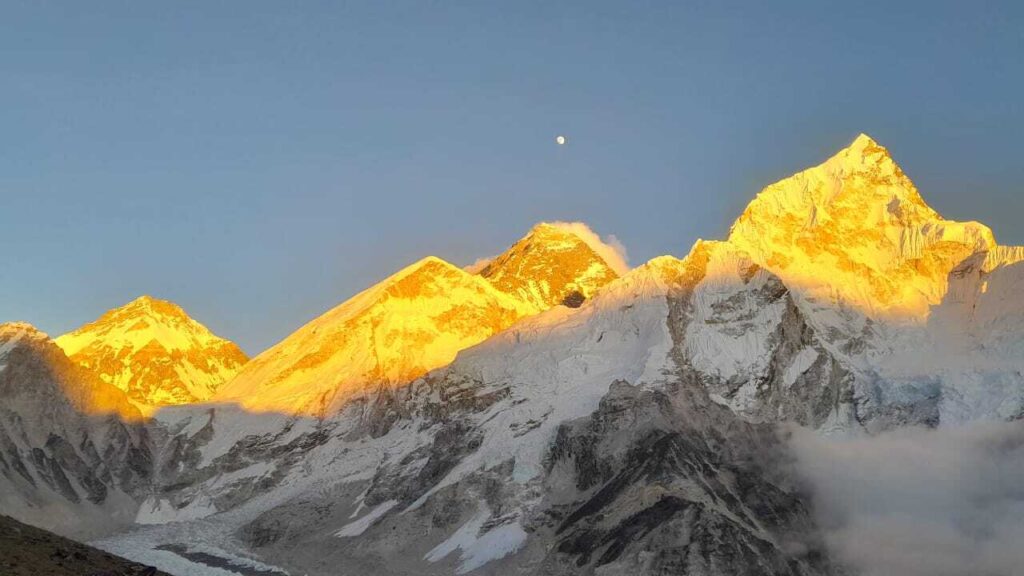
The circuit usually goes counter-clockwise. We take on the Kongma La first, Cho La, then the Renjo La pass. Some trekkers go clockwise for better Everest views, gentler altitude gains starting with the lowest pass, and to avoid the main crowds. Thus, the direction shifts how you feel at each pass, with its own unique challenge.
Kongma La Pass
Kongma La at 5,535 M is the highest and most grueling of the three. But it’s not just the altitude that makes it challenging. It’s the climb that drags through loose scree and “trick” false summits. You think you’re done, then another ridge shows up. Many trekkers state, “Once you cross Kongma La, the rest of the trek feels like a stroll.”
Besides the climb, isolation is another challenge. There are no teahouses for the 10-hour stretch between Chhukung and Lobuche. Porters usually trek at a faster pace, so you carry your own food, water, and layers yourself with no bailout points. Even after the top, it doesn’t get any easier. The descent through rough boulder fields makes your legs go jelly. On top of that, you also cross the Khumbu Glacier for a solid two-to-three hours.
As tiring as the day is, the reward makes it worth it. On the summit, you get a close, almost neck-straining view of Lhotse’s massive south face and the towering Nuptse wall. Then, on the way down, the Khumbu Glacier crossing offers a raw view of shifting ice and debris that most trekkers see only from afar.
Cho La Pass
“If you haven’t crossed Cho La, you haven’t done the Khumbu,” a fellow trekker once told Sujoy Das. That line stuck with him for 15 years through failed attempts due to bad weather. Cho La Pass at 5,420 M is the most unpredictable of the three. It is often shut by snow, and trekkers need to cross before 9:00 AM to avoid dangerous rockfall as temperatures rise. The real test is the glacier crossing. It’s a proper ice field with hidden crevasses, where microspikes are a necessity.
Here, navigating can mess with your head, too. The actual pass isn’t always obvious, and tired trekkers sometimes drift off course. In November 2015, a pair of German trekkers mistook a nearby glacier for the actual Cho La glacier and spent four hours wandering. They eventually made it back to Gokyo at midnight, barely able to stand.
Thus, you need to hire a proper guide for the Cho La Pass trek. It is an important part of the three passes route connecting Dzonglha to Thagnak. Time it right, and you get striking views of Ama Dablam, Cholatse, and Lobuche Peak, a visual jackpot most trekkers lose when the pass shuts down and forces them into a long detour.
Renjo La Pass
Renjo La at 5,360 M is the lowest of the three, but don’t get fooled by that. It’s the most underestimated leg-burner of the trio. There’s no glacier crossing, so it feels “safer.” But it’s a relentless climb up rocky switchbacks from the Gokyo side that somehow feel steeper with every step after days of fatigue. Basically, the climb that quietly wears you down instead of hitting all at once. It is less about technique and more about stamina.
The reward is easily the best panorama in the region. On a clear day, you can see Everest, Lhotse, Makalu, and Cho Oyu line up above the turquoise Gokyo Lakes like a single wall of ice. Then, the drop into the quiet Thame Valley leaves the crowds behind for a wilder, more untouched side of the Khumbu before joining the main EBC trail at Namche Bazaar.
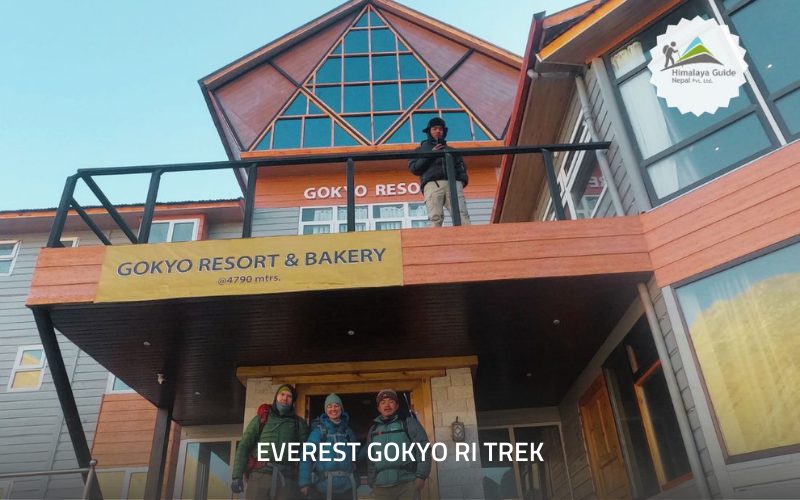
The Everest Base Camp trek is one of the most popular treks in Nepal. The trek is more frequently visited than other popular treks, such as the Annapurna Base Camp Trek or the Langtang Valley Trek, which are also well-known among trekkers worldwide. The trek is on the bucket list for many trekkers to reach the base of the world’s highest peak, Mount Everest. Everest Base Camp trek begins with a Kathmandu to Lukla flight & provides a challenging Himalayan & Sherpa village experience costing you $955. The paths twist and turn through beautiful Sherpa villages, high rhododendron forests, and alongside the Dudh Koshi River, offering glimpses of the local culture and the strong presence of the local people.

As the altitude gradually increases from Lukla, you will pass through Namche, Tengboche, and Dingboche. During this trek, trekkers need to acclimatize to the conditions of the Khumbu region. During these treks, trekkers will enjoy stunning views of mountains such as Everest, Ama Dablam, Nuptse, Lhotse, and Cho Oyu. The final section of your walk takes you to Gorak Shep, the last place before you reach Everest Base Camp, at an altitude of 5,364 meters. From Gorak Shep, you will walk to the highest point of the trek, at 5,644 metres, Kala Patthar. This is a rewarding trek, one that provides an immense sense of accomplishment and offers wonderful views of Mount Everest and the Khumbu Icefall up close, which will stay with you forever.
Everest Base Camp Trek CostThe Everest Base Camp Trek cost ranges from USD 1,055 to USD 1,510 per person for a standard package. The cost of the trek varies based on various factors like group size, trek duration, accommodation, transportation, services included, and customization of the trip. Also, the standard trek package covers most of the expenses required for the trek, including meals and accommodation, permits, guide service, domestic flight ticket, overland transportation, and necessary government taxes.
Everest Base Camp Trek Cost Breakdown:
| Category | Description | Estimated Cost (USD) | Factors Influencing Cost |
|---|---|---|---|
| Permits | Fees are required to trek in the Everest region. | $50 – $60 |
|
| Transportation | Costs to reach the trek starting point (usually Lukla) and return to Kathmandu. | $360 – $460 |
|
| Accommodation | Cost of staying in tea houses/lodges along the trekking route and hotels in Kathmandu. | $150 – $500+ |
|
| Food & Drinks | Expenses for meals (breakfast, lunch, dinner) and beverages during the trek. | $250 – $500+ |
|
| Guides | Fees for hiring a licensed trekking guide. | $500 – $1000+ |
|
| Trekking Gear | Costs for essential trekking equipment. | $100 – $500+ (if renting) / $300 – $2000+ (if buying) |
|
| Visa | Nepal entry visa fees. | $30 – $125 |
|
| Travel Insurance | Mandatory insurance that covers medical emergencies, high-altitude sickness, and emergency evacuation (including helicopter rescue). | $100 – $300+ | Cost depends on the duration of the trek and the coverage provided by the insurance policy. Ensure it specifically covers trekking at altitudes up to 6,000 meters. |
| Miscellaneous | Personal expenses such as hot showers, Wi-Fi, charging electronic devices, snacks, souvenirs, and tips for guides and porters. | $100 – $300+ |
|

A Comparison of the High Mountain Passes
Kongma La is clearly the hardest: highest, longest, most remote. Cho La is the most technical. Renjo La offers the best reward for the effort. Here’s a quick table breakdown:
| Pass | Altitude | Primary Challenge | Glacier Crossing | Difficulty |
|---|---|---|---|---|
| Renjo La | 5,360 M | Long cardiovascular grind | None | Hard |
| Cho La | 5,420 M | Glacier crossing, rockfall timing | Yes (Cho La Glacier) | Harder |
| Kongma La | 5,535 M | Altitude, isolation, mental endurance | Yes (Khumbu Glacier post-descent) | Hardest |
Can Beginners Do the Everest Three Passes Trek?
The short answer is yes, but “beginner” isn’t an excuse for being unprepared. While one season might see multiple helicopter evacuations, it also sees fit trekkers in their 70s steadily crossing the passes. The difference isn’t luck but acclimatization and ego. If you treat this high-altitude trek like a casual stroll, it will break you. Do a few multi-day hikes and 8-12 weeks of serious training. Treat it like a 20-day endurance mission, then you’ll succeed.
Ask yourself these three questions:
- Can you hike 6 to 8 hours with a 10 to 15kg pack over hilly terrain?
- Have you spent at least one night above 3,500 M without symptoms?
- Can you sustain 4 to 5 cardio sessions per week for 8 weeks?
If you can answer yes to all three, go for it. You can attempt the trek with an experienced guide (mandatory since April 1, 2023) and proper acclimatization. But if even one answer is no, you gotta build toward it with the classic Everest Base Camp trek or Gokyo Ri trek first.
Popular add-ons to Everest Three Passes
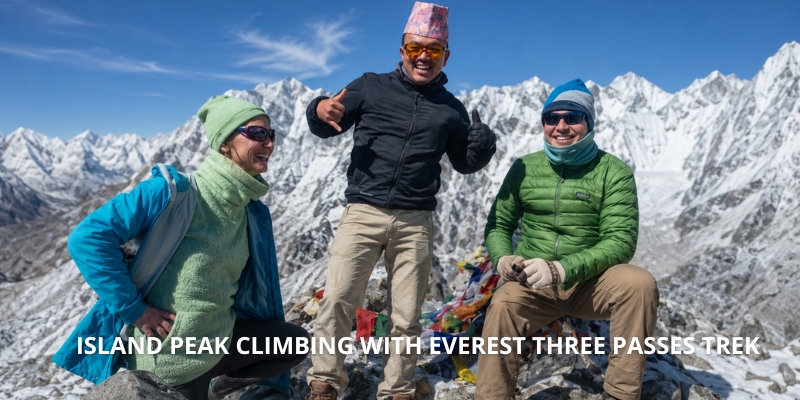
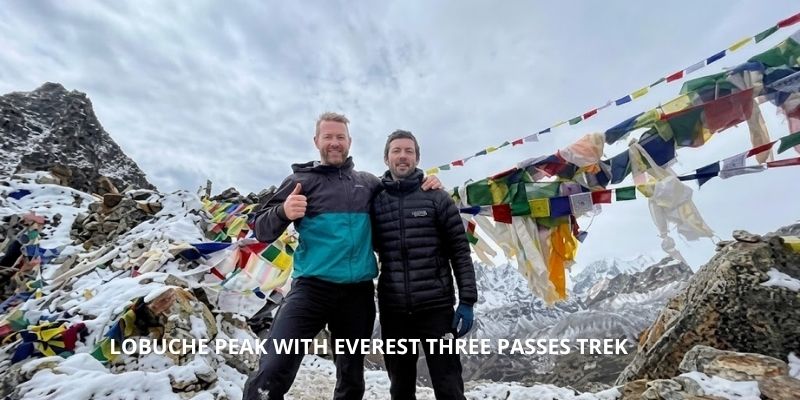
If you’re an experienced trekker who wants to push further or a mountaineer who wants a simpler expedition, you can even combine the circuit with peak climbing. Lobuche Peak adds technical climbing with fixed ropes. Likewise, Island Peak adds crevasses and snow walls at 45 to 60-degree inclines, which is basically full mountaineering terrain in Nepal
| Trek | Max Altitude | Duration | Difficulty |
|---|---|---|---|
| Lobuche Peak with Everest Three Passes Trek | 6,119 M | 21 days | Strenuous-Plus |
| Island Peak with Everest Three Passes Trek | 6,189 M | 20 days | Extreme (Technical) |
Tips For Everest Three Passes Trekkers
You can’t expect the passes to get easier, but what you can do is: show up ready for them. These five choices decide whether your trek feels controlled or completely chaotic.
Trek counter-clockwise for better acclimatization
Going Kongma La → Cho La → Renjo La builds altitude more naturally as you spend more days trekking and sleeping at intermediate altitudes, such as Namche, Tengboche, and Dingboche. You also climb the toughest pass when you’re better adapted. On top of that, you climb from the gentler eastern sides of Imja Valley and descend the steeper western slopes of Khumbu Valley as you move across two more valleys: Gokyo and Thame.
Stick to spring or autumn, skip monsoon
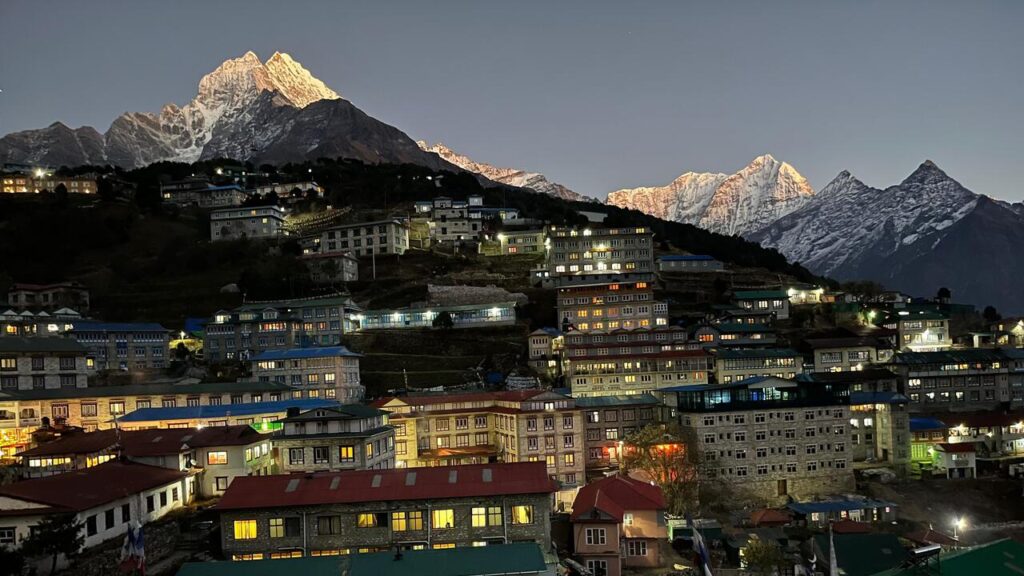
The safest windows for the Everest 3 Passes Trek are Spring (March to May) and Autumn (September to November) for the best trekking experience. The trails get bright and lively in spring with light rain, while autumn offers the clearest skies. In contrast, Monsoon months turn trails into a mess, with landslides and poor visibility.
Winter can work too, if you’re comfortable with temperatures below zero. Disclaimer: Cho La is often blocked by snow, and locals also migrate to lower valleys for the season, so you may find most teahouses closed.
Plan for 20 to 21 days, not 18
An 18-day plan is standard, but it leaves no room for delays or rest. Extra days help with acclimatization, weather delays at Cho La, and Lukla flight issues. Avoid cutting days. It only invites altitude sickness to creep in.
Get a porter, especially for pass days
Carrying 15 kg while crossing the three passes is not for all. Many trekkers still find it challenging, even with just a light daypack. So, it’s very important to hire a porter. Even if you feel like carrying all your load on the normal trekking days, porters can carry it on the pass day. They just cost around USD 15-20 per day and take a serious strain off your body. Hiring also directly supports the local economy.
Start pass days before sunrise
All three passes are safer and easier in the early morning when glaciers are firm. Rockfall is minimal, and the weather is stable during this time. By afternoon, ice softens, clouds roll in, and conditions shift fast, making the trek risky. Most trekkers suggest it is best to be over the top by 9 to 10 AM.
Making the difficulty work for you
The Everest Three Passes Trek is undoubtedly the most demanding teahouse trek in the Everest region. But most of that difficulty can be managed with smart decisions like timing, pacing, and support. Whether you’re just doing the circuit or adding peaks like Lobuche or Island, the rule stays the same. You need to respect the altitude, prepare yourself, trust your instincts, and take it one pass at a time.
Crossing three high passes is not about conquering them, as said by Sir Edmund. It is about proving what you are capable of at altitude. If you’re ready to test high passes trek difficulty, we’re here to lead the way. Contact us here to secure a spot for 2026/27.


