The Gen Z movement, Nepal stabilized, and life returned to normal. All safe for your Travel in Nepal 2025.

Why Tserko Ri Acclimatization Hike The Hardest?

Tserko Ri Acclimatization Hike is important as well as challenging part during Langtang Trek. After you reach Kyanjin Gompa, the final village of the Langtang Valley trek, evening conversations often centre around the same question: Will you climb Kyanjin Ri (4,350 m) or Tserko Ri (5,033 m) tomorrow? This question might feel out of nowhere, but it isn’t. It is a part of the acclimatization day in Kyanjin Gompa, where you’ll spend two nights.

The Tserko Ri is a high-altitude viewpoint with 360-degree views of the Langtang range and some neighboring peaks. Locals call it Chergo Ri or Tsergo Ri peak. Climbing up to its summit is considered the most difficult among the other side hikes in the Langtang Trek. Read till the end to understand why Tserko Ri acclimatization hike is considered so demanding and worth it, and also how to prepare for this unforgettable climb.

View during langtang valley trek

What Makes the Hike to Tserko Ri Challenging

The Tserko Ri acclimatization hike at 5,033 m is considered challenging, mainly due to the rapid altitude gain, steep terrain, and unpredictable mountain weather. These factors together make this day hike as tough as hiking up Kala Patthar or Chhukung Ri in the Everest Base Camp Trek.

Trekkers during langtang valley trek

Here are some key challenges you’ll face on the Tserko Ri acclimatization hike:

  1. Rapid altitude gain of 1,100+ m: During the Tserko Ri, you gain 1,100+ m in elevation in just 5 hours, which can increase the risk of altitude sickness (AMS) or conditions like High-Altitude Cerebral Edema (HACE) or High-Altitude Pulmonary Edema (HAPE). 
  2. Thin air at 5,000 m: At this high altitude, it’ll be harder to breathe as the oxygen levels are significantly lower. It also increases the physical strain at the same time.
  3. Rocky and uneven terrain: The trail consists of moraine slopes and debris-filled ground. You’ll have to be very careful with your footing both on ascent and descent.
  4. Loose rocks and scree near the summit: The final ascent is more physically demanding due to the presence of loose rocks and scree near the top.
  5. Snow and ice covering the trail: In winter and early spring, sections of the trail may be covered in snow and ice, making it slippery and increasing the risk of slips or falls. It also makes navigating difficult.
  6. Strong winds and cloud cover: The winds and clouds start to pick up their pace by mid-morning (9 AM and 11 AM). So, you need to start around 5 AM to avoid these winds that make the climb more difficult and less comfortable.
  7. Extreme temperatures: The early morning temperature at higher altitudes can drop to -5°C to 5°Cin autumn, and to -3°C to 5°C in spring. The sun helps warm the air, but the high altitude and winds keep it chilly.
  8. Long duration of the hike: The round trip can take anywhere from 5 to 8 hours, depending on snow conditions, weather, and individual fitness levels.
  9. Cumulative fatigue from prior trekking: After several days of trekking in the Langtang Valley, the accumulated exhaustion makes the climb to Tserko Ri even more challenging.
  10. Mental challenge: The hike tests your patience and resolve. The exhaustion, cold, and the relentless climb can be mentally taxing.
View Detail: Langtang Trek – 10 Days
Langtang Trek – 10 Days

10 Days

US$576
Langtang Trek – 10 Days
5.0 (1 Review)

5,150m

Langtang Trek is a green and popular trekking destination in the Langtang region. Langtang Trekking lies in the north of Kathmandu Valley as well as the valley of Mount Langtang Lirung. Langtang trekking offers pine forests, apple gardens, mountain streams, and rugged rocks. And snow-capped peaks, grassy downs, and wild original valleys of the country. It takes about 10 days to complete.

Moreover, It has a variety of sights including Buddhist monasteries, cheese factories, and due to the entire Langtang National Park. There are many wild animals including red pandas, deer, monkeys, and many more birds and wild animals.

The national park covers approximately 25% forest. Additionally, the Langtang Valley trek offers an experience of Tamang people and Sherpa villages. With the different cultures, kindness, and hospitality. Trekking is a great chance to study the lifestyle of local people in the Langtang.

Langtang Trek is a Langtang Valley Trek too and walking through the green forest entire the Langtang National Park and the nice valley to Gyanjin Gompa, this place is the last place destination for the Langtang Valley Trek Then day explore can hike to Langtang Lirung glacier, Kyanji Ri 4,773M, Tserko Ri 4,984M (Best Viewpoint of the trek), Langshisha Kharka 4,400M (green carpet valley in Langtang trek) and Ganja La Base Camp or look round Kyanjin village as you prefer or can come back to Syabru Bensi 1,530M then drive back to Kathmandu, let’s join us for your fruitful holiday in this trek anytime you have your holiday.

More about Langtang Trek

The Langtang Trek is an absolute must-do if you’re a trekking enthusiast looking for a Himalayan adventure. The views you get on this trail are nothing short of breathtaking, and you’ll feel like you’re walking through a postcard-worthy landscape.

The trek itself is pretty moderate, so you don’t have to be a hardcore hiker to tackle it. It’ll take you about 7-10 days to complete, depending on your pace. You’ll start in Syabrubesi, a small town that’s the perfect starting point for the trek.

As you make your way through the trail, you’ll come across some of the most stunning views you’ll ever lay your eyes on. From picturesque villages to lush forests, alpine meadows, and high-altitude glaciers, the Langtang Trek is a feast for the eyes.

One of the highlights of the trek is the Kyanjin Gompa monastery, which offers panoramic views of the mountains. You can also climb the Tserko Ri Peak for even more jaw-dropping views of the region.

Additionally, What’s great about the Langtang Trek is that it’s not as popular as the Annapurna or Everest Base Camp treks, so you’ll get to experience the local culture and traditions of the Tamang and Sherpa communities without the crowds. Overall, This trek is an unforgettable adventure that’s worth every single step.

Highlights of the Langtang Trek
  • Scenic views of Langtang: You will experience awe-inspiring views of the Himalayas i.e. Langtang Lirung (7,227m), Dorje Lakpa, and Ganesh Himal.
  • Langtang Valley: Trek through alpine deep forests, and crystal clear streams, with opportunities to explore wildlife such as red pandas and Himalayan tahr.
  • Tibetan Culture: Langtang is a Tamang village, and their people share close ties to Tibetan Culture.
  • Kyanjin Gompa: It is the final destination of the langtang trek. The monastery offers spectacular views and is a key spot for trekkers.
  • Rhododendron Forests: Spring is best for the experience of flowers blooming.
Best Time to Trek Langtang

The best time to trek Langtang is during the autumn (September to November) and spring (March to May). These seasons offer clear skies, mild temperatures, and the best trekking conditions:

  • Autumn (September to November): Clear skies, dry conditions, and mild weather make it an ideal time for trekking.
  • Spring (March to May): Mild temperatures and blooming rhododendrons.
Trekking Permits Required

Trekkers need to obtain a few permits:

  1. Langtang National Park Entry Permit: This is required to enter the national park and enjoy the flora, fauna, and landscapes.
  2. TIMS Card (Trekkers’ Information Management System): This permit is mandatory for all trekkers in Nepal and helps with safety and monitoring.

You can obtain these permits in Kathmandu, either through a trekking agency like Himalaya Guide Nepal Pvt. Ltd. or directly at the Nepal Tourism Board (NTB).

View Trip Detail
View Detail: Langtang Short Trek 
Langtang Short Trek

9 Days

10% Off US$645 580.5
Langtang Short Trek 

4,772 m (Kyanjin Ri)

The 9 Days Langtang Short Trek is a complete adventure that is easily accessible from the capital city of Kathmandu. Its unspoiled nature, offbeat trails, and grand mountain views make it an excellent alternative to other commercialized trekking destinations in Nepal. Moreover, its moderate difficulty and short duration make it ideal for beginners, family trekkers, and those with a tight schedule.

The Langtang Short Trek starts at Syabru Besi. You will drive on the rough and bumpy mountain road to get there from Kathmandu. The drive offers you the first glimpse of the beautiful Nepalese countryside. From Syabru Besi, the trail winds its way through a forest of pine, juniper, rhododendron, bamboo, and alpine meadows. Similarly, you will come across fast mountain streams, craggy rock, while the snow-capped peaks keep you company.

For the majority of the Langtang Short Trek, the trekking trail follows the Langtang River. However, after you reach Ghodatabela, the valley widens and opens up to a spectacular view of the Langtang Himal range. You will follow the scenic trail toward the Langtang Valley and Kyanjing Gompa. You will also spend the majority of your time walking in Langtang National Park. Thus, you may catch sight of wildlife and different vegetation.

The majority of the population in this region consists of ethnic Tamang groups. They still follow their culture, traditions, and farming practices passed from their ancestors. If you’ve been to Tibet before, the short and simple trek up Langtang will bring back memories of your time there or you can also refer to the Tibet Travel Tips to learn more about Tibet. It is because there is a huge Tibetan influence in the region. The deep cultural immersion during the short Langtang Trek is enriching.

Our 9 Days Short Langtang Trek is a perfect package for those looking to escape the noisy city life into the arms of pristine nature. It is an unforgettable trip that takes the journey deep into the heart of the Langtang region. Its quiet trail, off-beat terrain, and jaw-dropping mountain views are worth taking the trek

View Trip Detail
View Detail: Langtang Ganja La Pass Trek
Langtang Ganja La Pass Trek

12 Days

US$1095
Langtang Ganja La Pass Trek

5,130 meters (Ganja La Pass)

The Langtang Ganja La Pass is a journey through the Langtang and Helambu valleys, offering a natural landscape, ancient religious communities, high passes, and historic religious sites. Situated northeast of the Kathmandu Valley, the Langtang Ganja La Pass trek is a less-traveled and less-crowded route in Nepal’s Himalayas. Similarly, it is a challenging and exhilarating adventure that takes you over the icy Ganja La Pass (5,130 meters), the highest point of the trek.

The journey starts from Syabru Besi and follows the classic Langtang Trek trail up to Kyanjin Gompa, a small village with mountain views and a famous cheese factory. From there, you cross the Ganja La Pass and finish the trek through the Helambu circuit section, which is known for its green hills and traditional villages. Along the way, you’ll walk through Langtang National Park, filled with rhododendron and pine forests, wild animals, and beautiful birds.

Similarly, the Langtang Valley Ganja La Pass Trekking offers clear views of snow-covered peaks, including Langtang Lirung, Dorje Lakpa, Yala Peak, Langshisha Ri, Ganesh Himal, and even Shisapangma in Tibet. One unique part of this Ganja La Pass trek is that you’ll need to camp for three nights, especially after Kyanjin Gompa, as there are no accommodation options. This adds to the adventure.

You’ll also meet Tamang communities, visit old Buddhist monasteries, walk past mani walls, and enjoy the warm hospitality in villages like Langtang, Kyanjin Gompa, and Tarkeghyang. If you’re looking for a challenging trek with stunning mountain views and deep cultural experiences, Langtang Ganja La Pass is an excellent choice.

View Trip Detail
View Detail: Langtang Gosaikunda Trek
Langtang Gosaikunda Trek

14 Days

US$955
Langtang Gosaikunda Trek
5.0 (3 Reviews)

4,610M

Langtang and Gosaikunda (also written as Gosainkunda) are two of the nearest places from Kathmandu for trekking. These two places are located within Langtang National Park, part of the Langtang region. Langtang Gosaikunda Trek is known for its Himalayan adventure despite being closest to the capital city of Nepal. This trek takes you into Nepal’s less crowded mountain region. The journey begins from the village of Syabrubesi and takes you through the Tamang villages and lush forests.

The first half of the trek takes you to the “Valley of Glaciers,” Langtang Valley. Nepal’s one of the longest glaciers, Langtang Glacier, lies in this valley along with multiple other glaciers. During this trek, you will reach Kyanjin Ri (4,773 meters) or Tsergo Ri (5,033 meters). The second half of the trek covers the regions of Gosaikunda Lake. It takes you to the sacred lakes of Gosaikunda, which are popular among both Hindus and Buddhists. Leaving behind Langtang National Park, you will enter the Shivapuri National Park before the trek finishes.
Overall, you will experience the Himalayan trekking experience without going to the Everest or Annapurna Region. But you have to be fully prepared for the trek. You must know about the itinerary, permits, costs, food, accommodations, weather, and other factors. These are important to ensure safe trekking. This article is a comprehensive guide on the Langtang Gosaikunda Trek. Read along to add depth to your preparation.

View Trip Detail

Is the Tserko Ri Acclimatization Hike Worth It

Yes, the Tserko Ri hike is absolutely worth it. In fact, it’s the better choice compared to Kyanjin Ri. Tserko Ri summit itself is considered the highest viewpoint in the region, offering a unique perspective of the surrounding peaks, Langtang glaciers, and the whole Langtang region. The 360-degree views you get from here are incomparable to lower-elevation viewpoints. You’ll see breathtaking sunrise views of Langtang Lirung, Yala Peak, and the Dorje Lakpa range. On clear days, you can even see the Tibetan Plateau and Mount Shishapangmain the distance.

Camping during Langtang Trek

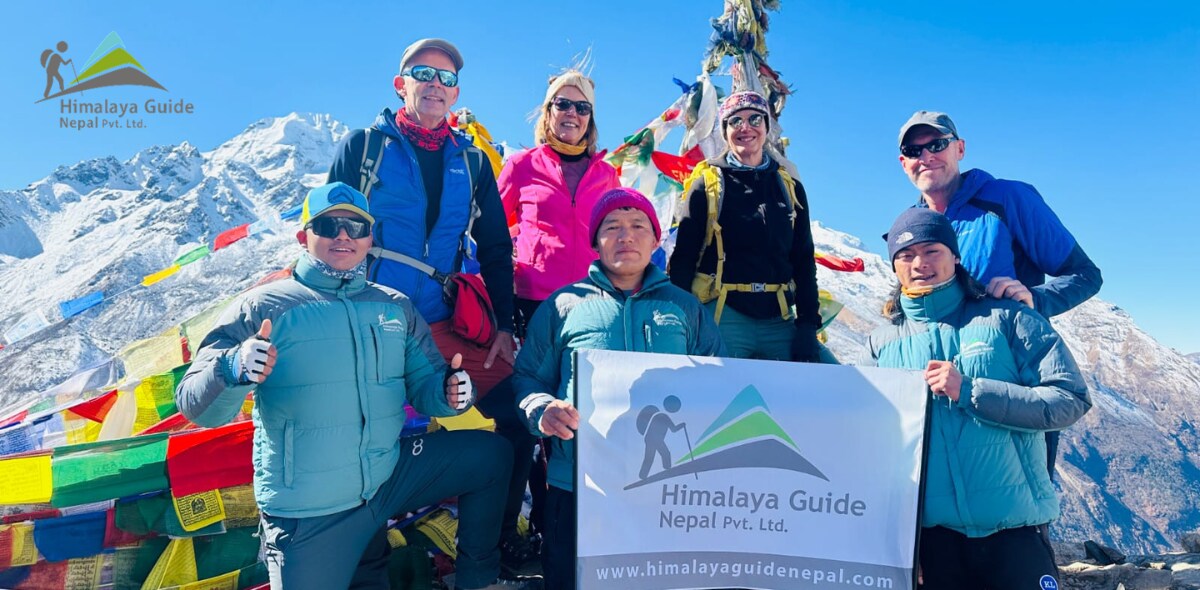
Additionally, the hike to Tserko Ri itself is a fascinating experience. You can see unique Himalayan landscapes and glacial streams on this trek route. Unlike Kyanjin Ri, it allows you a quieter and more serene journey to the summit, where you genuinely enjoy the mountains in peace and solitude. The summit, adorned with colorful prayer flags, adds to the spiritual and tranquil atmosphere. It honors the lives lost and also the living Tamang community, who stayed and rebuilt Langtang Village after the 2015 earthquake in Nepal.

Sure, the Kyanjin Ri hike may be a shorter, easier trek, but it doesn’t provide the same level of challenge or the incredible sense of achievement that Tserko Ri offers. So, if you’re fit and in good physical condition, Tserko Ri is clearly the better choice for a more rewarding and immersive trekking experience in the Himalayas.

How to Stay Safe During Tserko Ri Summit

The climb to the summit of Tserko Ri requires careful planning and strategies. You have to be self-aware and constantly mitigate the risks associated with altitude sicknessunpredictable weather, and challenging terrain. Here are some guidelines to help you stay safe during the hike:

  1. Get travel insurance before the Langtang trek. Make sure it covers trekking above 5,000 m and helicopter evacuation in case of an emergency.
  2. Choose the best time to visit the Langtang Valley, which is spring and autumn. This directly affects the weather conditions and the views from the Tserko Ri trek.
  3. Start early (between 4 AM and 5 AM) to avoid midday clouds and strong winds. This will increase your chances for clear views and better hiking conditions.
  4. Take regular breaks to avoid overexertion and stay hydrated (drink 3 to 5 liters of water daily). Move cautiously on loose rocks, scree, and steep descents. If you experience altitude sickness (headaches, nausea), descend immediately.
  5. Hire a local guide to help with navigation and provide support in emergencies. They know the entire route of the Langtang Valley, weather patterns, and areas prone to landslides.
  6. Wear sturdy, waterproof boots and bring trekking poles or crampons for stability. 
  7. Layer your clothes to stay warm and protect yourself from the high-altitude sun exposure by wearing hats and sunglasses.
  8. Carry a first-aid kit with bandages, painkillers, and any personal medications you might need.

Why Tserko Ri Acclimatization Hike Defines the Challenge of Langtang Trekking

Langtang Short Trek Photo

Tserko Ri acclimatization hike sure is the most demanding acclimatization hike on the Langtang trek, but it lets you explore the beauty of the Himalayas in a more unique way. Skipping it may make the trek easier, but you’ll miss out on the best mountain view along the Langtang. Though exhausting, it is the biggest highlight of the entire trek. The prayer flags at the summit symbolize Langtang Valley’s resilience after the 2015 earthquake, making it a truly special experience.

Reaching the summit of Tserko Ri is a true test of endurance and spirit that only rewards those who rise to the challenge.

Skip Moss

Skip Moss

Skip Moss is the USA Country Representative for Himalaya Guide Nepal Pvt. Ltd., a premier trekking and adventure company. With his extensive knowledge and passion for the Himalayas, Skip helps connect adventurers in the USA with unforgettable trekking experiences in Nepal.

USA

1196 Pineridge Dr. Cambria, CA 93428, USA
Email: mossvilles@gmail.com

Share:

Latest from our Blog

Read More

Ready to Start
Your Adventure?

Join thousands of happy travelers who
Choose Himalayan Guide Nepal Pvt.Ltd..

Plan Your Trip