

Whenever you hear someone mention a trek to the Everest region, you think of the famous Mount Everest, Lhotse, and Ama Dablam. However, the soul of the Khumbu isn’t only in these summits. It lives in the quieter corners of the Sherpa villages, the forested trails, the river crossings, and the small cultural details that many trekkers overlook as they rush toward the bigger destinations.
Nearly every major Everest journey, including the Everest Three Passes Trek, begins with the short walk from Lukla to Phakding. This section is often treated as a simple warm-up day, but it offers some of the most beautiful and meaningful early impressions of Nepal’s Khumbu region.
Before diving into what the day looks like, let’s take a slower, more observant walk through the three incredible highlights most trekkers pass without realizing their importance.
Chheplung Village (250-280 Words)
Chheplung is the first place where the noise of Lukla fades, and the true character of the Khumbu begins to show. Many trekkers pass straight through this village, eager to reach Phakding. Little do they know, Chheplung quietly introduces you to everything the region represents: heritage, harmony, and high-mountain living.
Located at approximately 2,660 meters, Chheplung is an old meeting point for trade routes used by Sherpa communities for generations. Similar to other Sherpa villages, houses are made of stone. Each home along the long mani walls consists of prayer flags dancing in the wind. Buddhism isn’t just a religion here. It is part of everyday movement, rhythm, and life.

If you stop for even a minute, you’ll hear the steady roar of the Dudh Koshi River below. The yak bells clink, echoing across the cliffs, and you get your first real preview of the dramatic terrain of the Khumbu region. Narrow paths skirt cliff edges, terraced fields climb toward the sky, and small suspension bridges stretch across deep river gorges. These features demonstrate how Sherpa communities have adapted to and thrived in such rugged landscapes.
What most trekkers miss is the mental shift the village offers. You’ll realize that the Everest Base Camp Trek is as much about absorbing the culture and pace as it is about reaching the destination. Take a moment off here before the busier energy of Namche Bazaar takes over; it will be worth it.
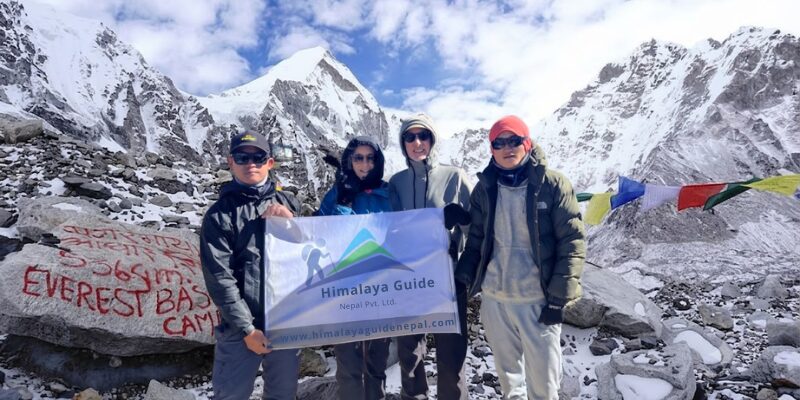
The Everest Base Camp trek is one of the most popular treks in Nepal. The trek is more frequently visited than other popular treks, such as the Annapurna Base Camp Trek or the Langtang Valley Trek, which are also well-known among trekkers worldwide. The trek is on the bucket list for many trekkers to reach the base of the world’s highest peak, Mount Everest. Everest Base Camp trek begins with a Kathmandu to Lukla flight & provides a challenging Himalayan & Sherpa village experience costing you $955. The paths twist and turn through beautiful Sherpa villages, high rhododendron forests, and alongside the Dudh Koshi River, offering glimpses of the local culture and the strong presence of the local people.

As the altitude gradually increases from Lukla, you will pass through Namche, Tengboche, and Dingboche. During this trek, trekkers need to acclimatize to the conditions of the Khumbu region. During these treks, trekkers will enjoy stunning views of mountains such as Everest, Ama Dablam, Nuptse, Lhotse, and Cho Oyu. The final section of your walk takes you to Gorak Shep, the last place before you reach Everest Base Camp, at an altitude of 5,364 meters. From Gorak Shep, you will walk to the highest point of the trek, at 5,644 metres, Kala Patthar. This is a rewarding trek, one that provides an immense sense of accomplishment and offers wonderful views of Mount Everest and the Khumbu Icefall up close, which will stay with you forever.
Everest Base Camp Trek CostThe Everest Base Camp Trek cost ranges from USD 1,055 to USD 1,510 per person for a standard package. The cost of the trek to EBC varies based on various factors like group size, trek duration, accommodation, transportation, services included, and customization of the trip. Also, the standard trek package covers most of the expenses required for the trek, including meals and accommodation, permits, guide service, domestic flight ticket, overland transportation, and necessary government taxes.
Everest Base Camp Trek Cost Breakdown:
| Category | Description | Estimated Cost (USD) | Factors Influencing Cost |
|---|---|---|---|
| Permits | Fees are required to trek in the Everest region. | $50 – $60 |
|
| Transportation | Costs to reach the trek starting point (usually Lukla) and return to Kathmandu. | $360 – $460 |
|
| Accommodation | Cost of staying in tea houses/lodges along the trekking route and hotels in Kathmandu. | $150 – $500+ |
|
| Food & Drinks | Expenses for meals (breakfast, lunch, dinner) and beverages during the trek. | $250 – $500+ |
|
| Guides | Fees for hiring a licensed trekking guide. | $500 – $1000+ |
|
| Trekking Gear | Costs for essential trekking equipment. | $100 – $500+ (if renting) / $300 – $2000+ (if buying) |
|
| Visa | Nepal entry visa fees. | $30 – $125 |
|
| Travel Insurance | Mandatory insurance that covers medical emergencies, high-altitude sickness, and emergency evacuation (including helicopter rescue). | $100 – $300+ | Cost depends on the duration of the trek and the coverage provided by the insurance policy. Ensure it specifically covers trekking at altitudes up to 6,000 meters. |
| Miscellaneous | Personal expenses such as hot showers, Wi-Fi, charging electronic devices, snacks, souvenirs, and tips for guides and porters. | $100 – $300+ |
|


Kusum Kanguru (250-280 Words)
Kusum Kanguru is a Tibetan name meaning “Three Snow-White Peaks” due to its three sharp summits that resemble icy blades rising above the valley. Even if trekkers don’t know its name at first, the shape makes it stand out instantly. Standing tall at 6,367 meters, it isn’t just another mountain in the background. It has its own character and a strong reputation among climbers.

According to the Nepal Mountaineering Association (NMA), the mountain is considered one of the most beautiful but challenging trekking peaks in the lower Khumbu. It has steep ridges, icy sections, and technical routes, making it a mountain that even experienced climbers quietly admire. Moreover, it marks the entrance to the Hinku Valley, from where we undertake the Mera Peak and Island Peak climbing expeditions.
Tok Tok Village (250-280 Words)
Just a short walk before Phakding, there lies a village called Tok Tok. It is one of the calmest and most scenic villages on the trail. Many trekkers pass it by on their way to Phakding, missing this quiet spot opposite cascading waterfalls, green fields, and scattered traditional houses. It’s the perfect place to pause and enjoy some of the most peaceful views in the lower Khumbu.
This is also where you get one of the earliest and clearest views of Thamserku. You see its striking peak from a lower angle. From here, its sharp ridges appear even more dramatic, a view which you can’t get from Namche. It looks even more beautiful in the morning when the light hits the summit perfectly, creating a silver glow that every traveler and photographer dreams of.

Additionally, Tok Tok marks an important transition in the Island Peak with the Everest Three Passes Trek trail. From here, the lowland cultural villages become fewer. Greener, denser rhododendron forests appear more frequently, and birdsongs become sharper and more distinct. The stone paths narrow slightly as the valley begins tightening toward higher settlements.
Stop here, even if it is just for a brief moment. After all, it is your last chance to feel quietness that becomes really rare later in the trek.
What To Expect From the Lukla To Phakding Route
Your Everest journey begins the moment your small aircraft lands at the Lukla Airport, with its famously steep runway. The landing is fast, the brakes are sharp, and before you know it, you reach the home of the eastern Himalayas. With your first step, you can feel the crisp mountain air and a whirlwind of trekkers, guides, porters, and grazing yaks.

After adjusting your gear or enjoying a quick warm tea in Lukla, the trail toward Phakding begins. This section of day 1 of trekking is an easy, gentle introduction to the Himalayas.
Trail Experience
From Lukla, the path descends softly. It winds through pine forests, traditional homes, small chortens, and spinning prayer wheels. You can see many stones carved with Buddhist mantras lining the route, reminding you of the region’s spirituality. Below you, the Dudh Koshi River flows constantly, loud, cold, and powerful. There are suspension bridges at several points.
As you cross them, you can lightly feel the bridge swaying under your feet. On either side, you can see sweeping views of the turquoise river carving its way through the valley. The trail moves in a series of small ups and downs. Nothing is too steep, but the constant motion makes you realize that even an “easy day” in the Himalayas demands good fitness.
Duration & Pace
Most trekkers reach Phakding in about 3-4 hours. But with newfound awareness of Chheplung’s culture, Kusum Kanguru’s towering presence, and Tok Tok’s peaceful beauty, you’ll find yourself stopping far more often.
You’ll pass friendly locals greeting you with “Namaste,” children in school uniforms probably heading to school, and porters carrying loads with calm efficiency. It is a gentle beginning before the intensity of the higher days.
Emotional Tone of Day One
This warm-up day gives you your first taste of the mountain landscape, culture, and rhythm of the Khumbu, a sense of freshness from the daily challenges of work or study. The altitude gain is minimal. Hence, you feel strong, and your excitement is high. It’s the perfect way to start any trek. The pace is slow, allowing you to breathe deeply and take in all the small details that make the Everest region more than just a trekking route. You’ll appreciate it even more as you climb toward Namche, Tengboche, or the high mountain passes.


