Ruby Valley Two Passes Trek

Trip Facts

Country

Nepal

Difficulty

Moderate

Trek Duration

10

Best Season

Spring (Mar - May) & Autumn (Sep - Nov)

Accommodation

Guest House, Homestay

Region

Ruby Valley Ganesh Himal Treks

Start / End Point

Kathmandu - Kathmandu

Max. Altitude

Pangsang La Pass (3,842 M)

Group Size

1

Meals Included

Breakfast, Lunch, Dinner

Acclimatization

Chalish village

Permits

Langtang National Park permit & a TIMS card

Recommended For

Moderate Trekkers

Duration

12 Days

Activity

Nepal Trekking

Activity Per Day

5 - 7 Hours Trekking

Transportation

Local bus, jeep

Distance

Approx. 110 - 130 KM / 68 - 81 MI

Ruby Valley Two Passes Overview

The Ruby Valley Two Passes Trek is a quiet trekking route in the rural hills of Dhading and Rasuwa, on the southern side of Ganesh Himal. The trail connects Syabrubesi and Gatlang in the Langtang Tamang Heritage area with Somdang, Pangsang La, Chalish, Lapa, Khading, and Baseri, and then ends in the lower Dhading road area before returning to Kathmandu.

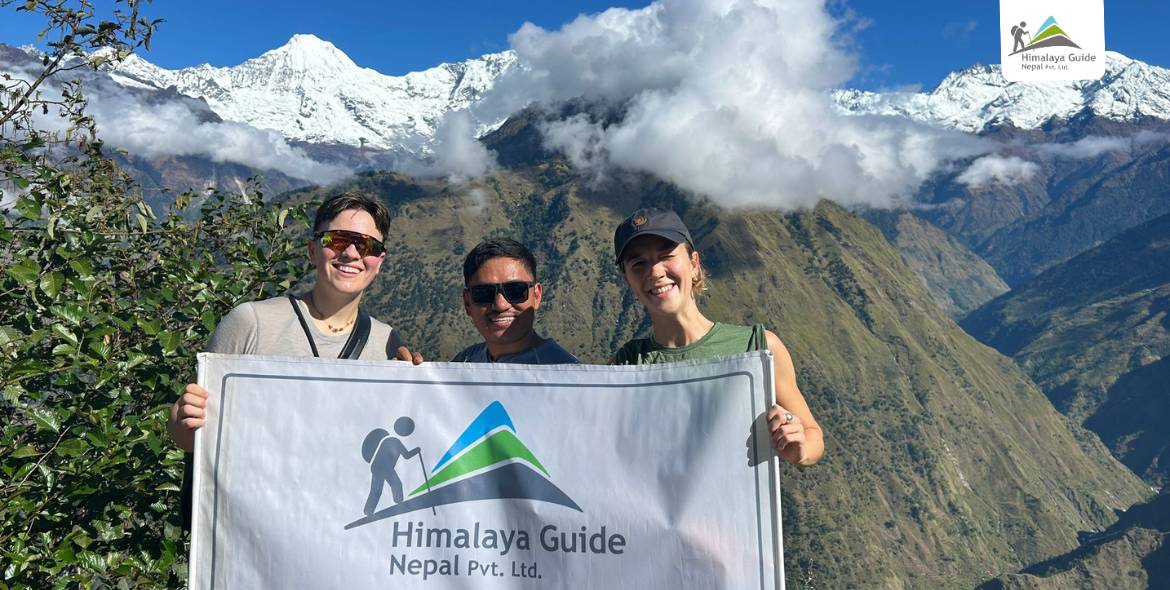
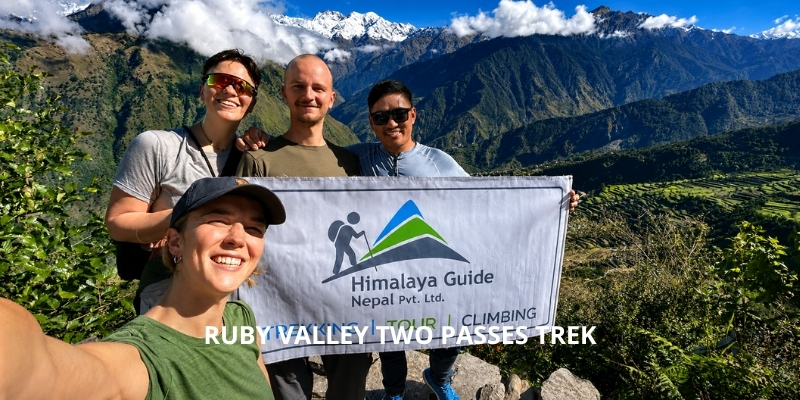
The two passes here refer to Pangsang La Pass above Somdang and the Magne Pass / Magne Goth area between Khading and the Baseri ridge. If you like quiet trails, local homes instead of busy lodges, and close views of Ganesh Himal, Langtang, Manaslu, and the central Himalaya, this is the route we usually recommend from our own guiding experience.

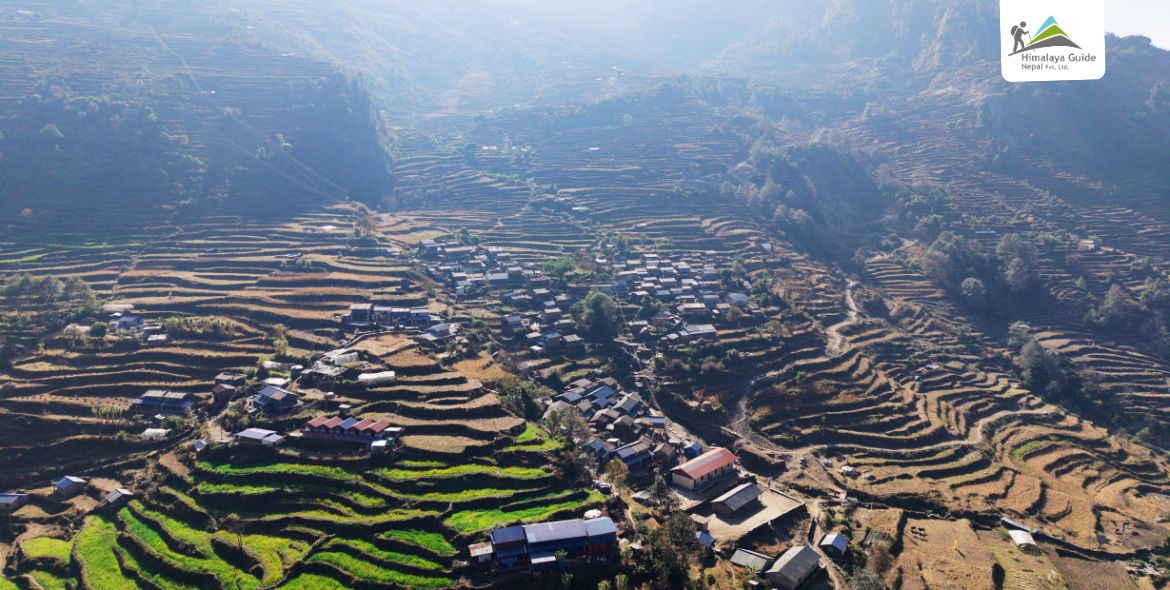
Throughout the Ruby Valley Two Passes Trek, you will find authentic culture. You will walk through villages where Tamang, Gurung, Ghale, and Dalit families live. Here, life still revolves around terraced farming, animal husbandry, and old traditions that mix Buddhism with local beliefs. Further, the trail is less traveled and not crowded. While the trek begins near Kathmandu, you quickly leave the crowds behind. So most days, you share the trail with locals, mules, and children walking to school instead of long lines of trekkers.

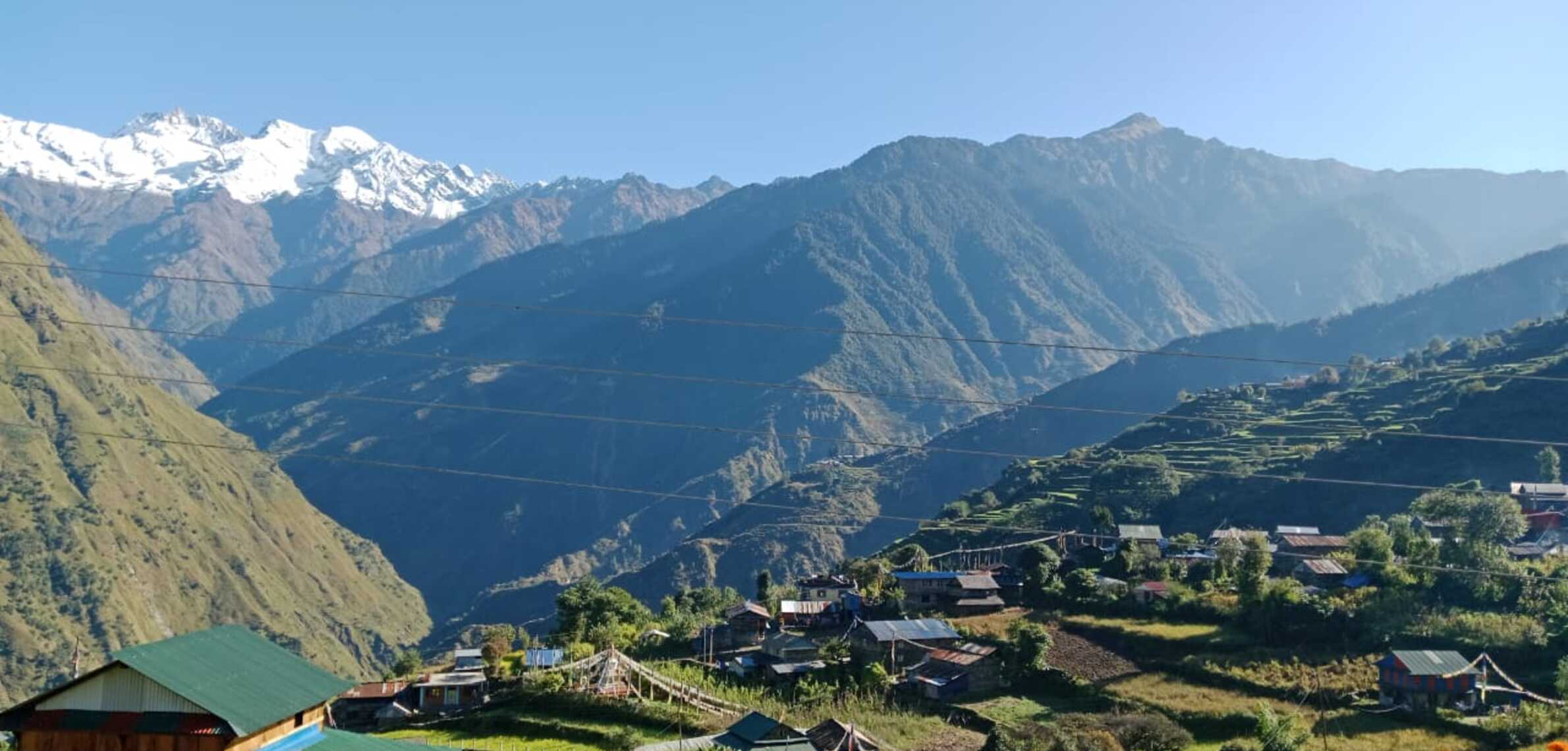
The landscape also changes, from jeep tracks and stone steps near Gatlang to forest paths, mule trails, and sometimes rough or landslide areas in the deeper Ruby Valley, so this trek is best for people who are comfortable walking on uneven ground. The most exciting part of the Ruby Valley Two Passes Trek is the homestay experience. Instead of big lodge settlements, you stay in Ruby Valley homestays in villages like Gatlang, Tipling, Chalish, and Lapa.

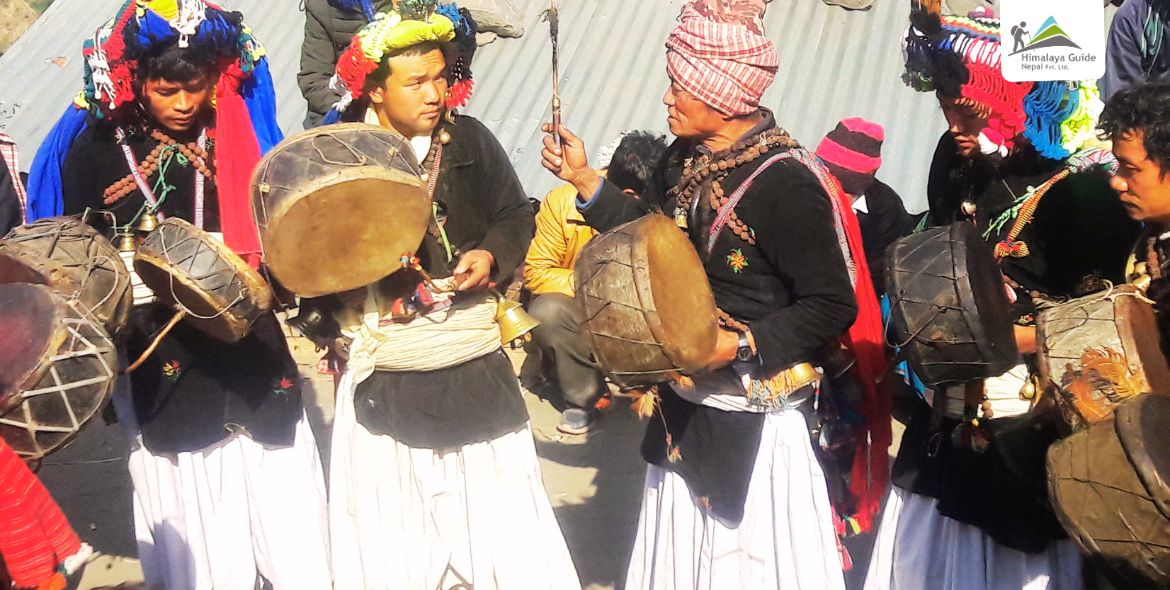
You eat what the family eats, which is fresh vegetables, local grains, milk, and ghee from their own animals. In the evening, you can sit near the kitchen fire, talk with the family, learn a few Nepali or Tamang words, and watch how they cook dal bhat. Sometimes you can also see village music, festivals, or farm work, depending on the season. And because of this close connection with local life, many trekkers choose Ruby Valley Trek instead of the more popular Langtang or Manaslu routes, as the experience feels more personal and less commercial.

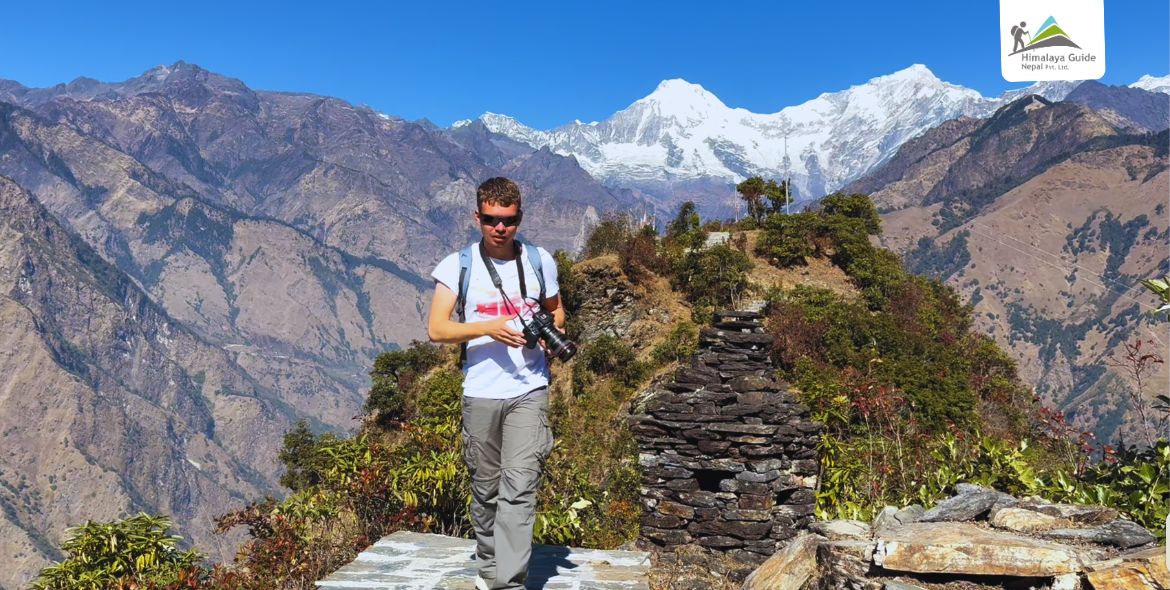
Ruby Valley Two Pass Trek Highlights

  • Cross two quiet scenic passes, Pangsang Pass and Magne Pass, with wide views of Ganesh Himal, Langtang, and Manaslu on clear days.
  • Stay in community-run homestays in villages like Chalish, Tir Gaon, Lapa, and Khading, where food is cooked on an open fire, and you sleep inside local family houses.
  • Walk on less‑crowded trails that still feel like old Nepal, passing terraced fields, forests, waterfalls, and traditional stone houses.
  • Visit the natural hot spring near Chalish and Tir Gaon, a popular spot where locals come to bathe and relax.
  • Trek from Gatlang via Parvati Kund and Yurikharka to Somdang, an old mining area, walking through farm terraces, pine forest, and high pasture land.
  • Enjoy a balanced Ruby Valley Two Passes trek that offers big-mountain panoramas without extremely high altitudes or technical sections.
  • Experience the Tamang and Gurung cultures in villages such as Tipling, Sakpar, Chalish, and Lapa, with Buddhist monasteries, chortens, and traditional hospitality that enhance your trekking experience.
  • Walk on one of the least crowded routes between Langtang and Manaslu, with long sections where you meet only local people and few or no trekkers.
  • Learn about local agriculture, traditional mining history around Somdang, and community rebuilding efforts after the 2015 earthquake, which makes this trek both cultural and meaningful.

12 Days Ruby Valley Two Passes Trek Outline Itinerary

Route End Elevation Elevation Gain/Loss Duration Distance
Day 01 Arrival in Kathmandu 1,400 M 20 - 30 Minutes Driving 5 - 7 KM
Day 02 Drive from Kathmandu to Syabrubesi 1,530 M + 130 M 7 - 8 Hours Driving 122 KM
Day 03 Trek from Syabrubesi to Chawatar to Gatlang 2,337 M + 807 M 6 Hours Trekking 14 KM
Day 04 Trek from Gatlang via Parvati Kund and Yurikharka to Somdang 3,270 M + 1,373 M - 440 M 6 Hours Trekking 12 KM
Day 05 Trek from Somdang to Pangsang La Pass 3,842 M + 572 M 2 - 3 Hours Trekking 4 KM
Day 06 Trek from Pangsang Pass to Tipling, Sakpar, and Chalish Village 1,670 M - 2,172 M 7 - 8 Hours Trekking 18 KM
Day 07 Rest and Exploration Day in Chalish Village 1,670 M 3 - 4 Hours Walking 3 - 5 KM
Day 08 Trek from Chalish Village to Hot Spring and Tir Gaon 1,866 M + 196 M 5 Hours Walking 10 KM
Day 09 Trek from Tir Gaon via Rachyat and Lapa to Khading Gaon 2,025 M + 159 M 6 Hours Walking 13 KM
Day 10 Trek from Khading Gaon to Magne Goath 2,936 M + 911 M 5 Hours Walking 9 - 11 KM
Day 11 Trek from Magne Goath to Baseri Danda Gaon 1,250 M - 1,686 M 4 - 5 Hours Trekking 8 - 10 KM
Day 12 Drive from Baseri Danda Gaon to Dhading to Kathmandu 1,400 M + 150 M 5 - 6 Hours Driving 120 KM
Download PDF download

Ruby Valley Two Passes Trek Itinerary

Day 01 :

Arrival in Kathmandu

Drive Distance

5 - 7 KM

Drive Duration

20 - 30 Minutes

Highest Altitude

1,400 M

Place

Kathmandu

Meals

Not included

Accommodation

Hotel

We welcome you at Tribhuvan International Airport and transfer you through the busy streets of Kathmandu to your hotel in Thamel or another tourist area. The first day is mainly for rest after your flight, getting used to the weather, and having your first experience of Nepali food, culture, and city life.

In the evening, we will meet for a short trip briefing where your trek guide explains the Ruby Valley Two Passes Trek in simple words, checks your trekking gear, and answers any last-minute questions you may have. If you have free time, you can walk around Thamel, buy or rent any missing trekking gear, or visit a nearby temple or stupa if you arrive early in the day.

Day 02 :

Drive from Kathmandu to Syabrubesi

Drive Distance

122 KM

Drive Duration

7 - 8 Hours

Highest Altitude

1,530 M

Place

Syabrubesi

Meals

Breakfast, Lunch, Dinner

Accommodation

Teahouse

On Day 2, you leave Kathmandu and start the journey toward the trekking area. After an early breakfast, we will pick you up from your hotel and drive to the bus or jeep station, then begin the long scenic drive from Kathmandu to Syabrubesi. You will drive out of the Kathmandu Valley through the Thankot or Tokha Trishuli road, then follow the Trishuli River toward Betrawati and the Dhunche Syabrubesi road.

The first part of the road is paved, but the second half can be rough and dusty, especially after rain or during road construction. While in the vehicle, you can enjoy scenery from city buildings to green hills, terraced farms, and small roadside villages, where you can see daily local life, tea shops, and markets. You will pass police checkpoints before reaching Syabrubesi, the main starting point for the Langtang and Tamang Heritage trekking routes.

In recent seasons, permit checks are sometimes done near Dhunche or Syabrubesi, so we keep your documents ready, and our guide will handle the formalities. Syabrubesi is a small mountain town with basic lodges, shops, and a mobile network, so it is a good place to organize your bags and buy any last snacks or supplies. You will arrive in Syabrubesi in the afternoon or early evening.

Day 03 :

Trek from Syabrubesi to Chawatar to Gatlang

Trek Distance

14 KM

Trek Duration

6 Hours

Highest Altitude

2,337 M

Place

Gatlang

Meals

Breakfast, Lunch, Dinner

Accommodation

Teahouse

Your Ruby Valley Two Passes Trek officially starts today. As you start walking, you will leave the main Langtang trail behind and follow a quieter local path. Soon after leaving Syabrubesi, the trail climbs gradually toward Ronga Bhanjyang (2,237 M), a ridge that gives your first nice views back down the valley. The climb is steady but not too steep, and you walk on small village trails surrounded by green hills and forest.

After a few hours of walking, you will reach Chawatar, a small Tamang settlement on the hillside. The trail to Chawatar is a mix of stone steps, village paths, and sometimes a rough jeep track, with good views back toward Syabrubesi. You will stop for a simple local lunch at Chawatar, then continue walking through terraced fields and pine forest on the way to Gatlang.

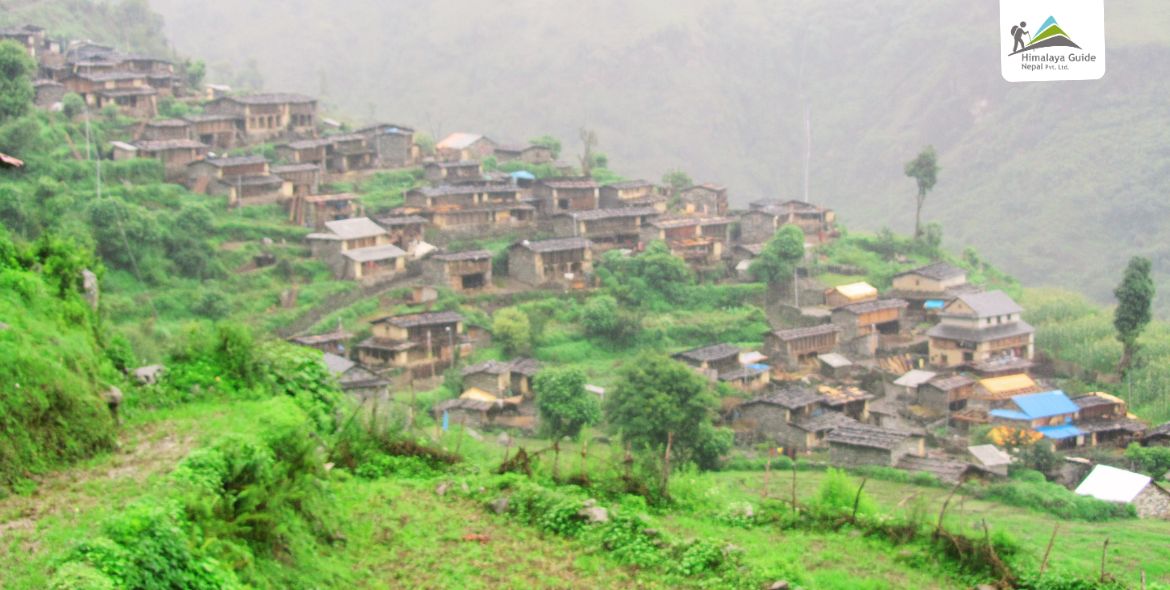
As you get closer to Gatlang, the view opens up, and you can see rows of traditional stone houses with slate roofs and wooden windows. Gatlang is a beautiful Tamang village known for its strong culture and peaceful setting above the valley. In the afternoon, you have time to walk around the narrow village paths, visit the local monastery, or relax at the homestay while watching the sunset over the hills.

Day 04 :

Trek from Gatlang via Parvati Kund and Yurikharka to Somdang

Trek Distance

12 KM

Trek Duration

6 Hours

Highest Altitude

3,710 M

Place

Somdang

Meals

Breakfast, Lunch, Dinner

Accommodation

Teahouse

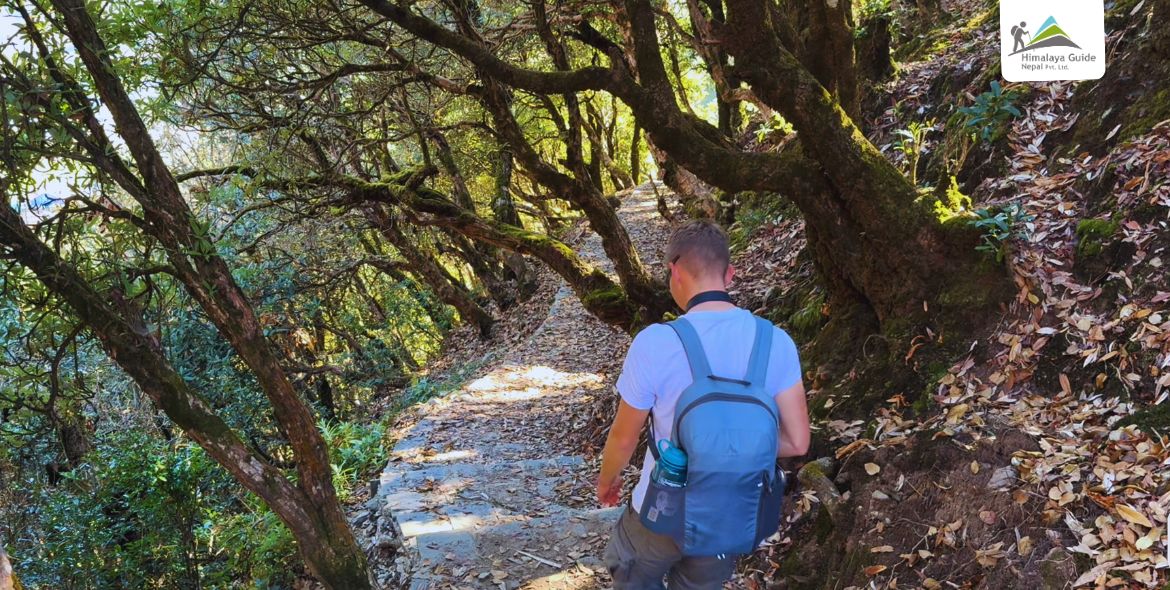
Today’s trek takes you from Gatlang to Somdang. You begin the walk with a gentle climb up a stone staircase to Parvati Kund, a small sacred lake important to both Hindu and Buddhist pilgrims. It’s a great spot to rest, take photos, and appreciate that these trails are still living pilgrimage routes. From Parvati Kund, the Ruby Valley Two Passes Trek path then continues through pine and rhododendron forests, which bloom beautifully in spring.

The path opens onto quieter, more remote terrain, offering wide views of Ganesh Himal and the valleys below. Along the way, you will pass small clearings like Gothen and a Yaru Army Camp, then climb toward Yurikharka and Khurpudanda Pass (3,710 M), the day’s high point.

From the pass, the trail descends to Somdang, your overnight stop. Somdang is an old mining settlement with a river running through the valley and historic mining remnants on the slopes. There are basic lodges or homestays here, so facilities are simpler than in Gatlang. This stop also helps your body acclimatize before Pangsang Pass, and the night sky here is usually spectacular for stargazing.

Day 05 :

Somdang- Pangsang La Pass

Trek Distance

4 KM

Trek Duration

2 - 3 Hours

Highest Altitude

3,842 M

Place

Pangsang La

Meals

Breakfast, Lunch, Dinner

Accommodation

Camp / Basic shelter

Day 5 of the Ruby Valley Two Passes Trek is a big day. Today you climb steadily from Somdang to Pangsang La, the first high pass and the trek’s highest point. The trail moves through forests and open pastures (kharka) with some switchbacks and steeper sections. In early spring, you may cross short snow patches near the top. As you gain height, trees thin out, the air feels cooler, and the landscape becomes more alpine. This is one of the more physically demanding uphill days.

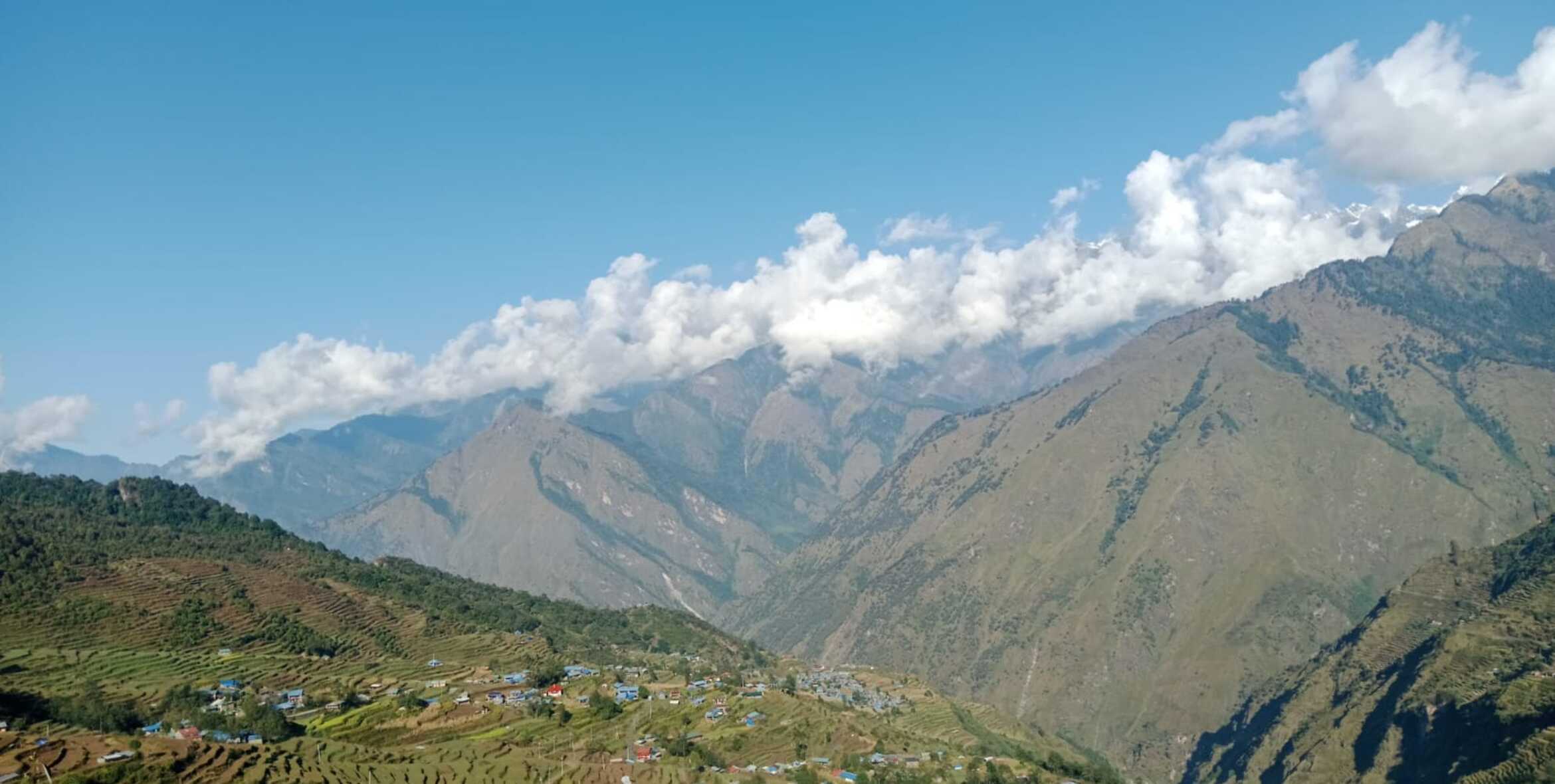
Reaching Pangsang Pass is very rewarding. At Pangsang La, the view suddenly becomes panoramic. On a clear day, you can count Ganesh II, III, and IV right in front of you, the Manaslu massif further west, Langtang Lirung and the Tibetan border peaks to the east, and even Annapurna peaks on the far horizon. There are usually prayer flags and small cairns built by herders and trekkers. This pass is often called one of Nepal’s best “hidden” viewpoints.

In the afternoon, you can explore, rest, and watch the sun set over the peaks. Nights are cooler, but the starry sky and mountain silence are something you will enjoy. Accommodation depends on seasonal availability: either a basic shelter or a camp near the pass. If conditions are windy or cloudy, we adjust the crossing to stay safe and reach shelter early.

Day 06 :

Trek from Pangsang Pass to Tipling, Sakpar, and Chalish Village

Trek Distance

18 KM

Trek Duration

7 - 8 Hours

Highest Altitude

3,842 M

Place

Chalish

Meals

Breakfast, Lunch, Dinner

Accommodation

Teahouse

From Pangsang Pass, the trail descends along a beautiful ridge. You first cross open pastures dotted with dwarf rhododendron and juniper, then enter thick fir and oak forest. During the monsoon and post‑monsoon months, the forest is full of wild mushrooms, ferns, and sometimes you may hear monkeys or see signs of musk deer.

The Two Passes Ruby Valley Trek path then traverses towards Laptung, a small settlement with fields and scattered houses, before continuing down to Tipling, one of the largest villages in the Ruby Valley area. Tipling is unique. You will see both Buddhist monasteries and churches, reflecting the mix of Tamang and Christian communities here. You can explore Tipling VDC and Gomba Tole before a short rest or lunch.

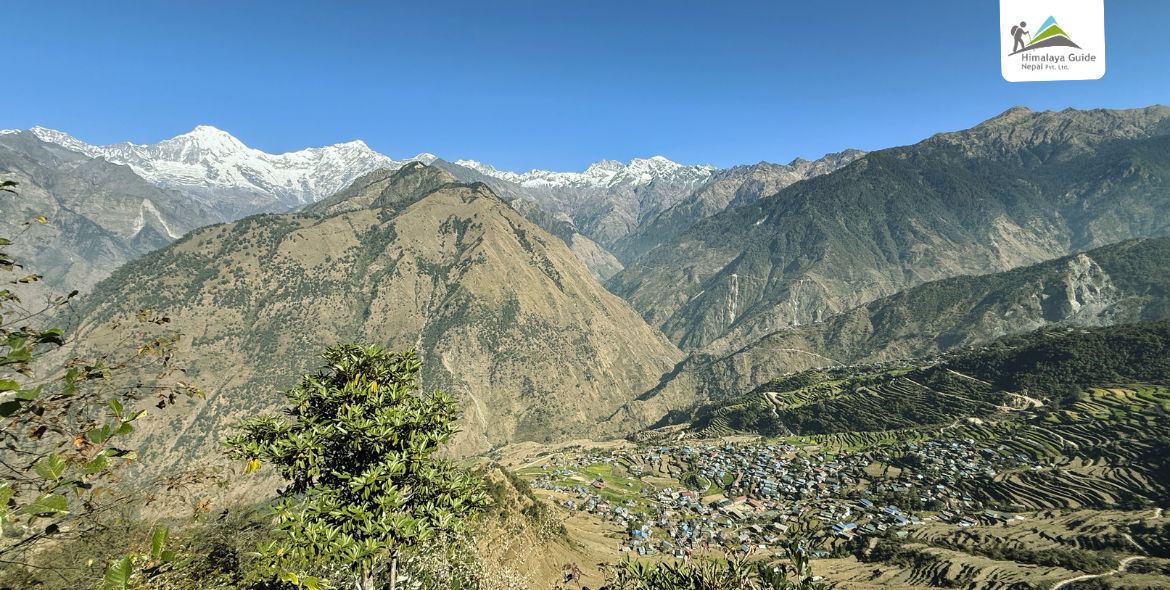
Afterwards, the trail passes the nearby Kami Gaoun and Sakpar Danda. From Sakpar, you will continue towards Chalish. This part of the trek is especially scenic in the afternoon light, with terraced barley and millet fields, villagers threshing grain, and wide views down to the Ankhu Khola. Chalish Village sits on a gentle shoulder above the river, with traditional Gurung and Dalit houses and a warm, relaxed vibe. Many trekkers call this village the heart of the Ruby Valley homestay trek, especially when joining the local cultural program in the evening.

Day 07 :

Rest and Exploration Day in Chalish Village

Trek Distance

3 - 5 KM

Trek Duration

3 - 4 Hours

Highest Altitude

1,670 M

Place

Chalish

Meals

Breakfast, Lunch, Dinner

Accommodation

Teahouse

Today is your first acclimatization on the Ruby Valley Trek at Chalish. This day in Chalish is meant to be relaxed and flexible, letting you really enjoy the village and the nearby Ruby Valley areas. You can visit the village school, watch how millet raksi is distilled in copper pots, or simply sit in the courtyard with your homestay family, observing daily life. You can also do a short side trip to an old monastery, which gives insight into local religion and architecture.

For those who want more walking, you can hike to small viewpoints above Chalish for panoramic views of the Ankhu Khola valley and scattered hillside hamlets. During peak seasons, the community may also host a cultural program featuring traditional dance and music. This is exactly the kind of authentic village experience that makes the Ganesh Himal Ruby Valley trek feel different from standard teahouse routes.

Day 08 :

Trek from Chalish Village to Hot Spring and Tir Gaon

Trek Distance

10 KM

Trek Duration

5 Hours

Highest Altitude

1,866 M

Place

Tir Gaon

Meals

Breakfast, Lunch, Dinner

Accommodation

Teahouse

Following 12 days Ruby Valley Two Passes Trek itinerary, on day 8, you will leave Chalish village. You will follow a gentle trail that climbs a little to Tikkas Danda, a viewpoint where you can look back over the valley you’ve explored. The walk is moderate and passes through fields and patches of forest. Then, you will descend along a small path through terraced fields to the river, hearing the water before you see it.

After crossing a simple suspension bridge, the trail follows the river upstream to the natural hot spring (Tatopani), nestled below the cliffs. The hot spring is warm and wide, with stone pools where locals come to bathe and relax. Local people believe the mineral water is good for joints and skin. You can soak, enjoy the view, and chat with villagers.

After spending a couple of hours at the hot spring, you will climb back up to the main trail and continue through small settlements and cardamom fields toward Tir Gaon. Along the way, you pass village temples, water channels, and tiny shops that serve as local gathering spots. Tir Gaon is quiet and peaceful.

Day 09 :

Trek from Tir Gaon via Rachyat and Lapa to Khading Gaon

Trek Distance

13 KM

Trek Duration

6 Hours

Highest Altitude

2,025 M

Place

Khading Gaon

Meals

Breakfast, Lunch, Dinner

Accommodation

Teahouse

Today you will walk through small, quiet villages that most Ruby Valley trekkers never visit. From Tir Gaon, the trail goes above the river and slowly climbs to the Rachyat/Kapur area, where houses are far apart, and families keep buffalo and goats. Next, you will continue to Lapa Goan. Lapa is a bigger hill village that serves as a local center for nearby smaller villages. Here, you may see a health post, a small market, and sometimes a mini hydroelectric plant.

You will stop for lunch in Lapa, situated at 1,850 M. After lunch, you will climb again, crossing a stream like Lapa Khola and walking through forest and terraced fields to reach Khading Gaon. Khading is one of the highest villages in this part of Ganesh Himal. It offers amazing views of both the Ankhu Khola and Lapa valleys. Few tourists come here, so the village feels very traditional, with stone courtyards, old chortens, and simple hillside monasteries.

Day 10 :

Trek from Khading Gaon to Magne Goath (Magne Pass)

Trek Distance

9 - 11 KM

Trek Duration

5 Hours

Highest Altitude

2,936 M

Place

Magne Goath

Meals

Breakfast, Lunch, Dinner

Accommodation

Camp / Basic shelter

After breakfast, you will leave Khading and begin walking on a trail that first goes slightly downhill to cross a small stream like Chote Khola, then begins a long, steady climb toward Magne Goath. The path goes through dense forest, where you might hear birds, monkeys, or see animal tracks. As you climb higher, the trees thin out, and open pastures appear, with herder shelters and stone fences.

The higher you go, the wider the views get. Khading and the lower villages look smaller below. Magne Goath itself is a simple cluster of sheds and stone huts used by yak and sheep herders in summer. From here, you can see Ganesh Himal to the north and rolling hills to the south. It feels wild and untouched, very different from Pangsang La. This is the second pass of the Ruby Valley Two Passes Trek. Depending on the season, you will stay in a basic herder’s hut, a tent, or a shelter.

Day 11 :

Trek from Magne Goath to Baseri Danda Gaon

Trek Distance

8 - 10 KM

Trek Duration

4 - 5 Hours

Highest Altitude

2,936 M

Place

Baseri Danda Gaon

Meals

Breakfast, Lunch, Dinner

Accommodation

Teahouse

Today is the exit day when you leave the high mountains and return to the middle hills. From Magne Goath, the trail goes downhill along a long ridge. In some places, you can still look back toward Ganesh Himal, and in front, you can see the lower villages and river valleys where you are going. The path first goes through high pasture, then enters forest with moss, trees, and small streams.

Along the way, you cross small passes and grazing areas such as Myangal Bhanjyang (2,975 M) and Naubarn Kharka (2,750 M). The trail moves through a mix of forest, open land, and viewpoints like Tinsure, where you can take one last wide view of the mountains you have been walking near for many days.

Later, you pass the Ganga Jamuna area, which local people know as a holy place with small waterfalls and natural springs. From here, the trail goes down into farming villages and terraced fields, and the weather starts to feel warmer again. By afternoon, you reach Baseri Danda Gaon, where the houses are more spread out, and the climate feels more subtropical. This is your last night in the hills, and a good time to think about the whole journey, from the Langtang side to Dhading, after crossing both Pangsang Pass and Magne Pass.

Day 12 :

Drive from Baseri Danda Gaon to Dhading to Kathmandu

Drive Distance

120 KM

Drive Duration

5 - 6 Hours

Highest Altitude

1,400 M

Place

Kathmandu

Meals

Breakfast, Lunch, Dinner

Accommodation

Hotel

On the last day, you will follow local tracks and village roads through places like Budathum, Sukaura Bensi, and Siureni, slowly reconnecting with the main road network. Depending on the road condition, part of the way may be walked and part done by a local jeep or vehicle.

From the roadhead, usually near Dhading Besi, you will start the drive back toward Kathmandu. The road first follows rivers, farms, and green hills, then joins the Prithvi Highway. As you get closer to Kathmandu, the traffic becomes busy again, and you can feel the change from quiet mountains to city life.

After reaching Kathmandu, we will transfer you to your hotel. You can enjoy a hot shower, good food, coffee, or even a cold beer after the trek. Many trekkers like to stay one extra night in Kathmandu for souvenir shopping, rest, or a short city tour after finishing the Ganesh Himal Ruby Valley Two Passes Trek.

Inclusion/Exclusion in Ruby Valley Two Passes Trek

Includes

  • International airport pickup and drop-off service.
  • 1-night standard hotel on BB Plan in Kathmandu (before trek).
  • Bus ticket to Syabru Bensi by public bus.
  • Dadagaon to Kathmandu by public bus.
  • Drop off at the hotel in Kathmandu.
  • Three meals a day (Breakfast, Lunch, and Dinner along the trek).
  • Lodges in the whole trek.
  • An experienced Local Guide (Including his salary, equipment, insurance, transportation, lodging, and food)
  • Equipment: Down Jacket, Sleeping Bag.
  • All require legal documents for the Ruby Valley Two Pass Trek.
  • All Gov taxes.
  • Ruby Valley  Two Passes Trekking Map.
  • First aid medical box.
  • Some fresh and dry fruits for trekking.
  • A token of love from the company.
  • Farewell lunch/dinner.

Excludes

  • Extra night accommodation in Kathmandu.
  • Travel insurance.
  • Hot and Cold drinks such as Tea/Coffee, Coke, Mineral Water, Beer, etc.
  • Personal expenses (laundry, bar bill, telephone, extra helper, battery charge, shower, and boiled water).
  • Some donation to the cultural group.
  • Tips for all staff.

Ruby Valley Two Passes Trek Map

Ruby Valley Two Passes Trek Map Image Link

Download PDF download

Departure Dates for You

12 Days

Trip Days

29 Jul, 2026

Start Wednesday

9 Aug, 2026

End Sunday

10

Group Size

USD 770

Price

Booking Open

Status

Private Trip Booking

Prefer a more personal journey? Our private packages offer flexible dates, custom itineraries, and dedicated support—perfect for those seeking a tailored travel experience.

Altitude Chart

Altitude in:
Download PDF download

Ruby Valley Two Passes Trek Route Map

The Ruby Valley Two Passes Trek route map helps you understand how the Ruby Valley Two Passes trek connects the Langtang area, Ganesh Himal Ruby Valley, and the Dhading road, while also showing the daily altitude changes and village stops. In this region, the map is very helpful because the trails are less signposted than in popular trekking areas, and the map helps trekkers see where the two passes, villages, and hot springs are located.

At the start, you drive from Kathmandu to Syabrubesi, which is the same starting point used for the Langtang Trek. From there, you leave the busy trail and follow a quieter route to Gatlang, Somdang, and Pangsang Pass, the first high pass of the trek. After crossing the pass, the trail drops into the main Ruby Valley area, passing remote villages like Tipling and Chalish.

The trek then continues through hot springs, farm valleys, and traditional villages such as Tir Gaon, Rachyat, Lapa, and Khading, before climbing again to the second high area near Magne Pass at Magne Goath.

Main trekking route (Kathmandu to Ruby Valley):

Kathmandu → Syabrubesi → Gatlang → Somdang → Pangsang Pass → Tipling → Sakpar → Chalish → Hot Spring → Tir Gaon → Rachyat → Lapa → Khading Gaon → Magne Goath

After Magne Goath, the trek finishes by going down to the road instead of returning the same way. From Baseri Danda Gaon, you travel by road through Dhading Besi and back to Kathmandu. You do not need to cross the passes again or go back to Syabrubesi. This structure keeps the walking route fresh and gives you a full picture of Ganesh Himal Ruby Valley from both the northern and southern sides.

Return route (Ruby Valley to Kathmandu):

Magne Goath → Baseri Danda Gaon → Local roadhead → Dhading Besi → Kathmandu

Accommodation & Food During the Two Passes Ruby Valley Trek

On this Ruby Valley Two Passes Trek, you will stay in community lodges, family homestays, and a few simple teahouses. In higher places like Pangsang Kharka and Magne Goath, the stay is more basic. Rooms usually have wooden beds with foam mattresses and blankets. In homestays, you may need to share a room or sleep in a common space, and toilets are squat-style and outside the house. Hot showers are not always available, and where they are, they may be bucket showers with an extra charge.

Likewise, food on this trek is simple. Common meals include dal bhat (rice, lentil soup, and vegetables), potatoes, noodles, roti, eggs, and seasonal greens. In the main Ruby Valley villages, most food ingredients come from local farms, so it is fresh, but the menu is more limited than in commercial trekking regions.

With Himalaya Guide Nepal, the package includes three meals per day, along with some fresh and dried fruits during the trek. You only need to pay extra for bottled drinks, snacks, or special food items.

Ruby Valley Two Passes Trek Difficulty

For the Ruby Valley Two Passes trek, we describe the difficulty as moderate overall, with some challenging days. It is suitable for trekkers with average fitness who are ready for regular uphill and downhill walking. The two main passes, Pangsang Pass and Magne Pass, are not in the extreme high-altitude zone, so this trek is easier than routes like the Everest Three Passes.

However, you should still expect 5 to 7 Hours of walking on some days and an altitude up to about 3,800 M. Most of the trail follows village paths and herder trails, which can be rocky, muddy, or full of stone steps. Because of this, you need good balance, patience, and steady energy, not just strong legs.

From a grading point of view, most local operators and recent guidebooks list the Ruby Valley Trek difficulty as Moderate or Easy to Moderate because there is no technical climbing, no glaciers, and no need for special mountaineering gear. At the same time, there are definitely a few tougher days, such as the climb from Somdang to Pangsang Pass, the long descent from Pangsang towards Chalish, and the ascent towards the Magne Pass area.

That said, to prepare for the Ruby Valley Two Passes trek, train for 4-6 weeks beforehand with light activities like day hikes, stair climbing, cycling, or jogging. With this kind of preparation, the trek will feel challenging but enjoyable, not too hard.

Best Time For Ruby Valley Two Pass Trek

The best seasons for the Ruby Valley Two Passes trek are spring (March to May) and autumn (mid-September to late November). These months offer stable weather, clear skies, and active village life along the trail. Trails between Syabrubesi, Gatlang, Somdang, Chalish, Lapa, and Khading are usually dry, rivers are easy to cross, and from Pangsang Pass and Magne Goath, you get great views of Ganesh Himal, Langtang, and Manaslu.

In spring, the forests above Gatlang, Yurikharka, and Somdang are full of blooming rhododendron, making the climb towards Pangsang Pass colorful and lively. Terraced fields around Chalish, Tir Gaon, and Lapa start to turn bright green as farmers plant rice, millet, and maize, so you actually walk through villages in the middle of the planting season. You’ll often see people ploughing with oxen, carrying seedlings, and working late in the fields, which gives a very real picture of rural life in Ruby Valley.

Likewise, in autumn, after the monsoon, the air clears, and the terraces around Tipling, Chalish, Khading Gaon, and Baseri Danda Gaon are full of ripening crops. This is harvest time, so you might pass through villages where families are cutting rice, drying grain on rooftops, or storing maize in traditional wooden racks. Clear blue skies are common, and from Pangsang Pass and the high ground near Magne Goath, you get sharp, clear mountain views almost every morning. Also, Autumn corresponds to the main festival in Nepal. You may witness local festivals like Dashain or Tihar, with decorated houses and music.

You can trek in Ruby Valley in winter (December to February) if you are ready for cold nights and some snow near Pangsang Pass and Magne Pass. Lower villages like Gatlang, Chalish, and Lapa are quieter, with less farm work and more time to sit by the kitchen fire and chat. But mornings can be frosty, and water pipes may freeze.

During the monsoon (June to early September), the hills are very green, and waterfalls are strong, especially near Tir Gaon and Lapa, but trails can be slippery, leeches are common, and views are often covered by clouds. For a first visit, spring and autumn give the best mix of views, village activity, and safe, comfortable walking days.

Ruby Valley Two Passes Trek Vs Annapurna Base Camp Trek Vs Langtang Valley Trek

Here’s a clear comparison of the Ruby Valley Two Pass Trek with the Annapurna Base Camp and Langtang Valley trek:

Factor Ruby Valley Two Passes Trek Annapurna Base Camp Trek Langtang Valley Trek
Region Ganesh Himal / Ruby Valley between Langtang & Manaslu Annapurna region, central Nepal Langtang region, north of Kathmandu
Max Altitude 3,842 M at Pangsang La Pass 4,130 M at Annapurna Base Camp 3,840 M at Kyanjin Gompa (or up to 4,984 M at Tserko Ri)
Duration 12 Days 7 to 12 days 7 to 10 days
Total Distance Roughly 110 – 130 KM circuit style with two passes Around 110 – 130 KM round trip to ABC and back Around 70 – 90 KM out‑and‑back, Syabrubesi – Kyanjin area
Difficulty Moderate, with some challenging pass days, basic teahouse + homestay, more rustic trails Moderate to moderately challenging, consists of many stone steps and a higher altitude Moderat. Steady ascent, some steep sections near Kyanjin
Altitude Sickness Risk is lower as most nights are below 3,000 M, passes under 4,000 M Noticeable AMS risk above 3,000 M, especially near MBC/ABC Real but manageable AMS risk, especially if going quickly to Kyanjin or Tserko Ri
Crowd level Low. Off‑beat path, very few trekkers, strong local village feel High. One of Nepal’s busiest commercial trails in the peak seasons Moderate. Quieter than ABC but clearly established and well‑known
Accessibility Drive both ways. Start Syabrubesi, exit via Dhading. No flights required, but some rough roads Road to the trailhead (Nayapul/Kande/Jhinu), or short Pokhara access by road/flight Road access to Syabrubesi from Kathmandu

FAQs for Ruby Valley Two Passes Trek

Ready to Start
Your Adventure?

Join thousands of happy travelers who
Choose Himalaya Guide Nepal Pvt.Ltd.

Plan Your Trip