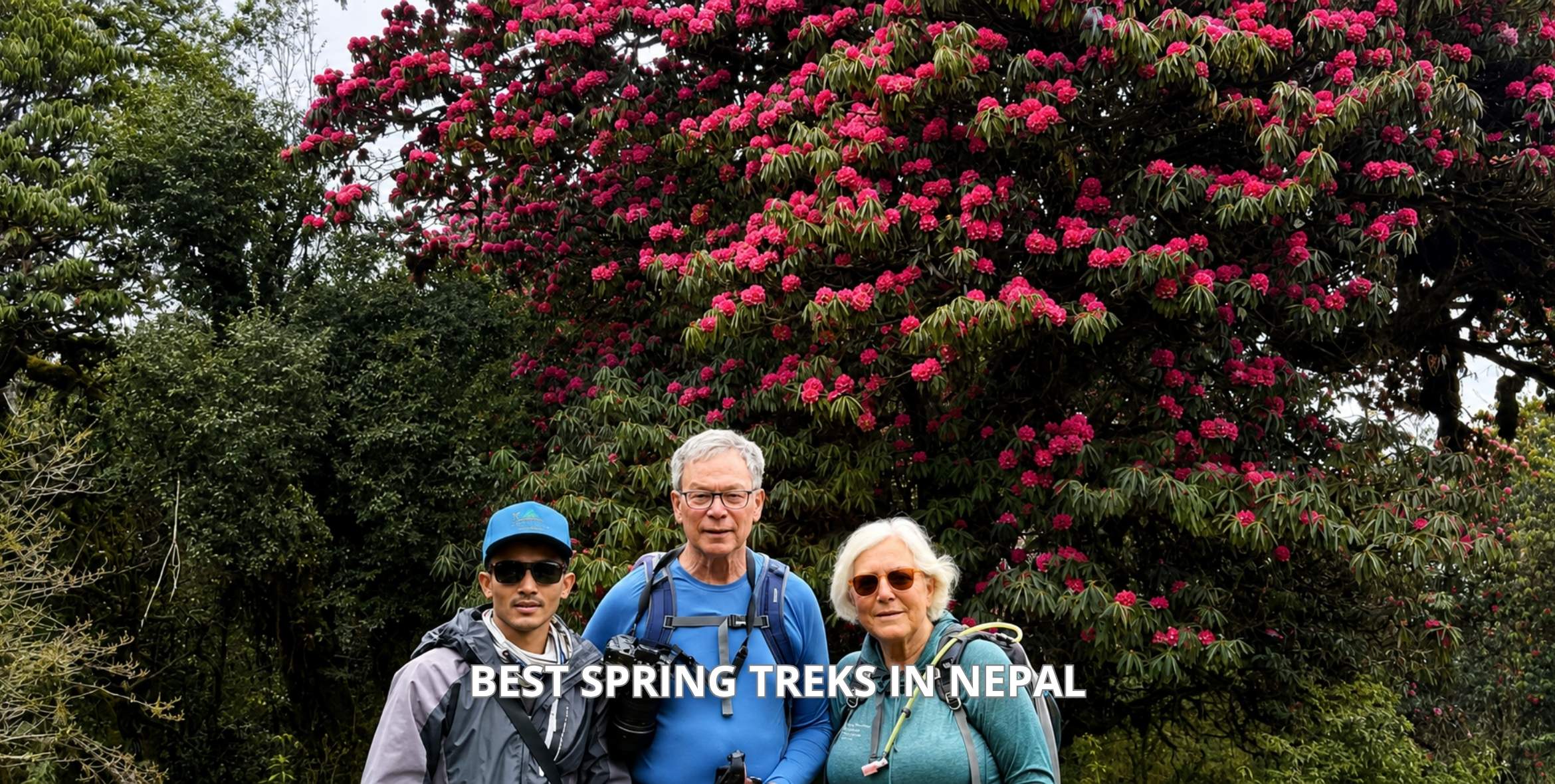
If you’re fond of trekking, you must have found out that spring is the best trekking season in Nepal. But ever wondered why it is called the best season? Because spring isn’t just a season; it’s a time when mountain regions show off their beauty. From March to May, the prime spring season brings pleasant weather, clear skies, blooming rhododendrons, and stunning mountain views. Spring also lets trekkers enjoy forests, flowers, and local villages along the route you choose.
However, trekking in spring doesn’t entirely mean you’ll be safe; it depends on your chosen destination. Different treks in Nepal provide different spring experiences. So, which are the best spring treks in Nepal? We have picked some of the ideal treks to enjoy Nepal in spring, including:
Below, you will learn in detail about why spring is called the best season, the weather conditions that make the trek favorable, how to choose the best spring trek, and how it differs from other peak seasons.
Island Peak Climbing | 18 Days Itinerary At $2,195
4.8 (9 Reviews)
6,189m
The journey of a thousand miles starts with one step, and the journey to conquering bigger mountains begins with smaller ones, such as Island Peak (Imja Tse). Located in the Everest Region, near Everest, Island Peak (6,189 m) serves as the introduction to mountaineering. Many turn towards this peak before conquering the other peaks, such as Lhotse and Everest. However, that doesn’t always have to be the case. Even if you are not seeking to climb higher mountains, you can still reach the summit of Island Peak for the thrill, for adventure, and a sense of accomplishment.
Climbing Island Peak is not just about reaching the summit, tho. There is a lot of preparation and planning. There are permits you have to obtain. There is a packing list you have to manage. And, there are climbing techniques you have to learn. You also have to properly acclimate before heading for the climb. Our itinerary includes reaching Everest Base Camp (5,364 m) and Kala Patthar (5,555 m) before attempting to summit the peak. There is risk involved, so is the reward. Read on to learn about both, along with the itinerary and costs.
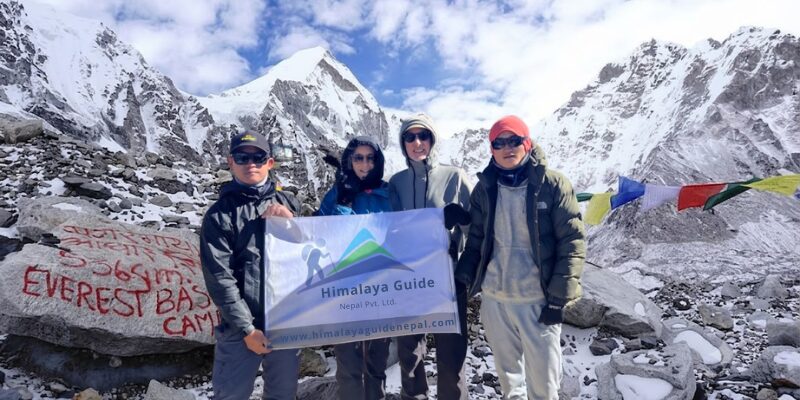
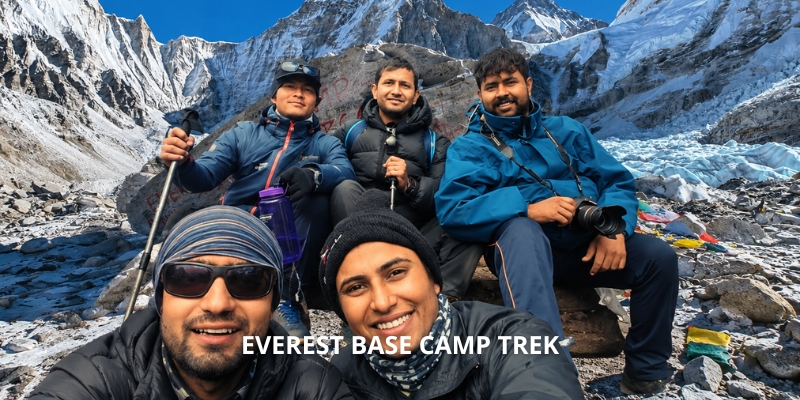
The Everest Base Camp trek is one of the most popular treks in Nepal. The trek is more frequently visited than other popular treks, such as the Annapurna Base Camp Trek or the Langtang Valley Trek, which are also well-known among trekkers worldwide. The trek is on the bucket list for many trekkers to reach the base of the world’s highest peak, Mount Everest. Everest Base Camp trek begins with a Kathmandu to Lukla flight & provides a challenging Himalayan & Sherpa village experience costing you $955. The paths twist and turn through beautiful Sherpa villages, high rhododendron forests, and alongside the Dudh Koshi River, offering glimpses of the local culture and the strong presence of the local people.
As the altitude gradually increases from Lukla, you will pass through Namche, Tengboche, and Dingboche. During this trek, trekkers need to acclimatize to the conditions of the Khumbu region. During these treks, trekkers will enjoy stunning views of mountains such as Everest, Ama Dablam, Nuptse, Lhotse, and Cho Oyu. The final section of your walk takes you to Gorak Shep, the last place before you reach Everest Base Camp, at an altitude of 5,364 meters. From Gorak Shep, you will walk to the highest point of the trek, at 5,644 metres, Kala Patthar. This is a rewarding trek, one that provides an immense sense of accomplishment and offers wonderful views of Mount Everest and the Khumbu Icefall up close, which will stay with you forever.
Everest Base Camp Trek Cost [Updated Cost]
The Everest Base Camp Trek costs $1,1275 per two person for a standard group booking. This per-person rate decreases as group size increases, dropping to around $955 per person for groups of 10 or more, since fixed costs like guide and porter wages get shared across more trekkers.
Category
Description
Estimated Cost (USD)
Factors Influencing Cost
Permits
Fees are required to trek in the Everest region.
$50 – $60
Sagarmatha National Park Entry Permit: Approx. $30 (can vary slightly).
Khumbu Pasang Lhamu Rural Municipality Permit: Approx. $20 (can be obtained en route).
Previously, a TIMS card was required, but for the Everest region, the local permit often suffices.
Transportation
Costs to reach the trek starting point (usually Lukla) and return to Kathmandu.
$360 – $460
Flights to/from Lukla: Round-trip airfare is the most common option. Prices can vary based on the season and booking time. One-way flights are around $180 – $230.
Alternative Land Transportation: Options like jeeps or buses to Jiri or Salleri are cheaper but add several days to the trek.
Accommodation
Cost of staying in tea houses/lodges along the trekking route and hotels in Kathmandu.
$150 – $500+
Kathmandu Hotel: Prices range from budget-friendly ($10-$30/night) to mid-range ($30-$80/night) and luxury options ($100+/night). Most trek packages include 2 nights.
Tea Houses/Lodges on Trek: $5-$10 per night at lower altitudes, increasing to $15-$30+ at higher altitudes for basic rooms. Luxury lodges are available in some areas at significantly higher costs ($100+ per night).
Food & Drinks
Expenses for meals (breakfast, lunch, dinner) and beverages during the trek.
$250 – $500+
Meals on Trek: $20-$45 per day, depending on altitude and food choices. Prices increase at higher altitudes due to transportation costs.
Drinks: Bottled water ($1-$5 per liter), tea/coffee ($1-$5 per cup), and other beverages add to the cost. Water purification tablets or filters are a cost-effective alternative.
Guides
Fees for hiring a licensed trekking guide.
$500 – $1000+
Guide: $30-$50+ per day. Experienced, English-speaking guides cost more. Hiring a guide is now mandatory for most trekking routes in Nepal, including the Everest Base Camp (EBC) route, effective since April 2023.
Rental: Gear like sleeping bags, down jackets, and trekking poles can be rented in Kathmandu for $1-$2 per item per day.
Purchase: Buying high-quality gear is a significant upfront investment.
Visa
Nepal entry visa fees.
$30 – $125
15-day visa: $30 • 30-day visa: $50
90-day visa: $125 Visas are usually obtained upon arrival at Tribhuwan International Airport in Kathmandu.
Travel Insurance
Mandatory insurance that covers medical emergencies, high-altitude sickness, and emergency evacuation (including helicopter rescue).
$100 – $300+
Cost depends on the duration of the trek and the coverage provided by the insurance policy. Ensure it specifically covers trekking at altitudes up to 6,000 meters.
Miscellaneous
Personal expenses such as hot showers, Wi-Fi, charging electronic devices, snacks, souvenirs, and tips for guides and porters.
$100 – $300+
Hot Showers: $2-$5 per shower (availability varies by altitude).
Wi-Fi/Charging: $1-$5 per hour.
Tips: It is Customary to tip guides and porters (around 10-15% of their daily wage per day is a general guideline).
Snacks & Drinks: Energy bars, chocolates, etc., can be expensive at higher altitudes.
The Manaslu Circuit with Serang Gompa Trek is a 15-day journey through the restricted trails of the Gorkha District and stands as a quieter alternative to Nepal’s commercial Himalayan routes. The route encircles Mount Manaslu (8,163 M), the world’s eighth-highest peak, and passes through a wide range of landscapes. At lower elevations, dense subtropical forests and waterfalls line the Budhi Gandaki River, while alpine terrain and glacial moraines dominate the approach to Larkya La Pass (5,160 M). The trail crosses Gurung and Tibetan-origin villages where architecture, customs, and daily life reflect long-preserved Himalayan traditions.
This itinerary gains its distinct character through its spiritual extension into Kyimolung Beyul, known as the “Hidden Valley of Happiness,” with a visit to the sacred Serang Gompa at 3,100 M. Blessed by Guru Rinpoche, the 500-year-old monastery remains an active center of Tibetan Buddhist practice in the Nubri region. The journey includes an overnight stay at the monastery, where trekkers observe rituals, practice meditation, and experience monastic life. This extension adds cultural depth and spiritual meaning to a demanding high-altitude trek.
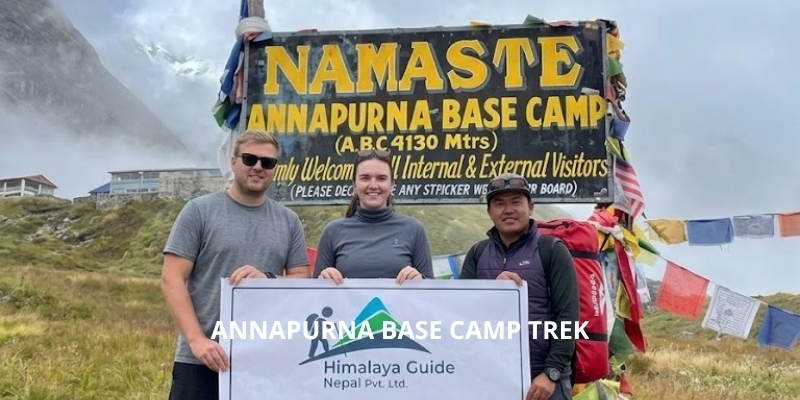
Annapurna I (8,091 meters) is the first ascended mountain in Nepal, and it is also the tenth highest mountain in the world. Annapurna Base Camp Trek is the journey that takes you to the foot of this very mountain. It lies in the Annapurna Region and is one of the most popular trekking destinations in the world. Since the Everest Base Camp Trek is difficult, many people opt for the ABC trek. What makes this trek unique is that you will experience the natural amphitheater located in the mountains.
Starting from Nayapul, the trek goes through multiple Gurung and Magar villages, adding a cultural angle to the trek. You will closely observe the local culture as you experience their hospitality. Besides, since this trek lies inside the Annapurna Conservation Area, you will get to witness a variety of birds and rhododendrons. It is a moderate trek, but it can also become challenging if you are not properly prepared. That said, it is one such trek that seamlessly blends culture, nature, and adventure, a feat that few treks can offer.
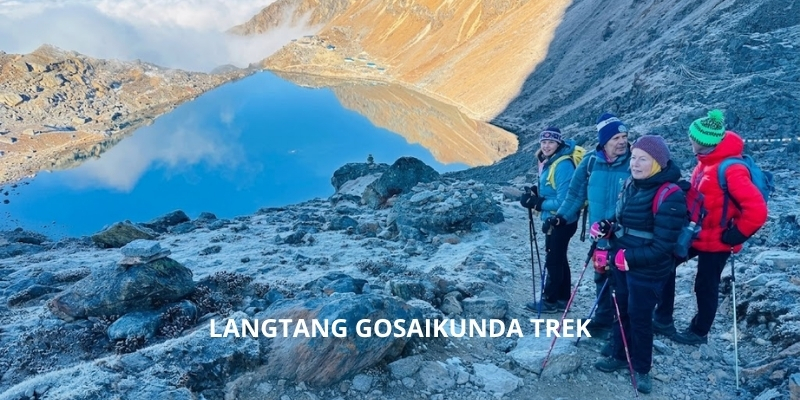
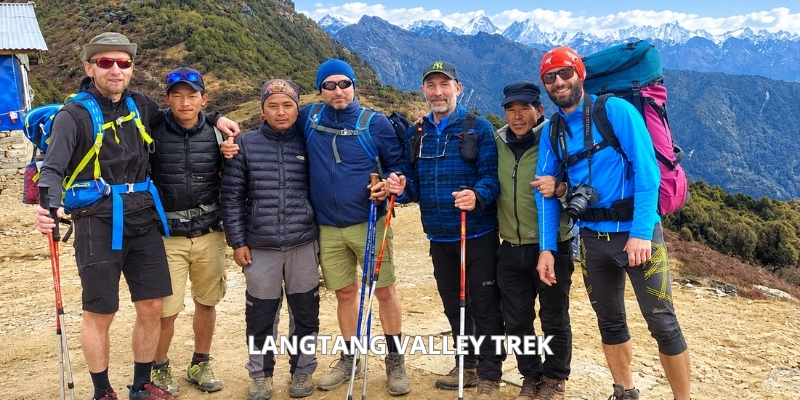
Langtang and Gosaikunda (also written as Gosainkunda) are two of the nearest places from Kathmandu for trekking. These two places are located within Langtang National Park, part of the Langtang region. Langtang Gosaikunda Trek is known for its Himalayan adventure despite being closest to the capital city of Nepal. Langtang Gosainkunda Trek covers a distance of 150 km, with 6 to 8 hrs walk each day, and offers a 14-day moderate to challenging trek itinerary.This trek takes you into Nepal’s less crowded mountain region. The journey begins from the village of Syabrubesi and takes you through the Tamang villages and lush forests.
The first half of the trek takes you to the “Valley of Glaciers,” Langtang Valley. Nepal’s one of the longest glaciers, Langtang Glacier, lies in this valley along with multiple other glaciers. During this trek, you will reach Kyanjin Ri (4,773 meters) or Tsergo Ri (5,033 meters). The second half of the trek covers the regions of Gosaikunda Lake. It takes you to the sacred lakes of Gosaikunda, which are popular among both Hindus and Buddhists. Leaving behind Langtang National Park, you will enter the Shivapuri National Park before the trek finishes.
Overall, you will experience the Himalayan trekking experience without going to the Everest or Annapurna Region. But you have to be fully prepared for the trek. You must know about the itinerary, permits, costs, food, accommodations, weather, and other factors. These are important to ensure safe trekking. This article is a comprehensive guide on the Langtang Gosaikunda Trek. Read along to add depth to your preparation.
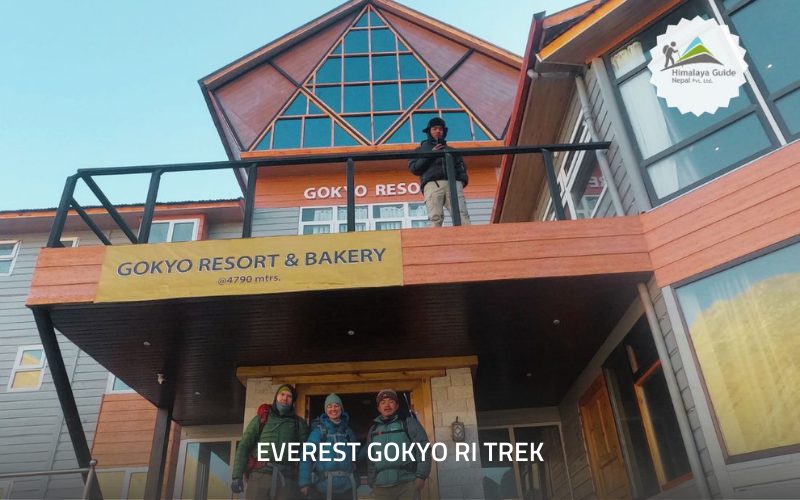
The Everest Gokyo Ri trek also known as Everest Gokyo Lake Trek, offers a chance to take a less-traveled path and enjoy a view of Mt. Everest from Gokyo Ri (5,360 m) rather than from Kalapathar. Rather than the crowded and commercial lodges of the EBC Trail, you can travel the quieter trail. Instead of exploring the same classical route that everyone takes, you can explore the other aspects of the Everest region without compromising the Himalayan trekking experience. Ascending the Gokyo Ri, you will witness four of the eight highest mountains in Nepal.
What sets the Everest Gokyo Lake Trek apart is not just its scenery but also serenity. You will cross the Ngozumpa Glacier, the longest glacier of Nepal. In this trek, you will explore the Gokyo Lake system. You will at least visit 5 of the Gokyo Lakes. While it can be physically demanding, the rewards are also greater. It is perfectly suitable for you if you want to connect with nature, without facing the difficulties of the Everest Three Passes Trek, and also want to avoid the noise of the EBC trail. Besides, in this trek, you will cross Renjo La Pass (5,360 m), one of the three high passes. So, it is the perfect trek for those seeking both adventure and self-contemplation.
View Trip Detail
Why Spring Is One of Nepal’s Best Trekking Seasons
You may find everywhere that spring is one of Nepal’s best trekking seasons because of the colorful rhododendron flowers and clear skies, which is absolutely true. But spring has many other qualities that make it Nepal’s best trekking season.
It’s the Only Season Where the Mountains and Villagers are Both “On”
Spring arrives after a less-traveled season and the coldest time. As a result, many teahouses in higher areas reopen in spring. Likewise, the snow-covered mountain peaks also start to melt. So, the season lets you see village life restart after harsh conditions and the mountains change their features, giving you something unique that other seasons rarely offer.
Snowmelt Makes the Rivers Into the Main Attraction
In spring, snow from the mountains starts to melt after the harsh winter season. The melting snow flows directly into rivers and streams, making them look bigger and louder with faster flow. You can hear the sound of flowing water as you walk along the trek route, which adds to the overall excitement.
Wildlife Gets Active
In spring, wildlife wakes up as the weather turns warm. Animals wake up from their winter sleep, and birds fly back home. Thus, you may have a chance to see birds such as Danphe, Nepal’s national bird, Himalayan tahr, and langur monkeys while walking through the conservation areas. Also, spring brings more warmth and daylight, which strongly affects animal behavior.
See Farming During Farming Season
Spring is one of the most important times for farming in Nepal’s hill villages. You may see farmers planting crops, buffaloes plowing fields, and families working on their farms. This lets you witness how local people live and work in the Himalayas.
Comfortable Weather for Trekking
In spring, the weather shifts from cold winter to warm spring. Still, nights can be cold, but daytime temperatures are pleasant for walking. You don’t have to deal with the extreme cold of winter or the heavy rain of the monsoon season.
Scenic Landscape
On top of everything, spring is the time when nature wakes up. Days start to get longer, trees grow new leaves, and colorful flowers bloom. Rhododendron, the national flower of Nepal, makes trekking special in the season with different colors, including red, pink, and white, all along the route. For photographers and nature lovers, the season is especially worthwhile. The routes of Annapurna Base Camp, Ghorepani Poon Hill, and Langtang Valley’s lower areas are known for their beautiful rhododendron forests.
What Is the Weather Like In Spring For Treks In Nepal
Although spring comes in March and is best for trekking, the weather isn’t the same everywhere. Altitude and location make a big difference in what kind of weather you’ll experience. Lower areas can be warm and pleasant, while high mountain areas can still have freezing nights. Still, spring has more stable weather than winter and monsoon season, although the temperature can change as you gain altitude.
Also, knowing the weather at your trekking destination helps you pack the right gear, plan your journey, and prepare for changing temperatures. Here is what spring weather is like in Nepal’s major trekking regions:
Factors
Spring (March to May)
Autumn (September to November)
Mountain Visibility
Good but occasional afternoon haze
Excellent with clearest mountain view of the year
Landscape
Rhododendron blooms, greenery, flowering forests
Post monsoon greenery changing into golden harvest color
Crowd Level
High, but slightly less than autumn
Highest of the year, so accommodation and pathways are busy
Temperature
Moderate with rising temperatures
Cold and stable with comfortable range
Route Conditions
Dry but some section in early spring may have leftover snow at high altitude
Dry, stable, and fresh due to earlier monsoon
River/waterfall conditions
Heavy due to melting snow
More heavy as the season follows the summer monsoon rains
Cultural Timing
Overlaps with Nepali New Year
Overlaps with Dashain and Tihar, Nepal’s biggest festivals
Requirement of Booking
Booking 1-2 months before the trek is enough
Booking 3-4 months before trek is advisable, especially for popular trek routes
Best For
Witnessing rhododendron bloom, photography, and river/waterfall lovers
First time trekkers seeking safe trek condition with amazing mountain views
How to Choose The Right Spring Trek For You
With countless trekking destinations, Nepal offers places for everyone, regardless of age, trekking experience, budget, or the kind of experience you want. With many trekking destinations in the country, it must be difficult to find the right spring trek for you, so here are some simple ways to choose the best one:
Know Your Fitness and Trekking Experience
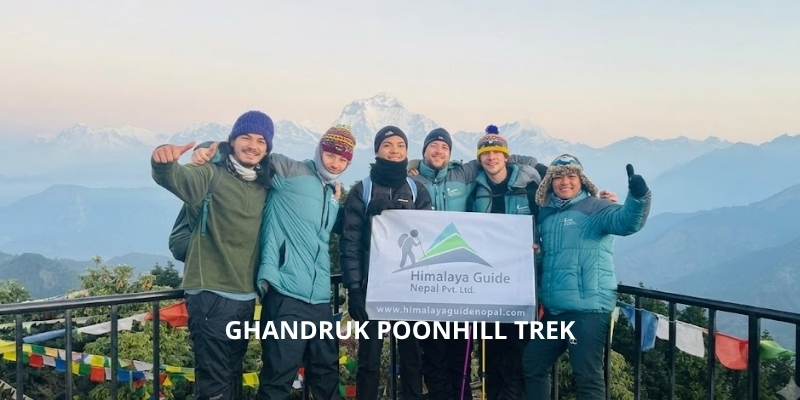
Different treks in Nepal require different fitness levels. If you’re new to trekking, start with short and low-altitude treks like Ghandruk Poon Hill. If you have been hiking and trekking and now feel ready for a bigger challenge, you can choose the Everest Base Camp or Manaslu Circuit trek.
Decide How Much Time You Can Spend
Some spring treks can be completed in less than a week, while others can take two weeks or more. Choose a trek that fits your schedule, and leave a few extra days for unexpected travel delays. Short treks include Poon Hill, Mardi Himal, and Langtang Trek. If you have about 1-2 weeks, choose the Annapurna or Everest Base Camp Trek. If you have more than 2 weeks, Manaslu Circuit, Upper Mustang, and Kanchenjunga Trek can be your best choice.
Altitude Tolerance
Trekking takes you to higher altitudes, which carries the risk of altitude sickness. The issue can affect anyone, regardless of fitness level. If you have never trekked above 3,000 m, choose a route that gains elevation slowly so you can adjust to the changing atmosphere, or one that stays at a lower elevation.
What You Want to See
Spring offers something different on each route. So, choose the trek that matches what you want to see.
If you want to see rhododendron flowers, choose the Annapurna region.
If you want views of Mount Everest and Sherpa communities, choose an Everest region trek.
For a quiet route and remote landscape with fresh nature, choose the Manaslu or Kanchenjunga trek.
To experience a dry, desert-like landscape with pleasant weather, choose the Upper Mustang trek.
Spring trek costs are non-negotiable because demand is high during this peak season. So, set your budget before you start the trek. While short treks are budget-friendly, longer and remote trekking can be more expensive. Likewise, Upper Mustang, Manaslu, and other restricted-area treks can be more costly than others because they require special permits and mandatory guide hiring.
Quick Decision Guide
If You Want
Consider
A short and easy walk
Ghorepani Poon Hill
Beautiful mountain views with moderate difficulty
Annapurna Base Camp
A famous bucket-list adventure
Everest Base Camp
Remote route and raw scenery
Manaslu or Kanchenjunga Circuit
Desert landscapes with less chance of rainfall
Upper Mustang
A short yet beautiful trek near Kathmandu
Langtang Valley
Spring Trek Vs Autumn Trek In Nepal
Both spring and autumn are peak trekking seasons in Nepal, as they both come with the finest trekking conditions, and.you won’t regret choosing either. But if you ask others which season is best, you’ll get different answers, not the same. The best season depends on what you prioritize and what matters most to you.
Factors
Spring (March to May)
Autumn (September to November)
Mountain Visibility
Good but occasional afternoon haze
Excellent with clearest mountain view of the year
Landscape
Rhododendron blooms, greenery, flowering forests
Post monsoon greenery changing into golden harvest color
Crowd Level
High, but slightly less than autumn
Highest of the year, so accommodation and pathways are busy
Temperature
Moderate with rising temperatures
Cold and stable with comfortable range
Route Conditions
Dry but some section in early spring may have leftover snow at high altitude
Dry, stable, and fresh due to earlier monsoon
River/waterfall conditions
Heavy due to melting snow
More heavy as the season follows the summer monsoon rains
Cultural Timing
Overlaps with Nepali New Year
Overlaps with Dashain and Tihar, Nepal’s biggest festivals
Requirement of Booking
Booking 1-2 months before the trek is enough
Booking 3-4 months before trek is advisable, especially for popular trek routes
Best For
Witnessing rhododendron bloom, photography, and river/waterfall lovers
First time trekkers seeking safe trek condition with amazing mountain views
This site uses cookies to optimize your user experience. By using this site, you are consenting to our use of these cookies. Check out our Privacy Policy.
Chat with our travel expert
Please fill out the form below to initiate a chat on WhatsApp and resolve your queries quickly.