

For many trekkers, reaching Everest Base Camp has always been their ultimate goal. Let me tell you, just reaching there doesn’t have to be the end of your Himalayan journey. You can continue further west from the Everest Base Camp to Gokyo Ri by crossing the high Cho La Pass (5,420 m), either as an extension or as part of the Everest Three Passes Trek. This trek takes you deep into the valley where the tranquil Gokyo Lakes (a cluster of six serene glacial lakes) and Gokyo Ri (5,357 m) are located.



Thus, this section offers a unique blend of adventure and serenity, unlike any other Everest trek route. More importantly, you can trek with the same permits as the classic EBC trek: Sagarmatha National Park Entry Permit and Khumbu Pasang Lhamu Rural Municipality Permit. At the end of the trek, you’ll have completed a near-circuit if you trek to Gokyo Ri and trek back to Lobuche, or a full circuit if you do the Everest three passes. In either case, you’ll have seen the entire Everest region with different perspectives of Everest and the surrounding peaks like Lhotse, Makalu, and Cho Oyu.
Highlights of the trek from EBC to Gokyo Ri
- Visit both the iconic Everest Base Camp, Kala Patthar, and Gokyo Ri (5,357m), three of the most renowned viewpoints in Nepal.
- Cross the high and dramatic Cho La Pass (5,420 m) linking the Khumbu and Gokyo valleys.
- Enjoy the close-up views of Everest, Lhotse, Makalu, and Cho Oyu from the summit of Gokyo Ri and Kala Patthar.
- Witness the shimmering Gokyo Lakes, the world’s highest freshwater lake system.
- Experience the changing landscape as you move from the icy Khumbu Glacier to the calm alpine beauty of Gokyo.
- Enjoy quieter trails far away from Everest Base Camp, perfect for photography, personal moments, and peaceful adventure.
Trekking Route from EBC to Gokyo Ri: Stage-by-Stage Breakdown

From Everest Base Camp to Gokyo Ri, you follow the same route as the Everest Three Passes Trek. The trek starts as you descend to Lobuche after the excursion to EBC. From there, it takes about 4-5 days to get to the Gokyo Ri summit.
Benoit Gagnon Carpentier

Canada

Julia Parker

United Kingdom
Amanda and Lucy Roberts

New Zealand
Everest Base Camp to Lobuche
After visiting Everest Base Camp, the trail retraces back with a steady descent along the Khumbu Glacier. The terrain is rocky but manageable. Even though the air is thin, you will feel more at ease walking downhill towards Lobuche. So, as you walk this part of the trek, you get enough time to reflect on the emotions felt after reaching base camp while setting up for the challenges ahead.
Lobuche to Dzonglha
From Lobuche, you leave the main Everest Base Camp route and head toward the quieter, more remote path to Dzonglha. You trek along ridgelines and valleys, so you’ll get sweeping views of Ama Dablam and Cholatse along the way. The altitude remains high, but the walk is not overly demanding. Dzonglha serves as a peaceful stop before the upcoming Cho La Pass challenge.
Dzonglha to Dragnag via Cho La Pass

This is the toughest and most challenging trekking stage. You begin early to tackle the steep and icy climb up to Cho La Pass. The ascent demands focus, especially if the pass day is snowy or windy. On top of the Cho La, you are rewarded with the beautiful scenery of the Gokyo Valley.
You’ll see the widely stretched Ngozumpa Glacier and the stunning views of the Gokyo Lakes, along with prominent views of Cholatse and Ama Dablam, and distant views of Mount Everest, Lhotse, and Makalu. After that, you walk into the Dudh Koshi Valley and follow the trail that has a long, steady descent. Then, eventually, you arrive at the small, peaceful settlement of Dragnag.
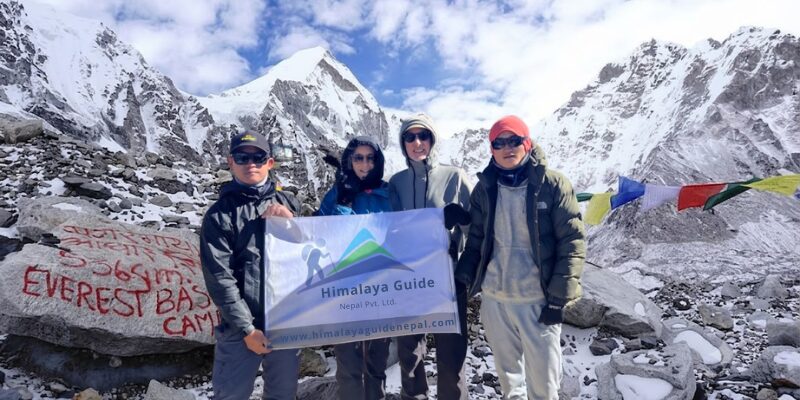
The Everest Base Camp trek is one of the most popular treks in Nepal. The trek is more frequently visited than other popular treks, such as the Annapurna Base Camp Trek or the Langtang Valley Trek, which are also well-known among trekkers worldwide. The trek is on the bucket list for many trekkers to reach the base of the world’s highest peak, Mount Everest. Everest Base Camp trek begins with a Kathmandu to Lukla flight & provides a challenging Himalayan & Sherpa village experience costing you $955. The paths twist and turn through beautiful Sherpa villages, high rhododendron forests, and alongside the Dudh Koshi River, offering glimpses of the local culture and the strong presence of the local people.

As the altitude gradually increases from Lukla, you will pass through Namche, Tengboche, and Dingboche. During this trek, trekkers need to acclimatize to the conditions of the Khumbu region. During these treks, trekkers will enjoy stunning views of mountains such as Everest, Ama Dablam, Nuptse, Lhotse, and Cho Oyu. The final section of your walk takes you to Gorak Shep, the last place before you reach Everest Base Camp, at an altitude of 5,364 meters. From Gorak Shep, you will walk to the highest point of the trek, at 5,644 metres, Kala Patthar. This is a rewarding trek, one that provides an immense sense of accomplishment and offers wonderful views of Mount Everest and the Khumbu Icefall up close, which will stay with you forever.
Everest Base Camp Trek CostThe Everest Base Camp Trek cost ranges from USD 1,055 to USD 1,510 per person for a standard package. The cost of the trek to EBC varies based on various factors like group size, trek duration, accommodation, transportation, services included, and customization of the trip. Also, the standard trek package covers most of the expenses required for the trek, including meals and accommodation, permits, guide service, domestic flight ticket, overland transportation, and necessary government taxes.
Everest Base Camp Trek Cost Breakdown:
| Category | Description | Estimated Cost (USD) | Factors Influencing Cost |
|---|---|---|---|
| Permits | Fees are required to trek in the Everest region. | $50 – $60 |
|
| Transportation | Costs to reach the trek starting point (usually Lukla) and return to Kathmandu. | $360 – $460 |
|
| Accommodation | Cost of staying in tea houses/lodges along the trekking route and hotels in Kathmandu. | $150 – $500+ |
|
| Food & Drinks | Expenses for meals (breakfast, lunch, dinner) and beverages during the trek. | $250 – $500+ |
|
| Guides | Fees for hiring a licensed trekking guide. | $500 – $1000+ |
|
| Trekking Gear | Costs for essential trekking equipment. | $100 – $500+ (if renting) / $300 – $2000+ (if buying) |
|
| Visa | Nepal entry visa fees. | $30 – $125 |
|
| Travel Insurance | Mandatory insurance that covers medical emergencies, high-altitude sickness, and emergency evacuation (including helicopter rescue). | $100 – $300+ | Cost depends on the duration of the trek and the coverage provided by the insurance policy. Ensure it specifically covers trekking at altitudes up to 6,000 meters. |
| Miscellaneous | Personal expenses such as hot showers, Wi-Fi, charging electronic devices, snacks, souvenirs, and tips for guides and porters. | $100 – $300+ |
|
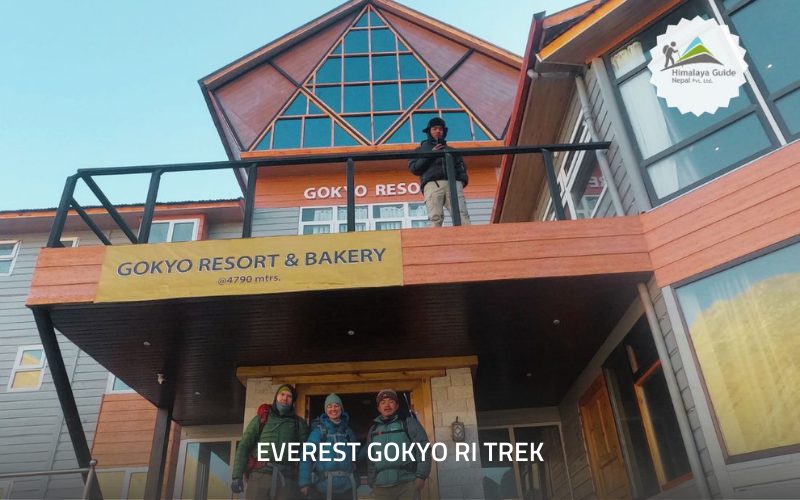
Dragnag to Gokyo
You begin the day by descending further into the Dudh Koshi valley, where you cross the Ngozumpa Glacier (a shifting landscape of moraine, ice, and rock). It’s a short walk, but you need to be careful. By the end of today’s trek, you arrive at the jewel of the valley, Gokyo Village, sitting beside a chain of turquoise lakes. The tea houses have fewer crowds, creating a peaceful atmosphere in this village. The nearby crystal-clear water makes it even more serene.
Gokyo to Gokyo Ri, then return to Gokyo
The final climb of this journey is a steep morning ascent up Gokyo Ri for sunrise views of Everest, Lhotse, Makalu, and Cho Oyu. Down below, you’ll see a bird’s-eye view of the shimmering Gokyo Lakes and the entire valley. It’s one of the most mesmerizing views in Nepal, a perfect ending to your quiet and rugged Everest Base Camp and Gokyo Ri trek. Then, after enjoying the views and taking your time at the summit, you descend back to Gokyo Village.
Day-to-day Itinerary Breakdown from EBC to Gokyo Ri
| Stage | From and To | Altitude Gain / Loss | Distance | Duration |
|---|---|---|---|---|
| 1 | From Everest Base Camp (5,364 m) to Lobuche (4,910 m) | ↓454 m | ~8 km | 3–4 hours |
| 2 | From Lobuche (4,910 m to Dzonglha (4,830 m) | ↓80 m | ~6 km | 3–4 hours |
| 3 | From Dzonglha (4,830 m) to Dragnag (4,700 m) via Cho La Pass (5,420 m) | ↑538 m, ↓668 m | ~11 km | 7–8 hours |
| 4 | From Dragnag (4,700 m) to Gokyo (4,790 m) | ↑90 m | ~3 km | 2–3 hours |
| 5 | From Gokyo (4,790 m) to Gokyo Ri (5,357 m) and return | ↑567 m, ↓567 m | ~4 km (round trip) | 3–4 hours |
The table above shows that you walk over a total distance of around 32 km from Everest Base Camp to Gokyo Ri over five trekking days. The toughest section is the Cho La Pass crossing, but it rewards you with surreal views and provides a direct route into the Gokyo Valley.
Which Route Is Better: Everest Base Camp First or Gokyo Ri First?

The better route depends on your preferences, fitness level, and how well you acclimatize to high altitude. That said, starting from Everest Base Camp first might be a better option if you’re new to trekking. And if you prefer quieter trails and already have high-altitude trekking experience, starting from Gokyo can be equally memorable.
At Himalaya Guide Nepal, the Everest Three Passes trek route follows the main Everest Base Camp Trek route till Lobuche. Between this section, you get two acclimatization days, one at Namche Bazaar and the other at Dingboche. Furthermore, you visit the Everest Base Camp (5,364 m) and hike to the highest viewpoint in the Everest region, Kala Patthar (5,555m). Thus, you get enough time to acclimate your body to the increasing altitude before crossing the very technical Cho La Pass (5,420 m).
We also offer trek packages that take you to climb Gokyo Ri (5,357 m) first. This option lets you trek in a peaceful environment and witness the turquoise Gokyo Lakes at the start of your trek. The morning views are also clearer on this side. The section of the trek to the Everest Base Camp and Kala Patthar comes later, towards the end of the trek. There will be one acclimatization day at Gokyo, so you will get to acclimatize to pass the challenging Cho La Pass day properly.
You can check out our Cho La Pass trek and Everest Gokyo Ri trek for more details about the Gokyo Ri first trek itineraries.
Practical Advice for Trekkers
- Trek between March and May or October and November for the best views and safe crossing.
- Acclimatize properly before attempting this route, preferably at Dingboche or Everest Base Camp.
- Start early in the morning for the ascent of Gokyo Ri, Kala Patthar, and Cho La Pass to avoid bad weather and winds.
- Carry crampons or microspikes for icy sections, and use trekking poles for balance on uneven terrain.
- Dress in layers and pack warm gear, as temperatures above 5,000 m can change quickly.
- Hydrate well and move steadily to avoid altitude sickness. Don’t rush the ascent.
- Check weather and trail conditions before crossing the pass. If snow or strong winds are expected, wait for the conditions to improve.
- Expect simpler tea houses and facilities in higher altitude villages like Lobuche, Gorakshep, Dzonglha, Dragnag, and Gokyo.
Conclusion
In short, the trek from Everest Base Camp to Gokyo Ri is an incredible journey in Nepal’s two most iconic trekking destinations. It lets you trek in one of the best landscapes in the Himalayas, while others end their adventure at Everest Base Camp. Crossing the Cho La Pass may be challenging, but it takes you deeper into the remote parts of the Khumbu region that only a few trekkers know about. Not only do you get the unique views from the trek to Kala Patthar, but from Gokyo Ri too. Additionally, experiencing the authentic Sherpa culture adds more charm to the trek that remains far from the crowds.
Now, if you’re ready for the Everest Base Camp with Gokyo Ri trek, feel free to contact us. We’d be glad to help you plan a beautiful adventure that will create lasting memories.

