

Trekking in Nepal isn’t just about where you go; it’s about how you experience the journey. Here, you can enjoy two distinct trekking styles: Tea House Treks and Camping Treks. Each of them offers surreal Himalayan views; however, the experience, comfort, and level of challenge differ entirely.
As of now, most trekking regions in Nepal have teahouses. Hence, teahouse trekking has become the heart of trekking culture in Nepal. During these treks, you walk through trails lined with cozy, family-run lodges, known as tea houses. There, the hosts provide you with home-cooked meals, warm beds, and welcoming local hospitality. So, there’s a balance between adventure, comfort, and cultural interaction during tea house treks.
Meanwhile, camping treks are now reserved for specific, remote routes. You sleep in tents under the vast skies and eat meals prepared by the crew every night. Thus, the wilderness becomes home. It is surely rewarding and provides you with raw adventure, but they are fewer in number as they need more planning, budget, and effort. Therefore, camping treks are best for those who crave solitude and true off-grid exploration.
Now, let’s delve in deeper to help you choose the perfect trekking journey.
Top Differences Between Tea House Trek and Camping Trek

While both tea house and camping treks reveal the raw beauty of the mountains, they offer very different opportunities to enjoy nature. And choosing between them not only affects your comfort level but also how you connect with people, nature, and the rhythm of each day. So, let’s check out the differences between them:
| Feature | Tea House Trek | Camping Trek |
|---|---|---|
| Accommodation | Lodges or guesthouses with beds, blankets, and basic facilities | Tents set up by the crew, often in remote or high-altitude areas |
| Meals | Hot meals with local flavors at lodges (sometimes customizable) | Cooked by the crew using supplies like rice, noodles, and canned food |
| Crew | Guide and porter; lodges handle meals and rooms | Full support team: guide, cook, porters, assistants |
| Cost | $35–$60 per day; more affordable and easier to plan | $90–$150 per day; higher due to staff, gear, and logistics |
| Comfort & Planning | Moderate comfort, structured itinerary, easy logistics | Less comfort, requires more preparation |
| Cultural Interaction | Frequent. Meet locals, stay in villages, experience local life | Limited. Remote areas, fewer settlements, or daily interactions |
| Safety & Reliability | Safer: marked trails, shelters, and easier access to help | Riskier: remote routes, weather exposure, relies on experienced crew |
| Environmental Impact | Supports the local economy; however, high-traffic routes can cause congestion and waste buildup | Lower impact in off-grid regions due to eco-camps, needs strict waste/fuel control |
| Permit Requirements | Basic permits (e.g., TIMS, National Park) | Often requires special permits (e.g., restricted zones) and agency registration. |
| Fitness & Experience Needed | Moderate fitness; beginner-friendly | Higher fitness and mental endurance required; suitable for experienced trekkers. |
| Seasonal Accessibility | Accessible most of the year, depending on the region | Best during dry seasons; some routes close in winter or monsoon |
| Group Size Efficiency | Flexible: solo, small groups, or guided tours | More practical in groups due to shared logistics and cost |
| Trek Style Flexibility | Fixed lodge-based experience | Hybrid possible: tea houses when available, camping in remote zones |
Note: The cost may vary hugely by region, season, group size, included services, and altitude.
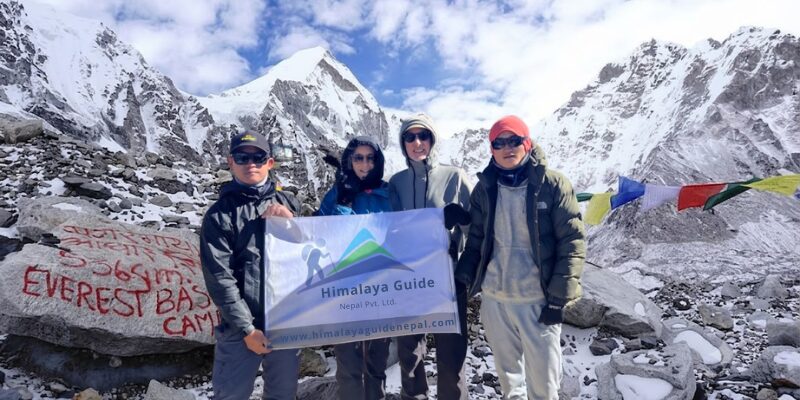
The Everest Base Camp trek is one of the most popular treks in Nepal. The trek is more frequently visited than other popular treks, such as the Annapurna Base Camp Trek or the Langtang Valley Trek, which are also well-known among trekkers worldwide. The trek is on the bucket list for many trekkers to reach the base of the world’s highest peak, Mount Everest. Everest Base Camp trek begins with a Kathmandu to Lukla flight & provides a challenging Himalayan & Sherpa village experience costing you $955. The paths twist and turn through beautiful Sherpa villages, high rhododendron forests, and alongside the Dudh Koshi River, offering glimpses of the local culture and the strong presence of the local people.

As the altitude gradually increases from Lukla, you will pass through Namche, Tengboche, and Dingboche. During this trek, trekkers need to acclimatize to the conditions of the Khumbu region. During these treks, trekkers will enjoy stunning views of mountains such as Everest, Ama Dablam, Nuptse, Lhotse, and Cho Oyu. The final section of your walk takes you to Gorak Shep, the last place before you reach Everest Base Camp, at an altitude of 5,364 meters. From Gorak Shep, you will walk to the highest point of the trek, at 5,644 metres, Kala Patthar. This is a rewarding trek, one that provides an immense sense of accomplishment and offers wonderful views of Mount Everest and the Khumbu Icefall up close, which will stay with you forever.
Everest Base Camp Trek CostThe Everest Base Camp Trek cost ranges from USD 1,055 to USD 1,510 per person for a standard package. The cost of the trek to EBC varies based on various factors like group size, trek duration, accommodation, transportation, services included, and customization of the trip. Also, the standard trek package covers most of the expenses required for the trek, including meals and accommodation, permits, guide service, domestic flight ticket, overland transportation, and necessary government taxes.
Everest Base Camp Trek Cost Breakdown:
| Category | Description | Estimated Cost (USD) | Factors Influencing Cost |
|---|---|---|---|
| Permits | Fees are required to trek in the Everest region. | $50 – $60 |
|
| Transportation | Costs to reach the trek starting point (usually Lukla) and return to Kathmandu. | $360 – $460 |
|
| Accommodation | Cost of staying in tea houses/lodges along the trekking route and hotels in Kathmandu. | $150 – $500+ |
|
| Food & Drinks | Expenses for meals (breakfast, lunch, dinner) and beverages during the trek. | $250 – $500+ |
|
| Guides | Fees for hiring a licensed trekking guide. | $500 – $1000+ |
|
| Trekking Gear | Costs for essential trekking equipment. | $100 – $500+ (if renting) / $300 – $2000+ (if buying) |
|
| Visa | Nepal entry visa fees. | $30 – $125 |
|
| Travel Insurance | Mandatory insurance that covers medical emergencies, high-altitude sickness, and emergency evacuation (including helicopter rescue). | $100 – $300+ | Cost depends on the duration of the trek and the coverage provided by the insurance policy. Ensure it specifically covers trekking at altitudes up to 6,000 meters. |
| Miscellaneous | Personal expenses such as hot showers, Wi-Fi, charging electronic devices, snacks, souvenirs, and tips for guides and porters. | $100 – $300+ |
|


Most Loved Tea House and Camping Trek In Nepal

Nepal, being the Land of the Himalayas, offers trekking experiences for every kind of traveler, from cozy lodge stays to remote wilderness experiences. Below, we will explore the most-loved treks in both styles, highlighting what makes each unique and worth exploring.
Top Tea House Treks
Now that tea houses are available in almost all trekking regions of Nepal, popular trekking trails to the Everest Base Camp Trek (EBC), Annapurna Base Camp (ABC), and Langtang Valley Trek are also teahouse treks. In these treks, you walk on trails lined with locally run lodges offering warm meals, basic twin beds, and social interaction with fellow trekkers. These routes are well-marked, supported by established infrastructure, and ideal for both beginners and experienced trekkers.
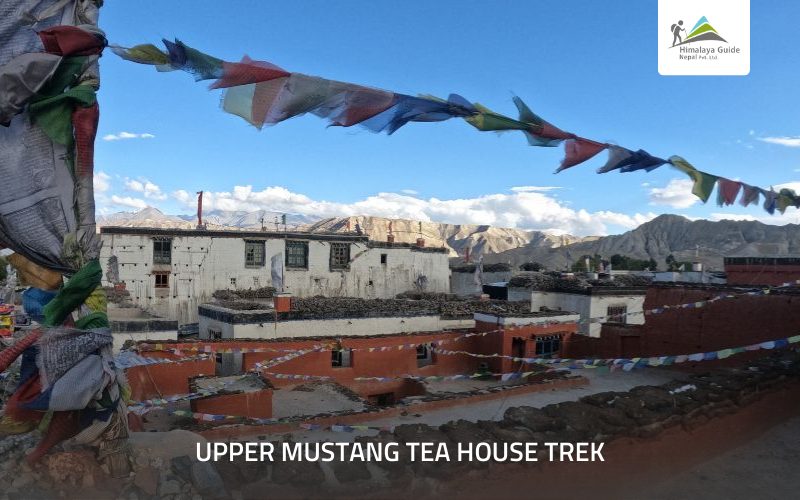
For a less crowded and more culturally immersive teahouse experience, you can also consider the Upper Mustang Tea House Trek. This trek takes you to the rain shadow region of Nepal. Thus, you trek through desert-like landscapes contrasting with Himalayan peaks and the blue sky. Moreover, you get to experience the unique Tibetan-influenced culture of the Loba community with fewer trekkers in the trails and lodges.
Top Camping Treks

To explore more remote, less-traveled treks like Ruby Valley Camping Trek, Makalu Base Camp Trek, and Kanchenjunga Base Camp Trek, you can only find teahouses and lodges in the lower sections. You have to rely on camping once you reach higher sections of the trekking route. You’ll take a full team similar to that of an expedition to manage camping equipment like tents, sleeping bags, meals, and logistics. Thus, most camping treks have become hybrid-style in recent years. So, you do not entirely spend every night in a tent.
Here, having prior trekking experience really helps because the trails will be more demanding physically and logistically. Nonetheless, these treks provide unmatched solitude as you trek in unspoiled landscapes without feeling overwhelmed by the crowds.
Note: Camping is not limited to remote areas. You can choose camping, even on trails with teahouses, for the feel of adventure and freedom.
Tea House Trek vs Camping Trek: Which One Suits You Better?

Choosing between a tea house trek and a camping trek depends on how you want to experience the Himalayas and, more importantly, your budget. Tea house treks are great if you wish for comfort, easy logistics, and a chance to meet locals and fellow trekkers along the way. You can focus on the views, enjoy home-cooked meals, and rest in cozy lodges without having to carry heavy gear. However, keep in mind that not all tea house treks guarantee comfort. As you trek to higher altitudes, the facilities become limited and expensive.
In contrast, camping treks are for those who love adventure, independence, and remote trekking. Completely relying on your support crew helps you learn about trust, humility, and community as you explore remote valleys and sleep under the stars. With skilled and friendly crew members by your side, every challenge turns into a story worth telling, thus making it an adventure of a lifetime. However, with camping treks come a variety of challenges with limited options to choose from. So, we don’t usually recommend it because your comfort and safety is our top priority.
Ready to start your Himalayan adventure? You may also explore our curated treks, from cultural home-stays to camping, to find the best match for your next adventure in Nepal.

